How to Grunt in a Rutting Buck
Posted 2026-11-03 by
These tips will help you hit the right guttural notes during the breeding season
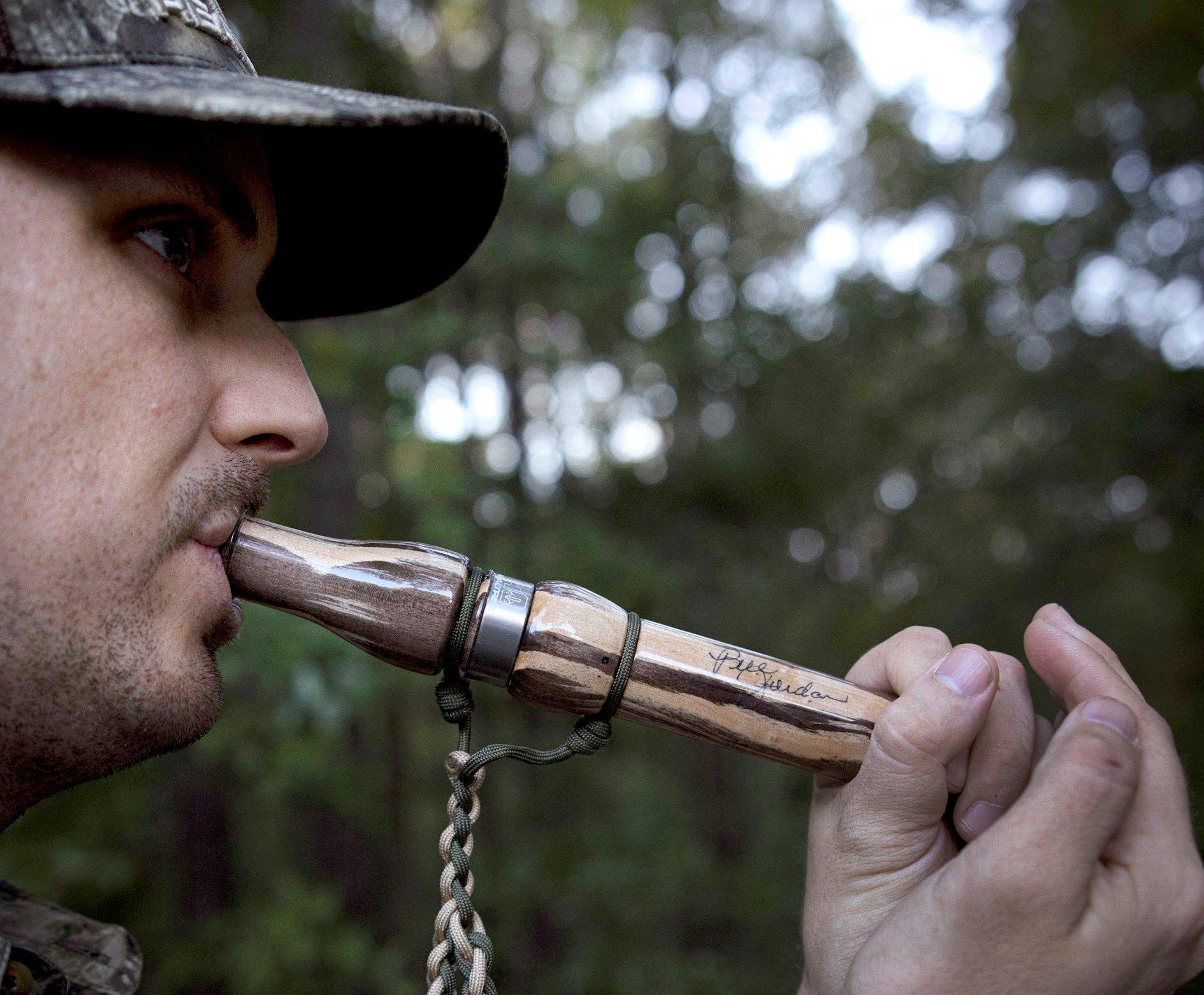
During the peak rut, try loud, choppy, gurgling tending grunts. Five- to 10-second sequences work best. Image by Realtree.
The rut is the best time to grunt up a buck or two — or maybe even three if you do it right. Testosterone-addled bucks are wandering wider and more in daylight now, scraping, rubbing and prowling on trails and ridges, trying to hook up with receptive does and ready to confront rival bucks. They are wired to hear your calls, which mimic the sounds of breeding deer, and come for a look to get in on the action. These tips will help you hit the right notes.
WHICH TUBE IS BEST?
In conjunction with a study on the whitetail’s sense of hearing, researchers at the Georgia Deer Lab tested a cross-section of popular grunt tubes to see which sounded best to deer. Guess what? Every call tested produced realistic grunts with a frequency of 3,000 and 4,000 hertz, which is well tuned to a deer’s hearing. Use any grunt tube you want.
COLD CALLS
Blow a series of loud, feisty grunts (10- to 15-second sequences are realistic) every 20 minutes or so while you’re on stand on a ridge or in a creek bottom blazed with rubs and scrapes. You never know when a rut-crazed buck will come trolling along, hear your calls and come for a look.
THINK THICK
Grunt from a stand tight to a cedar thicket, CRP field, cutover or similar sanctuary. A gnarly buck tending a doe might bust out of the cover, or at least your calls might make him stand up or move a few steps so you catch a glimpse of hide or antlers in the cover. If it’s a shooter and you’re hunting with a gun, that might be the break you need.
Don’t Miss: Oddball Tactics for Mature Whitetails
SEEING IS BELIEVING
There’s no doubt that grunting works best when you see a buck and let him have it. When you spot a buck slipping down a ridge or ducking into cover up to 300 yards away (a deer can hear your calls that far if the wind and terrain are right), grunt sharply and loudly. If the buck hears it, eight times out of 10 he will stop and look your way, if just for an instant. Again, if you’re gun hunting you might get a shot.
KEEP CALLING
When a buck continues on his merry way, which most do, grunt more and louder. What have you got to lose, especially when you’re bowhunting? It’s a long shot, but your third or fourth set of grunts might strike a chord and stop or turn him toward your stand. I’ve had bucks respond to my fifth or sixth call volleys.
GET GUTTURAL
When peak rut is on, try loud, choppy, gurgling tending grunts (urrpp, urrpp, urrpp). Five- to 10-second sequences work best for me. A horny buck might come in to what he thinks is a rival trailing or tending a hot doe.
Don’t Miss: There’s Something Special About Drop Tines
MIX IT UP
Some days, give bucks two sounds to come to by mixing aggressive grunts with volleys of rattling. Or float some estrous-doe bleats on a can call, followed up with more tending grunts. One sound or the other might strike a chord and bring in a buck.
DON’T OVERDO IT
Don’t grunt too much when you have a buck’s attention, and he is actively looking for you. He might see you move your hands or bow, or he won’t see another deer over there, causing him to hang up or back off into the brush. Watch the deer and play it by ear, grunting just loudly enough to pique his curiosity. Don’t call even once when a buck is steadily walking in. Let him come, and get your bow or gun ready. Only grunt again if he seems to lose interest and begins to veer off course.
Don’t Miss: Rack Report: 12-Year-Old Kentucky Hunter Shoots Goliath 8-Pointer
STAY VIGILANT
One November day, I grunted at a 150-class giant that stopped, looked and kept on moseying through the woods, like most bucks do. He topped a ridge and was gone, and I hung my bow back up. A half-hour later, hooves crunched 40 yards behind my stand, and then a deer started blowing. The buck had gotten curious about my calls, circled and snuck back in downwind. Busted! Bucks sneaking in 10 to 20 minutes after you stopped grunting happens more than you think. Keep your guard up and scan the woods; a buck might be coming yet.