How to Stay on Bucks All November
Posted 2025-10-31 by
This is the best month of the year for deer hunting. Here’s a four-week strategy to keep you in the action
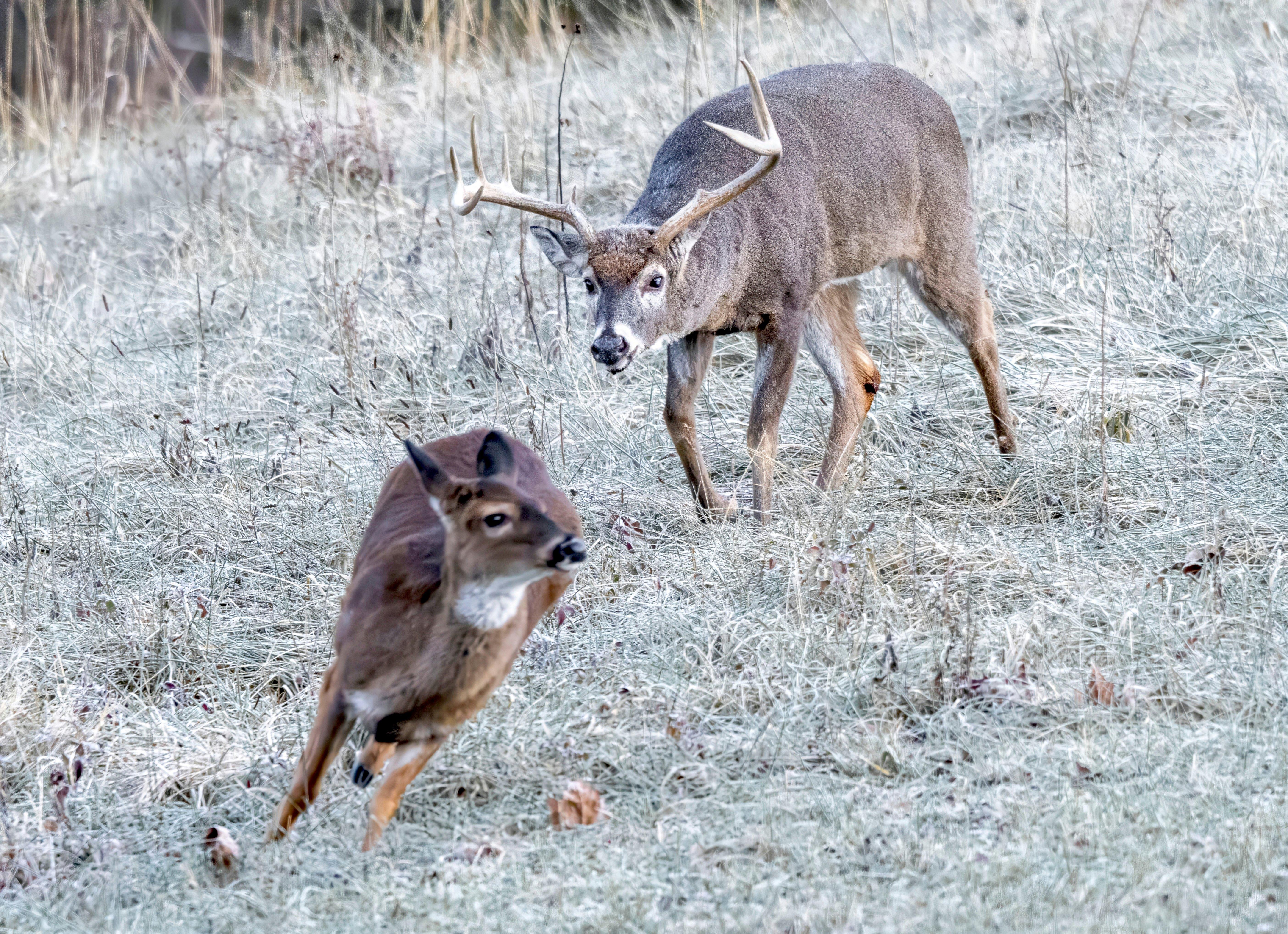
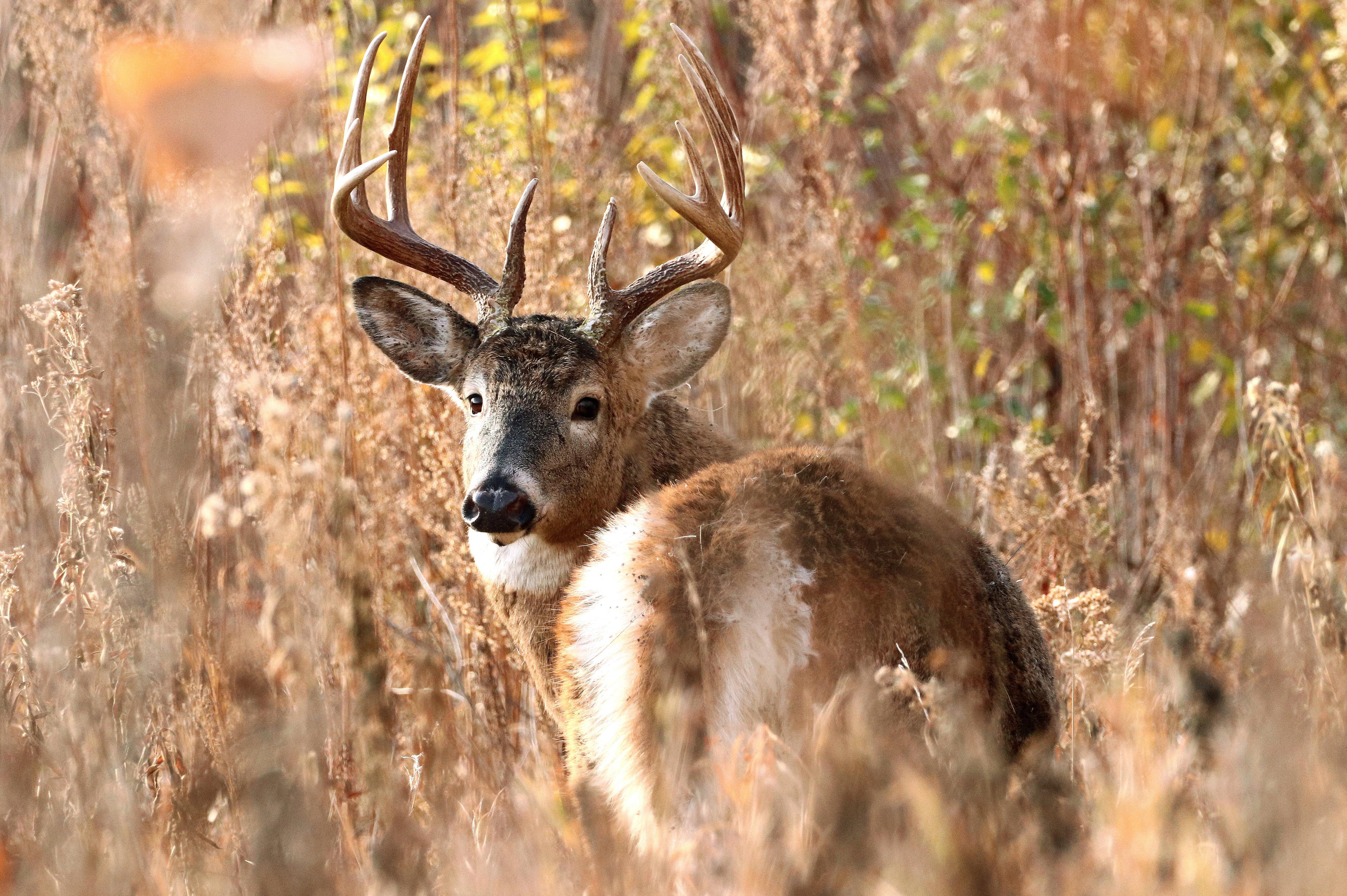
Deer behavior changes throughout November, so you’ll need to modify your hunting tactics throughout the month to experience success. (Photo by Christopher J. Barger)
You’ve been waiting all year for this, those magical days in November when you take off work and hit the woods to do what you love, so let’s get right to it. No matter which week you’ll hunt this year, we’ve got you covered with deer biology and strategies that will help you bring home the antlers and the venison.
NOVEMBER 1-7
Deer behavior: Depending on where you hunt along and north of the 37th parallel, you’ll experience either the mid-to-late stages of the seeking phase, when bucks prowl far and wide for does, or the beginning of the chase phase, with bucks flat-out pursuing and hassling the girls.
Key Sign: Heavy deer trails, littered with fresh rubs and scrapes, that connect cover and feeding areas.
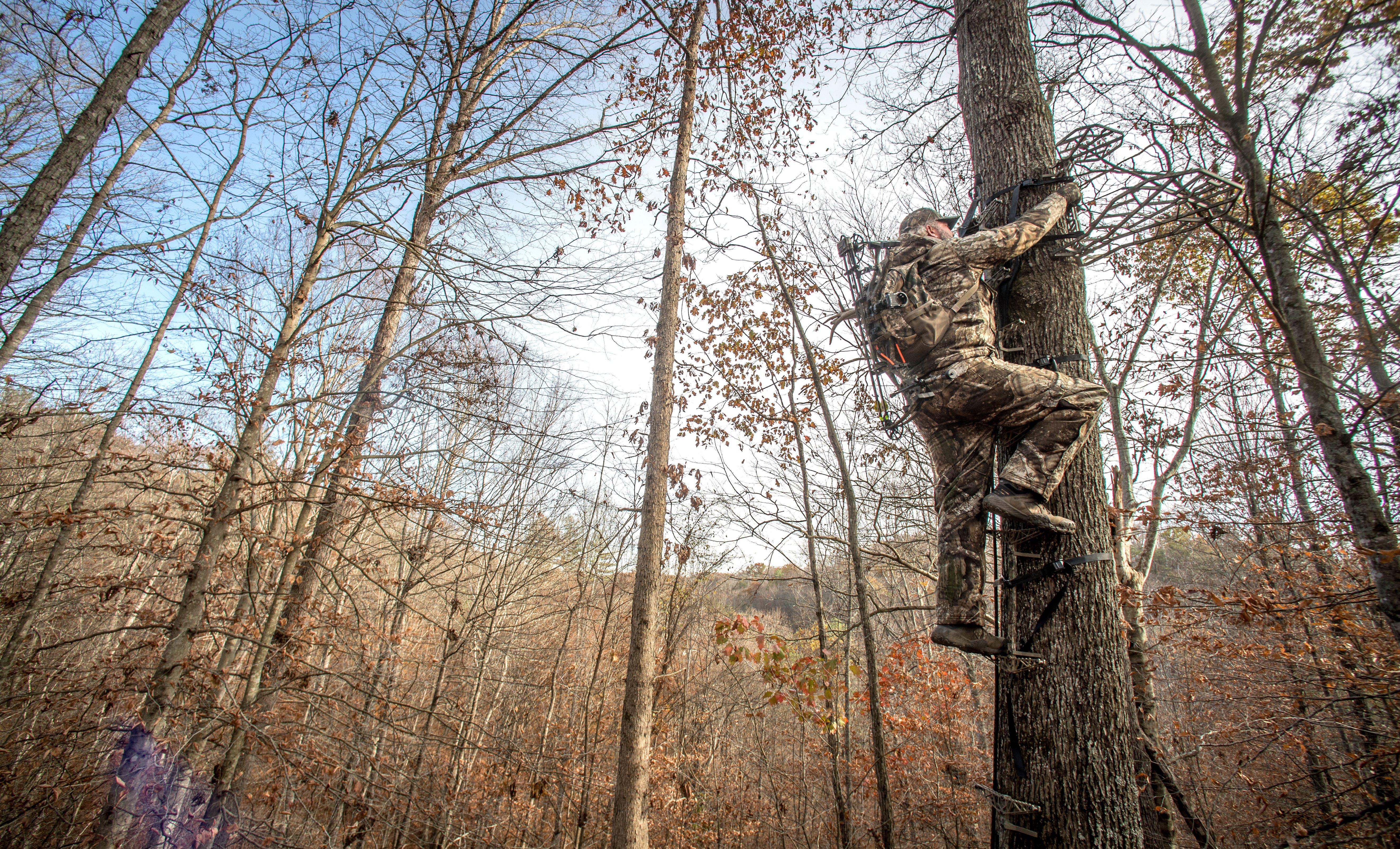
Set up your stand near a hot funnel with a trampled doe trail(s), a bunch of fresh scrapes and big rubs during the first week of November. (Photo by Bill Konway)
Moon/Weather: With the moon waxing to full on November 5, expect some bucks to be active in spurts at midday, and deer should move well again during the last hour of daylight near crops. The National Weather Service predicts warmer than normal temperatures for most regions in early November. If it gets too hot, deer movement will slow down in places. If drought conditions persist in your area, key on water sources. Hope for a cool front, as deer activity will pick back up.
Science fact: A common misconception is that deer can see better at night when the moon is full and bright, so they move and feed all night and bed down all day. But data from a recent moon study at North Carolina State shows that deer move less on average at night during a big moon and more during the day. Translation: No matter what grandaddy told you, the full moon week is not a poor time to hunt.
Top stand: Check a map for a hogback ridge, shallow draw, strip of timber, or similar funnel that connects a bedding area with a grain field or oak flat that produced acorns this year. A hot funnel will have a trampled doe trail(s), and a bunch of fresh scrapes and big rubs. Set a morning stand on high ground in the area; as the sun rises, warm thermals will float and carry your scent up and away from an incoming buck. Post on lower terrain in the afternoon, when cool thermals sink your scent toward the ground.
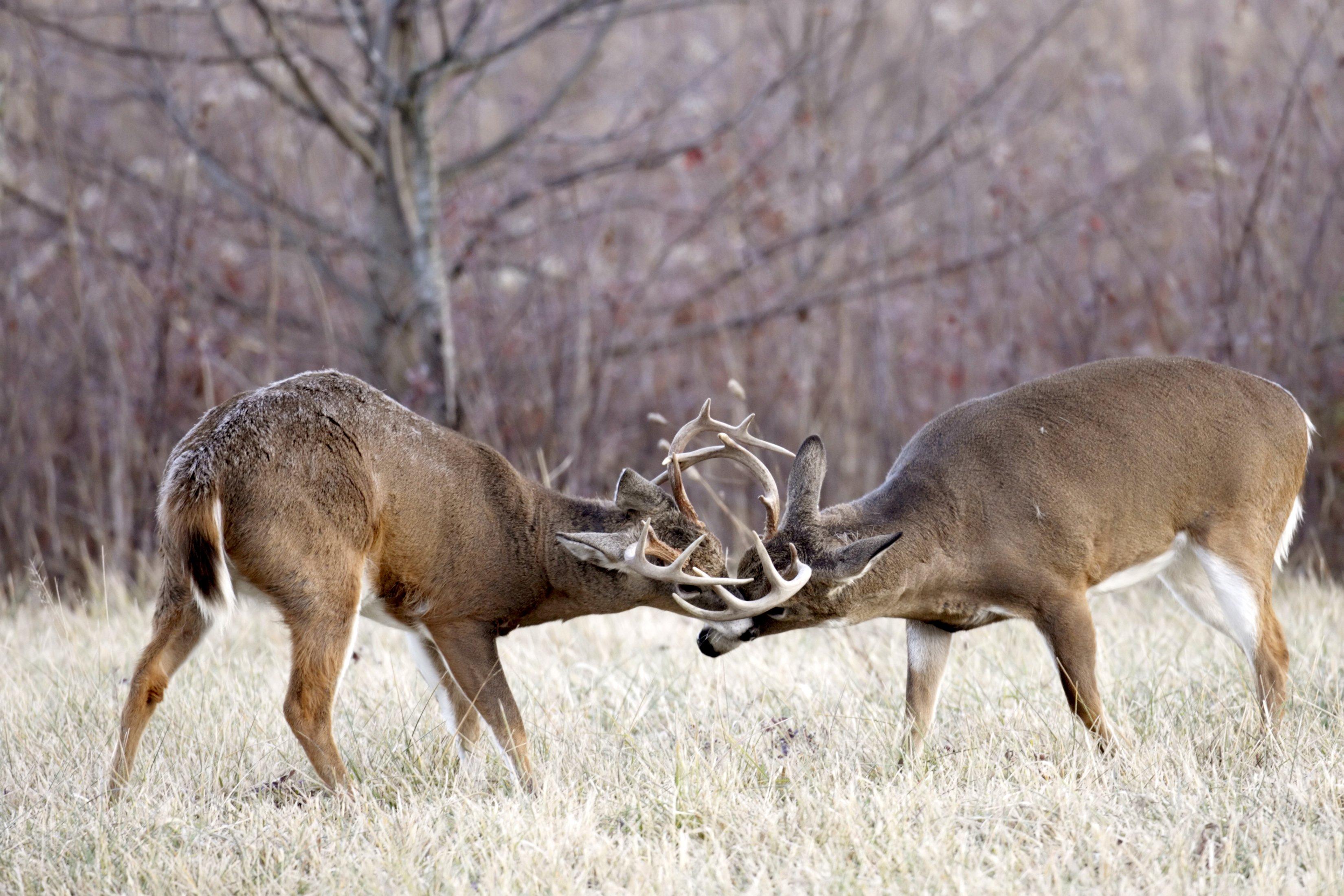
During the November 5 full moon, expect some bucks to be active in spurts at midday, and deer should move well again during the last hour of daylight near crops. (Photo by Paul Tessier)
Tactics: Hang a rope or wicks juiced with buck tarsal near a stand. The "intruder scent” might challenge and attract a prowling buck. Grunt at every buck you see in hopes of reeling him in, and blind call intermittently while posted up because you never know when you’ll make contact with a big deer. If pressure is light in your area, start rattling.
NOVEMBER 8-14
Deer behavior: These are the final days of pre-breeding and getting into the peak rut. You’re apt to see a buck prowling with his nose to the ground (with or without a doe in sight), chasing a gal flat-out, standing over a doe and guarding her, or even mounting one. Studies show that most mature does come into heat around November 7 or 8, and 80 percent of them will be bred over the next two weeks.
Don’t Miss: Why Poaching is More Sinister Than You Think
Key sign: Thick rubs, fresh scrapes, and well-used doe trails, pocked with buck tracks about 4 inches long and 2 inches wide.
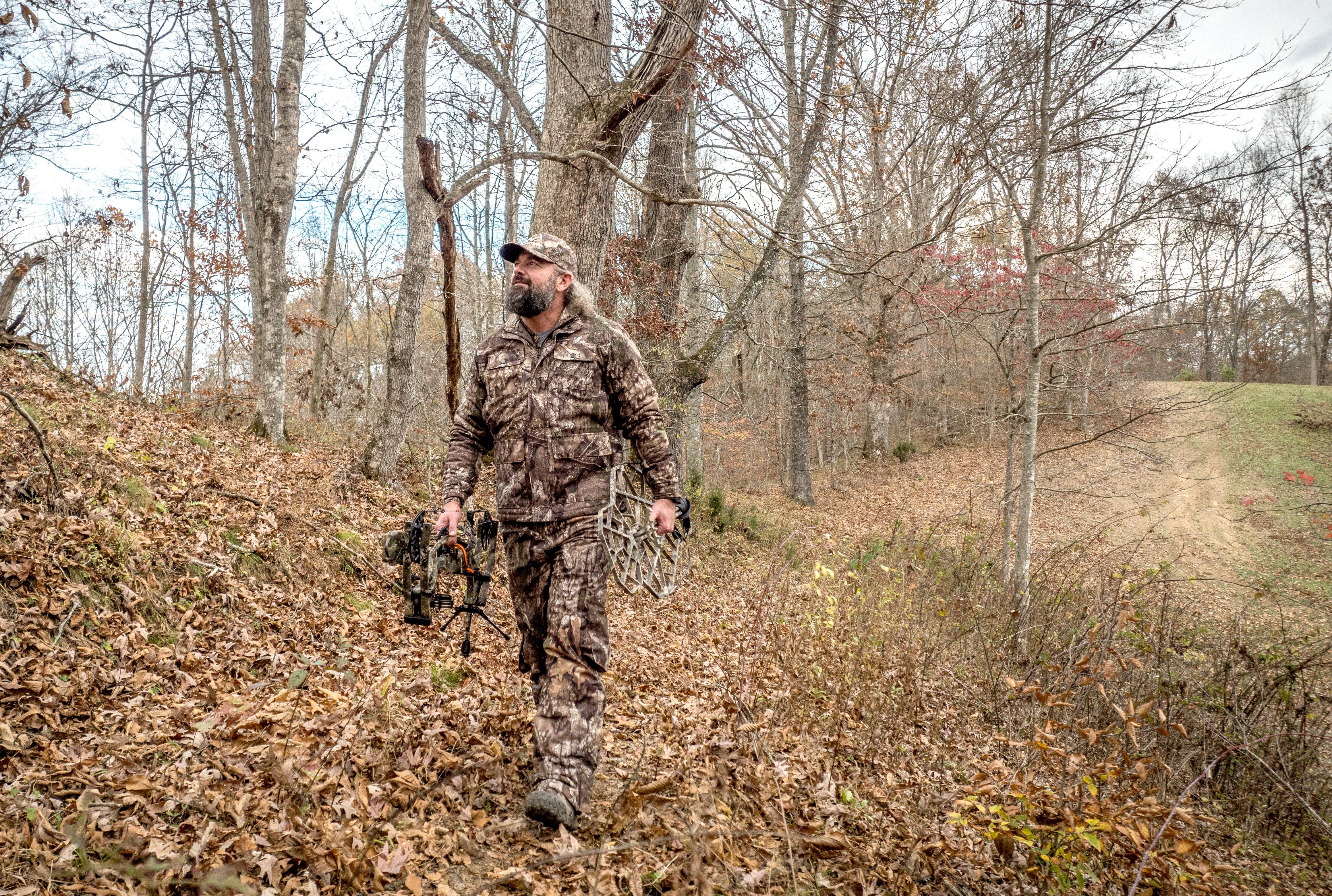
During the second week of November, set up on a timbered ridge with heavy deer sign for the best shot at taking a buck. (Photo by Bill Konway)
Moon/Weather: The cooler the air the better, with a light to moderate wind out of the north or west, especially for morning hunts back in the timber. But since many bucks are out of their gourds and the sweet smell of does is so powerful, you are apt to see a big deer on his feet even if it’s in the 70s. With the moon last-quarter this week, deer movement should be good to great during the final hour of daylight. Translation: Hunt all day, regardless of temp conditions.
Science fact: A Texas study of radio-collared mature bucks found that 100 percent of them left their home range during the rut and went on doe excursions; some of those trips lasted one to three days and covered one to five miles.
Top stand: Set up on a timbered ridge flanked by row crops on two sides; or better, grain on one side and CRP, a swamp or other heavy cover on the opposite border. The more sign on a ridge, the better. Or, a great all-day stand for gun hunting is a point-to-point crossing. Hang a lock-on or ladder just inside a strip of trees that juts out into a weed field and creates a pinch with the timber on the far side of the field. Bucks trolling for or chasing does will move all day in this type of cover.
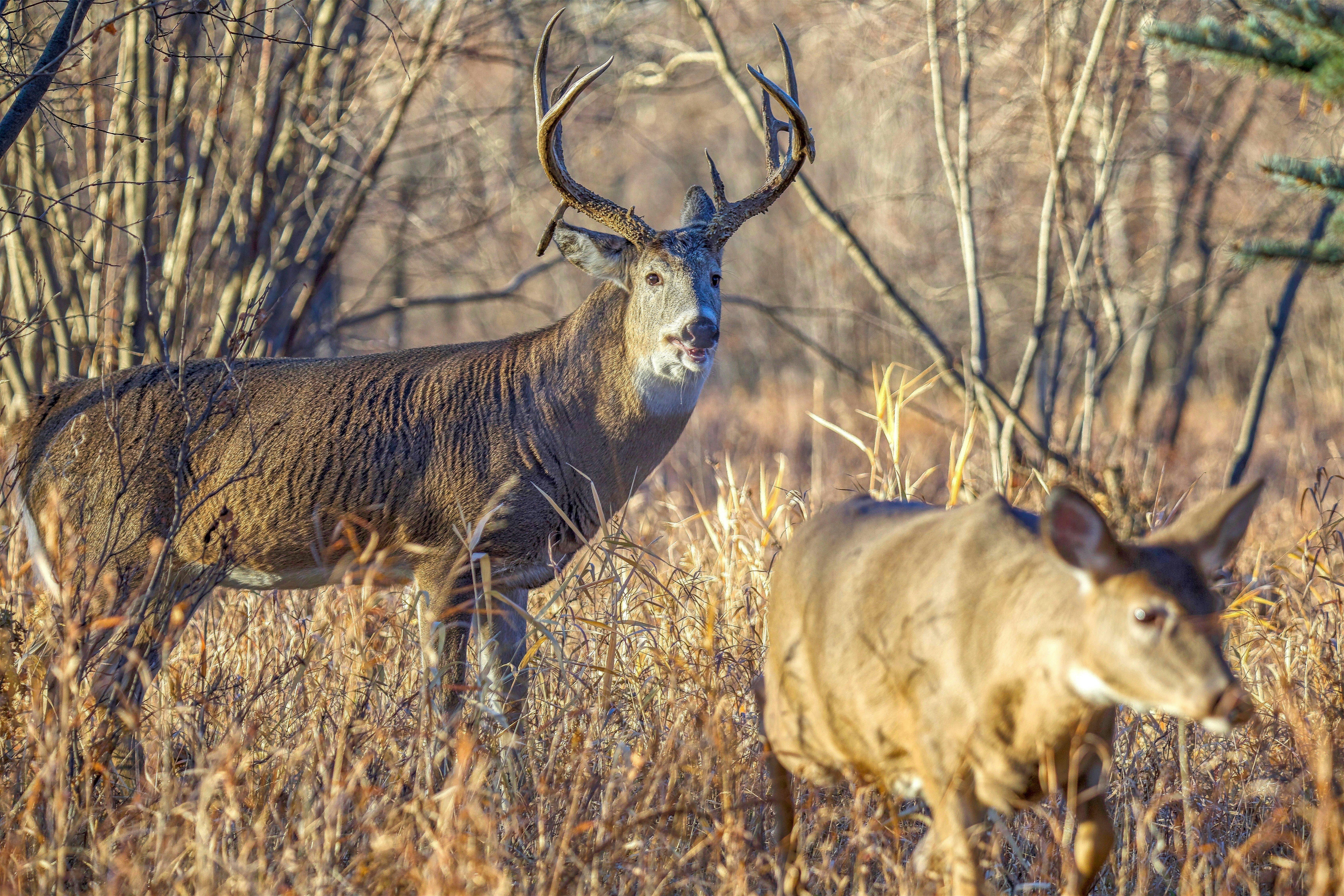
The second week of November, as peak rut approaches, you’re likely to see bucks chasing and guarding does. (Photo by Tony LePrieu Photography)
Tactics: Lay a hot-doe trail into your stand. Keep rattling if there’s not too much pressure in the woods. Blow deep, loud grunts for 10 to 20 seconds or longer. A nearby buck, hormones pumping, may come to check out what he perceives to be another buck tending a doe.
NOVEMBER 15-21
Deer behavior: Peak breeding is still going strong in many areas, but beginning to fade in other places. Depending on whether your rut is a few days early or late, you might see bucks wandering alone or chasing does. Or if the timber is quiet, many bucks might be locked down with does. This is the opening week of rifle in many states, when every hunter and his brother seems to be in the woods; the pressure moves rutting deer deeper into cover, and they move a lot at night.
Key sign: Heavy doe trails, buck tracks, scrapes with fresh pawing.
Moon/Weather: With the moon trending to new and dark this week, look for deer to be most active at dawn until 9 a.m. or so, especially if temperatures in your area are seasonably cool to cold. Translation: Get on stand early and hunt especially hard that first hour.
During the third week of November, sit in the stand all day long because you’ll never know when a buck will pop out of cover near you. (Photo by Bob S Matzen)
Science fact: A University of Georgia study found that around November 19, some bucks go back to checking old scrapes, and even re-working some of them, as they hunt for fewer and fewer receptive does.
Top stand: Hang a lock-on or ladder where 2 or 3 ridges and adjacent thick-cover draws converge and peter out into a creek, river bottom or low-lying crop field. All the terrains and edge create a dumping ground for does and the bucks pursuing them, so you should have good action. You also need at least one post set up to play off any hunting pressure nearby. Look for a thick draw or ridge 200 to 300 yards off the border of a public tract or a heavily hunted farm or lease, and set up there. Those hunters over there might run a good buck to you.
Don’t Miss: 3 Killer Ways to Get More Bucks on Your Trail Cameras
Tactics: If the deer movement is good, sit in a stand all day because some breeding is still going on and you never know when a buck will pop out of cover near you. This week I generally back off rattling because skittish deer have heard clashing antlers (both real and fake) for weeks. But keep grunting and bleating because those calls generally won’t spook deer, and to the contrary might pull a buck. Keep on the lookout for a ridge or draw with many freshly pawed scrapes, sign that an aggressive buck is working the area in search of a last doe. Hunt there two days and there’s a good chance you’ll see him.
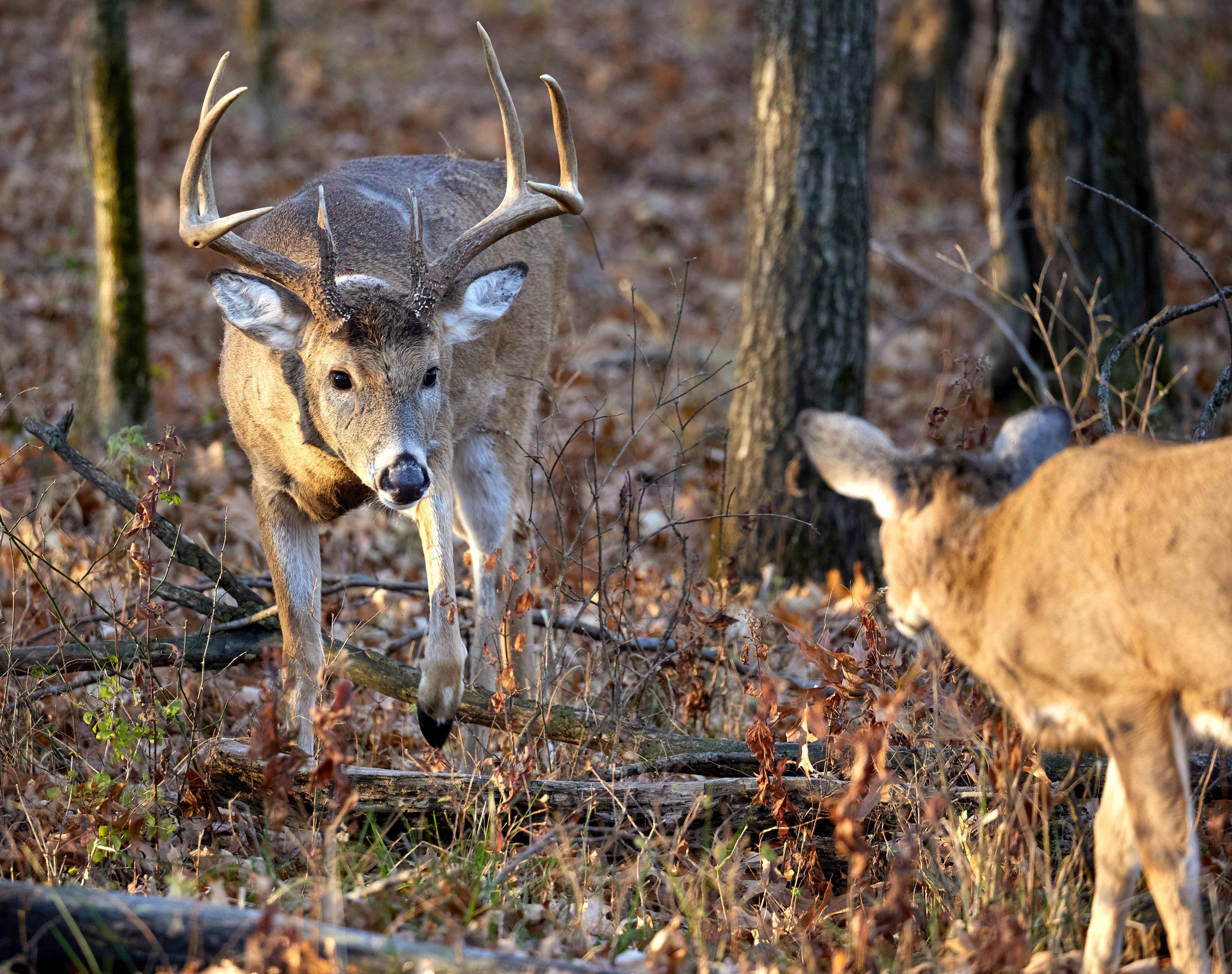
Bucks may be wondering alone or chasing does during the third week of November, depending on whether your area is still experiencing peak breeding or not. (Photo by Rich Waite)
NOVEMBER 22-30
Deer behavior: Post-rut begins everywhere in central and northern states, but there is still spotty breeding going on. If you get lucky and see one of the last receptive gals, you’re apt to see one or more bucks following her. The does that have been bred transition back to food plots, fields, and other food sources. Bucks are tired, spooky and largely nocturnal, but still ready to breed one more time.
Key sign: Primary doe trails, buck tracks, reactivated scrapes.
Moon/weather: The colder and frostier it is this week, the more likely you are to see bucks on their feet in daylight hours. With the moon moving to first-quarter, half-illuminated and some 90 degrees away from the sun, overall deer movement might not be great. Translation: Hunting will likely be challenging, but if this is your rut week off work, stay out there and keep grinding.
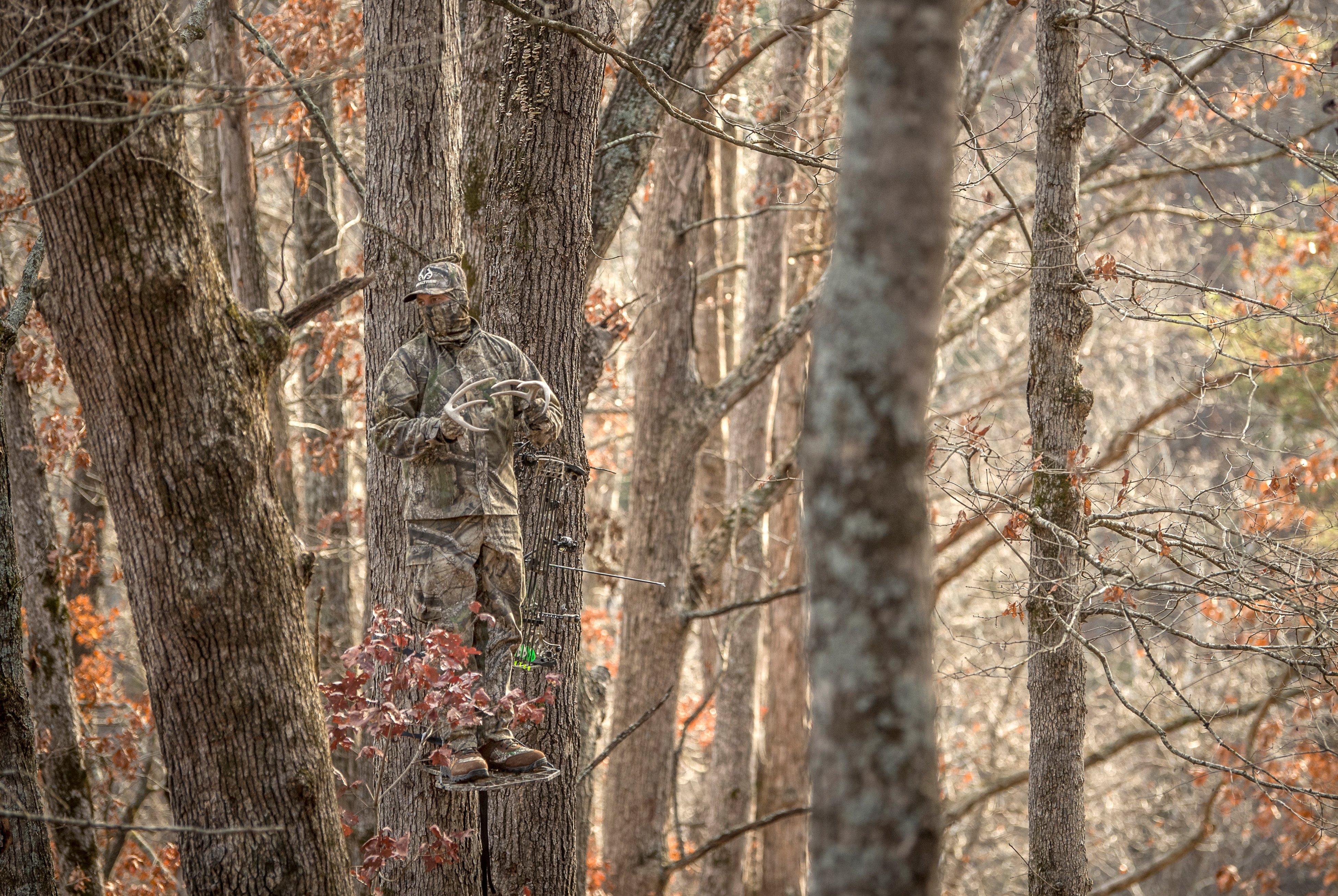
During the post-rut, give rattling one last shot, but only in the morning when you have the best chance at pulling in a 4 1/2-year-old buck after sunrise. (Photo by Bill Konway)
Science fact: Research of collared deer from Maryland to Texas shows that 20 to 40 percent of mature bucks continue to make trips out of their core areas in the post-rut in search of the last does willing to breed. You might catch a big buck you’ve never seen before moving by your blind, another reason to grind and hunt all day.
Top stand: By now many crop fields have been picked clean, but it doesn’t take a lot of feed to attract rut-weary deer. Find a little strip of beans or corn, and find a lot of deer. Try to set up in a spot with the last good feed, funneling terrain and thick cover, where weary, pressured bucks can hide, but where they can also opportunistically hook up with a receptive doe that comes to or from the feed.
Tactics: Keep re-checking ridges and bottoms blazed with rubs and scrapes that you found in early November, and go back and hunt in the vicinity of any scrapes that show signs of new activity. Lay an estrus-doe trail into your stand; a buck on a last hook-up mission might cut it and come in. If you hunt private ground where the pressure has been relatively light all month, try a last shot of rattling, but only in the morning; studies show the post-rut is one of the best times to pull in a 4½-year-old buck after sunrise. Don’t miss a day if the temperature dips into 20s or teens because many does and some bucks will hit the feed in daylight; if and when it warms back up, mature bucks will go nocturnal again.
No matter which rut week you hunt, good luck!