Up a Creek | Find Fall Shad, Find Bass and Crappie
Posted 2026-10-02 by
One of the most predictable baitfish movements of the season is sure to bring hungry gamefish close behind
There are few rules in fishing that can be taken as gospel. Sure, a dropping barometer might improve the bite, and cold fronts usually put fish deep. But these guidelines are variable at best. One rule you can count on, however, is the autumn migration of shad in the country’s largest reservoirs. As we’ll discuss, seasonal shifts in temperature and nutrients are triggers, and when the shad move, so do the gamefish that eat them.
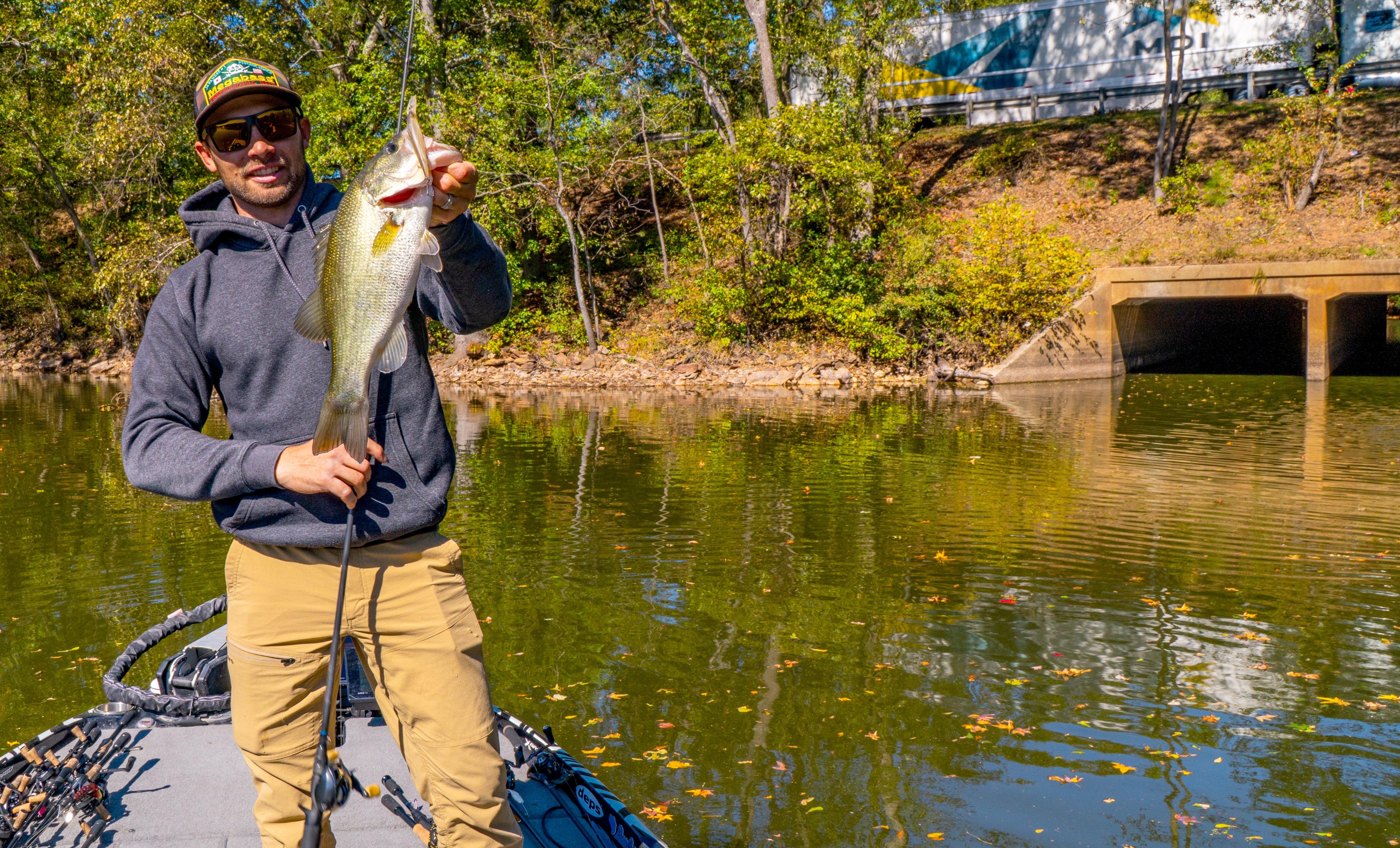
Gamefish such as bass and crappie key in on the fall shad migration as a critical source of nutrients before winter. Image by Jason Sealock.
Cooling temperatures bring some of the best shallow-water angling opportunities of the year. It’s a hard-and-fast rule you can count on: Always “fall back” to the creeks.
Don’t Miss: FISHING THE FALL MULLET RUN
SHAD MIGRATION SCIENCE
For our conversation, we’ll discuss the movement of threadfin shad, but don’t be discouraged if you’re fishing a lake heavy in gizzard shad, herring, or even shiners. Many baitfish species follow a similar seasonal migration.
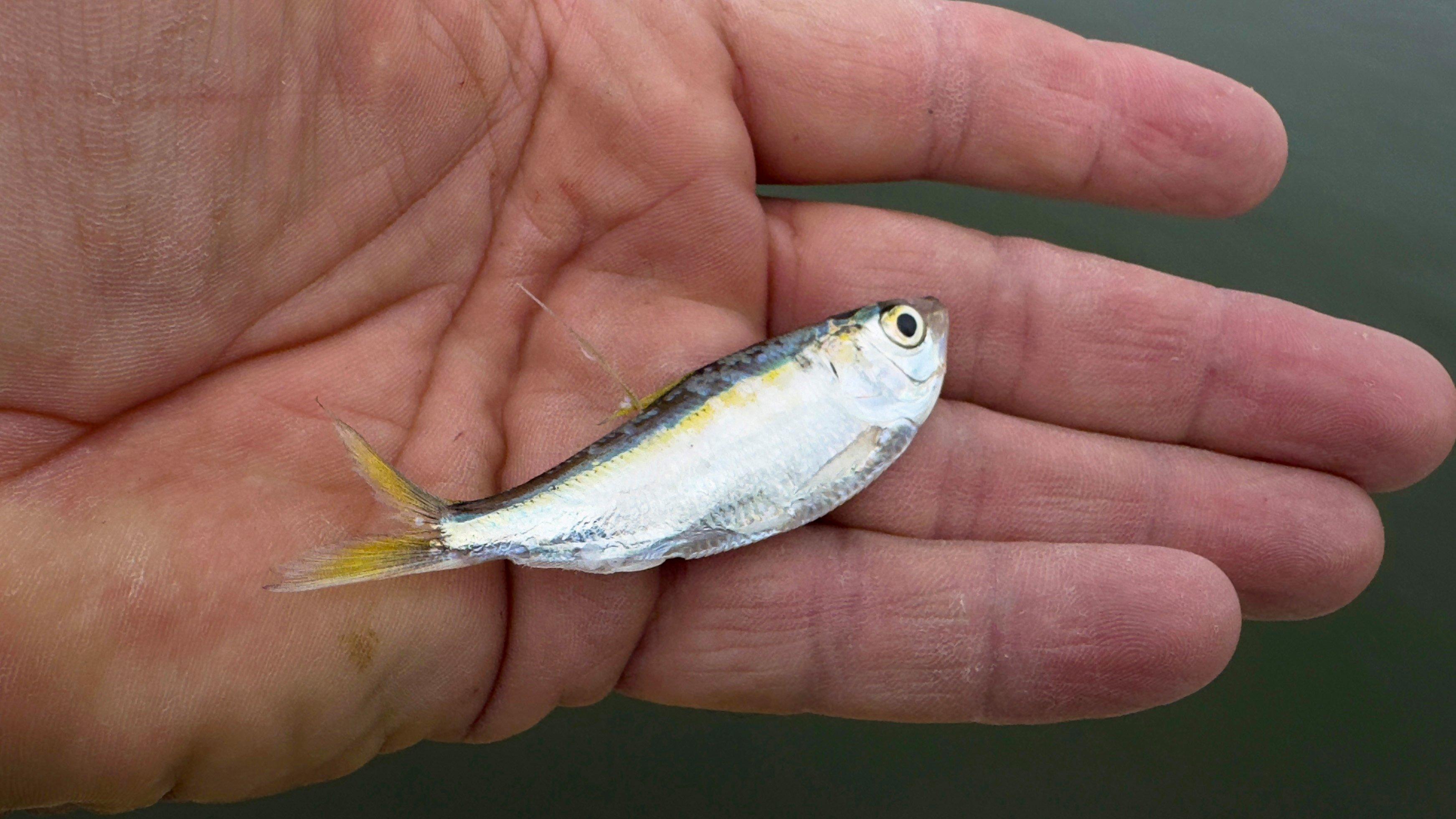
Many baitfish including several types of shad, herring and shiners follow similar seasonal migration patterns. Image by Jason Sealock.
Threadfin shad seem limitless in our favorite fisheries and, as a result, are the predominate forage of nearly all gamefish inhabiting the same waters. It’s true, from the Ohio River to Florida, and Kansas to Texas. Learning all you can about threadfin shad will pay big dividends.
Throughout summer, shad spend most of their time in the main lake and largest tributaries. They form huge schools and stay in deep basin areas where water flow and wind move plankton in and out.
Threadfin shad are planktivores, meaning they feed on tiny, open-water plants and animals that float freely in the water column. These plankton cycle based on a number of climatic factors including sunlight and water temperature. Often, a plankton bloom we can see on the water will occur, usually under sunny skies as water temperatures warm, and often in a river channel or over a submerged creek.
With plankton being so variable based on climate, shad must continuously search them out and gravitate to areas where plankton concentrations are highest. As summer turns to fall, signaling dropping water temperatures and a reduction of plankton in critical areas, shad adjust accordingly.
This demonstrates an often-misunderstood principle of the fall shad migration. Threadfin shad do not migrate because of their own temperature preferences or tolerance in early autumn. They migrate to conditions more likely to support plankton. That’s often the shallow reaches of major creeks and tributaries.
As waters cool and sink, these shallow areas mix, promoting nutrient release and plankton growth. This correlates with quiet, sunny areas where afternoon temperatures warm waters and fuel booms, leading to a daily bonanza for shad inhabiting the creeks. That drives a lake-wide baitfish migration.
Don’t Miss: AUTUMN ACTION FOR SHALLOW SMALLMOUTHS!
WHAT WANTS TO EAT A STINKY SHAD?
Everything — and I mean everything — eats threadfin shad. Bass and crappies, of course, include shad as their primary forage. But drum, white bass, muskies, stripers, and all species of catfish love them, too. No matter what you’re fishing for in warm-water reservoirs, chances are they’re eating shad for a portion of the year.
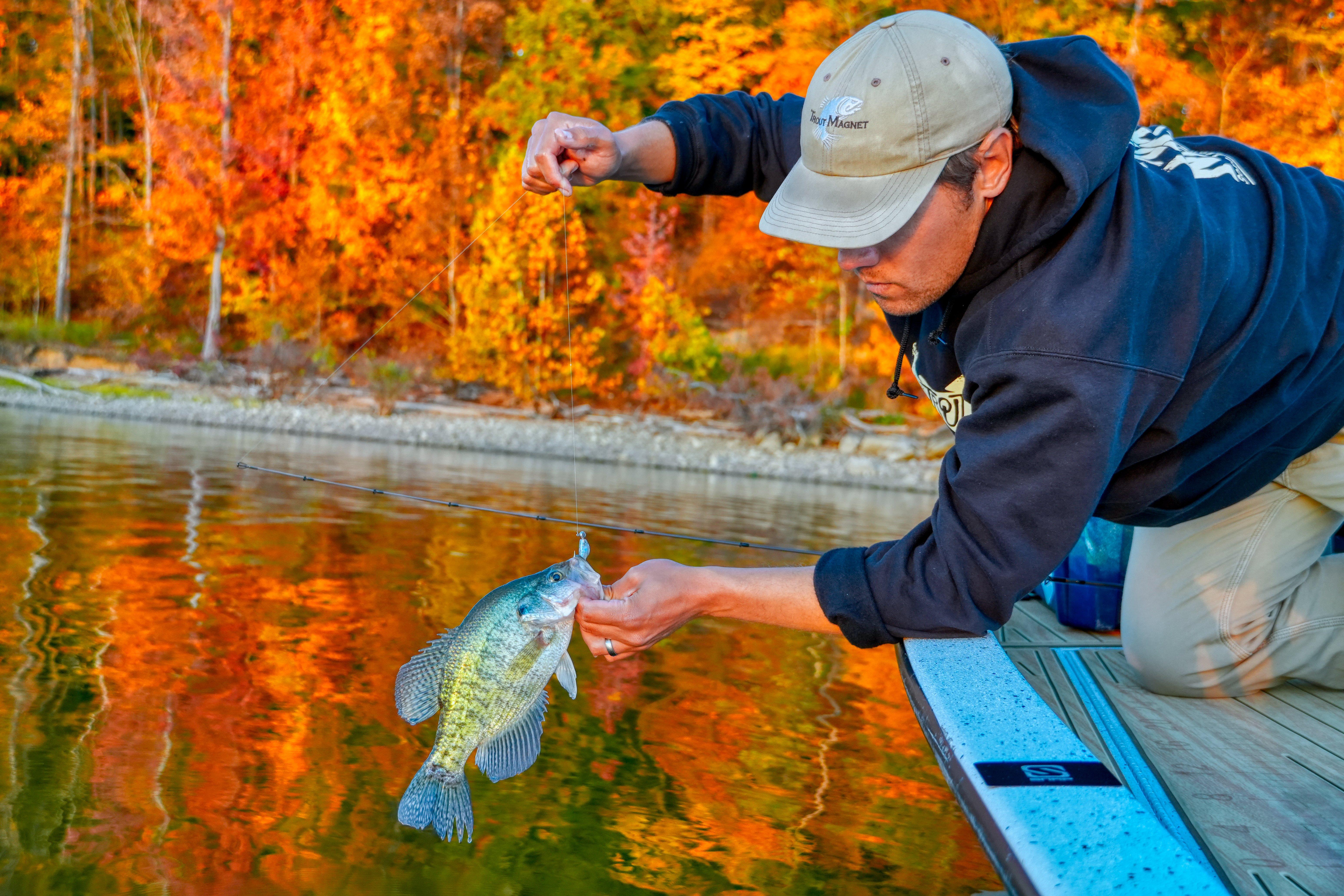
Crappie, bass and many other target species count shad as a primary food source, and anglers can key in on heavy shad populations to find them. Image by Jason Sealock.
Shad provide an omega-rich source of protein that predatory fish thrive on. When seasonal conditions create an abundance of shad in certain areas, you can bet these same predators won’t be far behind.
HOW TO FISH SHAD RUNS
Let’s key on bass and crappie fishing, as they represent the largest angling group. For those favorites, the first step is to find the bait. Today’s sonar makes this easier than ever, but don’t forget that we’re dealing with a seasonal and daily migration. Pick a big creek arm and you’re sure to find shad quickly, most likely around the mouths of secondary creeks.
This will be the best place to target crappies. Although some individual fish might be shallower, the bulk of the crappie population that migrates to tributaries will camp out on tapering points, brushy areas, and bridges where secondary creek arms meet the main creek.
Immediately look for cover. You’re sure to find sunken brush piles where creek channels intersect. If naturally occurring cover is available — say, lay-down trees on a deep channel bank — all the better. And never discount riprap on a bridge if it quickly falls into deep water.
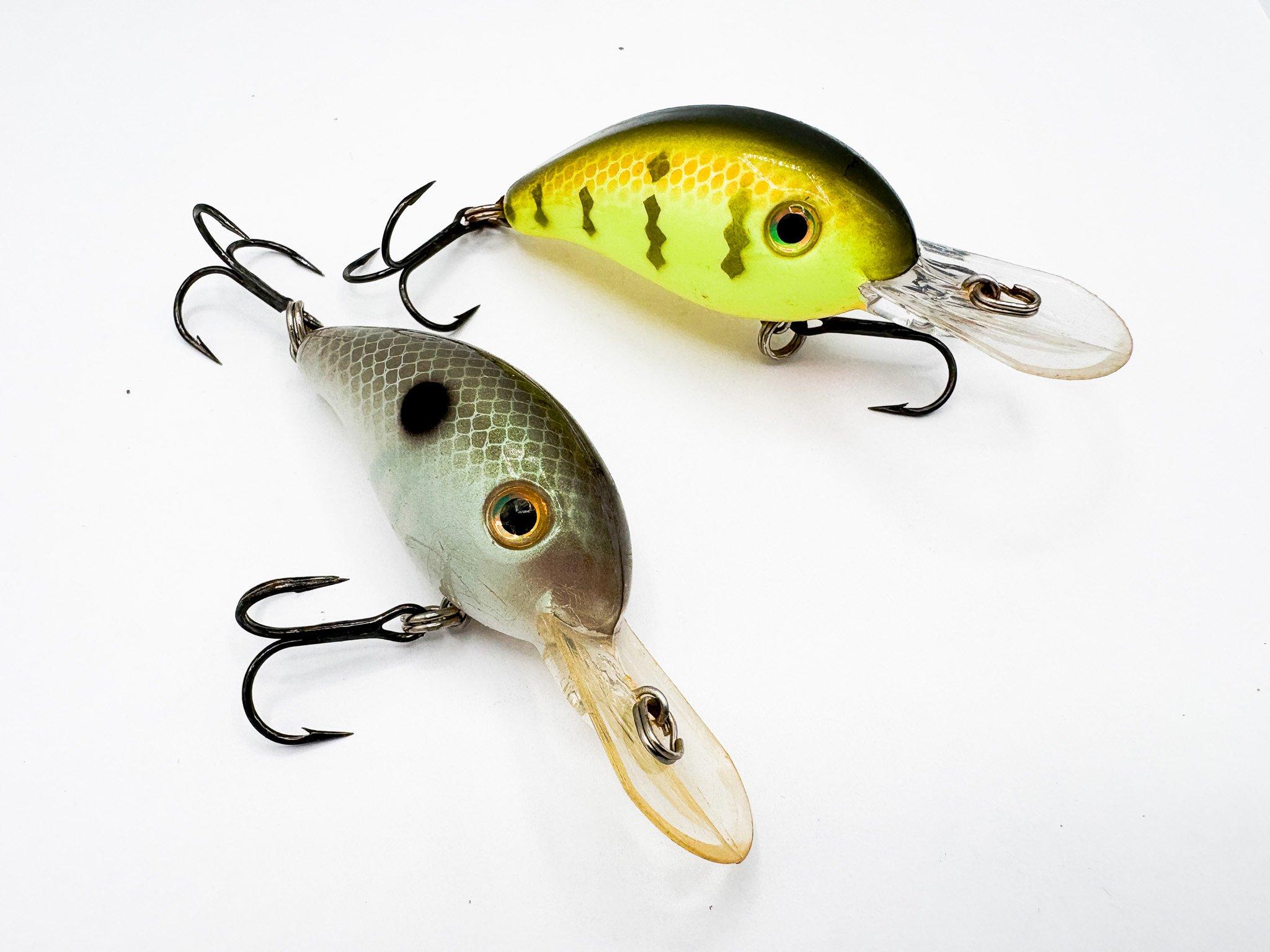
Don’t overlook small crank baits for big crappie action when they are feeding on fall shad runs. Image by Joe Balog.
Although plastics make up the bulk of crappie fishing effort, there’s no better time to throw a small crankbait. Fall crappies love Bandit and Norman diving plugs, providing your lure gets to the zone where the crappies are hanging. Casting on a long, limber spinning rod spooled with braided line will let you get small cranks down deep where they score big. Slow stop-and-go retrieves always produce best. Fight the fish carefully to prevent the lure from tearing the “paper-mouths.”
If cranks aren’t your thing, consider plastics beneath a slip float, or micro-sized swimbaits fished at depth. Today’s tackle and electronics allow anglers to fish a light jig with deadly accuracy, again paired with ultra-thin, highly-sensitive braid. Start by dropping your lure over the side, count it to the bottom, and determine the fall rate to ensure you fish slightly over the fish and never under.
Don’t Miss: THE BEST BASS BAITS FOR EVERY SEASON
SKINNY WATER BASS
For largemouth, go as shallow as you dare and search for something fishy. Big bass skip over the crappie haunts and instead head to the shallowest water they can find, all but guaranteed that their favorite food will be swimming by once the sun gets up. For that reason, late morning and afternoon bites are best.
You won’t believe how shallow some of these fish will be. Often, the best locations are only available to anglers who are willing to work for it, running shallow, stump-filled flats to reach a backwater honey hole.
Think of it in terms of natural selection: Capturing a prey item is easiest when there is less water to do it in. The bass knows this and moves as shallow as possible, looking to camouflage himself in a piece of cover and ambush shad as they come by.
Stumps, logs and docks are prime, but don’t overlook vegetation if it’s still viable and in the water. Anything can hold a fish. Even a no-wake buoy.
You’ll need to present multiple casts to each target; at no time of year is this more important. Seasonal availability to food, combined with fishing pressure on very obvious spots, makes for bass that are reluctant to gobble down every lure they see. Angles are vitally important here; a good fall fisherman will circle all around productive cover, often catching a good fish after a dozen casts.
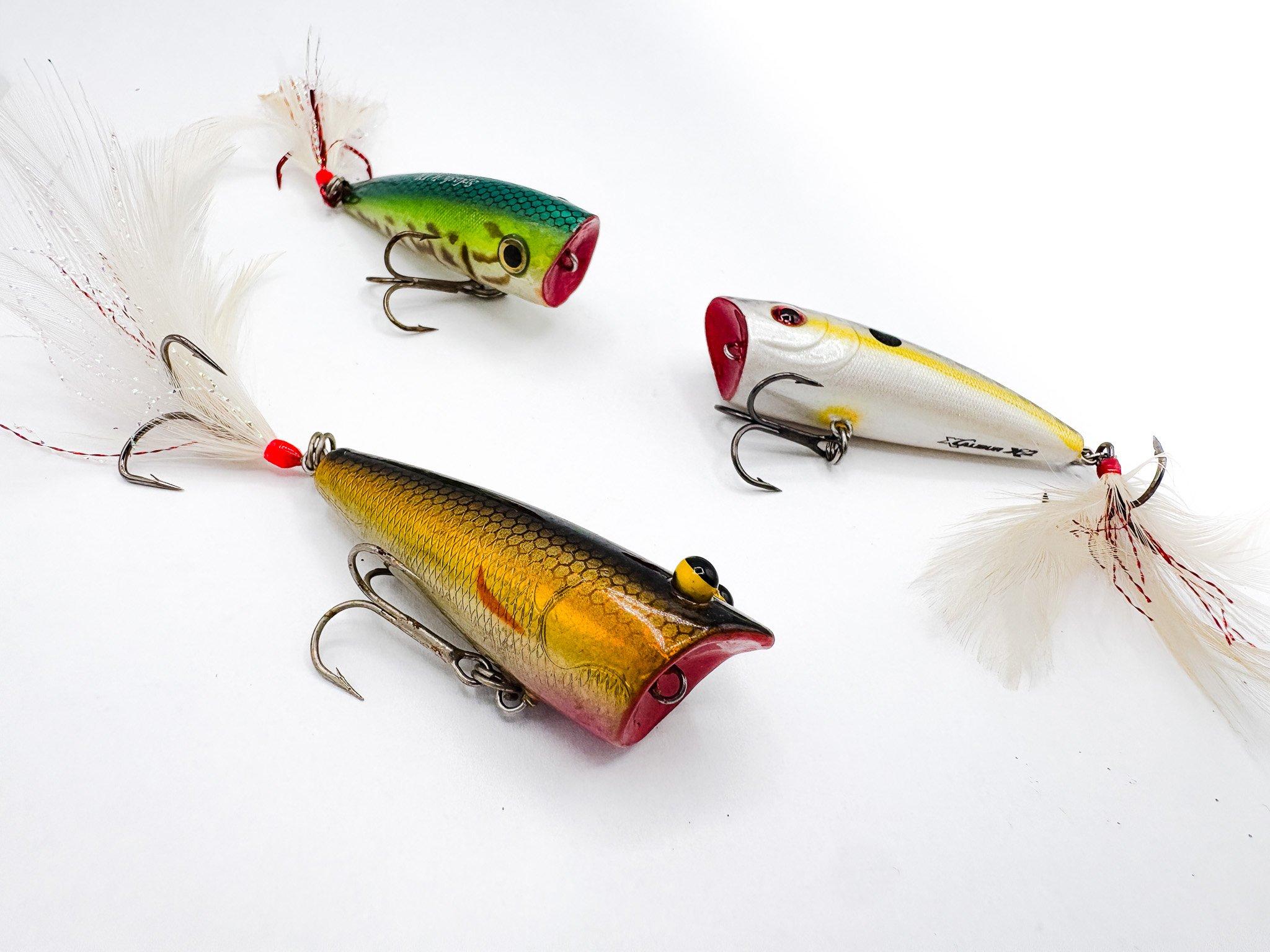
Topwater baits worked painstakingly slow around cover can produce dynamic strikes this time of year. Image by Joe Balog.
Topwater lures are great all day in fall. The best are poppers that imitate small shad and can be retrieved painstakingly slow. Spinnerbaits are also good, especially those with multiple small blades, and square-billed crankbaits. Pick shad colors above all else, with a touch of chartreuse for dingy waters.
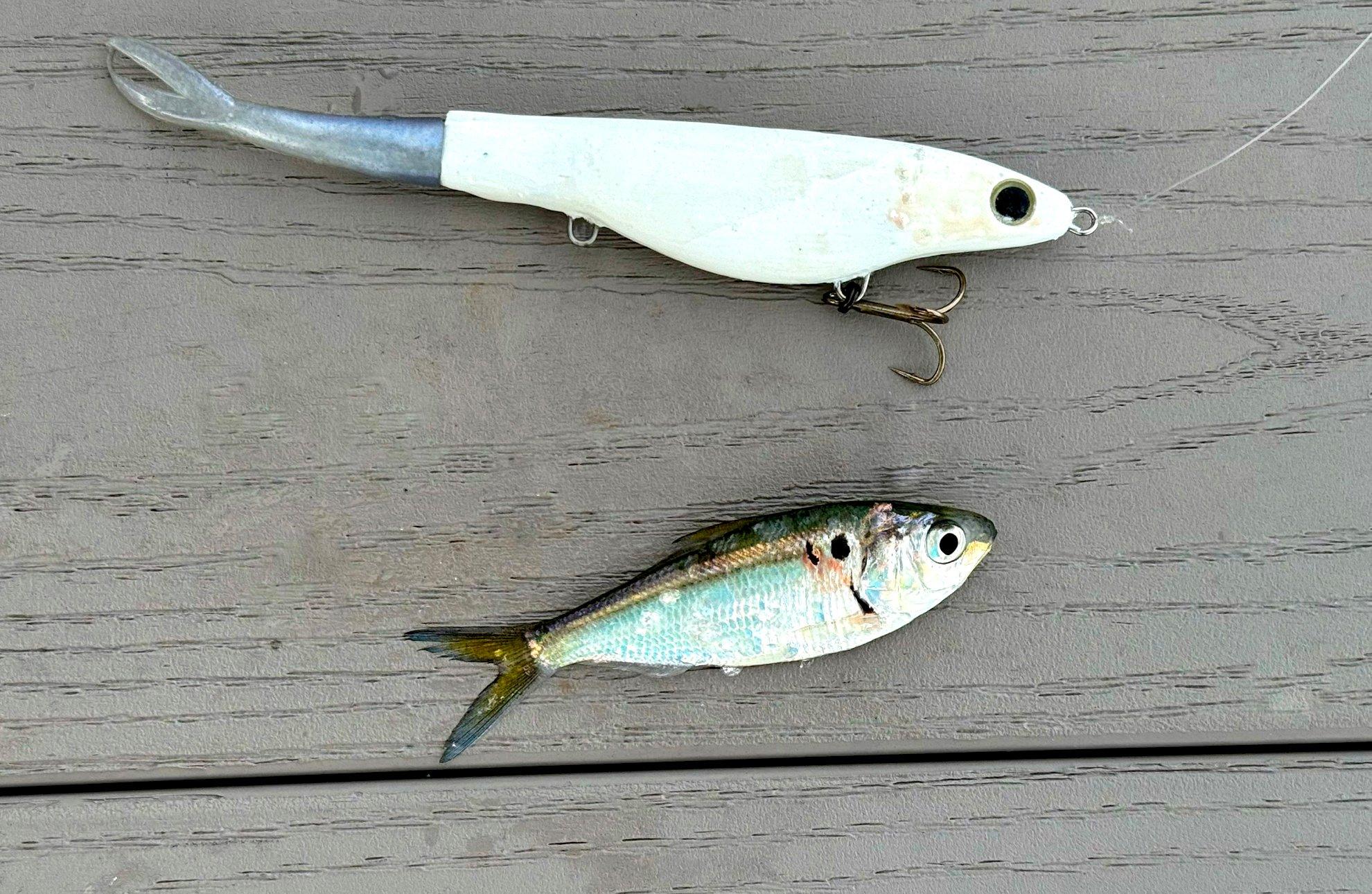
Baits should closely mimic shad in color and shape for best action. Image by Jason Sealock.
A plastic worm will outproduce a jig this time of year. Large worms are best as bass can see them easily when they fall down into productive spots. Combine plastics with a light bullet weight and fluorocarbon line. Rotating through rods and catching a big bass off shallow cover after multiple presentations is incredibly rewarding.
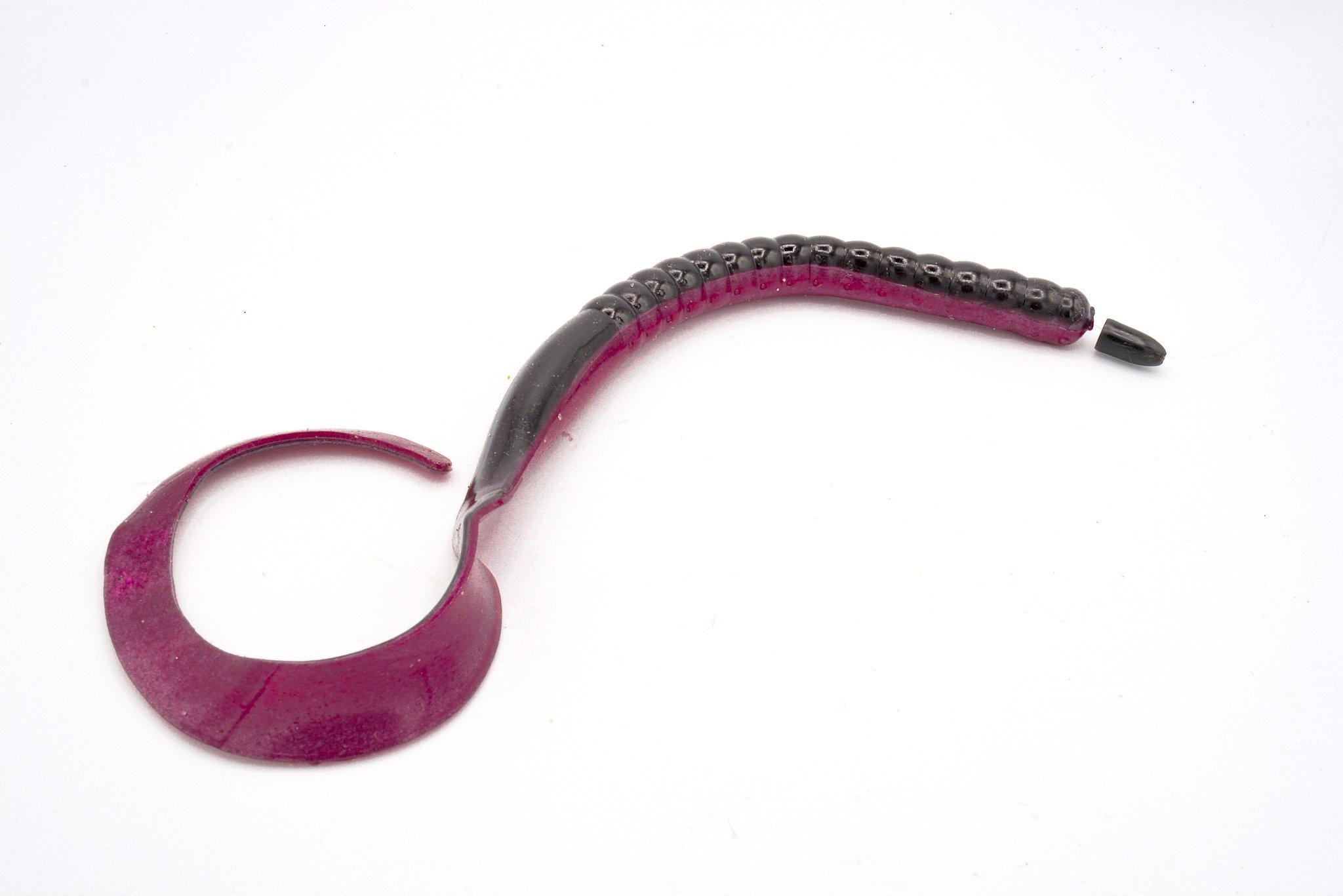
Soft plastics such as a big worm allow anglers to work productive cover. Image by Joe Balog.
Although springtime gets all the press, autumn brings equally good fishing for anglers focused on shallow water. The world revolves around threadfin shad this time of year, and you’ll be wise to keep them in your sights. Your favorite gamefish aren’t far behind.
Don’t Miss: HOW TO PICK THE BEST SOFT-PLASTIC LURES FOR CRAPPIE FISHING