Why You Need to Shoot a Doe (or Two) This Season
Posted 2025-09-08 by
Taking antlerless deer early and often will boost habitat and improve hunting
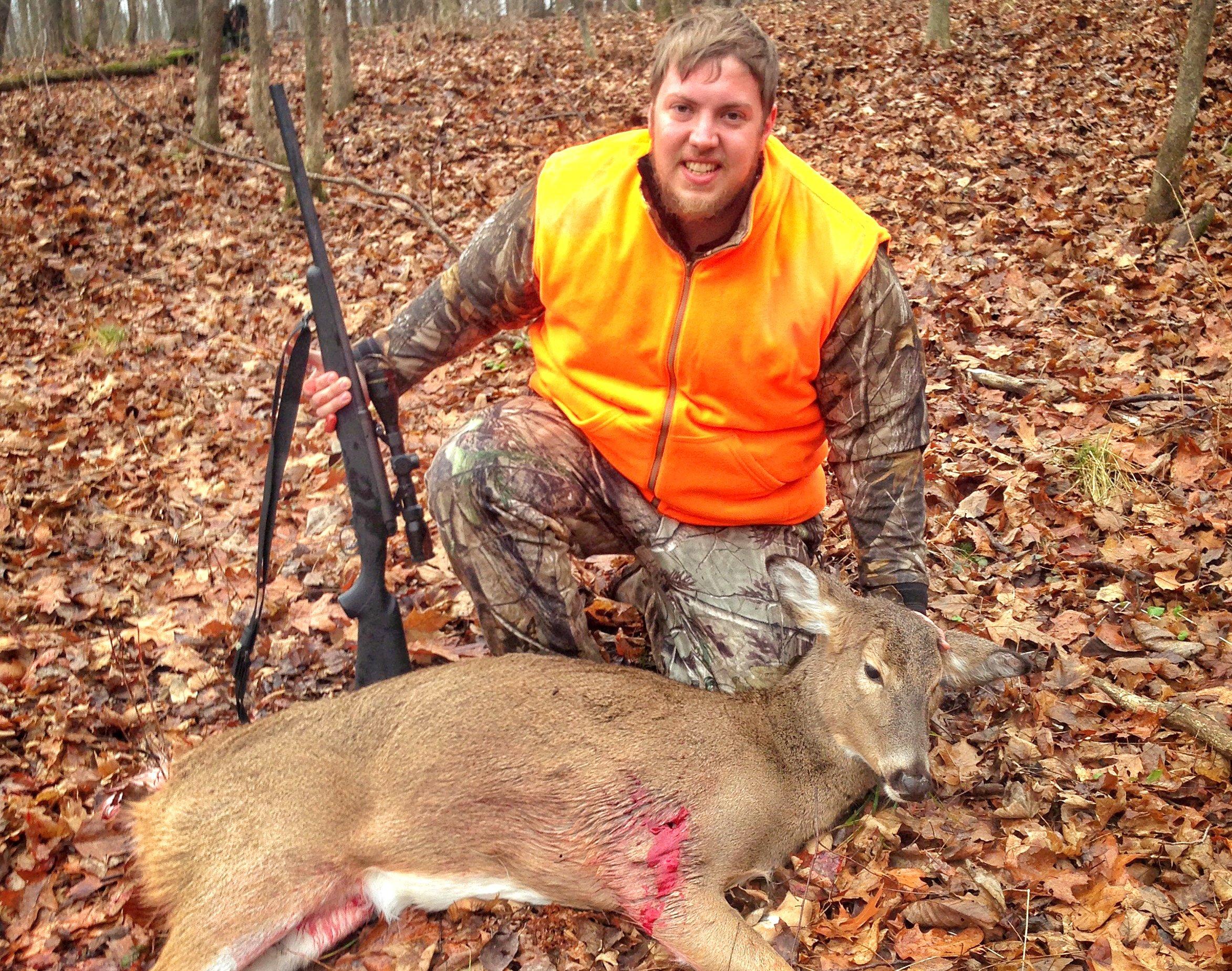
Shooting does helps balance the buck-to-doe ratio and reduces stress on the habitat and food sources. Photo by Bill Konway.
Set two goals for this season. Hunt hard for your buck, and have fun doing it. While you’re at it, fill the freezer with your state’s legal limit of does.
In recent years, state biologists and experts with the National Deer Association have raised concerns about the doe harvest, which is too low in most corners of America.
“From 2000 to 2015, doe harvest far exceeded buck harvest, sometimes by as much as 31%, but we haven’t seen a season like that in 10 years,” said Kip Adams, wildlife biologist and NDA’s chief conservation officer. “Deer populations are strong and growing in most areas, so it’s critical we continue working to boost the doe harvest nationally.”
The NDA points to some states where hunters are not shooting enough does: Virginia, West Virginia, Kentucky, New York, Michigan, Wisconsin and Minnesota. Even in Texas, where people shoot more does every year than in any other state, the harvest is down 15%. But it’s a concern everywhere.
“Truth is, in the vast majority of the United States, hunters need to harvest more does,” Adams said. “Hunters need to shoot as many does as bucks, and more does in many cases.”
Don’t Miss: 10 Tips for Better Bow Stands
WHY WE NEED TO SHOOT DOES
It’s foremost about habitat and nutrition, and how those relate to deer health. Did you know that a mature doe requires 6% to 8% of its body weight in forage every day? That’s 6 to 8 pounds of food daily for one 100-pound doe just to live. Obviously then, too many does can quickly degrade a habitat, and the overall health of a herd will suffer. When preferred forbs, foliage and browse become scarce, does, fawns and bucks will never express their full genetic potential, body- and antler-wise.
Shooting does helps to balance a herd’s buck-to-doe ratio, and as a result lessens stress on the habitat and food sources. After a few good seasons of doe patrol, you’ll start to see heavier, healthier does, fawns and bucks, and better racks with more mass.
WHEN TO DOE HUNT
Most hunters spend archery season and the rut focusing on getting a buck, and then start thinking about busting a doe or two later on in gun season. Harvest data from Michigan, for example, shows that almost two-thirds of the state’s deer season is finished before most hunters start tagging does after Nov. 25. Maybe we’ve been doing it all wrong.
“Earlier is better,” said Grant Woods, one of the top deer scientists in America. “Does harvested during the early season obviously won’t consume critical food that the remaining animals in a herd need for the winter and subsequent months.”
Don’t Miss: 6 Facts You Should Know About EHD
Chad Stewart, deer management specialist with the Michigan DNR, added that in a region with an overabundance of does, harvesting more skinheads early provides another benefit for hunters. “Intense doe harvest early in the season can help balance the buck-to-doe ratio prior to the rut, which can intensify the rutting activity you see (in November or December),” he said.
If hunters thin out some does in October, fewer does come into estrus around the same time in November or December. This increases competition among bucks, causing them to move more and harder in search of fewer hot does. Hence, your rut can be more intense and visible in daylight.
From a hunting perspective, the early season is the easiest time to whack a doe. The animals haven’t been pressured, and haven’t seen people tromping in the woods or heard gunshots. They’re relatively calm as they walk and feed, offering good shots for bowhunters. Also, in September and October, most adult does have noticeably larger bodies than button bucks, so there’s less chance of messing up and shooting the wrong deer.
When you hunt the rut in November, you’re not thinking about shooting a doe, but this might change your mind. Woods has learned from his research projects that a dead doe in front of your stand can be a great attraction for bucks.
“We often harvest a doe where legal, with either bow or firearm, and then remain in the stand as long as possible,” he said. “The only disturbance was perhaps the noise of a gunshot. The smell of an adult doe, especially if she is in a pre-receptive or receptive stage, is a magnet for mature bucks. I’ve personally shot quite a few bucks while they were sniffing the doe I had shot earlier in that hunt.”
Check Out Our Latest Camo Pattern: Realtree APX
SMART DOE PATROL
Although the guys in my little club in Virginia readily shoot does with bows in October and muzzleloaders the first week of November, we are smart about it. Nobody shoots a skinhead in our best areas where we have had success tagging mature bucks, or where we are getting images of shooter bucks this season. We have designated doe-kill areas across the property, where we go and don’t worry about making noise or leaving scent as we shoot skinheads. Do the same, and start filling the freezer any time of the season.