Waterfowlers Push Back Against Rule Review That Could Affect the Duck Factory
Posted 2026-08-06 by
Groups urge lawmakers and the USFWS to maintain policies that protect prairie pothole wetland easements
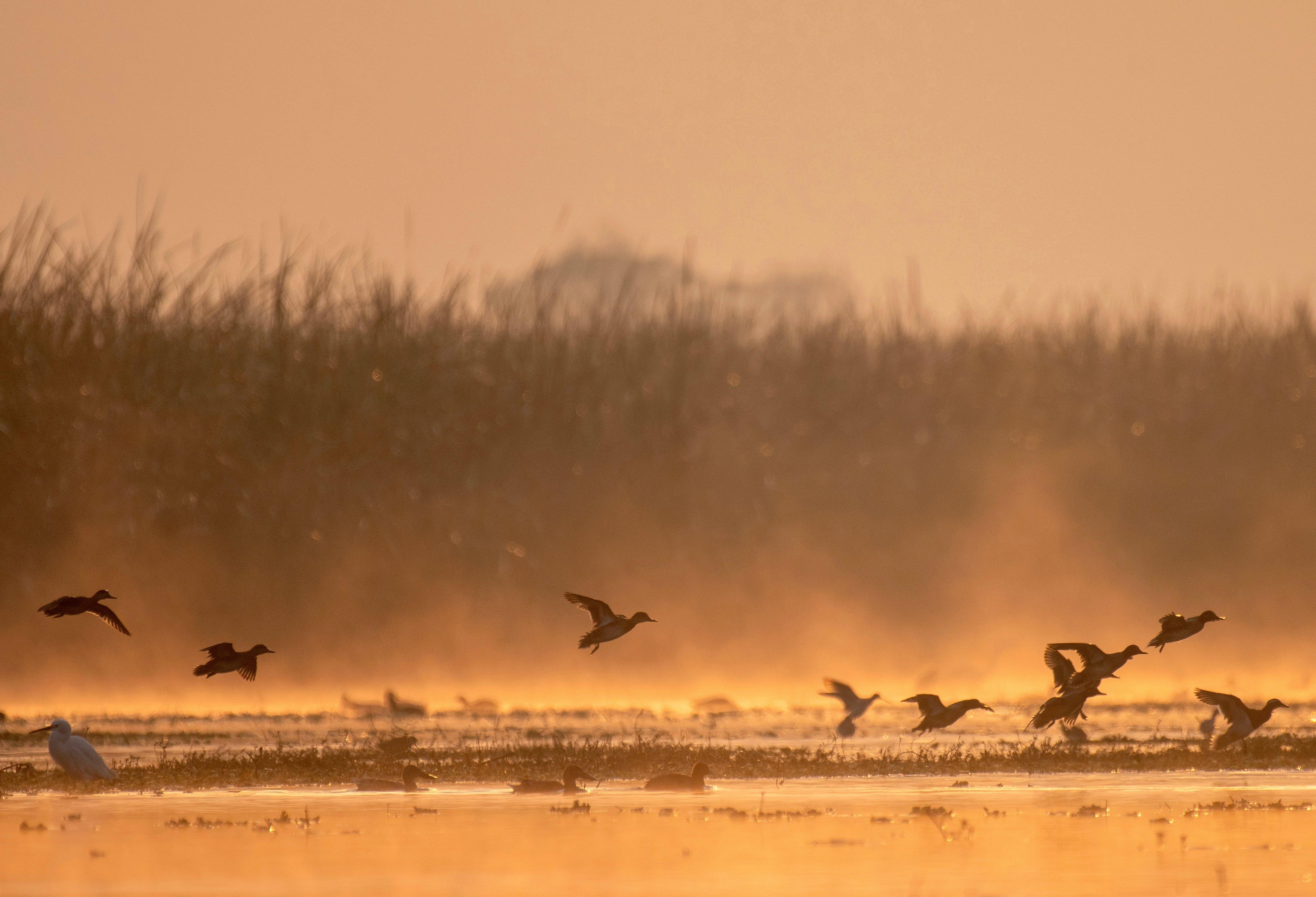
There are more than 28,000 wetland easements covering about 1.5 million acres in the Prairie Pothole Region. Most are in the eastern Dakotas. Photo by tahirsphotography.
Duck hunters and conservation organizations are rallying against the quick review of a federal rule that upholds wetland easements in the Prairie Pothole Region — a seemingly humdrum public-policy move that could potentially set the stage for major losses of waterfowl habitat, production and hunting.
On July 24, the U.S. Fish and Wildlife Service opened a brief public comment period on how it calculates drain tile setbacks near federally protected wetland easements in the PPR. The agency has not proposed changes. It’s essentially asking whether a rule finalized in 2024 — and built on about six decades of policy — is working as intended.
Don’t Miss: Early Duck Estimates Show Promise for 2026 Season
Conservationists caution that the review could pave the way for policies that weaken scientifically formulated buffer zones around those federally protected wetlands, robbing the areas of vital water. The PPR — which stretches through parts of Iowa, Minnesota, the Dakotas, Montana and Canada — produces more than 50% of North America’s waterfowl, and is known as America’s Duck Factory. It has already lost about 80% of its historic wetland acreage.
Conservation groups immediately fought back against the review, mobilizing hunters and conservationists to comment against potential changes. As of Aug. 5, more than 10,000 official comments had been received. Critics also noted the unusually brief 14-day comment period, which closes Aug. 7.
“Let’s be clear on the nuance here: There is no proposal by the Fish and Wildlife Service to change anything,” said John Devney, chief policy officer for Delta Waterfowl. “But duck hunters have invested in this asset. It’s protecting more than a third of the important breeding habitat wetlands in the Prairie Pothole Region. It’s foundational to North American duck populations, and duck hunters need to have a voice in any action or decision that has an impact on these easements.”
In late July, Delta Waterfowl, Ducks Unlimited, California Waterfowl and the South Carolina Waterfowl Association sent a letter to the U.S. Department of the Interior and five Republican lawmakers asking them to uphold the conservation easements.
Don’t Miss: Waterfowl Migrations are Changing. Here’s What That Means for Hunters
“Our members — primarily hunters and anglers — have invested hundreds of millions of dollars in these easements through private philanthropy and duck stamp purchases to conserve prairie wetlands,” the groups wrote. “Any action that facilitates wetland drainage would disregard those investments, leading to fewer wetlands, fewer ducks and the erosion of our hunting heritage.
“We respectfully urge you to maintain the 60 years of precedent and uphold the USFWS’s commitment to protecting publicly funded voluntary conservation easements, critical wildlife habitat, and America’s outdoor traditions.”
Currently, there are more than 28,000 wetland easements covering about 1.5 million acres in the PPR. Most are in the eastern Dakotas. The government purchases the easements via money generated through federal duck stamp sales to ensure that specified wetlands are not drained, filled or otherwise changed. Most of the wetlands are smaller than 1 acre. The easements are perpetual.
Don’t Miss: Flooded Cornfields Controversy Creating Controversy Among Some Waterfowlers
Drain tile complicates the arrangements because pipe placed outside an easement boundary but too close to a wetland can redirect water, drying potholes. A 2024 framework essentially codified longstanding wetland easement policy by establishing site-specific drain tile distance calculations based on soil, depth and hydrology. The rule includes a “safe harbor” for landowners, in which they’re generally immune from legal action even if the wetland is affected, provided they don’t later modify the system. Some landowners and politicians have argued that the buffers amount to uncompensated restrictions on the use of their surrounding property. Proponents, however, maintain that the framework is working.
You can submit comments directly to the USFWS here.