Anti-Hunters Hijack Florida Bear Tag Drawing
Posted 2025-10-10 by
More than 164,000 applications were submitted for 172 tags, hurting hunters' odds of winning one
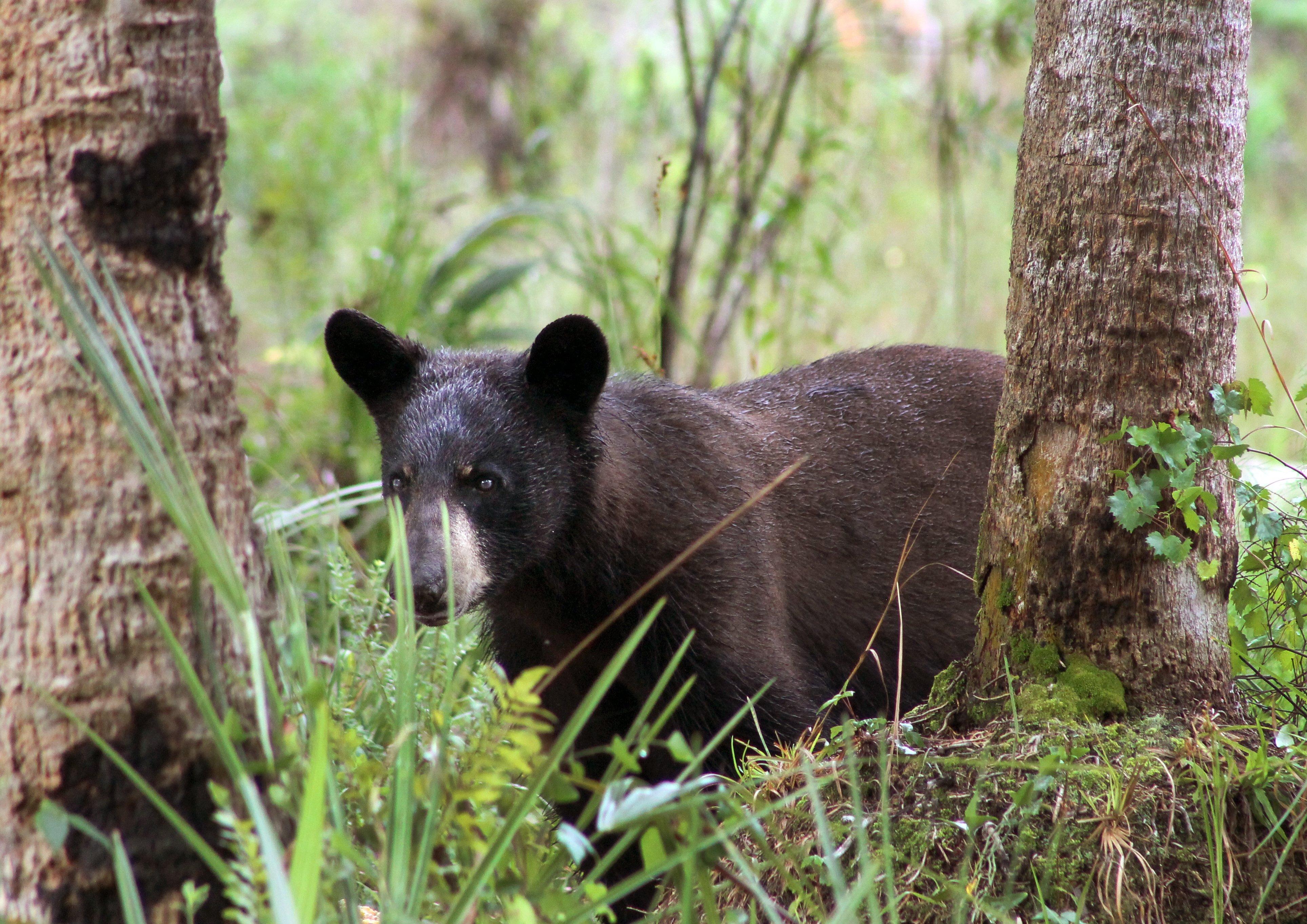
Individual Florida hunters have a slim chance at winning a tag in the bear-hunting lottery for the upcoming season. (Photo by Robin Cabral)
Florida hunters who were hoping to get a chance to hunt the upcoming bear season had a one-in-a-thousand chance of winning a tag in the lottery, which ended September 22 with more than 164,000 applications for the available 172 tags. According to Tallahassee.com, an unknown number of those applications came from anti-hunters who are trying to keep the tags away from actual bear hunters. Lottery rules allowed people to submit an unlimited number of applications at just $5 each.
The December bear hunt will be the first for the state since 1994, when the animal was placed on the threatened species list. But Florida now has an estimated 4,000 black bears. The surge in the bear population has brought with it a number of dangerous encounters with humans.
Since the bear was delisted in 2012, hunters have pressured the Florida Fish and Wildlife Conservation Commission (FWC) to resume the season. In August of 2025, the FWC drew up a plan to award tags for a 21-day hunt for 172 bears in four harvest zones across 31 counties. But anti-hunting groups such as the Sierra Club, Bear Warriors United, and Florida Wildlife Association have protested the efforts.
The Sierra Club launched the Bag a Tag, Spare a Bear campaign encouraging hunters to grab as many permits as possible to keep them out of the hands of hunters.
After the September 22 deadline, one bear advocate posted on Facebook that hunt opponents had spent $185,000 in permit applications, or about 23% of total submissions.
The FWC said it had collected $817,000 from the bear tag $5 application fee.
Residents who win a tag in the lottery must pay $100 to claim it. Non-residents must pay $300.
The FWC will notify permit winners who have until midnight on Oct. 6 to claim the permit. Any unclaimed ones become available to the next person in line.
According to FWC communications director Shannon Knowles, after the December hunt, the agency will evaluate the number of unused permits, and hunter success to determine the number of tags needed for next year's hunt to meet quotas.


?fmt=auto&qlt=default&fmt.webp.qlt=65&fmt.png.qlt=73&fmt.jp2.qlt=35&fmt.jpeg.qlt=60)