Feds Bar Colorado from Importing Gray Wolves from Canada, Alaska
Posted 2025-11-05 by
Wolves brought into the state can only come from one of the lower 48 states
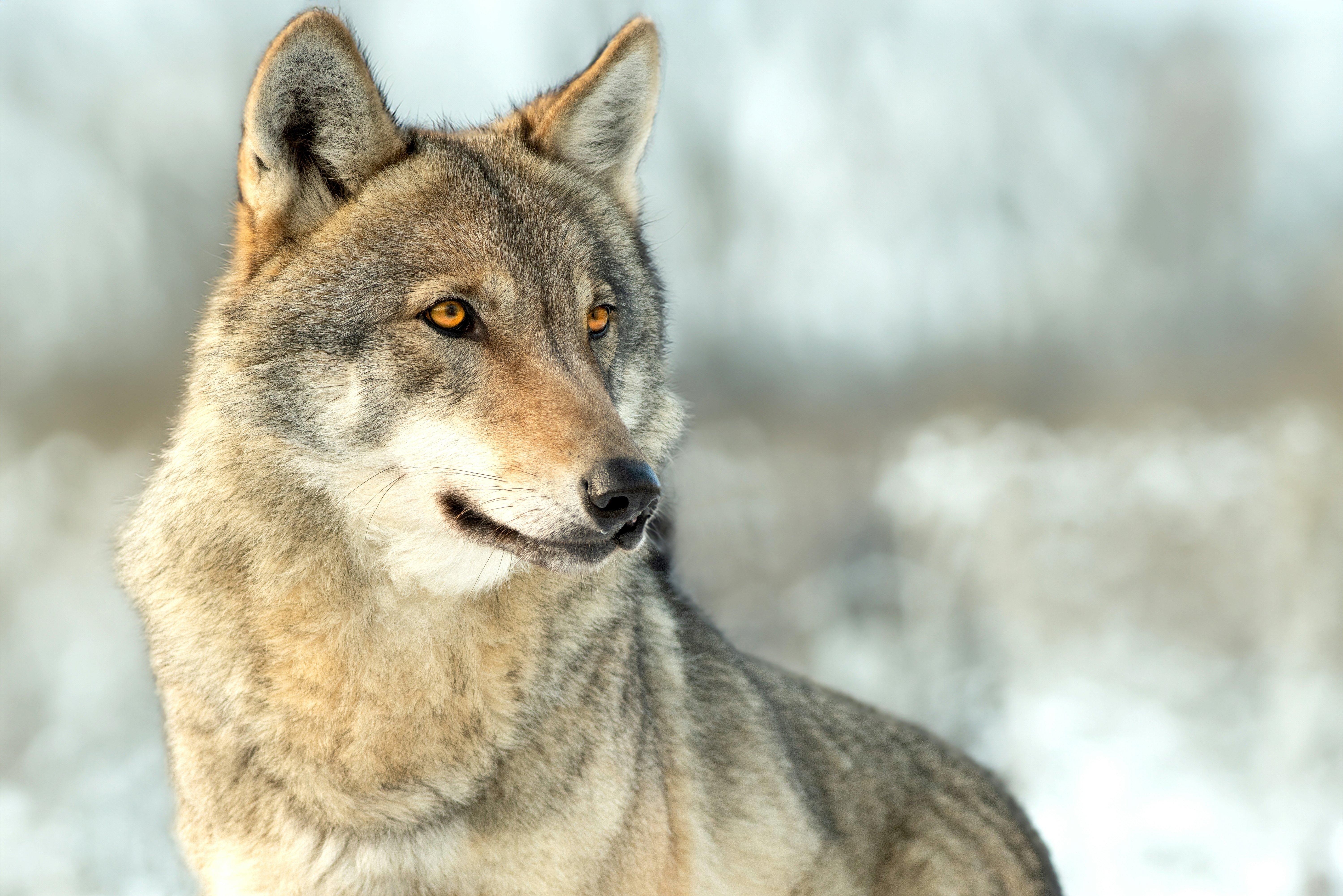
Colorado must source gray wolves from the delisted northern Rocky Mountains population area, according to the U.S. Fish and Wildlife Service. Image by Photomaster.
The U.S. Fish and Wildlife Service has told Colorado Parks and Wildlife that it is no longer allowed to bring in gray wolves from Canada or Alaska.
Gazette.com reported that on Oct. 10, Brian Nesvik, director of USFWS, sent Colorado Gov. Jared Polis and Jeff Davis, director of Colorado Parks and Wildlife, a letter stating that wolves brought into Colorado as part of the wolf reintroduction program must only come from one of the lower 48 states.
Nesvik claimed Colorado is violating the 10(j) rule by bringing in wolves from Canada and Alaska. The 10(j) rule only allows Colorado to obtain wolves from the delisted northern Rocky Mountains population area, which is limited to Idaho, Montana, Wyoming, the eastern third of Oregon, the eastern third of Washington and north-central Utah.
“We have reason to believe that CPW may be seeking to capture, transport and/or release one or more wolves from outside the NRM outlined in the 10(j) rule,” Nesvik wrote. “To the extent that these reports are true, such actions are violative of the 10(j) rule.”
Nesvik’s letter said that Colorado Parks and Wildlife must “immediately cease and desist any and all efforts related to the capture, transport and/or release of gray wolves” not obtained from the NRM region.
Don’t Miss: USDA Dropping Rabies Vaccine Baits Across Parts of Alabama
Colorado Parks and Wildlife issued a statement saying it will “continue to evaluate all options to support this year’s gray wolf releases in alignment with the approved Colorado Wolf Restoration and Management Plan and the 10(j).”
The state agency is currently evaluating the letter from USFWS and said it has a memorandum of understanding and a recently signed contract with the British Columbia Ministry of Water, Land and Resource Stewardship, which is the agency that provided Colorado with 15 wolves in January. Colorado can bring in another 10 to 15 wolves this winter under that contract.
Colorado Parks and Wildlife claimed the memorandum of understanding was based on consultation with USFWS and was signed before the Nesvik letter. Colorado also claimed that the provisions of that law do not apply to gray wolves in Canada because they are not listed under the U.S. Endangered Species Act.
In 2023, Idaho, Montana and Wyoming said they would not allow Colorado to take gray wolves from their states, making it tough for the state to find sources for gray wolves.
Oregon sent wolves to Colorado in December 2023, but those animals had a history of killing livestock, which is an infringement of the state’s wolf management plan, which said CPW would not bring in animals with a history of depredation.
Two of those wolves mated and produced the Copper Creek pack, which is now believed to be responsible for killing numerous livestock in Grand and Pitkin counties in 2024 and 2025.
The Pet and Livestock Protection Act offered by U.S. Rep. Lauren Boebert, R-Wellington, is headed to the House floor on Oct. 3, 2026. Co-sponsored by Colorado Reps. Jeff Hurd of Grand Junction, Jeff Crank of Colorado Springs and Gabe Evans of Fort Lupton, the measure would delist gray wolves.
U.S. Rep. Jared Huffman, D-Ca., the ranking member of the Natural Resources Committee, said passing the measure “would prematurely strip federal protections for the gray wolf across the lower 48 states, ignoring scientific evidence that the species remains vulnerable in many parts of its historic range.”
Huffman pointed to hunts and changes in laws in Wisconsin, Idaho and Montana, and said the act would lead to the slaughter of wolves.
If the act becomes law, the delisting would occur within 60 days of the proposal’s passage, and it would also prohibit judicial review of the rule.