USDA Dropping Rabies Vaccine Baits Across Parts of Alabama
Posted 2025-10-27 by
The bait packets are being dropped across 14 counties by low-flying planes and helicopters
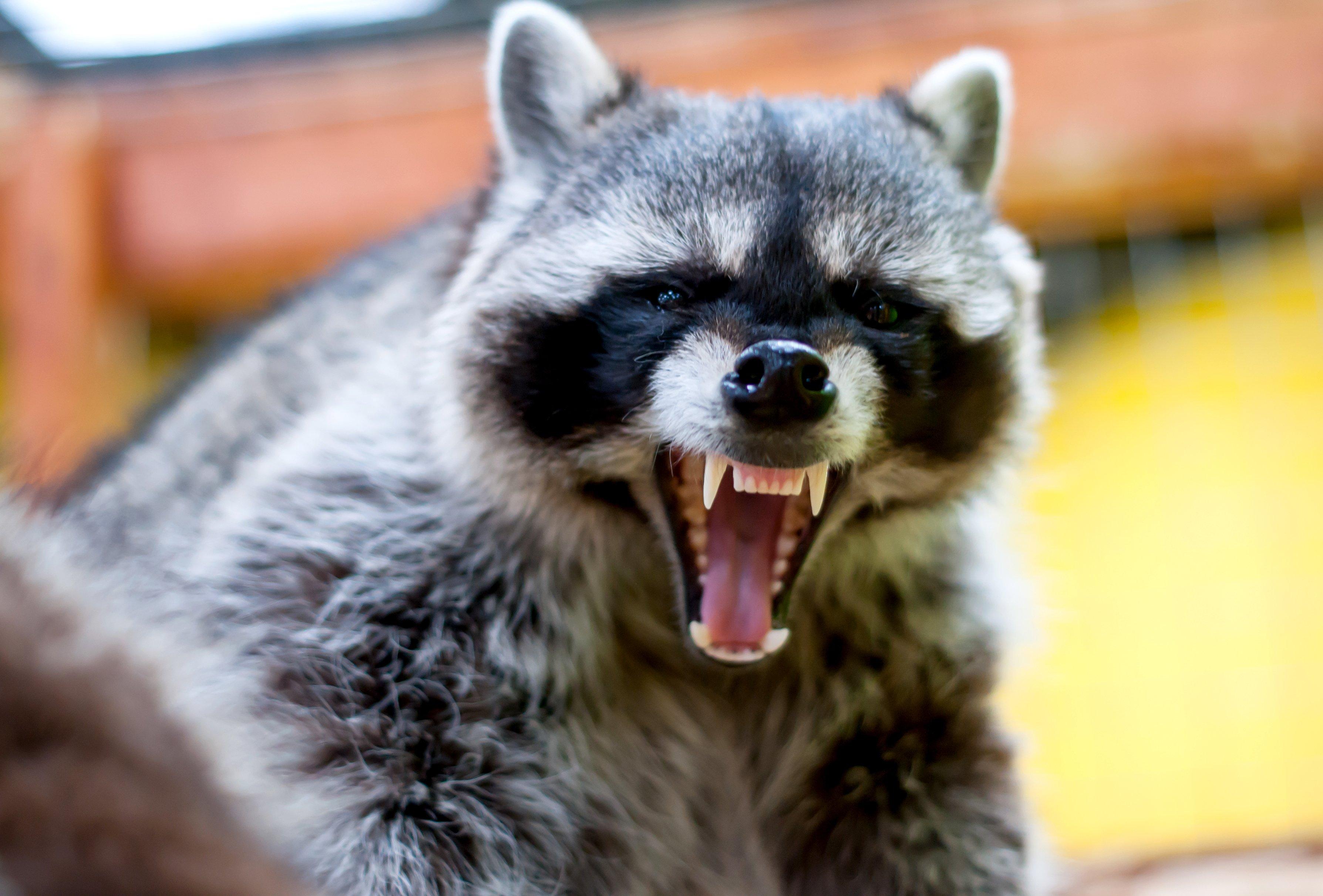
The USDA is dropping oral rabies vaccine baits throughout central and north Alabama to stop the spread of rabies, specifically among raccoons. (Photo by Vital9s)
Low-flying planes and helicopters are dropping bait packets containing an oral rabies vaccine across 14 central and north Alabama counties. The bait pack distribution is an effort to reduce rabies infections in raccoons.
According to Al.com, the USDA Wildlife Services dropped the coated sachet baits with the RABORAL V-RG vaccine over a zone of about 14,000 square kilometers. The plastic packets are coated with an oily, fish-scented substance to attract raccoons and other animals that can carry rabies.
Bait distribution covers parts of Autauga, Blount, Calhoun, Cherokee, Chilton, Coosa, DeKalb, Etowah, Jackson, Jefferson, Marshall, St. Clair, Shelby, and Talladega counties.
Don’t Miss: Hunters Receive Up To $100 for Trying Lead-Free Ammo
In addition, more than 30,000 of the oral rabies vaccine baits were distributed from ground vehicles in the Birmingham metro area.
The bait packets distributed in the metro area are square blocks made of fishmeal and fish oil. When raccoons bite into the packets, their gums are exposed to the vaccine.
The oral vaccine packets pose no risk of rabies to humans or animals if exposed.
People are asked to leave packets for wildlife, but if they do handle a packet, they are advised to wear gloves and place it in an area where a raccoon may find it, or they can dispose of it in the trash.
Because a skin rash can occur, avoid direct contact with the skin, eyes or mucous membranes with the vaccine.
If exposure occurs, wash hands with warm water and soap. For more serious reactions, call the telephone number on the vaccine packet to speak to the office of State Public Health Veterinarian Dr. Dee W. Jones for more information.
“I understand the concern from citizens and owners when an ORV packet is found in an unintended place or when there is an unintended exposure, but I am hopeful that people keep the big picture in mind, and that is actually reducing the risk of rabies exposures in Alabama by vaccinating raccoons,” Jones said in a news release.
“The vaccine packets have been proven to be very safe by historical data collected from incidental exposures. I believe the ORV program benefits public health, animal welfare and wildlife.”
Call the USDA at 1-866-487-3297 for more information. For more information about rabies exposures or animal or human exposures to the oral rabies vaccines, please call the Alabama Department of Public Health at 1-800-338-8374.