All About Baitfish
Posted 2025-10-20 by
Finding the bait often means finding the fish. Here’s the skinny on the country’s top forage species
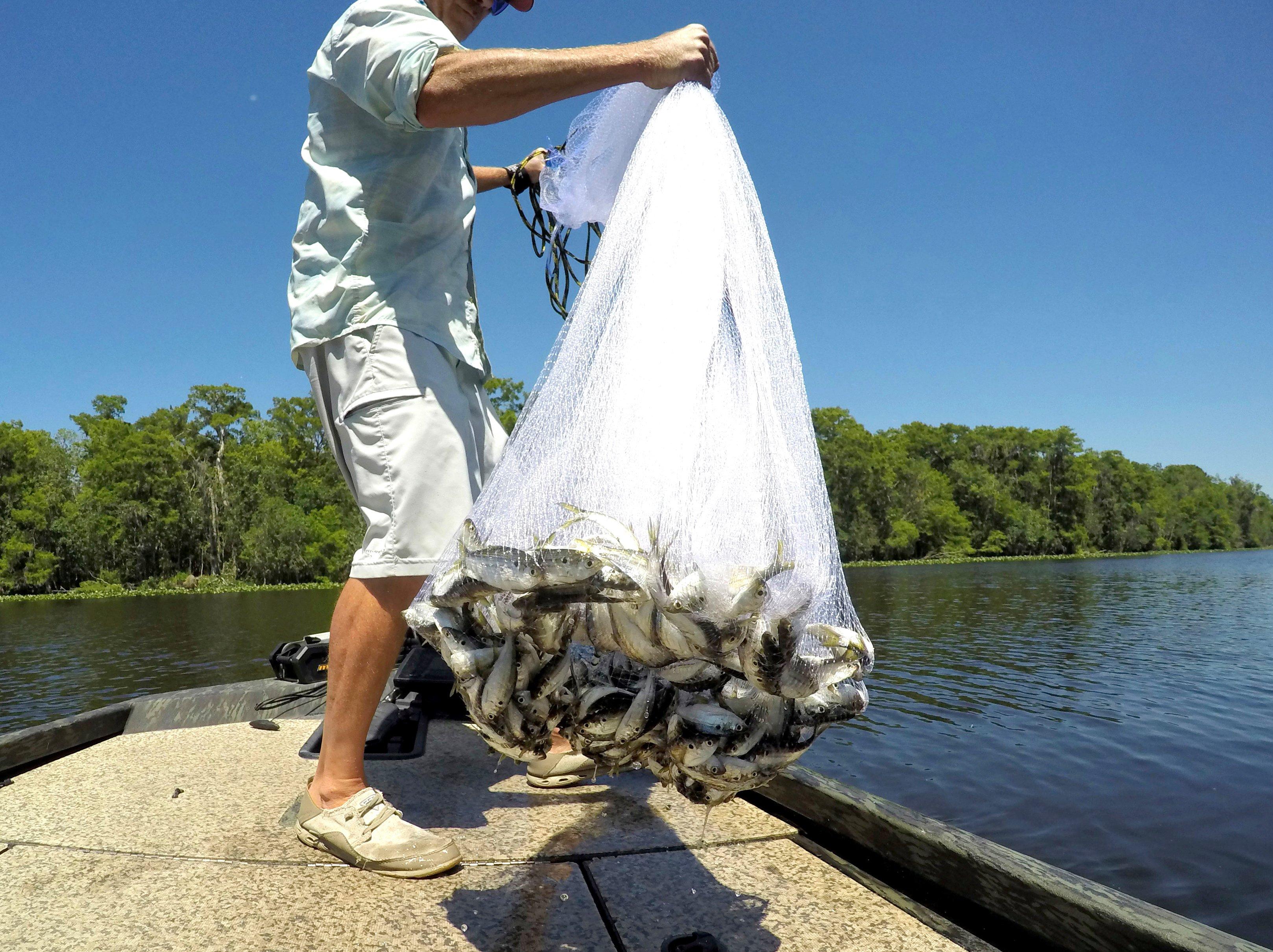
Finding baitfish is usually the first step in locating gamefish. (Photo by Joe Balog)
It’s easy to credit baitfish for a flurry of action when gamefish are actively feeding. What’s better than seeing a bass bust on top seconds before firing a topwater in its direction? The anticipation can’t be beat.
In fact, baitfish frequently play a role in our success even when we don’t see tangible proof. The fish that feed bass, walleyes, stripers, and salmon often determine the whereabouts of those fish. To find our favorite gamefish, it’s best to know all we can about the baitfish swimming in our lakes.
SHAD
Our overview starts with the most recognizable group of baitfish. Gizzard and threadfin shad make up the forage base of thousands of waterways across the continent. The home range of threadfin shad includes central and southern waters only, as their cold tolerance is less than gizzard shad. Gizzards, though, exist as far north as Quebec.
Gizzard shad grow more rapidly than threadfins, often reaching beyond forage size quickly. Gizzards will grow to 3 pounds, but threadfins rarely eclipse 8 inches. Both start as open-water plankton eaters, but when mature, gizzard shad often inhabit shallow areas, where they feed on the bottom. A gizzard-like digestive system helps them digest numerous invertebrates, insects and plants.
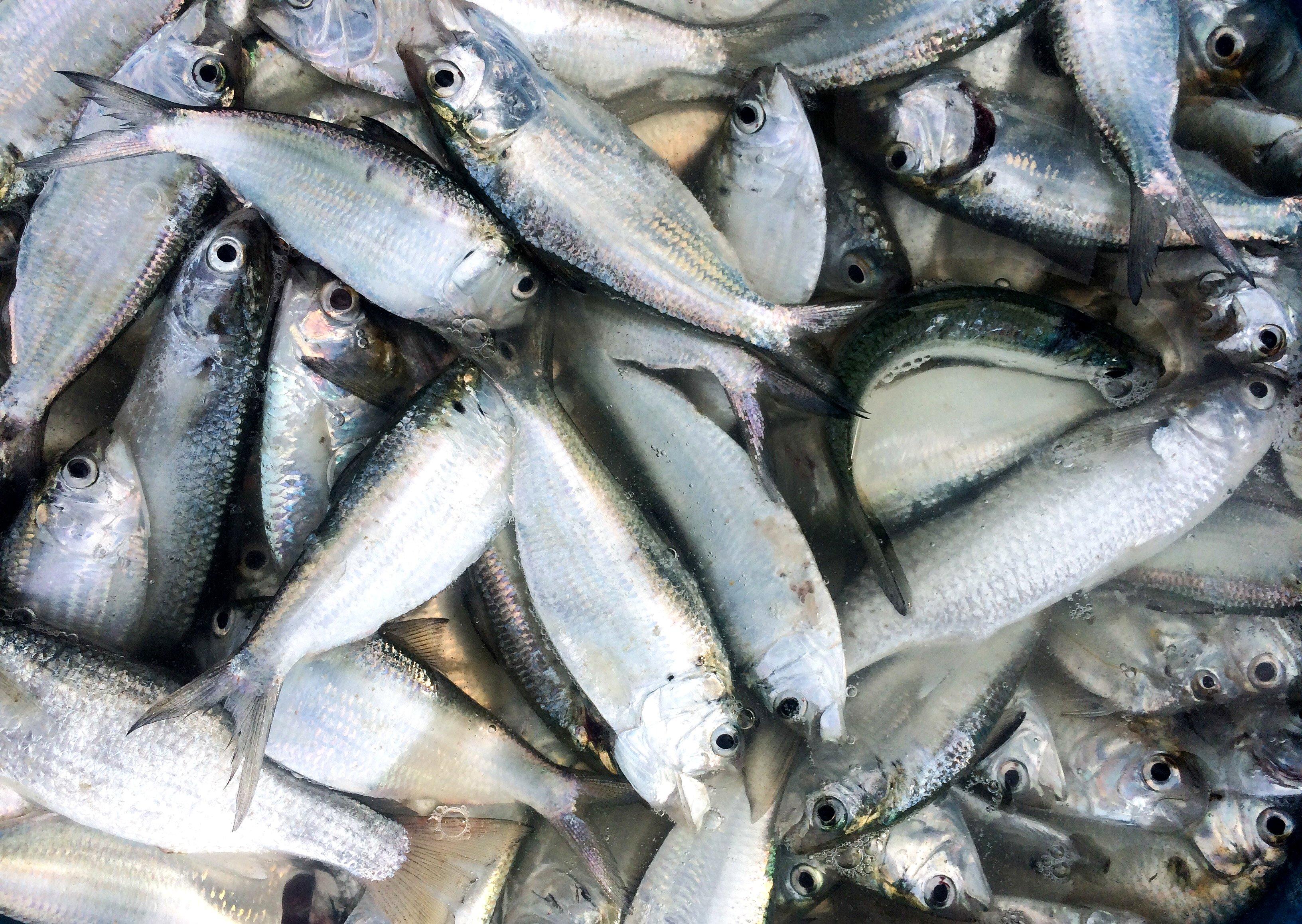
Gizzard shad grow more rapidly and often inhabit more shallow water than threadfin shad. (Photo by Madeza)
Another major difference: Gizzard shad have swim bladders, but threadfin shad do not. This requires threadfins to constantly stay in motion. Otherwise, they’ll sink.
Both species feed gamefish, though you’ll do best concentrating on threadfin shad, as they are most readily available. Wind and current push plankton — the shad’s food source — to predictable areas. Early morning and late evening find shad most active when waters are warm. In cold water, afternoons increase activity.
In waterways with lots of shad, key on major main-lake structures near deep-water basins: bridges, dams, long primary points. In fall, move back into major creeks. Find threadfin shad and you’ll find your quarry.
CISCO
An oily, protein-rich fish that once fed the Great Lakes, cisco populations have taken a hit in recent times. Ciscoes belong to the same family as trout and salmon, despite having no resemblance, and were once termed “lake herring,” though they’re not a herring.
Don’t Miss: How to Effectively Fish Boat Marinas
In any case, ciscoes are long and slender, generally around 10 inches in length, and were voraciously chomped by every Northern predator fish for generations. Finding ciscoes was always the best way to find salmon and lake trout.
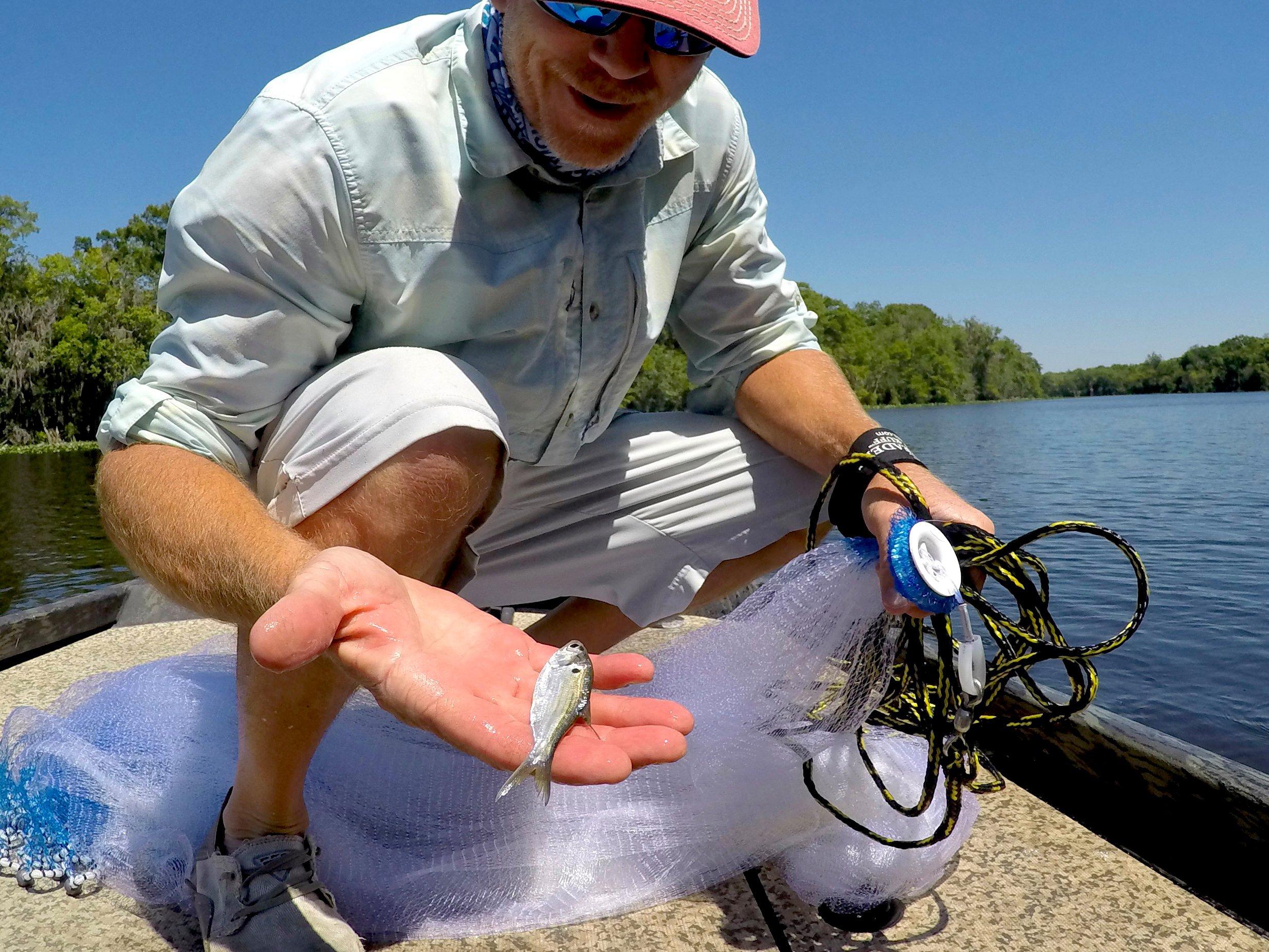
Although both gizzard and threadfin shad feed gamefish, threadfin are the most readily available. (Photo by Joe Balog)
They’re a true open-water baitfish, sometimes inhabiting depths deeper than 500 feet. Remarkably, ciscoes spawn in winter in very shallow water (sometimes as little as 3 feet) after moving into near-shore zones in mass. This presents an opportunity to take big predator fish that could otherwise never be reached from the beach. Salmon migrating into harbor areas in late fall are often chasing ciscoes and become suckers for a flashy spoon.
Cisco populations were beaten down by invasive species (see: alewife), but are being reintroduced and making a marginal comeback in certain locales. If you find them, fish by them.
ALEWIFE
The invasive alewife has been around long enough now that it seems like a native species to many Northerners, introduced in the late 1800s, likely through the Erie Canal. By the 1950s, alewives had spread to all of the Great Lakes and were a threat to the commercial and sportfish industry. In response, Pacific salmon were introduced to take care of the booming population. The rest, of course, is history, as those salmon have created a magnificent fishery of their own.
Alewives are anadromous by nature, meaning they run up rivers to spawn (freshwater) and spend their adult lives in open water (usually saltwater). Great Lakes’ populations have adapted to use the big lakes as the ocean component of their lifecycle.
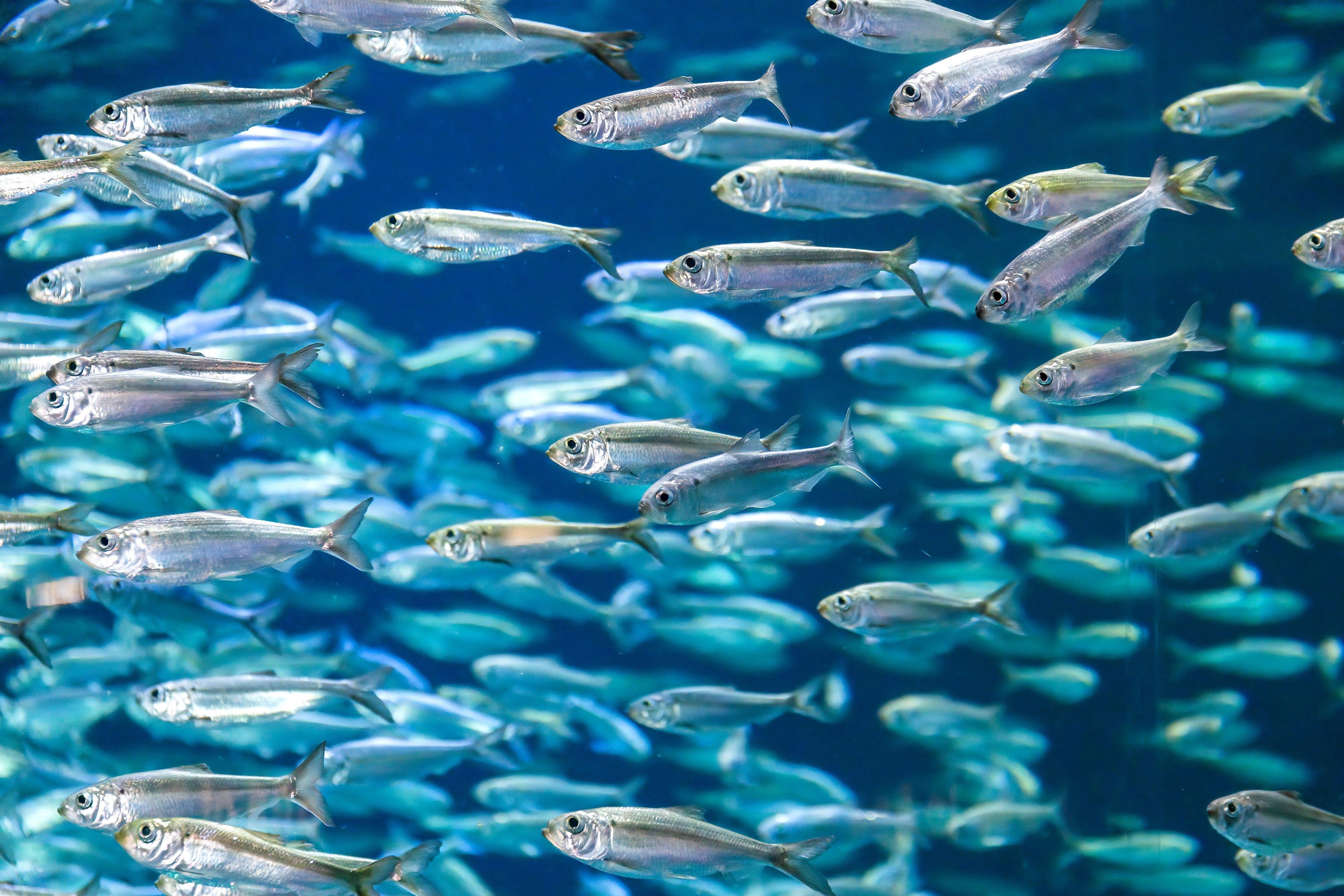
Alewives run up rivers to spawn and spend most of their lives in open water. (Photo by MagicBones)
Spawning occurs in spring, when adults migrate to tributaries as water temperatures crest to 50 degrees. Juveniles will spend their first summer in these streams as adults migrate out. Many adults will die, or almost die, creating a feeding opportunity for predator fish at tributary mouths.
After spending a summer far offshore, again filter-feeding on plankton, alewives often begin an autumnal migration to near-shore areas, specifically river mouths, where they catch the attention of walleyes, salmon and smallmouth bass. Winter often brings another major die-off (alewife organs aren’t really built for freshwater, so stressful periods show it), and predator fish take note.
Alewives are shiny and reflective like other baitfish, but have a noticeable whitish hue. Match that glow in your spinner blades and plastics.
BLUEBACK HERRING
Blueback herring are much like alewives. In fact, both are termed “river herring.” Bluebacks, however, have recently made headlines as they continue to influence major inland bass fisheries of the Southeast. Places such as Lake Murray, Hartwell and Lanier today have booming bass populations thanks to the introduction of bluebacks.
Also an anadromous fish, land-locked blueback herring typically spawn on major main-lake points in very shallow water. They prefer a hard bottom, and spawning activity will last throughout the day rather than occurring at dawn and dusk, as with shad. Bluebacks spend most of their adult lives offshore, schooled up and roaming.
Lakes with robust blueback populations are known for Jekyll and Hyde fishing. When things are good, they’re great, as bass and stripers corral the baitfish and blast them into oblivion. The best places to look include points near deep water and creek channels in coves. Topwater lures always steal the show. Follow-ups with fluke rigs catch a bunch, too.
Most of the time, however, gamefish are on a mission to relentlessly follow bluebacks and totally ignore our presentations. All you can do then, really, is wait it out.
On a blueback lake, the best way to ensure that you’re fishing in the moment is to fish fast; as fast as you dare. Predator fish accustomed to feeding on bluebacks prefer speedy retrieves and feeding up.
SHINERS
In Minnesota, a bucket full of shiners will cost you $6. In Florida, a dozen will cost you $30. What gives?
There are lots of variations of shiners out there, from Great Lakes emeralds to Florida’s famous goldens. They vary in size, classification, habitat and diet. The only similarity is in their name.
Small “crappie minnows” include a variety of silversides, emeralds, spottails and fatheads. All are types of shiners. They come small, die easy and attract everything that swims.
You’ll find shiners around shallow cover in spring and summer. Large floating boat docks often attract them, as do transition areas in weed beds. Unlike other open-water species, shiners like to hold around objects, for hiding and feeding. You’ll find them more often around vegetation than brush.
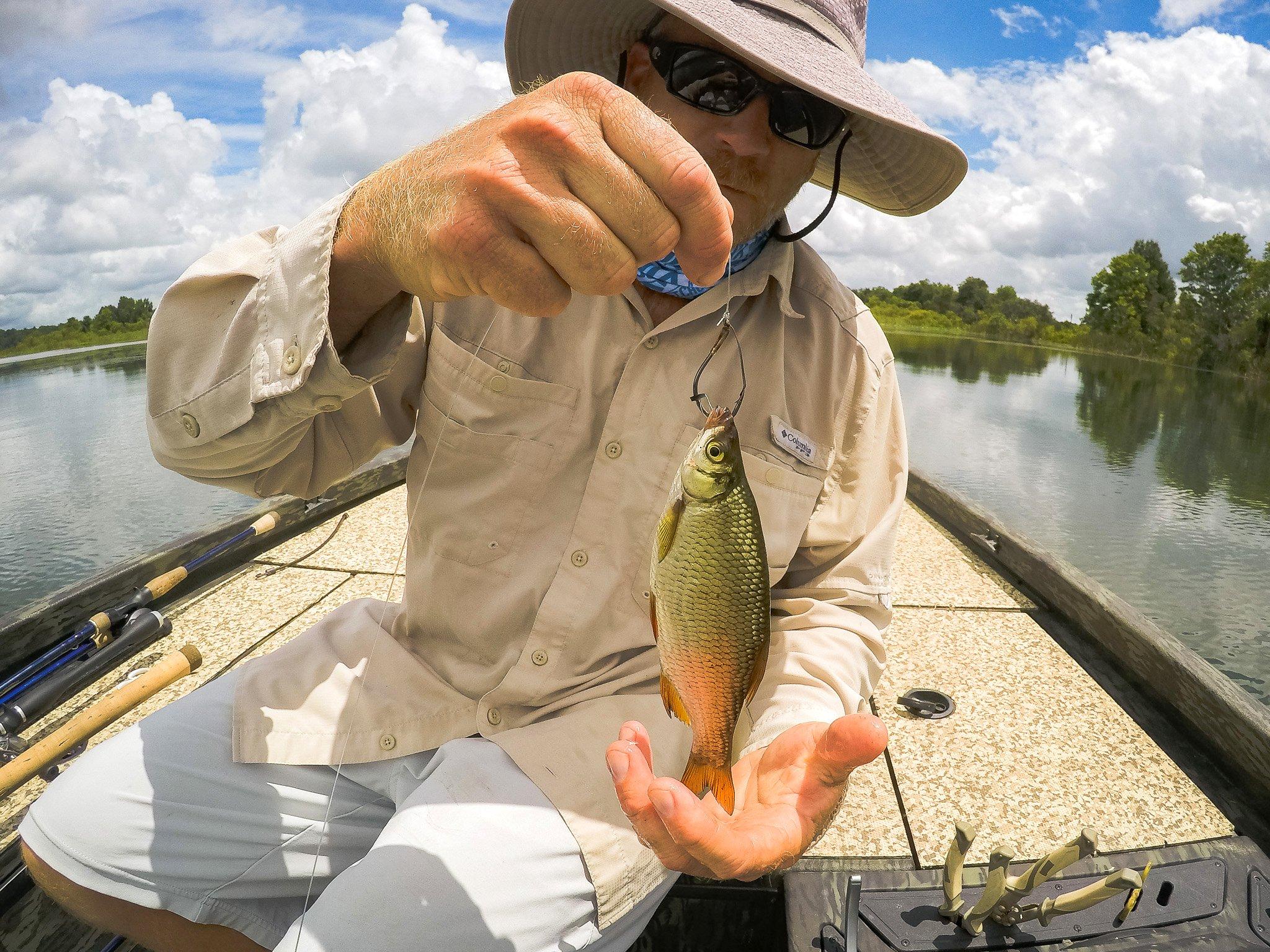
A golden shiner’s large size makes it the perfect bait for giant largemouth or muskies. (Photo by Joe Balog)
In fall and winter, these species migrate into basin areas, including large deep-water harbors. This makes for a great crappie and perch bite, but also attracts bass and even salmon.
Golden shiners, available across the continent but renowned as a trophy bait in the Southeast, grow to the largest proportions. Goldens can reach 16 inches long and weigh nearly 2 pounds, making them baits exclusively for giant largemouth or muskies.
Don’t Miss: The 5 Best States for Bass Fishing
Golden shiners are omnivores but feed most on soft plant species. They are particularly attracted to eelgrass, hydrilla and occasionally lily pads, where they dine on algae growing among the plants. You’ll often see golden shiners finning on the surface at daylight, giving away their location. Fish there.
In the North, Goldens seem to migrate shallow under ice cover, often into soft-bottom areas and harbors. For tip-up fishermen in the know, the presence of goldens creates an ice-fishing bonanza for pike.
GOBIES
Round gobies came to the United States via the ballast waters of ships entering the St. Clair River around 1990. Almost immediately, they began expanding throughout the Great Lakes. Within 20 years, gobies become the primary forage fish for big-water smallmouth bass, and heavily influenced the feeding characteristics of nearly all predators.
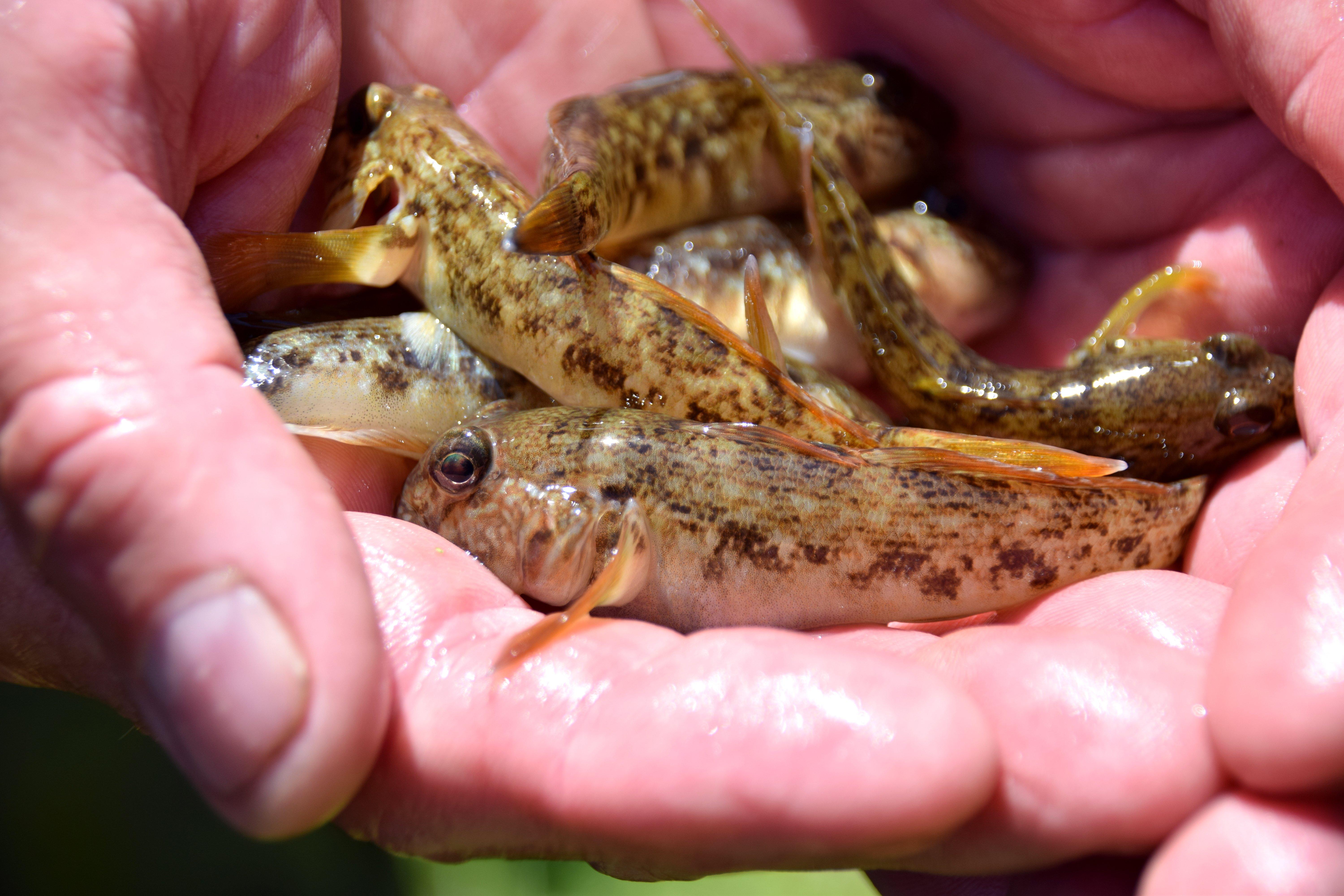
Gobies, which can be found throughout the Great Lakes, are the primary forage fish for big-water smallmouth. (Photo by Petratrollgrafik)
Gobies lack a swim bladder, living their life pinned to the bottom, where they rest on their hand-like pectoral fins. When disturbed, they dart away a foot at a time, quickly settling back to the bottom. Be sure to mimic that darting movement with your tube jigs and grubs.
Gobies live just about anywhere there are hard objects, including rocks, seawalls, riprap and pilings. Open, sandy areas have no goby appeal. Chances are, if you’re targeting a fish feeding on the bottom in a lake with round gobies, your targeted fish is eating them.
Gobies reproduce very quickly and often affect the reproduction of gamefish, as they eat the eggs of bass, walleyes and more. The massive presence of gobies across the North has created record-sized bass, walleyes and yellow perch. The long-term impact of the foreign invader, however, is still yet to be seen. For now, fish with goby look-alikes, and enjoy the ride.