Nebraska
280,000
Est. Whitetail Population
130,000
No. Licenses Sold Annually
$62 and up
A habitat stamp is $25. Deer permits are $37, but different permits are required for different units.
Resident hunting license and deer permit
$360 and up
A habitat stamp is $25. Deer permits are $335, but different permits are required for different units
Non-resident hunting license and deer permit
199 2/8"
Taken by Vernon A. Virka in Saunders County in 1983 and ranks 25th all-time.
Record B&C Typical Stat
240
Total B&C Typical Entries
284"
Taken by Wesley A. O’Brien in Richardson County in 2009 and ranks 16th all-time.
Record B&C Non-Typical Stat
157
Record B&C Non-Typical Entries
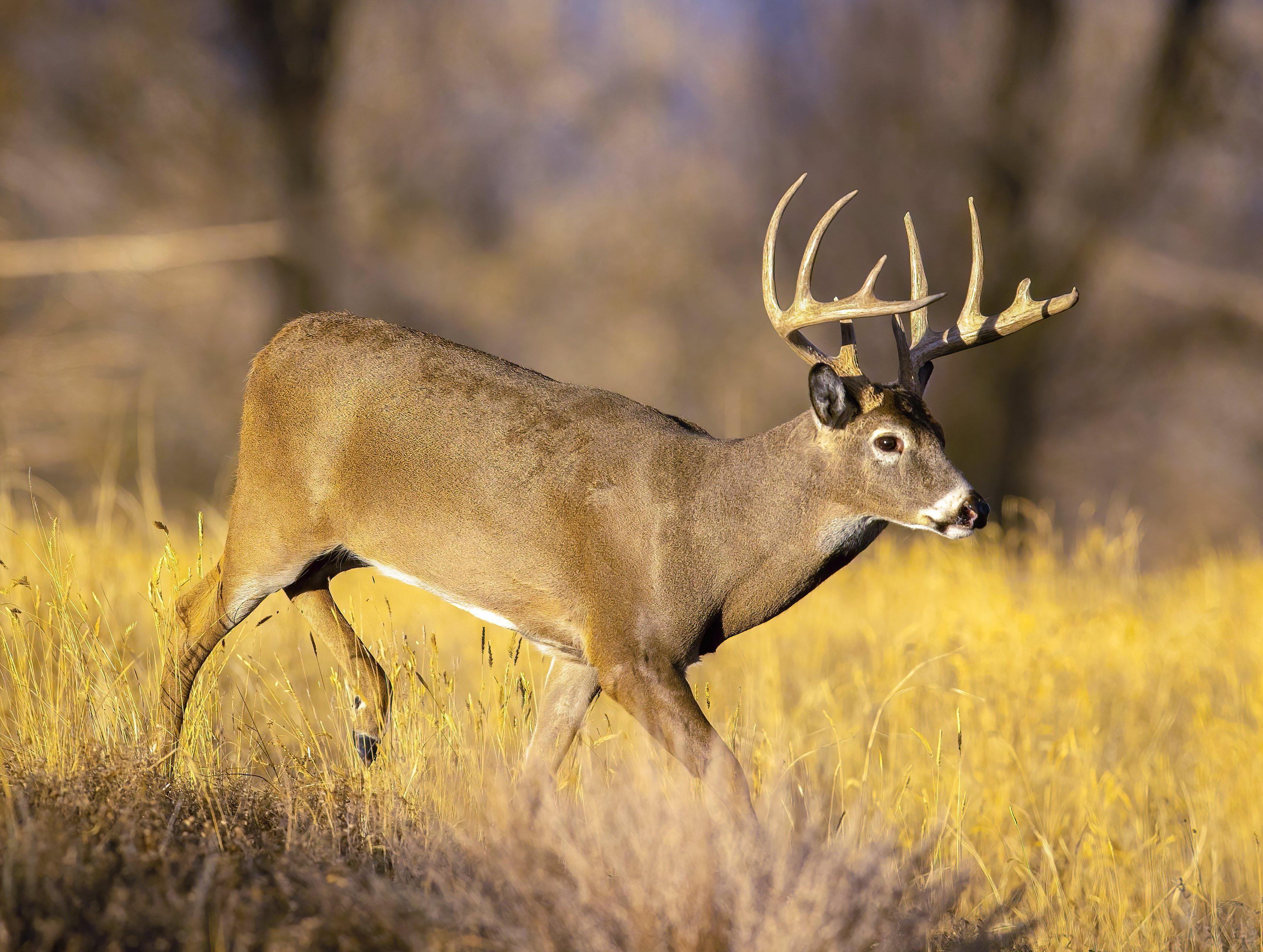
Check out the latest deer-hunting info for Nebraska. Image by Thomas Torget
Season Dates (2025):
Bow season runs Sept. 1 to Dec. 31. Gun season is Nov. 15-23. Muzzleloader season runs Dec. 1 through 31. Additional antlerless seasons apply in certain areas. These are the dates set when published. Check the Nebraska Game and Parks WEBSITE to confirm.
The Grade: B
The Cornhusker State is great for whitetails. Deer numbers are down from historical highs due to disease mortality and harsh winter and spring conditions a few years ago, though the herd is rebounding. Harvest was down 2% in 2024 compared to 2023. The higher densities are in the southeastern part of the state and along major river corridors. Some of the bucks in the state get old and reach monster status, but most bucks are harvested by the time they are 3 1/2 years old and just beginning to show their potential.
The Nebraska Game and Parks Commission manages the state’s deer herd carefully, putting a quota on non-resident deer tags in recent years and adjusting the quotas of all deer tags as needed. Quotas and bag limits were slightly adjusted for 2025, so check the regulation book. The River Antlerless boundary was reduced, and so was the permit quota for that unit/hunt.
Although a firearms season during the middle of the rut is advantageous for hunters, it generally means a higher buck harvest, as more bucks are moving in the daylight. The net is that more younger bucks get hammered than ideal, which works lower buck age structure to an extent. Firearms tags aren’t easy to obtain, and prices are high. Third, compared with other states, public land is limited. All said, it retains a B grade for 2025.
Antler Nation Knowledge:
Less than 3% of Nebraska is public, but some of the public areas are really good. The Nebraska Game and Parks Commission works with Pheasants Forever, the Nebraska Environmental Trust, the U.S. Department of Agriculture, natural resource districts, and others to increase public access. It also established the Open Fields and Waters Program to open an additional 346,000 acres of private land to hunting. The Passing Along the Heritage Program offers limited opportunities, too. And of course, wildlife management areas, some state parks and state recreation areas, waterfowl production areas, Platte River recreation access, and other smaller programs increase access, too. To view these, Nebraska’s PUBLIC ACCESS ATLAS is a valuable tool for hunters.
Drilling down on specific locations, eastern Nebraska is the most consistent region for trophy production, likely because it has the most suitable habitat. Cass, Cedar, Dodge, Douglas, Gage, Jefferson, Johnson, Lancaster, Nemaha, Otoe, Pawnee, Richardson, Sarpy, Saunders, and Washington counties are among those. A few western and central counties hold their own, too, including Holt, Furnas, Keya Paha, and Lincoln. Counties aside, river corridors generally have the best genetics, habitat, nutrition, deer densities, and the biggest bucks.