3 Close-Range Tactics for Rutting Bucks in Thick Cover
Posted 2025-11-17 by
There’s a direct correlation between heavy cover and mature buck movement. Here’s how to take advantage
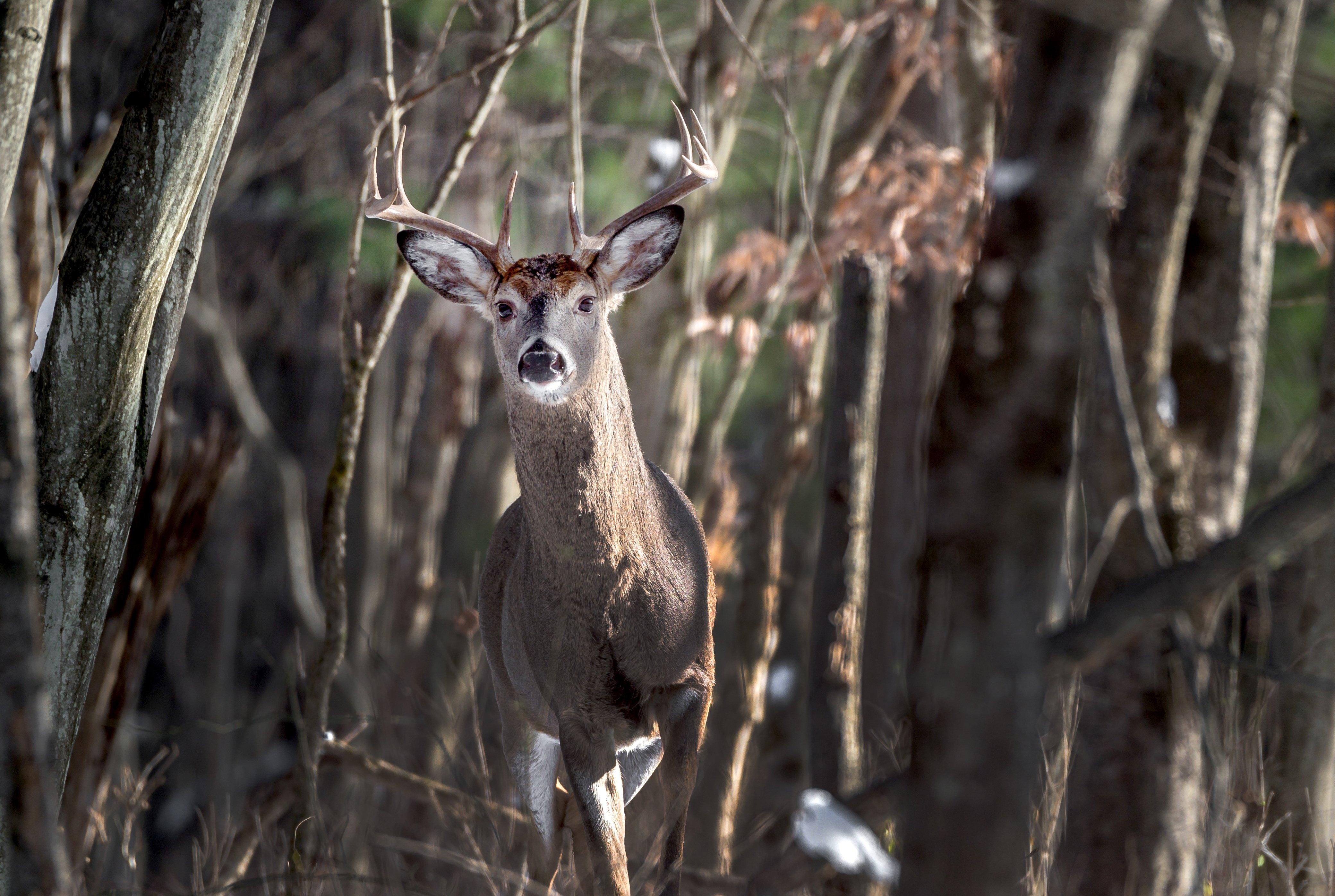
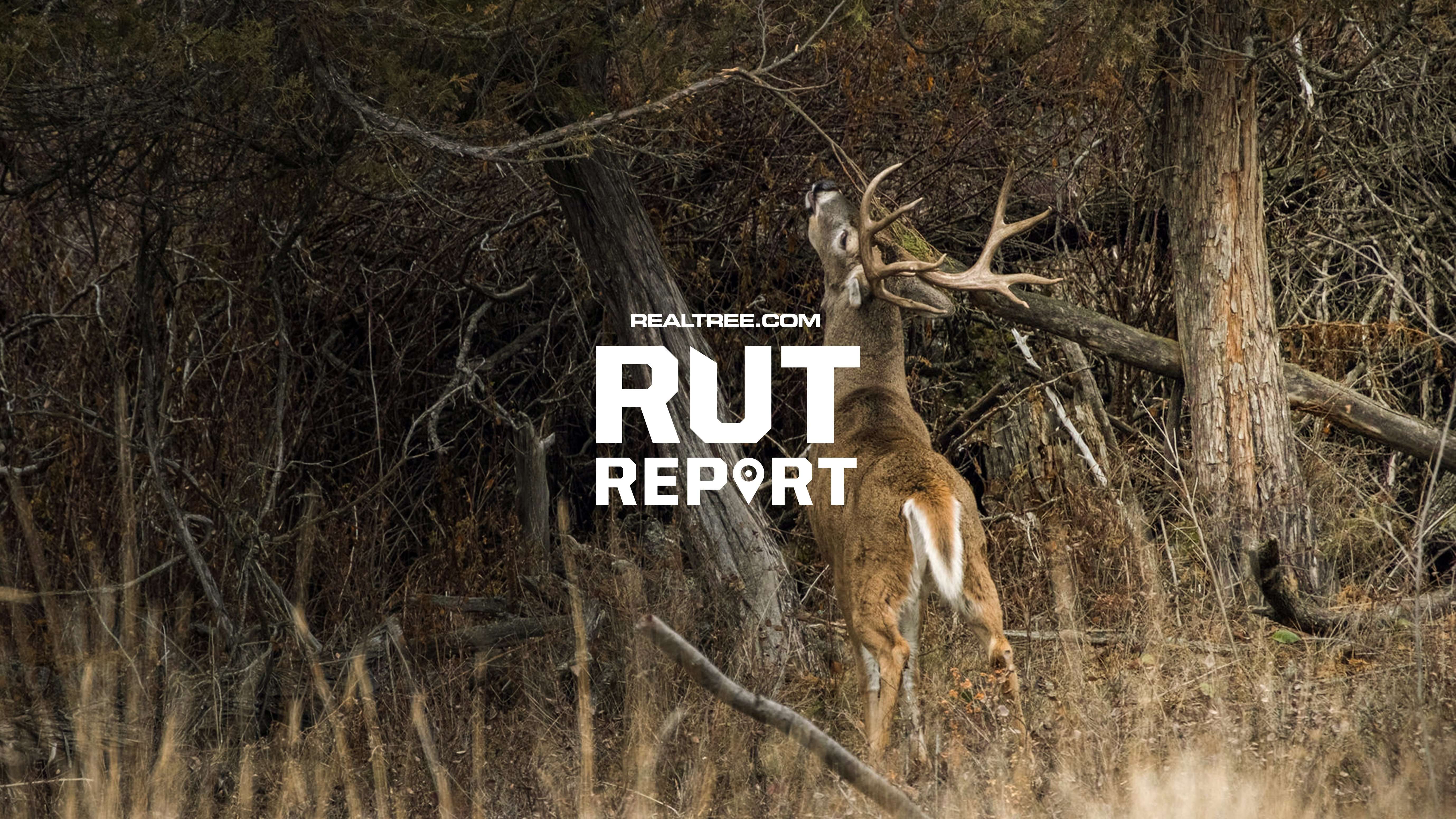
Pinpoint the secluded, heavy cover on your land, and study the predominant November winds in the area. Sneak in and hang a stand on the perimeter of a sanctuary. Photo by Tim Malek.
Charlie Sunrum hunted a public tract in Kansas for a week. For the first five days, the temperature was in the 80s, and deer movement was predictably slow. But the night of Nov. 16, storms and a cold front crashed through the area. The mercury plummeted into the 30s, and a northwest wind shook the leaves off the trees.
At 8:15 a.m. the next day, a buck stepped out of a cedar patch, thick as a dog’s hair, that Charlie had been watching all week. The rack shone in the sun, and Charlie gasped at the huge brows and tines. The buck prowled from the cedars, nose down and sniffing, to within 15 yards of Charlie’s stand. His arrow was true, and the deer didn’t run far.
Don’t Miss: An Ohio Mega Buck on 18 Acres
The 6-½-year-old animal dressed out at just less than 200 pounds; on the light side for a mature Kansas buck. But there was nothing light about the rack, which grossed 238-6/8 and netted 229.
Two major takeaways from Charlie’s hunt. One, the day after a cold front whips through an area where it has been warm in mid-November is a good time to hunt. You’ll have to deal with some wind on the backside of the front, but some bucks will move hard as they leave one doe after breeding her and troll for the next one.
More to the point, Charlie’s patience in watching that cedar thicket six consecutive mornings paid off in a big way. There is a direct correlation between heavy cover and mature buck movement, and researchers have confirmed it.
LOCATE A SANCTUARY
For several years, wildlife consultant Bryan Kinkel and his team of researchers managed the land and monitored hunting on multiple properties in Tennessee. Their records reveal that 95% of the 3.5-year-old and older bucks that were harvested on those properties were killed within 100 yards of known sanctuaries, such as thick pines, overgrown fields, regenerating clear-cuts and cedar thickets similar to the one where Charlie killed his 229-inch Kansas monster. Let me say that again — 95%. The takeaway is to pinpoint the secluded, heavy cover on your land, and study the predominant November winds in the area; typically northwest. Sneak in and quietly hang a tree stand on the perimeter of a sanctuary where the wind blows out and away from the cover. Watch for a shooter prowling out at dawn, but don’t get down until noon. Or sit all day if the wind is right and if you can hack it. A buck might move out of the thick cover any time of day in search of a sweet-smelling doe.
Don’t Miss: How to Boost Your Whitetail Scent Game
HUNT A SOFT EDGE
Kinkel’s research also shows that mature bucks like to prowl and blaze sign in and around two habitat breaks. One is a soft edge, or a change in the type or age of timber. Think of a spot on your land where pines or cedars abut hardwoods, or where second-growth oaks layer into mature trees. Also, brushy, overgrown skid trails and logging trails are major travel corridors for rutting bucks. If bucks are using a soft edge or old roadbed, you’ll know it by finding a flurry of fresh rubs and scrapes there. Hang a stand on the downwind side of the edge or road, and try to cut off a bruiser as he comes or goes.
WATCH COVER DRAINAGES
Dr. Mickey Hellickson has conducted extensive trail camera surveys on Iowa properties for decades. He has told me many times, “My data clearly show one spot where older-age bucks move in the rut: The intersection of two or more drainages back in the woods and near thick cover.” Here’s a good way to capitalize. Scout for a buck junction like that — maybe where two shallow draws or ditches come together in the timber, and go 17 feet up a tree on the downwind side of it.
Check Out Our Latest Camo Pattern: Realtree APX
I’ll end by saying that hanging and hunting a stand on any of these terrains — timber edge, skid road or drainage — is double dynamite this week because you are not just hunting one or two bucks that are known to hang in the area. In the middle stages of the rut, you’re set up on a travel corridor that any number of interloper bucks might use as they prowl widely for a last doe to breed. Morning hunts in these habitats are best, but hang tough on post through midmorning, because you never know when a shooter will show.