Midwest Rut Report: The Rut’s Finished, Bucks Back on Food Sources
Posted 2025-12-02 by
Other than the occasional yearling doe popping into heat, we’re unlikely to see any serious rutting activity in the Midwest until October 2026
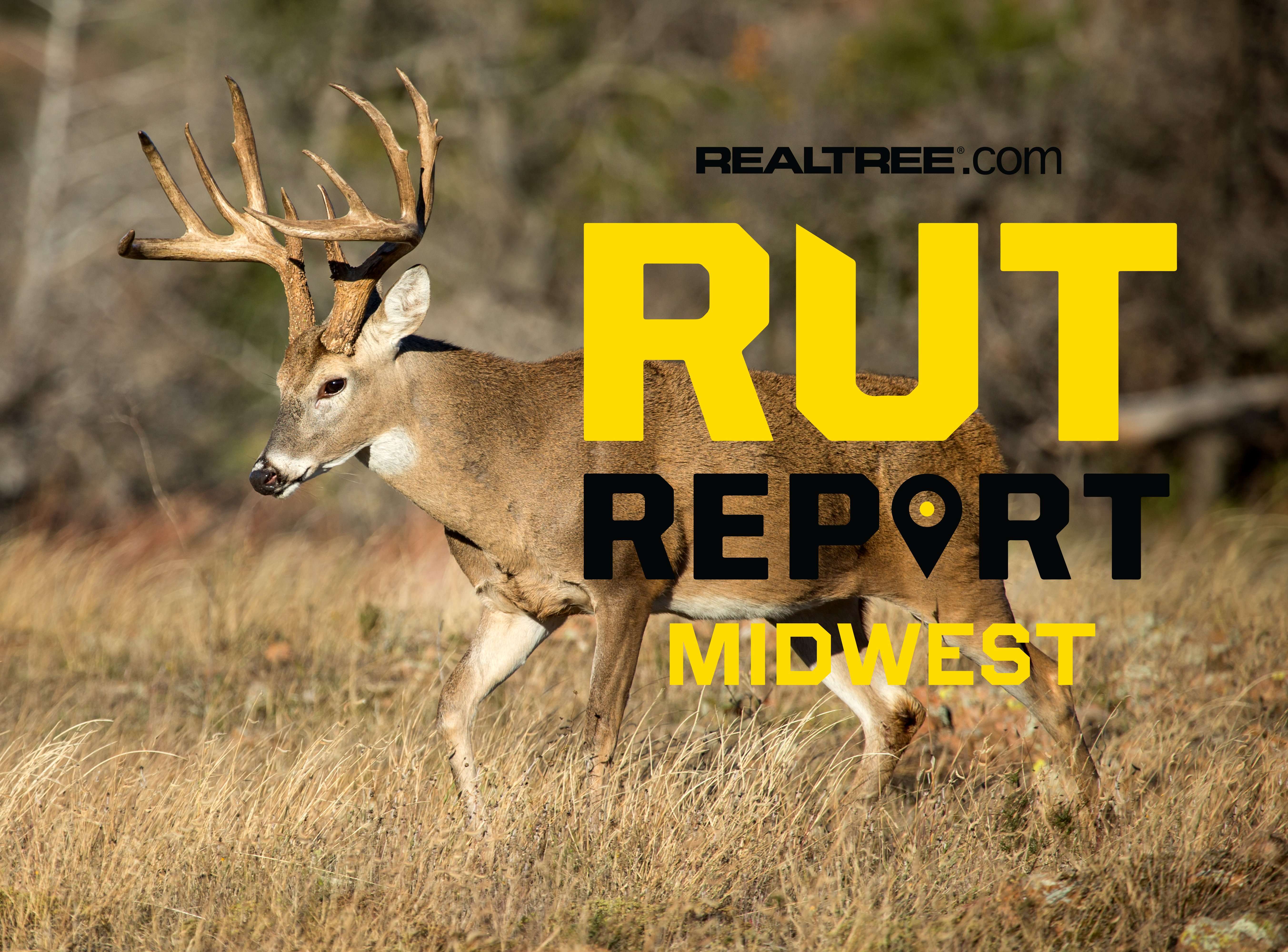
Love it or hate it, winter appears to be here to stay across most of the Midwest. Two weather events brought several inches of snow onto the central Wisconsin landscape near my home, and the daytime highs are now seasonable. Sadly, the last little bit of the rut is in the rearview mirror.
The Badger State’s nine-day gun season was eventful. I heard more shooting than usual, and watching a handful of Facebook pages and groups that cover Wisconsin deer hunting, I noticed a flurry of buck pictures on my newsfeed.
Based on my observations and discussions with other Wisconsin hunters, the week began with some solid rutting activity, but it slowed down substantially as the season progressed. That’s because of the calendar dates, snowfall and cooler weather, which always puts bucks back on food sources. While hunting the final few days of the gun season, the 3-1/2-year-old and older bucks I encountered were focused solely on feeding and paid nearby does no attention. That was consistent on my food plot and a piece of public land with oaks.
Out in Nebraska’s Sandhills, Scott Kuhn of Deer Meadows Outfitters said in a Facebook post that the unseasonably warm weather wasn’t ideal for the rifle season. Still, his clients were very successful. And now, the rut is about wrapped up, like it is in most states.
“We recently saw five white-tailed bucks bedded down together,” Kuhn said in the video post. “They are done rutting. The muleys are also just about done rutting. Things are wrapping up. If you’re going muzzleloading, the rut’s pretty much done.”
Geoff Still of Iowa Trophy Hunts said the rut was very inconsistent this November, with one day of chasing here and there followed by many days of inactivity. He regarded it as one of the most challenging and least productive Novembers he remembers in southern Iowa and northern Missouri. However, he has high hopes of good hunting going into the late season.
Don’t Miss: Wisconsin Hunter Bags 185-Inch Typical on 38 Acres
“Now, most of the bucks are back on food,” he said. “Some yearling does are showing signs of coming into heat, and the little bucks are bumping them around. The mature bucks are in the rest and recuperation phase, charging up their batteries for that second little push that we always get somewhere between Dec. 2 through 10, when most of the yearling does come into heat.”
Jacob Noe, a big-buck hunter from Indiana, said, “We are still seeing rut activity, though it is winding down. We have witnessed chasing recently. The mature bucks haven’t returned to grain yet, but the 3.5-year-olds on the grain fields are bumping does.”
Over in Ohio, Ty McCombs of Whitetail Outfitters of Ohio said that there was a little push the week before Thanksgiving, but that the rut has died.
“We noticed the scrapes were opening back up,” he said. “It was a very little push, and then it immediately began winding down after that. The rut was wrapped up entirely right around Thanksgiving. We’re starting to see the bucks back on the trail cameras, and that means the rut’s over. I’m sure the young does will be popping into heat before too long, and the young bucks will be bumping them around a little bit. If the mature deer are really worn down from the rut, it’s not uncommon to start finding a few sheds by the second week of December.”
Last, Joe Conyers of Conyers Outdoors in Cuba, Kansas, said that the bucks are lying pretty low in terms of rutting behavior.
“The bucks are mostly resting and eating,” he said. “Some bucks are hanging out together. The second pre-rut is just starting, and the bucks are starting to lightly spar with one another at feeding sites. We’ve seen some really good movement once the cold weather and snow hit.”
There you have it. Any rut activity going forward will be extremely light and concentrated to small areas. Focus on food sources, especially during the afternoon. Hunt the really cold days, especially when the barometric pressure is high. Although the rut is exciting, the late season is sometimes more productive if you have the right food source, as late-season bucks are typically more predictable than rutting bucks.