Early 2025 Duck Numbers Look Mixed
Posted 2025-07-31 by
Results from some state surveys show promise, but others deliver bad news
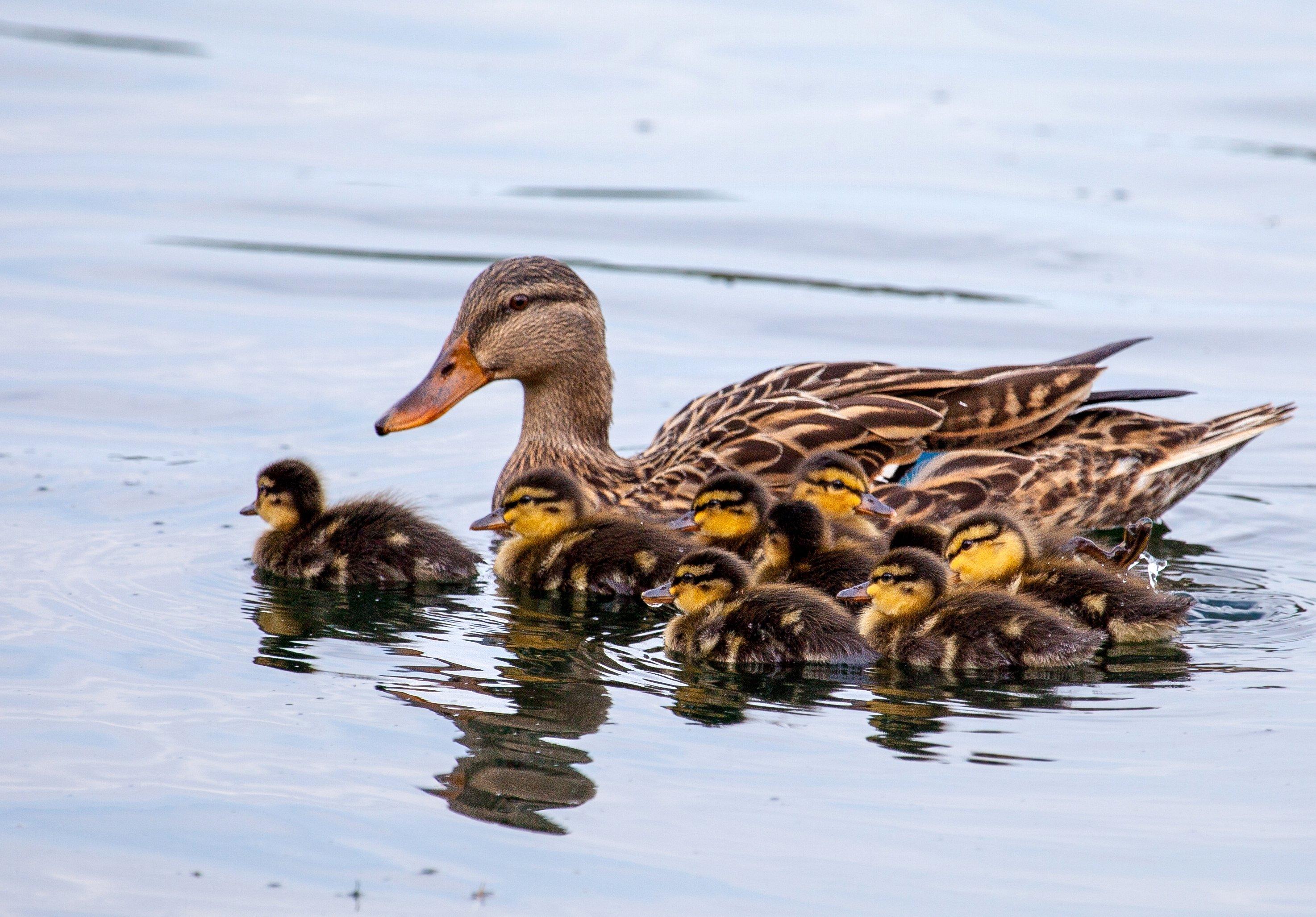
Dry conditions in the Prairie Pothole Region are expected to hinder duck production this year. Photo by Einar Magnus Magnusson.
Hunters won’t know for weeks what the fall flight might bring, but spring survey numbers from some states offer a potential glimpse, and the outlook varies.
First, some bad news. The number of breeding ducks in North Dakota — the most important state for mid-continent duck populations — declined again during Spring 2025. During its annual survey, the North Dakota Game and Fish Department estimated the state held about 2.66 million breeding ducks, a 9% decrease from 2024. Mallards, pintails and blue-winged teal were down “significantly” when the survey was conducted in May.
“Things are continuing to decline a little bit as far as duck populations go,” said Mike Szymanski, migratory game bird supervisor for NDGF. “The mallard population estimate was down 26% from last year and is the lowest estimated mallard breeding population on our survey since 1993. Blue-winged teal, green-winged teal and pintails also had significant population declines, whereas the declines for gadwall, shovelers and ruddy ducks were not as significant. We did have a few species — wigeon, canvasbacks, redheads and lesser scaup — that showed increases from last year on our survey.”
Also, the survey determined that North Dakota’s pond count was down 38% from 2024 and ranked 52nd out of the past 78 years.
Don’t Miss: Illinois Duck Club Ordered to Shut Down for 2 Years for Baiting
“Conditions were pretty dry, and that affected how ducks settled in the state,” Szymanski said. “We had mallards and pintails migrating through in late March and early April encountering those dry conditions. Mallards and pintails are early migrating species. They’re early nesting species. They went through the state when we had very poor wetland conditions. Settling conditions were not good for them, so we may have had a lot of those birds go through into northern breeding areas.”
Since a wet spring in 2022, when the NDGF survey showed 3.4 million ducks, North Dakota’s breeding population has decreased each year, as drier conditions have persisted in the state and across most of the Prairie Pothole Region. The PPR encompasses the Dakotas, and portions of Montana, Iowa and Minnesota in the United States, plus southern Manitoba, Saskatchewan and Alberta in Canada. It accounts for more than half of the ducks produced in North America.
North Dakota received a period of spring rains after the breeding duck survey concluded, which improved wetland conditions across the state. However, the water came too late to help ducks other than late-nesting species, and temporary ponds created by that precipitation are dry again. Therefore, biologists believe duck production likely won’t be very good this year in North Dakota and the PPR.
Waterfowl news was somewhat better in Wisconsin, where the state DNR’s annual spring survey indicated stable waterfowl population numbers and habitat conditions. Surveyors estimated the state’s 2025 breeding duck population at about 564,693 birds, a 7% increase from 2024, and 26.9% higher than the long-term average. The 2025 mallard breeding population estimate was 149,568 birds, which was 2% higher than 2024 but lower than the long-term average. Wood duck populations decreased 1.8% from 2024 but remained 5.1% higher than the long-term average. The resident Canada goose population estimate was 8% lower than in 2024 but remains significantly higher than the long-term average.
Don’t Miss: 4 Ways to Plan Ahead for a Better Duck Season
The West Coast produced the brightest news. The California Department of Fish and Wildlife’s 2025 waterfowl breeding population survey indicated that the number of mallards and total ducks increased this year. The breeding population of mallards rose from 177,828 to 265,640 (a 49% increase), and total ducks (all species) increased from 373,864 to 474,495, a 27% jump. Mallard numbers remained lower than the long-term average by 16%.
“The survey indicated an increase in mallard abundance, and habitat conditions were good in northern California, so we expect average to above-average production for all waterfowl species,” said Melanie Weaver, CDFW waterfowl program biologist.
Hunters won’t know continent-wide breeding duck survey results until the U.S. Fish and Wildlife Service releases its annual waterfowl population status report in late August. Further, biologists often remind waterfowlers that annual production typically drives the fall flight, which is comprised of the breeding population and young-of-the-year ducks.