How to Use Artificial Lures for Bream Fishing
Posted 2025-06-04 by
Yeah, crickets and wigglers are great bluegill baits. But modern tackle allows for casting tiny artificial lures, covering more water, and ultimately catching more fish
There are more than a dozen species of true sunfish, genus Lepomis, which many anglers collectively call “bream.” Anglers north and south fish for these popular panfish, including bluegills, redears (aska shellcrackers), pumpkinseeds, warmouths, redbreasts, and other species. Pound-for-pound, many of these fish fight better than anything else in freshwater, and they’re often aggressive feeders. Plus they’re mild, flaky, and delicious, and a favorite on the table for many (including Team Realtree, which collectively voted for bluegills as the tastiest fish that swim).
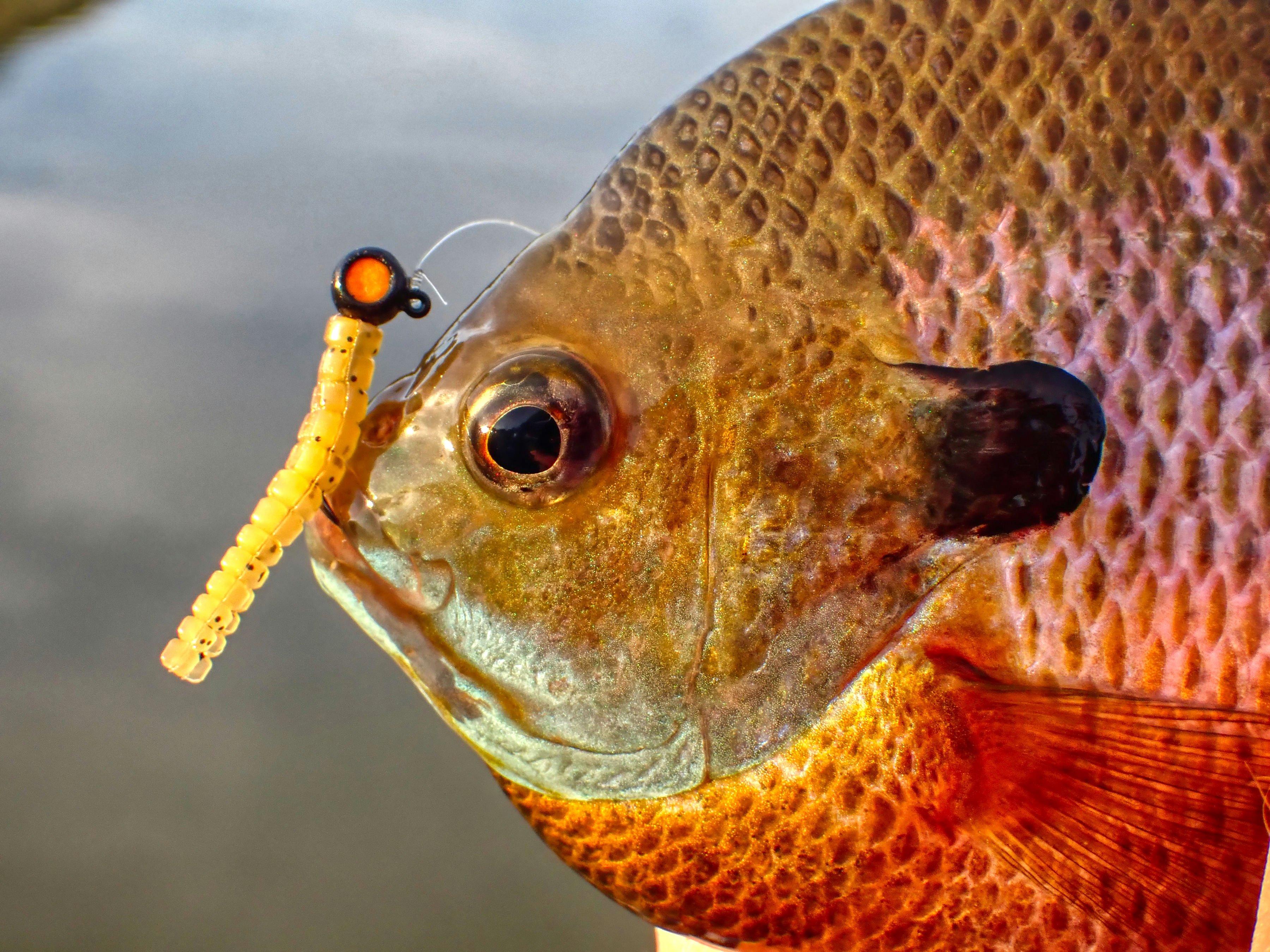
While live bait is a panfish favorite, the right artificial lures can be just as productive and a ton of fun. Image by Jason Sealock
Everyone knows that all you need for bream fishing is a can of worms, right? Well, worms often work great, but many anglers are discovering just how effective — and fun— using artificial lures for bream fishing can be. Artificial bream baits are quick, easy, efficient, and they keep worm dirt and guts from caking under your fingernails.
Don’t Miss: RANKING THE BEST EATING FISH (BLUEGILL FOR THE WIN)
KNOW YOUR QUARRY
Before you start fishing, you need to know what fish you’re targeting, since some bream species act dramatically different than others. Bluegills are the most common in many fisheries, from farm ponds to big lakes, and they’re likely the easiest to find. Bluegills move shallow to spawn in spring, but then they often stay there throughout the summer. They gather in big colonies, and are fond of weed beds, boat docks, and lay down trees up near the bank. Spawning aggregations often occur on relatively clean shorelines and points. Bluegills frequently hold high up in the water, and feed a lot off insect larvae and bugs on the surface.
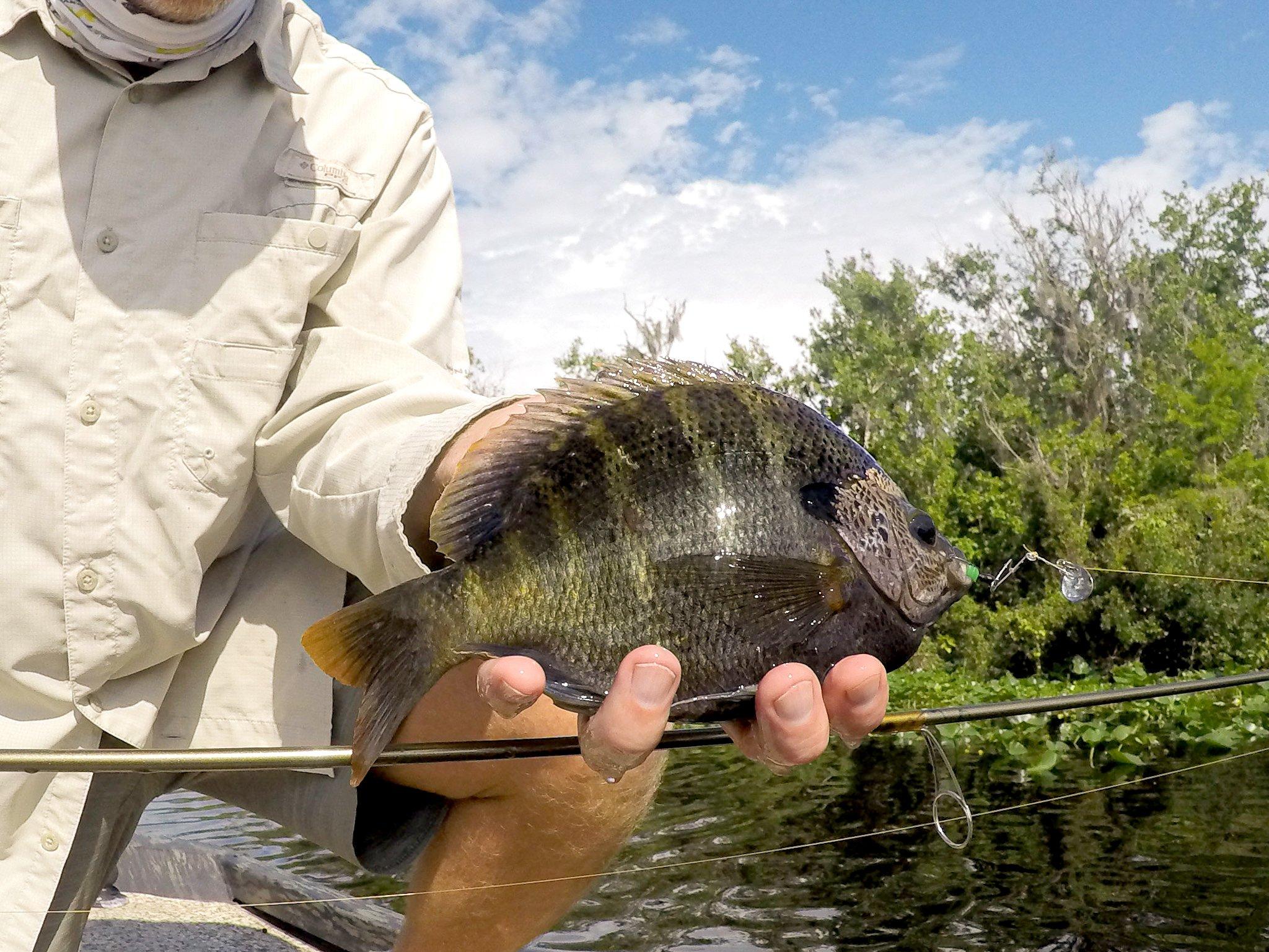
Big bluegills tend to gather in large colonies around weedy cover and feed primarily high in the water column. Image by Joe Balog
Redear sunfish, often called shellcrackers, tend to be fewer in number and a bit more isolated than bluegills. Shellcrackers often feed on mollusks along the bottom (hence their name) thanks to specialized sets of teeth in their throats capable of breaking shells. Pumpkinseeds do the same. Many of the other bream species have equally specialized habits. Spotted sunfish, also known as stumpknockers, love woody cover. Same for redbreasts. Warmouth are drawn to extremely shallow waters with thick vegetation. Know what swims on your lake or pond, and once you dial into a productive location, take note of the elements and look for other spots just like it.
Jason Sealock, a frequent photographer for Realtree.com, fishes Kentucky and Barkley Lakes for a variety of fish species, but bream fishing with artificial lures has become one of his favorite pursuits. Sealock particularly loves targeting shellcrackers, which are notoriously elusive, but can grow to outlandish size. This spring alone, Sealock has caught redears that just missed the 3-pound mark.
“I like to say that, for every 1,000 bluegills you can catch, you’ll catch one shellcracker,” he said. “The key is fishing exact isolated areas with hard bottoms, often next to a piece of cover.”
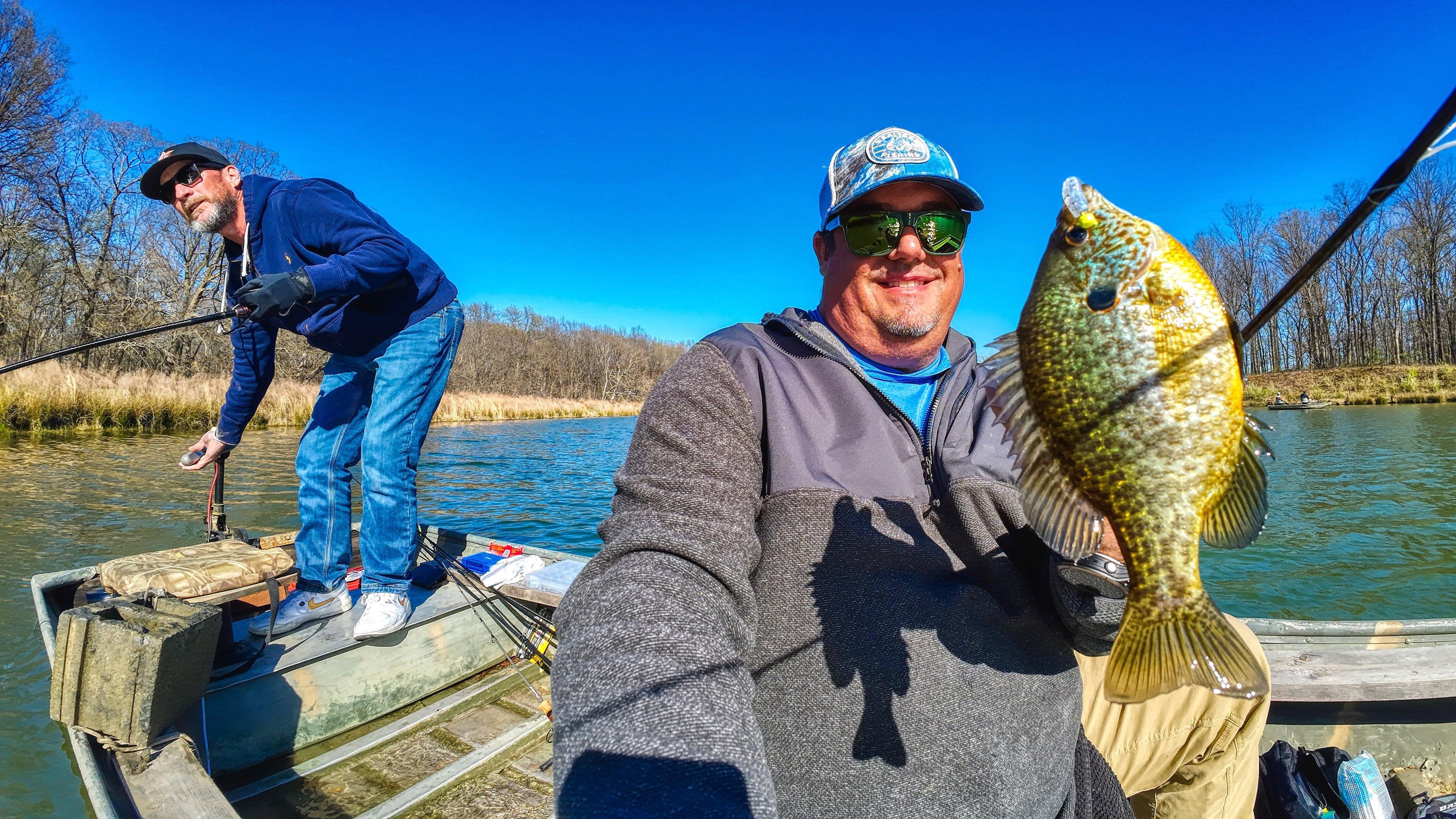
Know your quarry and where they like to feed so that you put your lure where the fish are for maximum effectiveness. Image by Jason Sealock
To find the honey holes Sealock fishes fast, something that can only be accomplished with an artificial lure. Moving quickly but carefully through the shallows with his trolling motor, he scans the bottom with polarized sunglasses for just the right change in color, fan-casting as he goes. Most often, Sealock finds productive shellcracker spots that are shallower than bluegill colonies, something that goes against most thinking. Sealock’s home waters feature harder bottoms in the 3- to 4-foot range, often where a gravel transition or rocky vein cuts through a cove. This subtle edge is ground-zero for shellcrackers.
Don’t Miss: How to Fish for Shellcrackers
MODERN TACKLE CHANGES THE GAME
Bream most often like small, light baits, and their small mouths require small hooks. A common crappie jig is often too big for bream. Until recently, it was largely impossible to present proportionately-sized offerings on a standard rod and reel. Casting a 1/64-ounce jig just didn’t work.
Things are different today. Advancements in rods, reels, and (especially) line make it possible to present micro lures with long, efficient casts. It’s now a reality to present bream lures with the same accuracy and distance as bass or crappie baits. What lures, you ask?
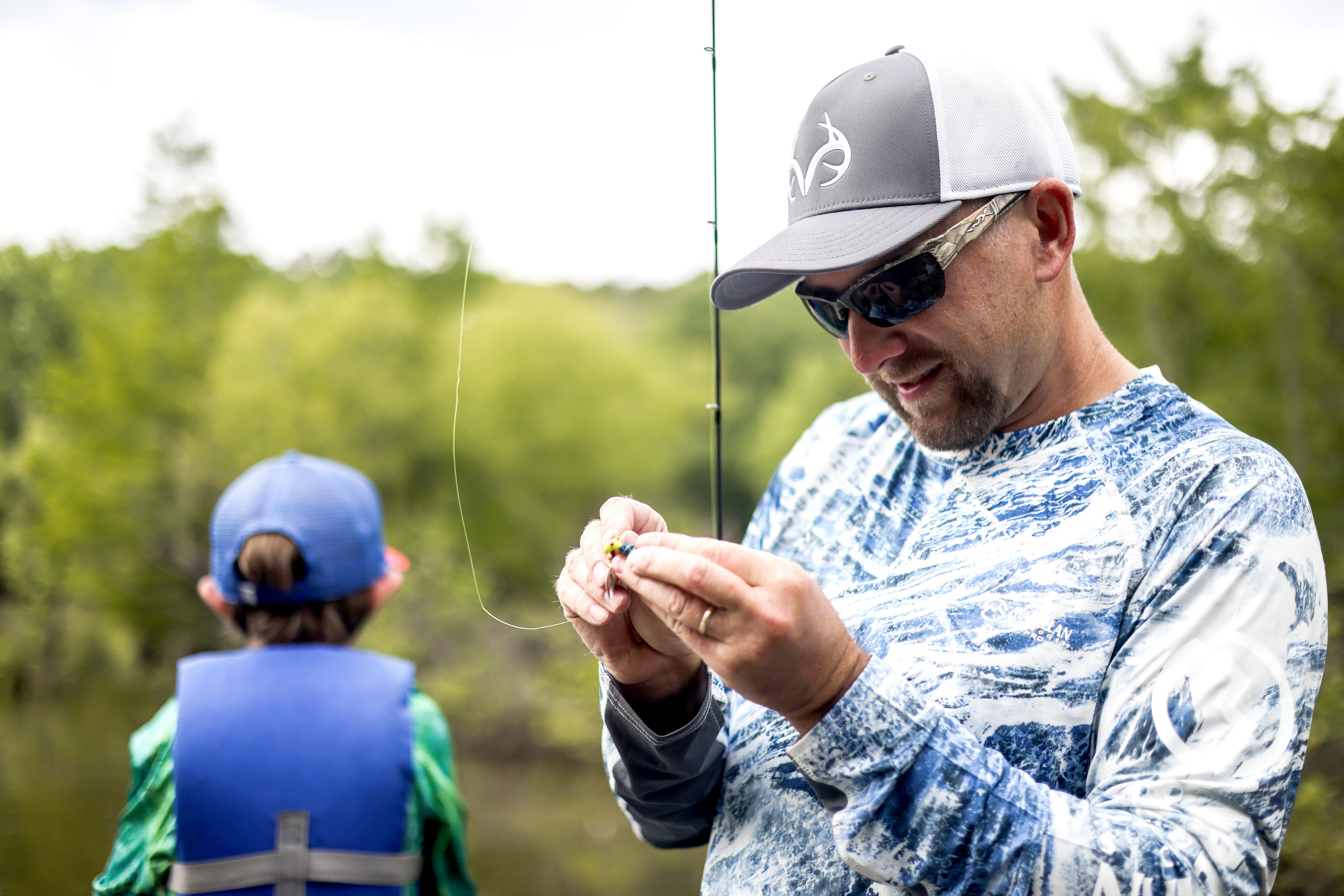
Advancements in modern tackle allow fishermen to cast tiny micro lures over longer distances. Image by Realtree Media
Diet studies confirm that bream eat a wide range of bugs, which includes everything from aquatic larvae and emerging insects to freshwater shrimp and mollusks. Matching the hatch is relative. The best lures mimic them all. As Sealock puts it: “long, slender, segmented things.”
His top choice is the Trout Magnet soft plastic body, a 1 1/4” segmented grub with a small split tail. The same lure is marketed as the Panfish Magnet and Crappie Magnet, though the only difference in each variation is the lure color. Most come in kits including a specialized 1/64-ounce jig with a small, long hook that’s perfect for bream.
Sealock is a big believer in scent, claiming it’s more important than action to a shellcracker. He utilizes Slab Bites or Crappie Nibbles to bring a flavorful component to his jigs. He keys on neutral colors for his relatively clear water, a favorite being “natural.”
Don’t Miss: Secrets for Finding and Catching Redear Sunfish
Catching shellcrackers is best accomplished with a lure hugging bottom. Sealock attaches a small float to his line, measured to keep his bait hovering in eyesight of the fish. His favorite is an on/off model featuring a line slot and a peg.
The whole rig casts easily on a long, limber rod. Sealock uses an 8-footer. The extra length allows for long casts and handles long leaders well when fishing deeper water. Today’s space-age materials make long rods lightweight; my favorite panfish model weighs in at just 3 ounces.
The process is easy. Cast to productive-looking spots, and slowly glide the bait near bottom. Short pulls or shakes of the rod impart action. The long-shanked jighead keeps the lure horizontal. Shellcrackers often investigate and may need a little coaxing. Small hooks hit home.
For bluegills, the program is the same, but baits can be rigged higher in the water column. Target shady cover items. When fishing boat docks, especially in spring, key on the back walkways and shallower portions. Look for beds and keep moving.
AN OLD-SCHOOL SEARCH BAIT
Sealock’s methods are deadly on bream. The bug can’t be beat to fill the boat. But for several years, I’ve also relied on the Original Beetle Spin to search out sunnies of all species.
My first exposure to the power of this lure came when targeting pumpkinseeds on Lake St. Clair. Here, these colorful beauties come to spawn every summer amongst cabbage beds in shallow water. Finding concentrations can be difficult; St. Clair is a 400-square-mile monster lake with habitat from shore to shore. A Beetle Spin often brought the fish up out of the weedbeds where they would chase the lure and occasionally strike. The key was the follow; it revealed the hotspot where we’d then anchor down and work plastics.
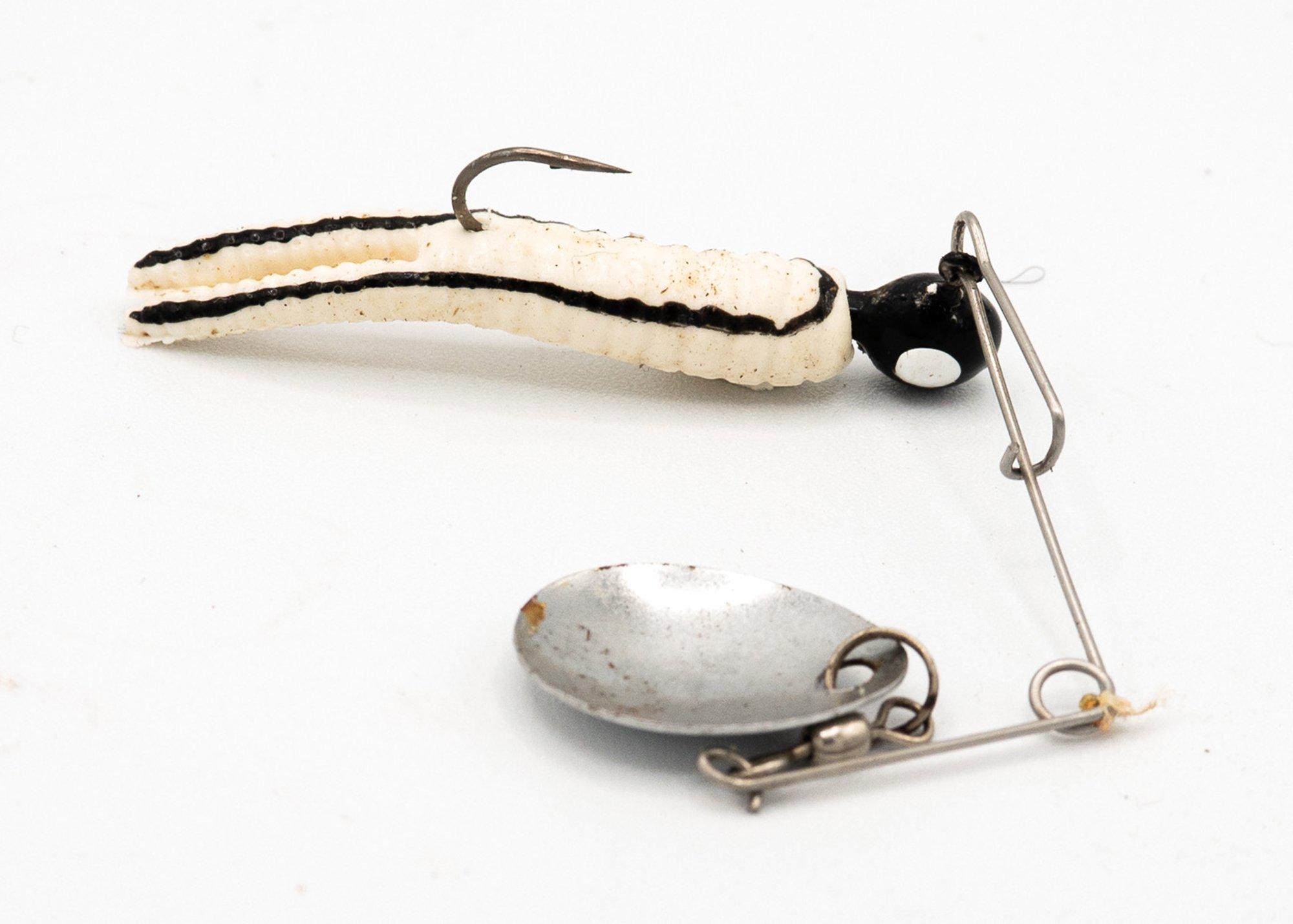
A classic Beetle Spin is the perfect search lure for locating panfish over a large area. Image by Joe Balog
The same thing happens here in Florida, where stumpknockers and big copperhead bream chase down the little spinner, making for riot on an ultra-light rod. It’s like spinnerbait fishing for bass, but with kid-sized gear and hundreds of hits a day!
Anytime I target bream, anywhere, I never leave the dock without a Beetle Spin rigged up. The simplicity and efficiency is impossible to argue and the lure simply catches fish.
Everywhere we turn, fish that were once targeted almost exclusively with live bait are now being caught — and caught effectively — using artificial lures. Walleyes, redfish, crappies, and even catfish no longer require a trip to the bait shop. This summer, add bream to the list. Nobody’s saying you can never buy a can of worms again — but with the right tackle and a little effort, you might not want to.
Don’t Miss: HOW TO CRAPPIE FISH WITH CRANKBAITS