Freeze Dried Meals: Not as Horrible as They Used to Be
Posted 2025-07-23 by
Fresh food is always best, but modern freeze-dried options pack light, last forever, and a few of them are even pretty tasty
If you are of a certain age, your introduction to freeze-dried foods probably came in the guise of army surplus MREs. These “Meals Ready to Eat” will keep you alive, but they aren’t going to wow any of your dinner guests into thinking they have had a home-cooked meal. My first MRE experiences were on Boy Scout backpacking trips. They were leftover from the Vietnam War era, and they weren’t good. Once we got over the novelty of 20-year-old rations still being at least slightly edible, the experience wore thin in a hurry.
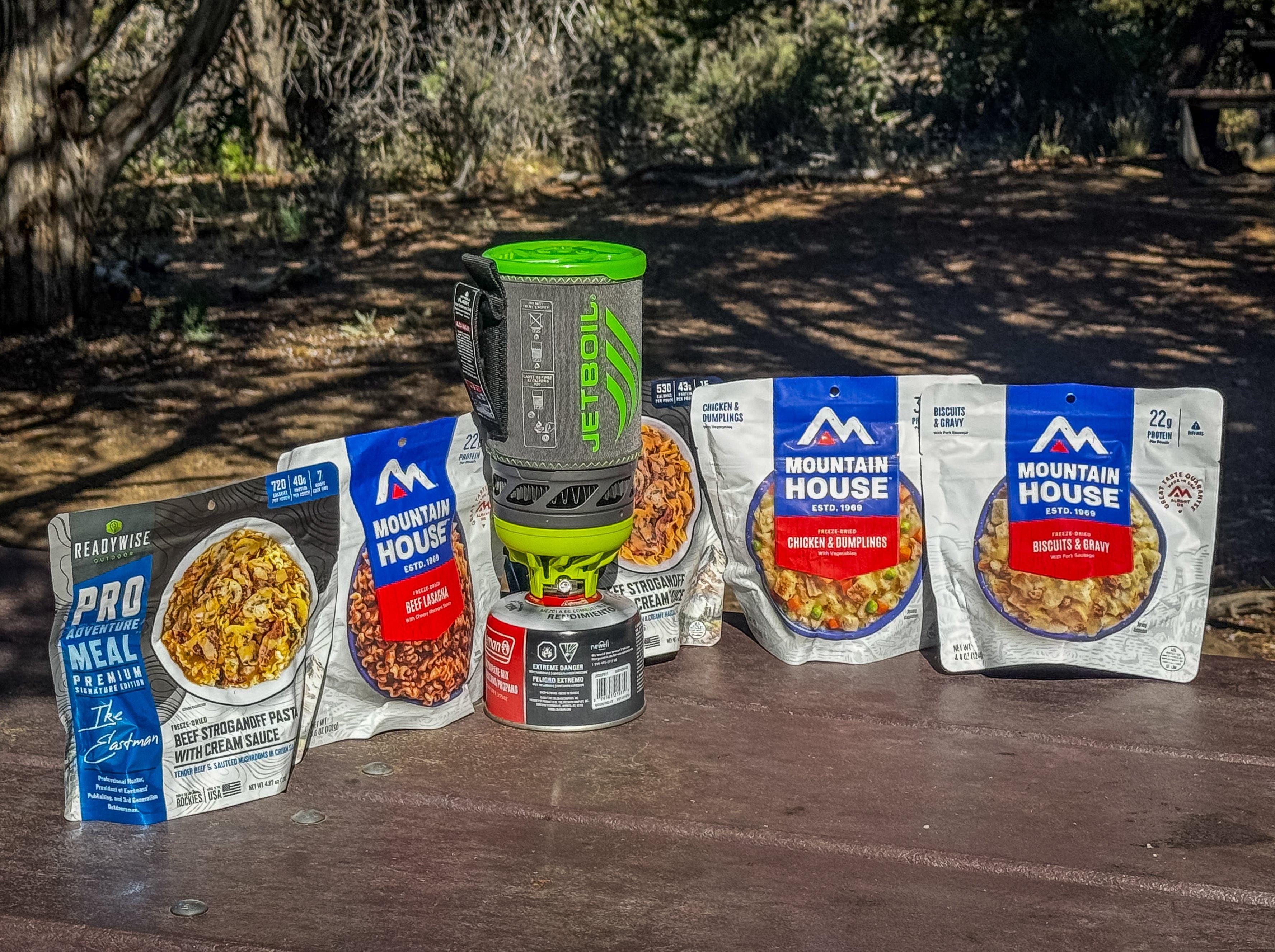
Freeze dried meals have come a long way in the past few years, now offering a tasty, easy-to-carry and prepare option. All images by author
But freeze-dried foods have really advanced in the past 20 years. Today, the meals come in enough flavors and recipes to appeal to just about everyone. And the finished product is actually pretty danged good. At least, compared to Vietnam-era MREs.
Don’t Miss: 10 HABITS OF ULTRA SUCCESSFUL HUNTERS
Sure, a real meal made with fresh ingredients is usually going to be tastier, but that isn’t always feasible. A week-long backpacking or canoe fishing trip deep into the backcountry means traveling light. A cooler full of ice and fresh meats and vegetables gets heavy if you are carrying everything you need on your back or in a small canoe. My wife and I just returned from a several week road trip out west. While deep in the backcountry or exploring the national parks, we had several freeze dried meals along the way for convenience.
On trips like this, we usually pack along enough fresh ingredients to cook the first night or two of the trip, the gear we need to cook fish or game that we manage to get as we go, and enough freeze-dried meals to keep us well fed for the rest of the time.
Campers today have a wide range of brands and recipes to choose from. Favorites for my crew include Peak, Mountain House, and Backpacker’s Pantry. Some of our top flavors are beef stroganoff, lasagna, drunken noodles, chicken and dumplings, pad Thai, and several others. Taste, being subjective, is going to vary from person to person. Try several and see which brands and recipes you enjoy the most. There are even some great breakfast options like biscuits and sausage gravy that are perfect for those mornings when you need a little something more than instant oatmeal. If you have a sweet tooth, dessert options are available. The Backpacker’s Pantry Blueberry Peach Crisp is tasty. The freeze-dried ice cream options, while interesting, seem a little weird to me. If you decide to go that route, try one at home before you carry them deep into the backcountry.
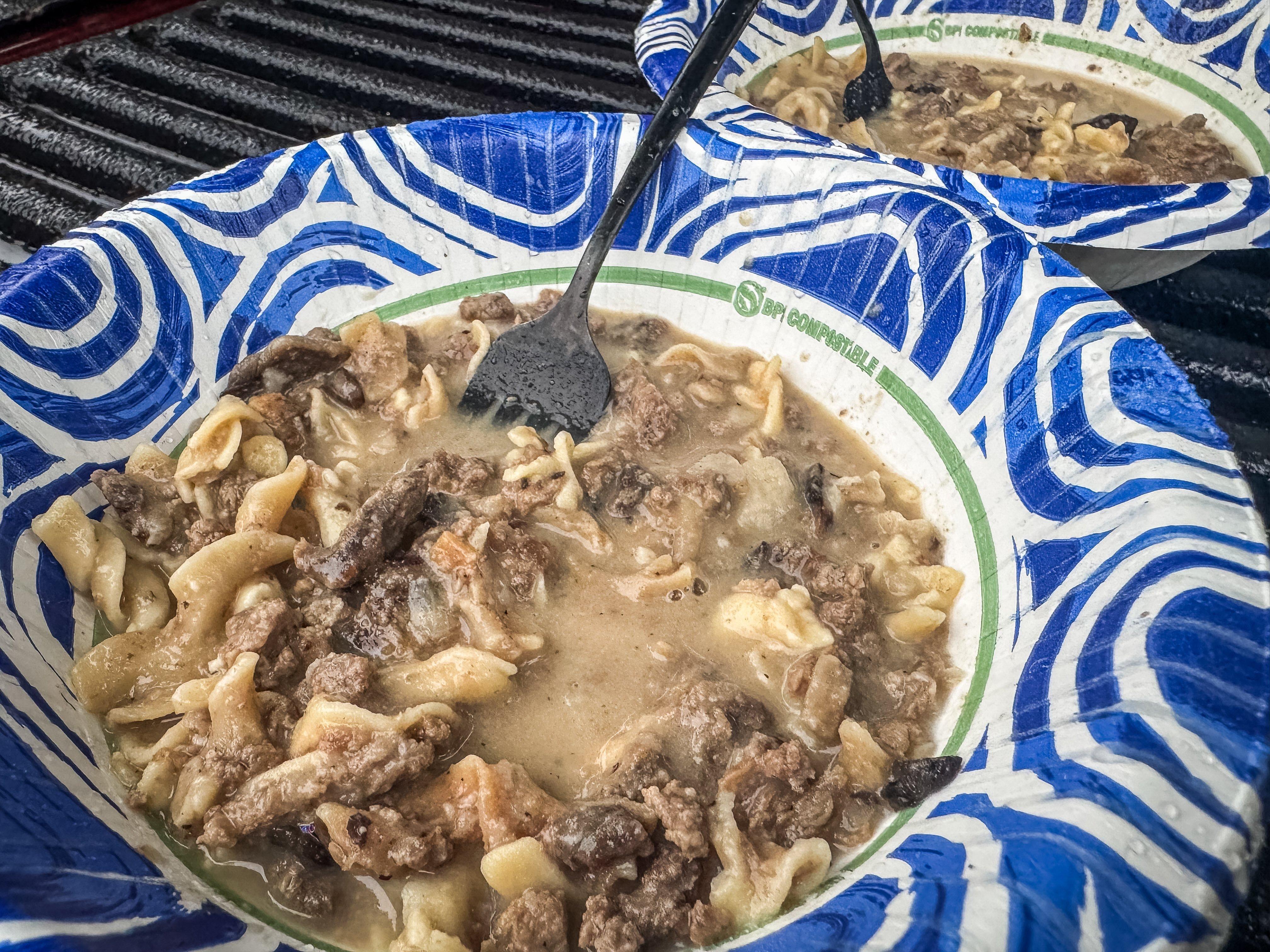
Some of our favorite meals include recipes like beef stroganoff and lasagna.
Most meals pack in around 450-600 calories, which is nice when you have been hiking, climbing, fishing, or hunting hard all day and need something to refuel your body for the rest of the trip. Most weigh in at around 6 ounces, allowing you to pack several meals’ worth without a ton of additional weight. A meal, a source of clean water, and a way to heat that water up is all you need.
While the taste and quality of freeze-dried camping meals have improved drastically over the years, one drawback is the price. Most meals run anywhere from $9 to $15 per pack. It adds up if you are depending on them over an extended period. Luckily, vigilant shoppers can find sale prices of up to 30% off and free shipping from several online or retail sources. These meals keep virtually forever, so stock up when you find a deal.
Don’t Miss: COOK A MEAL IN A DEER OR DUCK BLIND
Can’t find something you like or have dietary restrictions that limit off-the-shelf options? Home freeze-drying units are now on the market and they allow the user to make home-cooked meals and freeze-dry them just like the factory meals. While pricey at around 2 grand for the least expensive models, it doesn’t take long to recoup the cost if you go through a lot of $10-plus meals over the course of a year.
Preparing the meals is pretty simple. Open the pouch, heat about a cup and a half of water to boiling (it varies by brand and recipe, so follow package instructions), pour it into the pouch with the dried meal, give it a good stir or shake, then seal the pouch and wait. It takes 10 to 15 minutes for the food to fully reconstitute. Give the pouch another stir or shake about halfway through the process. We usually just eat straight from the pouch.
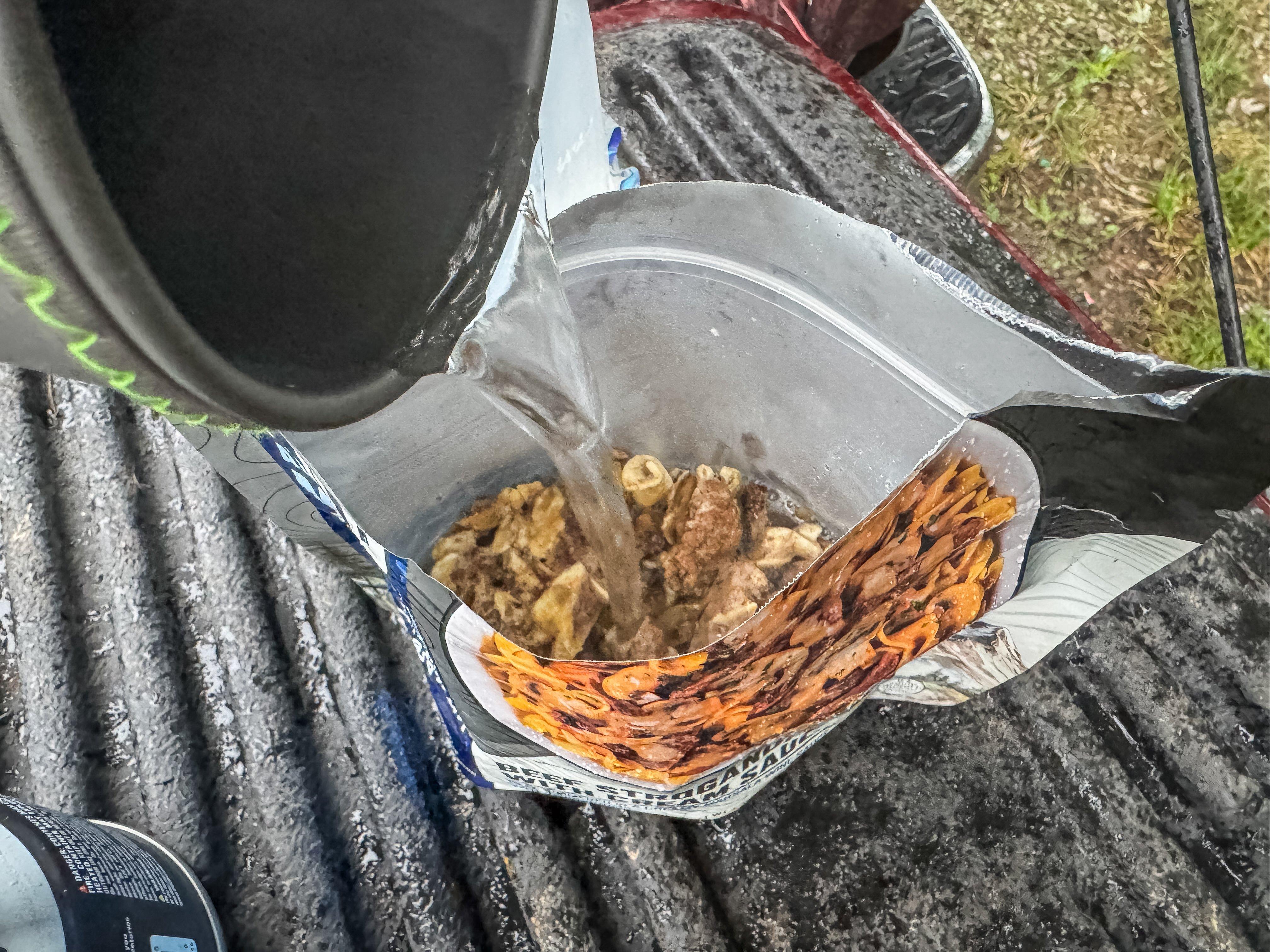
Simply pour the prescribed amount of boiling water directly into the pouch.
Heating water in the woods can be as simple as a campfire and a pot or as big as a full-sized camp stove like the Camp Chef Explorer 2. But my favorite system lately has been a Jetboil Stove. It packs a small camp stove and a pot into one unit. The stove and accessories store inside the pot. It is lightweight, at less than a pound without the fuel canister, easily holds enough water for two or three meals, and boils water in less than a minute. It even comes with a workable French press system for morning coffee while you wait for your meal to reconstitute.
Another lightweight option when open fires aren’t allowed and the extra weight of fuel canisters isn’t an option is the small Solo Stove Mesa. At just 5 inches wide and less than 2 pounds, this miniature fire pit allows you to burn sticks and twigs you pick up around your camp site. Coupled with a small aluminum pot and you have a way to heat water that doesn’t require fuel canisters and still meets most contained fire rules.
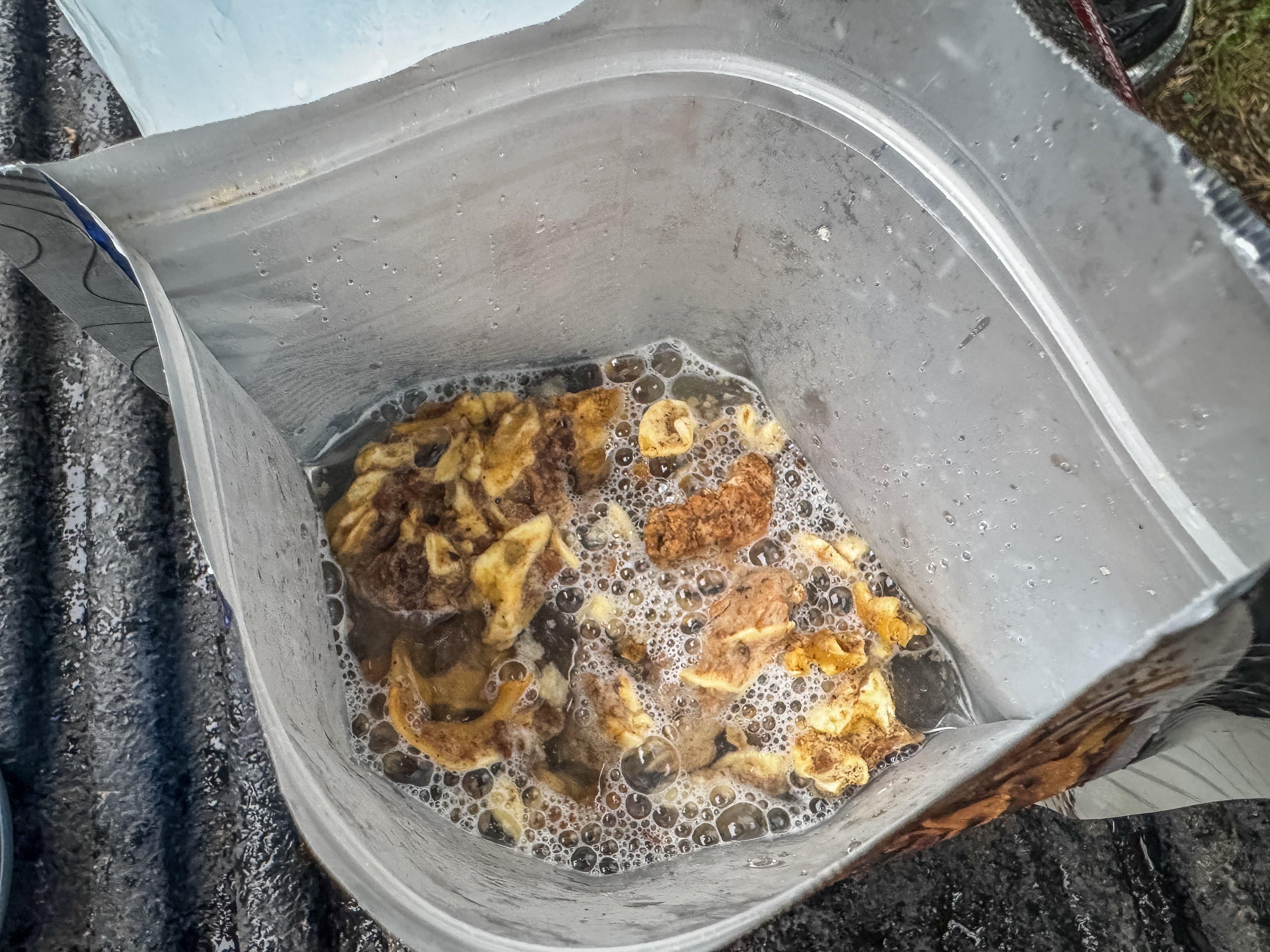
Give the meals plenty of time to reconstitute. You won’t enjoy the maximum flavor and texture until they do.
About water, if you are in an area where finding water is an option, a quality filter is a good tool to take along. Sure, you can boil most water for at least a full minute and make it safe to drink, but a good filter removes dirt, weeds, bacteria and a lot of other stuff that you might find in a lake or river and that you don’t really want to add to your meal.
If you have never tried a freeze-dried meal, or if your last experience was years ago and left you underwhelmed, give this new breed of meals a shot. I’m willing to bet you will find something that matches your tastes and beats the heck out of being hungry on the trail.
Don’t Miss: CROSSBOW OR COMPOUND BOW: HOW DO YOU CHOOSE?