Researchers Confirm First Fatality Due to Tick-Borne Meat Allergy
Posted 2025-11-25 by
A 47-year-old man died as a result of alpha-gal syndrome after eating a hamburger
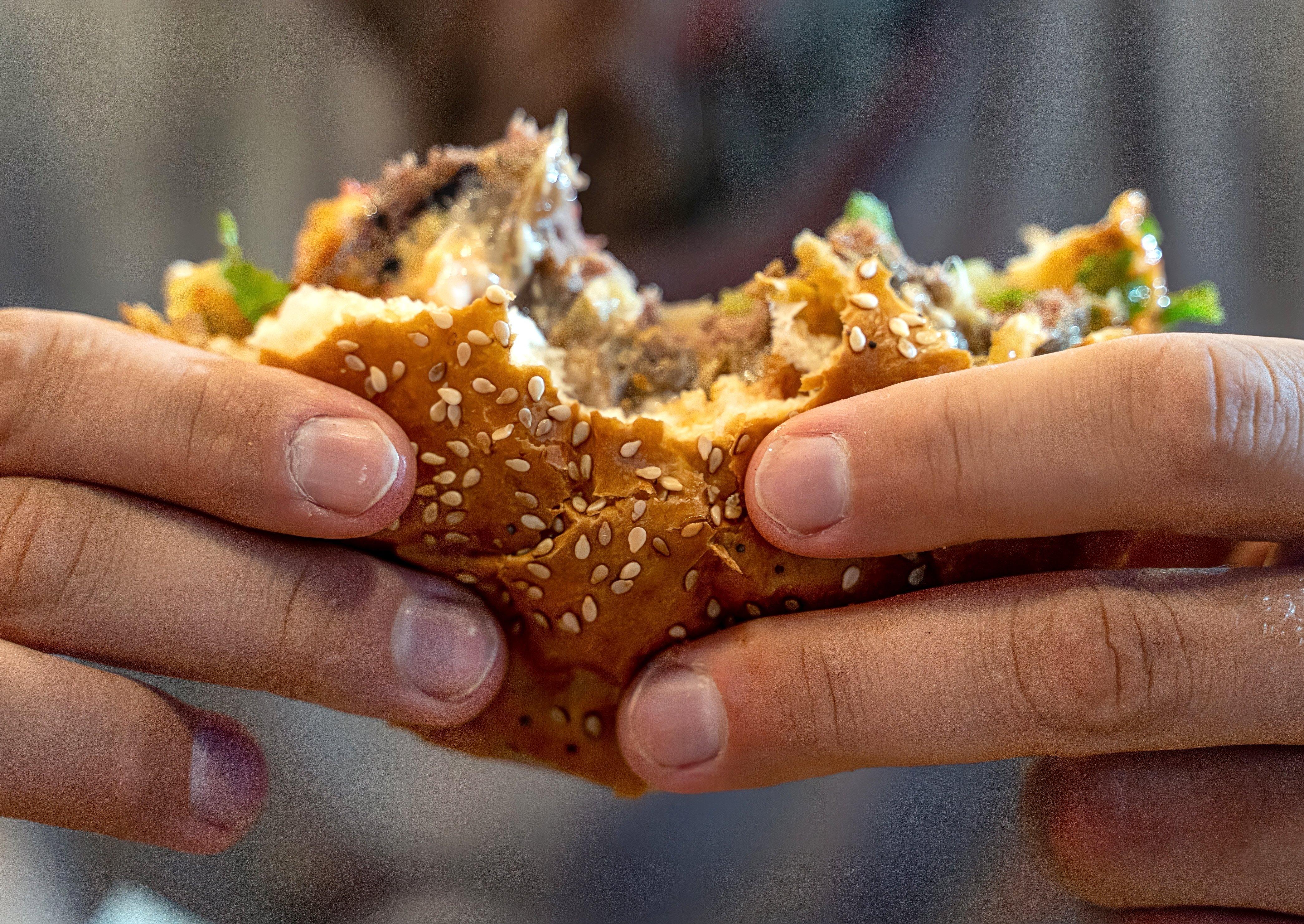
A New Jersey man is the first recorded person to die from the tick-borne alpha-gal syndrome, after consuming a hamburger. (Photo by Minerva Studios)
Virginia researchers report that a New Jersey man’s death is the first known to be linked to a tick-borne meat allergy called alpha-gal syndrome (AGS).
According to Fox News, the 47-year-old unidentified man died last summer, four hours after eating a hamburger and two weeks after experiencing a similar health issue trigged by steak.
A UVA Health press release said during the summer episode, the man suffered from severe abdominal pain, diarrhea and vomiting after eating the steak.
Although the man’s death was initially reported as "sudden unexplained death," Dr. Thomas Platts-Mills of UVA Health eventually determined the man suffered a fatal allergic reaction.
The findings were published in The Journal of Allergy and Clinical Immunology: In Practice.
The Centers for Disease Control (CDC) says AGS, which is also known as "red-meat allergy" or the "tick bite meat allergy," is caused by a Lone Star tick’s bite. The ticks are mostly found in Southeastern and Eastern states.
When a tick bites, it injects a sugar molecule called alpha-gal into the victim’s body through its saliva. This triggers allergies to certain types of red meat (primarily pork, beef, rabbit, lamb, or venison) or products made from mammals (including cheese, milk, other dairy products, and gelatin).
Some people infected with alpha-gal who eat any foods containing the allergens can experience serious allergy symptoms within a few hours. Other people only suffer mild reactions.
Researchers say symptoms can include rash, nausea, and vomiting after eating beef, pork, or lamb. Additional symptoms include itchy or scaly skin; swelling of the lips, face, tongue and throat; and wheezing or shortness of breath.
Fatal anaphylaxis has been listed as a rare risk in severe cases, but the New Jersey man’s death was the first to be attributed to the allergy.
Platts-Mills, the former chief of UVA Health’s Division of Asthma, Allergy and Clinical Immunology, says other factors, including a beer that the man drank with his burger, his exposure to ragweed pollen, and recent exercise could have contributed to his severe reaction.
In the press release, Platts-Mills said that those who suffer severe abdominal pain occurring three to five hours after eating beef, pork or lamb should be checked by a physician for anaphylaxis.
He also noted that tick bites that itch for more than a week can "induce or increase sensitization to mammalian-derived meat."
But he pointed out that who have mild to moderate episodes of hives can control symptoms with an appropriate diet.
Those suspecting AGS should undergo antibody testing and a clinical exam. It takes an average of seven years for many patients to receive a diagnosis, according to Dr. Johanna Salzer, CDC epidemiologist and author of a 2023 report on AGS.
"And to get diagnosed, they have to have access to an allergist," Salzer previously told Fox News Digital. "For many people, there are barriers to get that level of treatment."
AGS has no treatment or cure, meaning a person may suffer from AGS for a lifetime, but physicians can help patients manage their symptoms. And some people may find relief over time as antibody levels drop if they remove the foods from their diet that can reactivate alpha-gal syndrome.