8 Gear Problems That'll Wreck Your Bowhunt
Posted 2025-12-09 by
Even the best archery gear is delicate. From nicked strings to cracked arrows, these things can take you out of commission just as the hunting gets good, so plan ahead
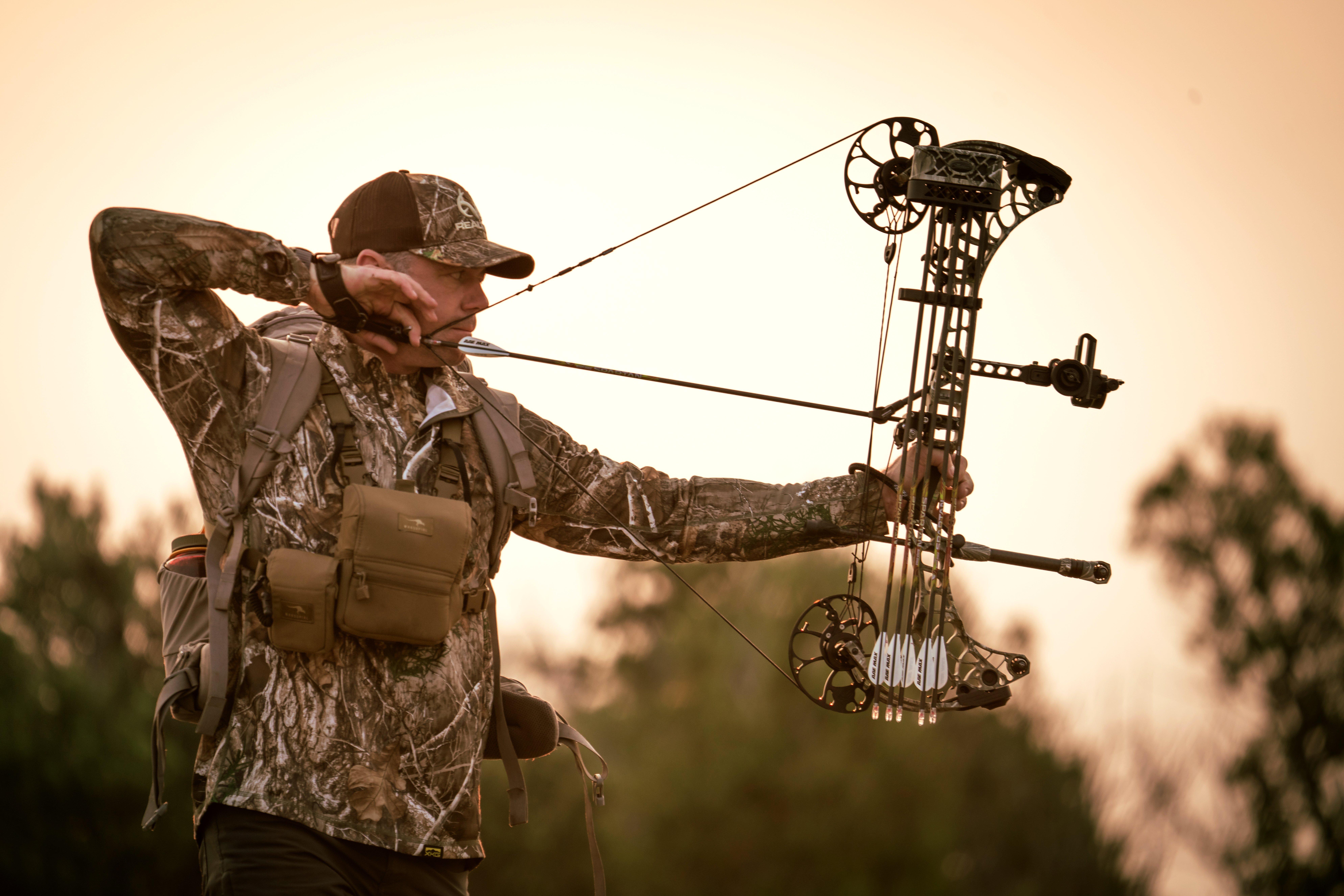
Nothing beats the confidence of a great-shooting bow, but you never know when a user oversight or equipment malfunction will put your bow or an accessory out of commission. Image courtesy of Mathews Archery
It was an exciting morning in the Idaho mountains. The air was cool, bulls were bugling, and I even had a close call with a nice bull. All was well in the elk woods, except for one thing. On the way down the mountain, I noticed my sight housing was loose. Two bolts hold it to the sight frame, but one had somehow backed out and was lost in the aspens. I panicked, but then I remembered that my backup bow was in camp. I made a beeline to my second bow case, and fortunately, my backup bow was shooting well. I was right back up the mountain that evening, and a few days later, I took down an elk with that bow.
Sometimes, even well-built bowhunting equipment can fail, and it usually happens when you least expect it. It pays to be prepared and able to keep on hunting without skipping a beat, and also to know ahead of time the stuff that’s likeliest to break.
- Broken Bowstrings
Bowstrings are made of synthetic fibers that are susceptible to wear and tear. Crawling for mule deer, taking your bow in and out of its case, and general wear and tear from shooting practice all put miles on the bowstring and cables. You can condition the fibers occasionally with bowstring wax, but it’s still best to replace the set at least every two years, or every year if you shoot a lot of arrows. Failure to maintain and replace the bowstring and cables can result in a bow that blows up or is unsafe to shoot.
Due to the tension they’re under, bowstrings and cables are arguably the most important component of your setup to maintain. Look for frayed fibers, cut strands (nicking the string with a broadhead is easier to do than you think), or serving separations. Don’t prolong replacement. If you’re questioning it, get a second opinion from a bow technician at a pro shop and then buy a new set.
Don’t Miss: 17 Tips for Cold-Weather Deer Hunting
- Derailed Bowstrings
When the bowstring slips off the cam track and onto the axle, it is called derailment. This is most often caused by torquing the grip severely, especially when drawing back or letting down. The cables take up the slack and have a lot of tension on them. When this happens, the bowstring is generally injured and needs to be re-served and in some cases, replaced. Either way, a trip to the pro shop is required, and if it’s during deer season, you might have to wait a few days to a week for your bow to be repaired. Be sure to keep your grip straight and avoid torquing.
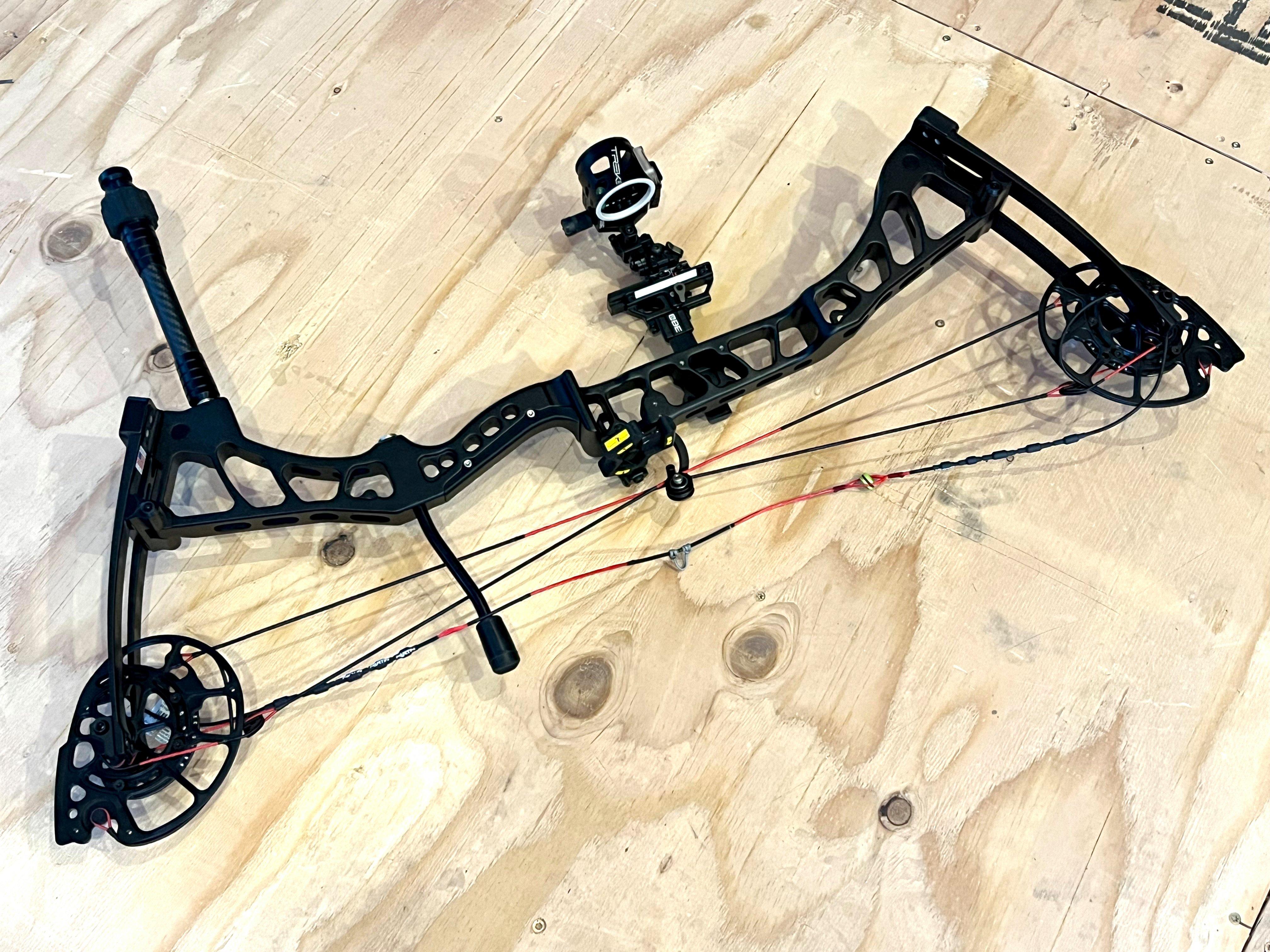
Bowstring derailment is scary and can damage your equipment. It is usually the result of torquing the grip, especially while drawing or letting the bow down. Image by author
- Cracked Limbs
Bow limbs are stronger than they’ve ever been, but they can still crack or splinter. Usually, limbs are damaged as a result of a dry fire, the bow being dropped, or repeatedly shooting arrows that are too light. Avoid these blunders, and you shouldn’t have limb issues. But if you do, a trip to the bow shop will be required, and most manufacturers need some lead time to ship replacement limbs. If you aren’t the bow’s original owner, the parts won’t likely be covered under the warranty. A new set of limbs can run up to several hundred bucks when all is said and done.
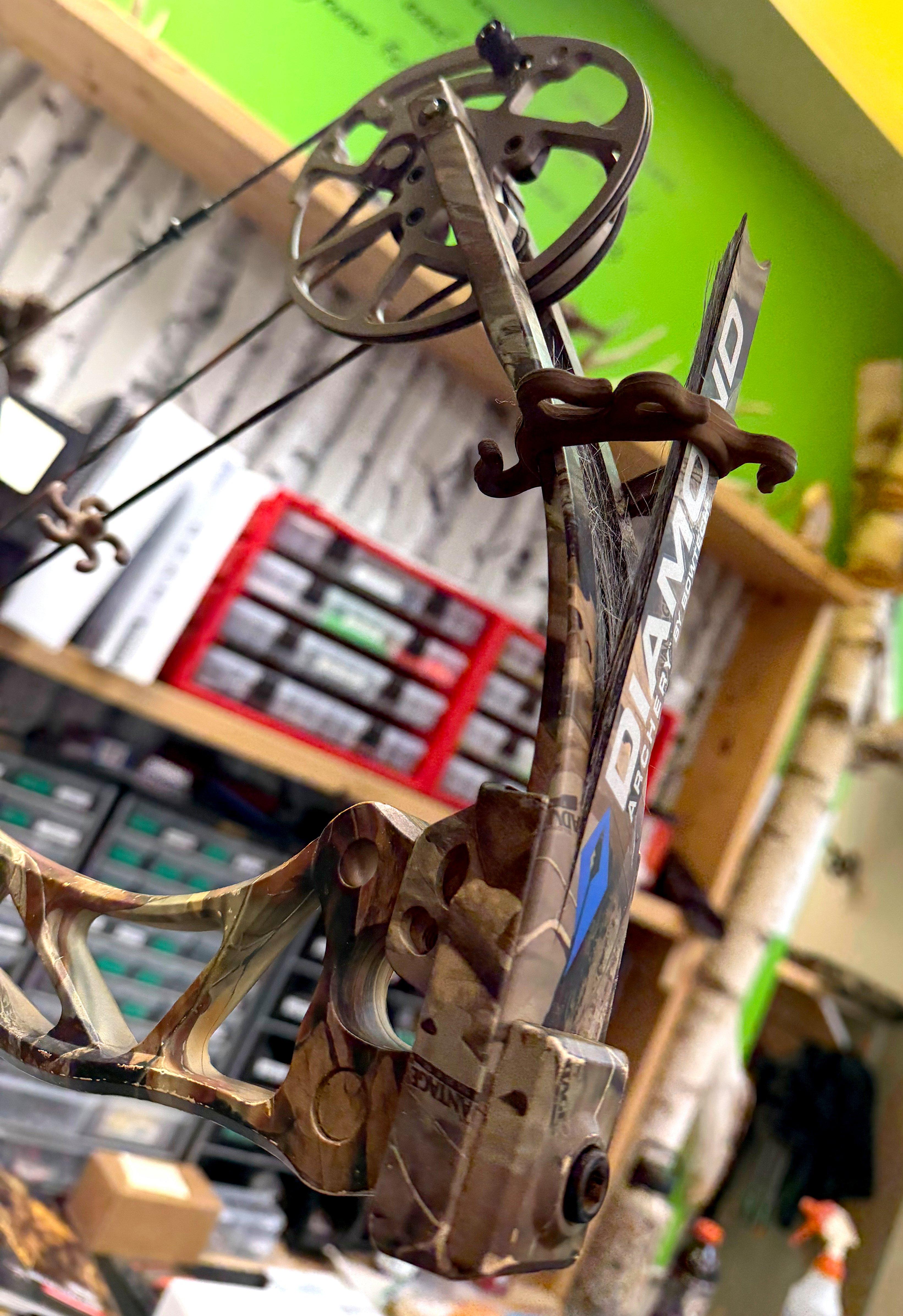
Cracked limbs immediately render a bow unsafe. Sometimes, they’re covered under warranty, but in some instances, they are not. Regardless, it can take weeks for your local pro shop to acquire and install replacement limbs, cutting into precious hunting time. Image courtesy of Chase Outdoors, Rothschild, WI
- Bent Cams
This isn’t very common, but I have seen a few bows with bent cams during my archery and bowhunting career. There is no fix; a bent cam must be replaced. What causes a cam to bend? Dry-firing, dropping, derailment, or running it over with a vehicle. Yep, this stuff happens. As with most things, if you avoid mistakes, the cams will likely last for the life of the bow.
- Overdrawing
This applies to traditional bows, and that’s because the bowstring attaches to limb tips rather than cams. Pulling the bowstring too far, especially on a weaker youth-sized bow, can potentially crack or snap the limb tips, breaking the bow and causing risk to the archer.
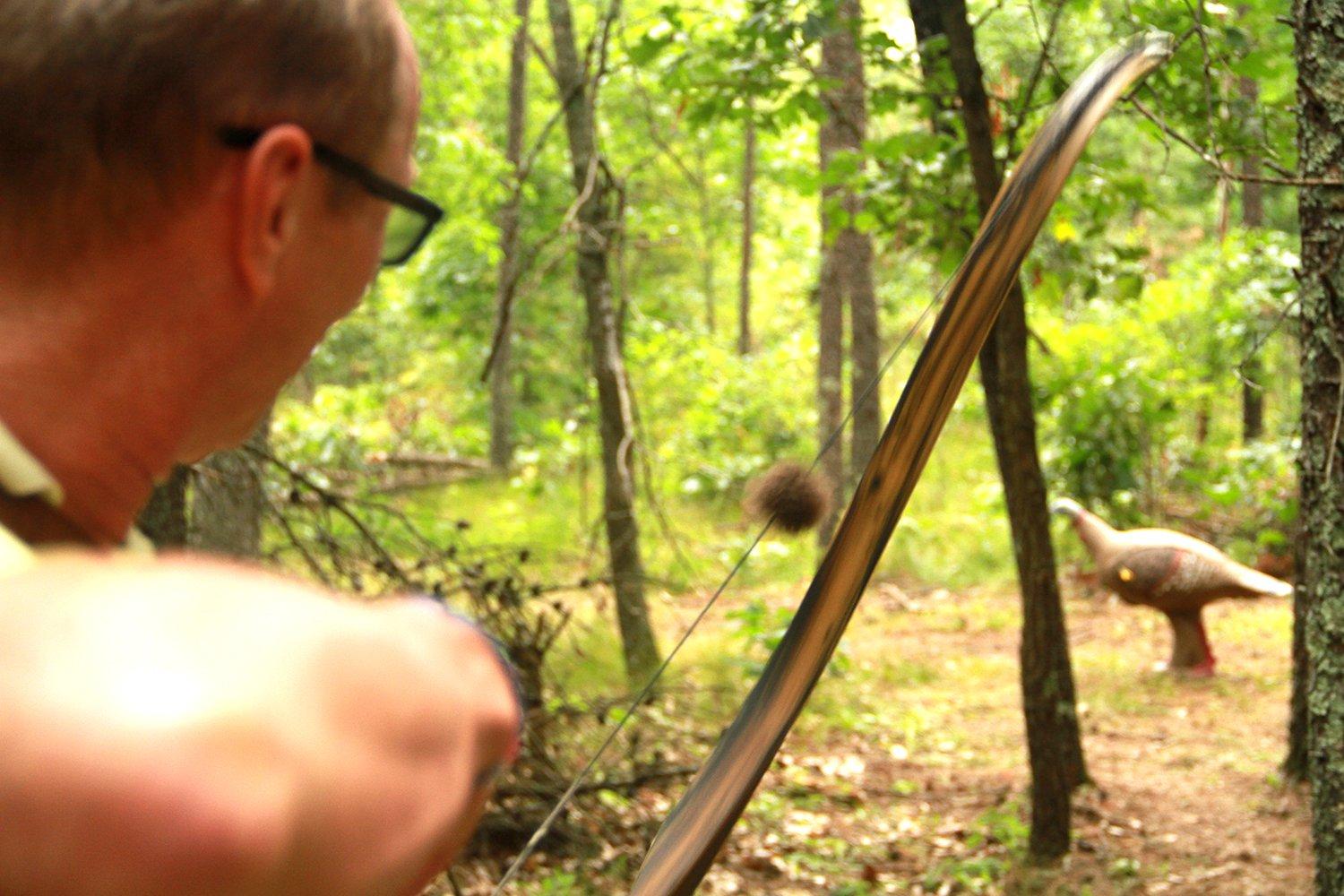
Simple as recurve bows look, even they can break. Overdrawing puts undo stress on the limb tips and can cause cracking. Image courtesy of Rinehart Targets
- Locked At Full Draw
I saw a YouTube video earlier this year in which a professional archer unknowingly drew back a bow that didn’t have draw modules installed. The result was a bow with 100 percent let-off. The archer could neither shoot the bow nor let it down, posing a serious risk. He chucked the bow, but the cams remained in the full-draw position. The bow was later serviced by a bow technician.
A bow stuck at full draw is a ticking time bomb. The cams could suddenly cycle, derailing the bowstring and potentially shattering the limbs. The cables could snap, too.
I unfortunately found myself stuck at full draw in November while testing a new bow for a bow report. I’ve been servicing bows for 24 years, and this was my first experience with a bow locked at full draw. My oversight was putting the draw stops on both cams in the wrong positions, allowing for more than 100 percent let-off. I was sick when I tried to let down and felt the bowstring go lax.
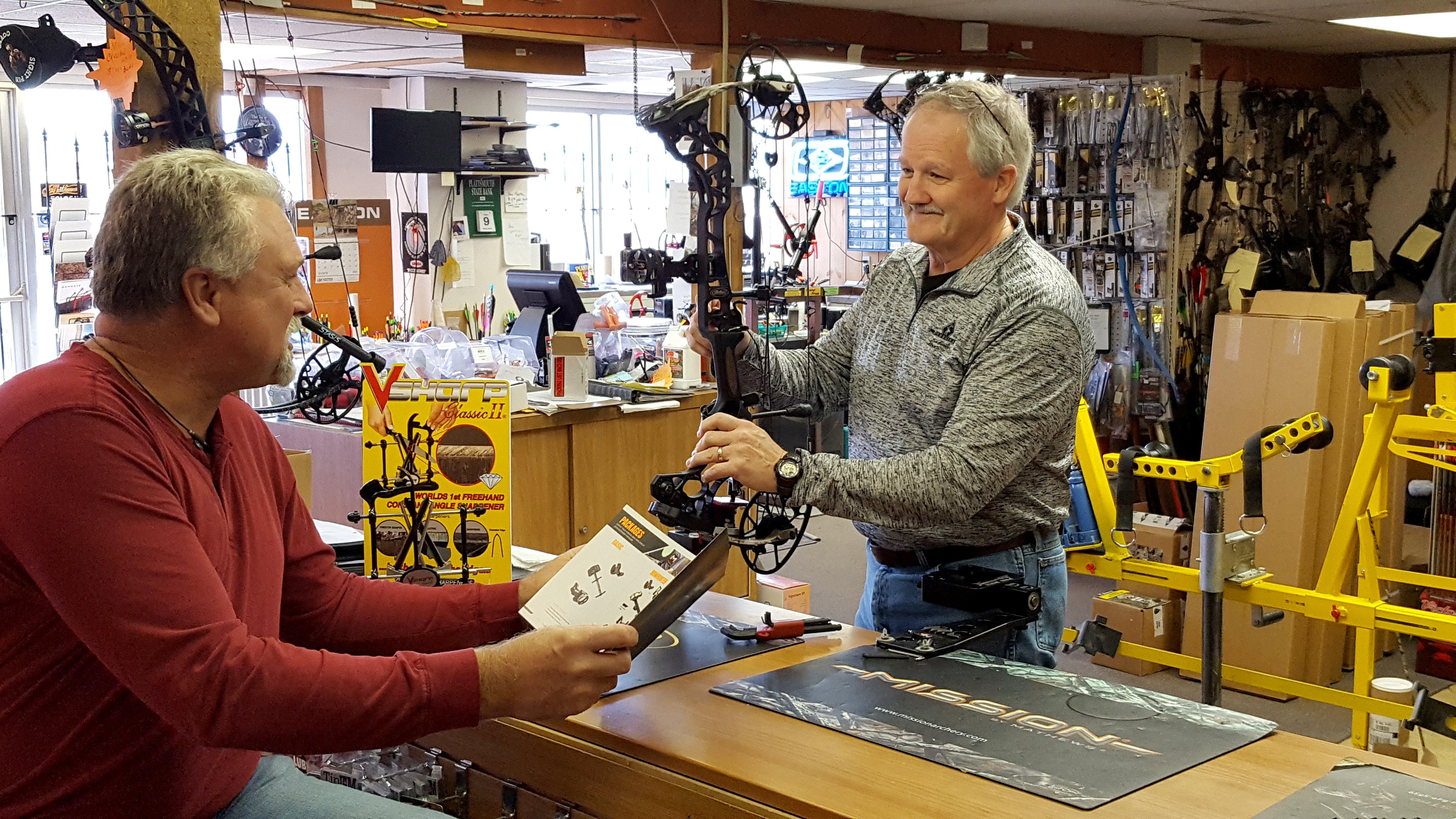
A bow technician is your best friend in the event of equipment problems, but give him or her some grace, as they don’t have every single part for every single bow on hand. Plus, fall is their busy time, meaning that lots of other bows could be in for repair ahead of yours. Image courtesy of Full Draw Archery/Kent Colgrove
Fortunately, my wife was home, and while holding the string in the full-draw position, I held the bow in my bow press while she cranked the press until the limb tips were touching the press’s prongs. Content that the bow was secure, I continued holding the bowstring up with one hand while using a screwdriver to leverage the cam into motion with my other hand. The cam began rotating, and my wife wound the press crank, allowing the bow to go back to rest with tension on the bowstring. Good thing she was home!
- Cracked Arrows
You’ve probably heard of the arrow manufacturer, Gold Tip. Its arrows are labeled with the reminder to “Flex It First.” Carbon arrows are about as tough as nails, but if you miss the target and hit a rock or tree, they could be cracked and unsafe to shoot. Even after normal shooting into a target, it’s always wise to flex the arrow and listen for cracking noises. Shooting a damaged arrow is very unsafe, as it could shatter and drive fragments into your hand.
Arrow nocks are also fragile and susceptible to breaking. One time, I recall shooting an arrow, and the arrow didn’t hit where I aimed, plus the shot sounded like a dry-fire. When I retrieved the arrow, I noticed that the nock was broken. Always inspect your nocks.
- Malfunctioning Release
Release aids don’t commonly fail, but I’ve known of some that have. These have internal and external mechanical parts that don’t last forever. If the release malfunctions, it can launch an arrow to parts unknown, and you’ll probably slap yourself in the face or nose, too.
Don’t Miss: 5 Hunting Shots Bowhunters Need to Practice Right Now
Keep Backups
As we’ve discussed, a bow can break down in several different ways, and it cuts into your hunting time if it happens during the season. Accidents happen, and sometimes a bow just breaks down at no fault of our own. For that reason, owning and knowing how to use a bow press can be helpful, but even that won’t solve everything. If you can afford to have a backup bow, you should get one. Ideally, you’d buy one similar to your primary bow, or at a minimum, a different bow with the same accessories as those on your primary rig. But even a used budget bow is better than nothing when the hunting is good and your primary bow is in the shop.
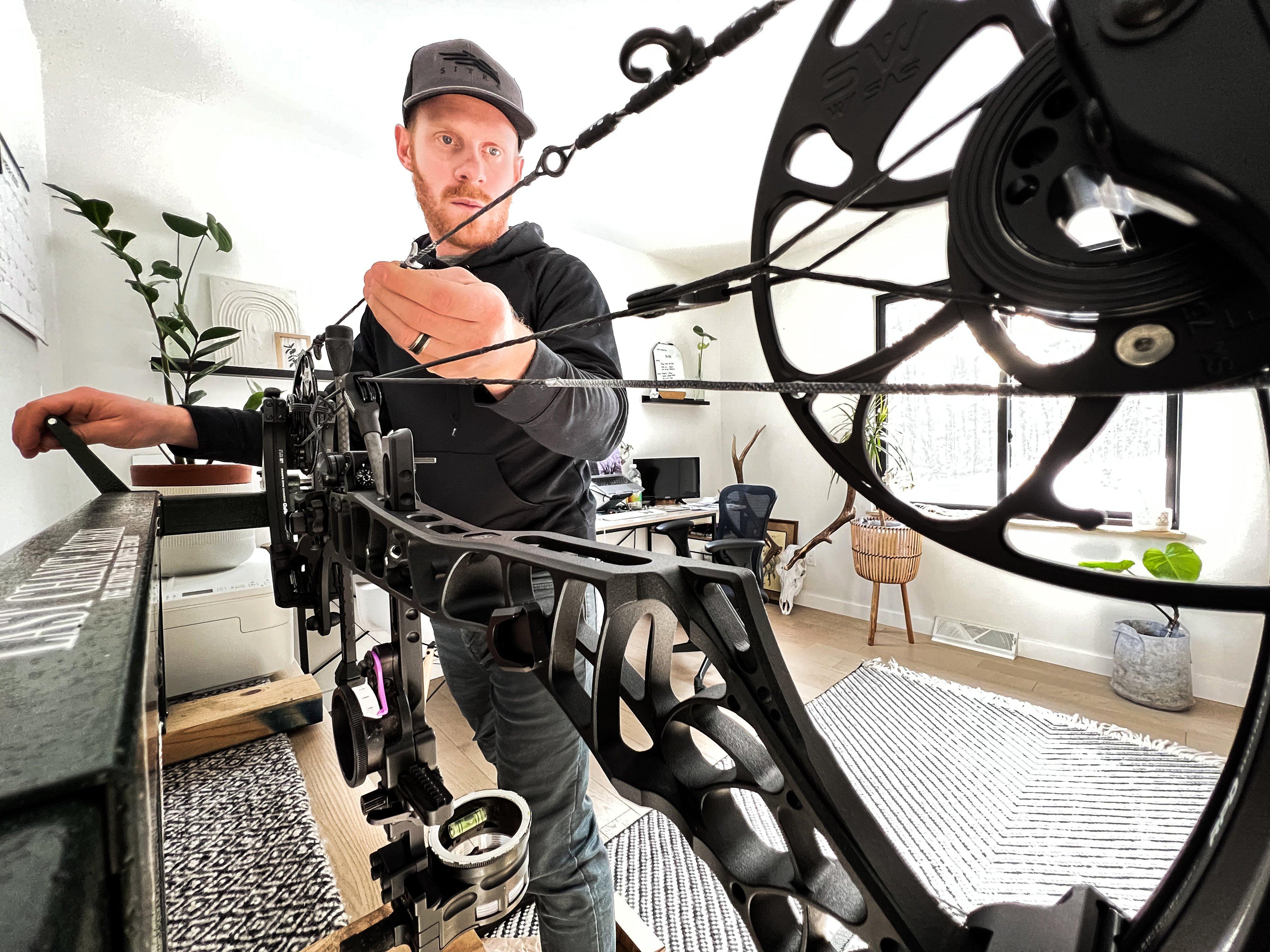
Owning and knowing how to use a bow press at home can help, but having a backup bow is the most seamless transition back to the field when your primary rig has problems. Image by Author
Having a backup bow is wise, but so is having a spare release and arrows on hand if something malfunctions or gets lost or broken. You’ll be glad to have extra ones ready to go. That level of preparation, as my Idaho elk hunt illustrates, can keep you in the hunt, even when your bow’s broken.