3 Killer Ways to Get More Bucks on Your Trail Cameras
Posted 2025-10-09 by
Struggling to capture images of the big boys you know are roaming the area? Try these proven ploys
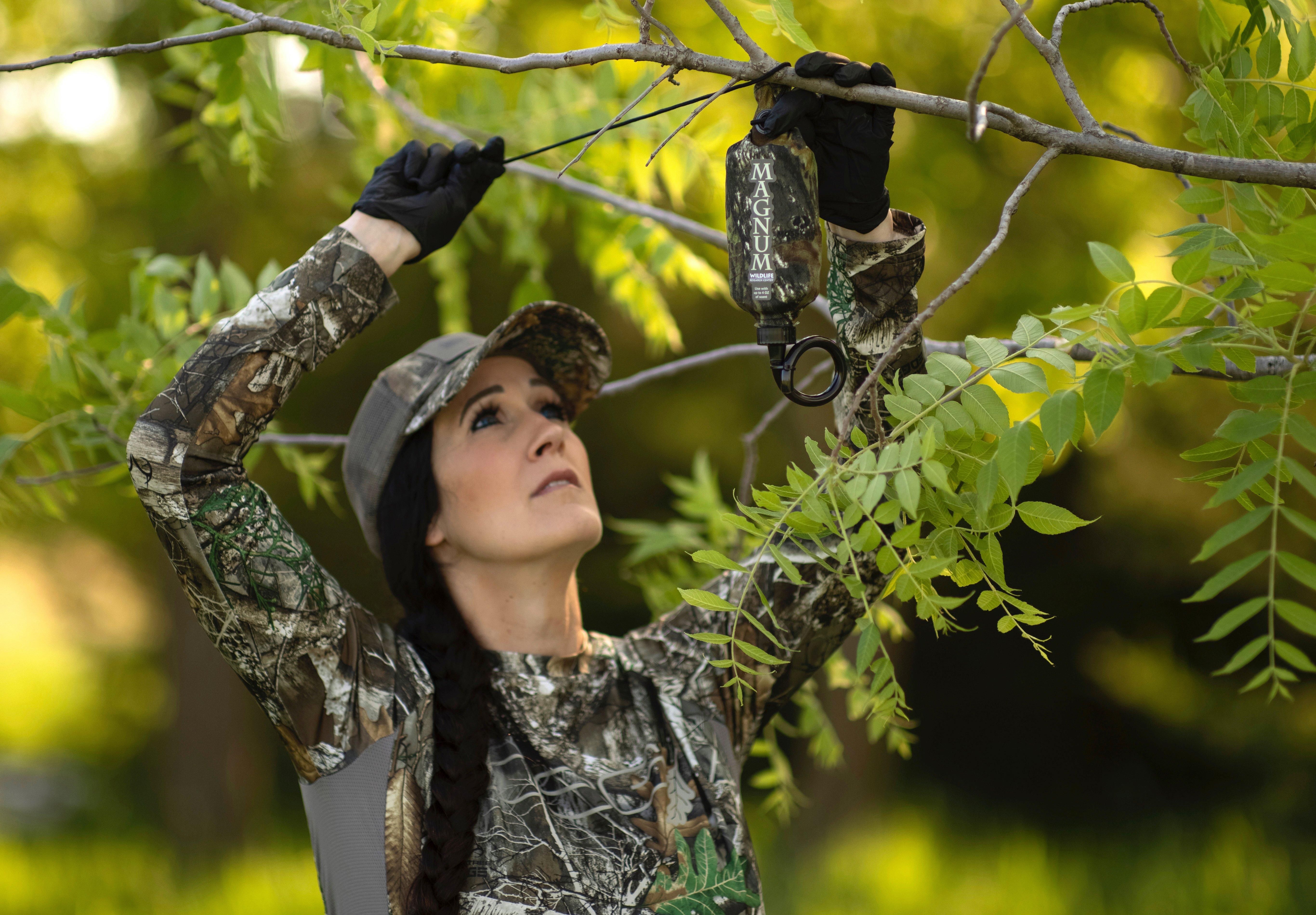
If you’re not capturing many bucks on your trail cameras, spice things up, as outlined in this article. Image courtesy of Melissa Bachman/Winchester Deadly Passion.
If you don’t have a big buck or several on your trail cameras, browsing social media newsfeeds can feel defeating. It might seem as though everyone but you has a target buck or several on camera.
The location of your property and the amount of pressure you introduce to it can influence your trail camera success, but focusing on specific areas will help you capture more images of bucks, regardless of the property’s whereabouts or the severity of hunting pressure. This is especially true if you have only one or two trail cameras. You must make the most of them.
DON’T MISS: Wisconsin Bowhunter Bags Buck With a Hole in Its Face
If you want to increase your potential of capturing more bucks on your trail cameras, rock these three tactics.
CREATE A MOCK SCRAPE AND LICKING BRANCH
Bucks don’t just scrape in late October and early November. They scrape to some extent throughout the year. I’ve seen freshly worked scrapes while spring turkey hunting in May, as well as in August and September. But if you don’t see any scrapes popping up at the property you hunt by early October, consider making your own.
Where should you create a mock scrape? Bucks tend to move along thoroughfares, such as logging roads, ridges, benches beneath ridges, narrow tree strips that connect larger blocks of woods, and food plot edges. Keep in mind that the closer you are to a food source, the later buck activity will likely transpire. In other words, you might catch daylight pictures in some locations but not at others, which can influence your hunting plans.
DON’T MISS: Giant Bucks On Tiny Properties
Look for a tree with a branch at about the height of a buck’s head. Bucks can reach anything from 4 to 6 feet above ground. When you set out to create a mock scrape, wear rubber boots and spray them liberally with a scent-eliminating spray. If you’ll be touching anything in the area, wear nitrile gloves to inhibit odor contamination.
Next, use a large stick or garden rake to clear the leaves and debris away. The presence of exposed soil alone is often enough to attract bucks in front of the camera, but spicing things up with some scents (check the regulations first) can really incite some buck action. A forehead glandular scent applied to the licking branch is a good idea, too.
INSTALL A RUBBING POST
Bucks have a knack for identifying something that stands out. Out West, I can’t count how many times I’ve seen a cedar post in the middle of a pasture whittled down from years of bucks rubbing on it. In an open area, especially a field or food plot, the visual of a cedar post can trigger bucks to visit, and if you add some curiosity scents, the action will typically occur at a higher rate. Bucks will rub the post, but they’ll also add their own forehead glandular scent to it.
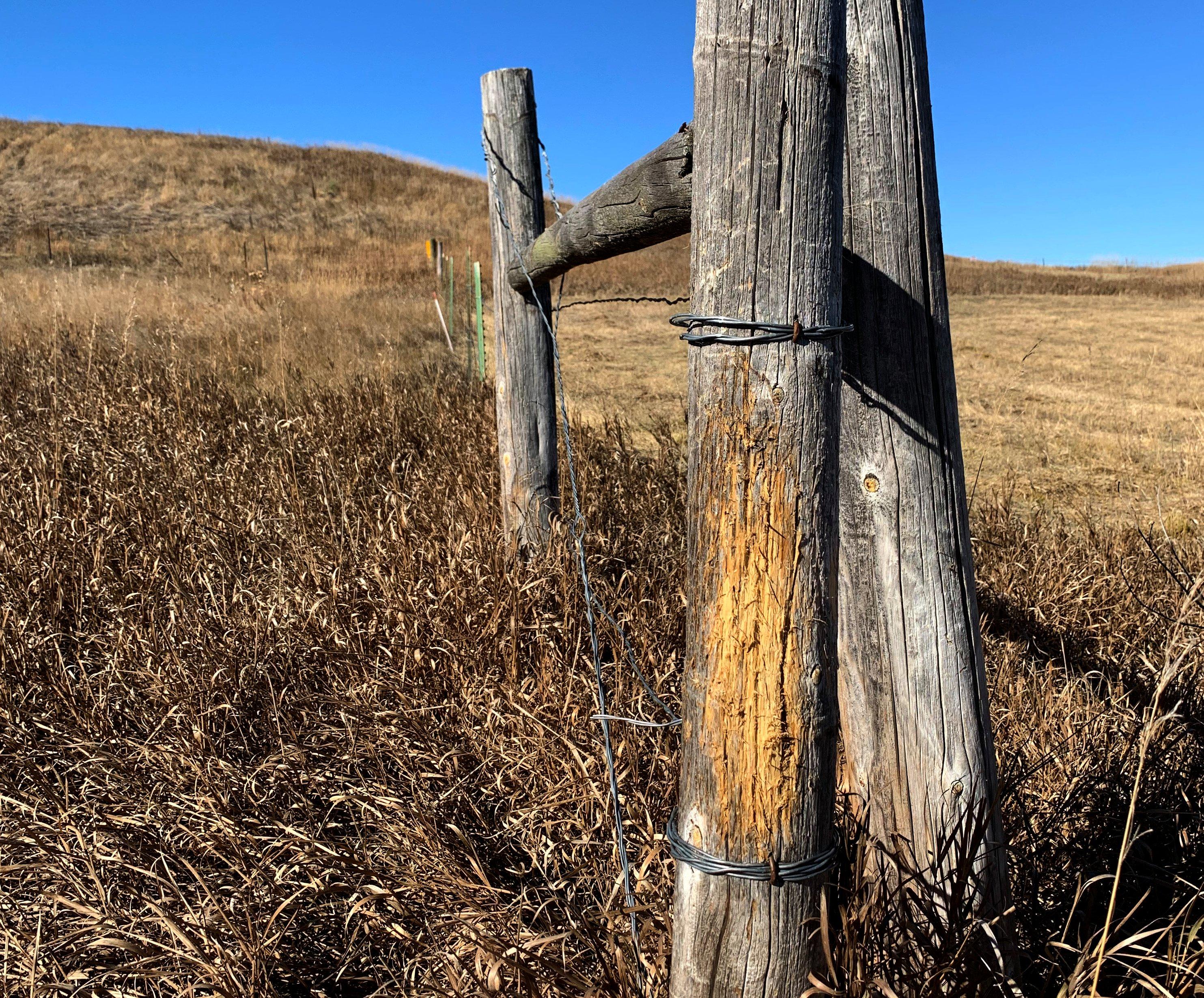
As this fence post illustrates, bucks can’t help but rub on a post that stands out. Leverage that tendency by burying a tall cedar post in your food plot, clearing, or field edge. Image courtesy of Darron McDougal.
The cool thing is that you can do this project for the cost of a cedar pole (about 4-inch diameter) and a post-hole digger or shovel, which many of you already have. It’s very DIY-friendly and worth the sweat.
MONITOR AREAS WITH HIGH DOE TRAFFIC
The closer it is to the rut, the better off you are monitoring doe groups. Think bait piles, food plots, and bedding area entrances/exits. Bucks tend to scent-check downwind of these areas in daylight, so you might not get many daytime images of mature bucks, but that doesn’t mean they aren’t there during daylight. It might simply mean that they’re checking downwind of the does and narrowly missing your camera. If you have a second camera, place it on a likely travel route downwind of the food source. An example is 20 yards off the inside corner of a field edge, where a buck can smell and see the food source without actually entering it.
Check Out Our Latest Camo Pattern: Realtree APX
WRAPPING UP
Remember, trail cameras, other than those equipped with a live mode, provide historical data. In other words, when you get a trail camera picture or video of a buck, it can help inform hunting decisions, but it’s a past event. It’s not a guarantee that the buck will walk there again, especially while you’re there hunting. Still, trail cameras can be useful and a lot of fun. And if you want to capture more buck images, set some trail cameras in the locations detailed here.


?fmt=auto&qlt=default&fmt.webp.qlt=65&fmt.png.qlt=73&fmt.jp2.qlt=35&fmt.jpeg.qlt=60)