4 Killer Fall Food Plots
Posted 2026-07-31 by
It’s time to get your food sources buttoned up for autumn. Here are some great plantings to consider
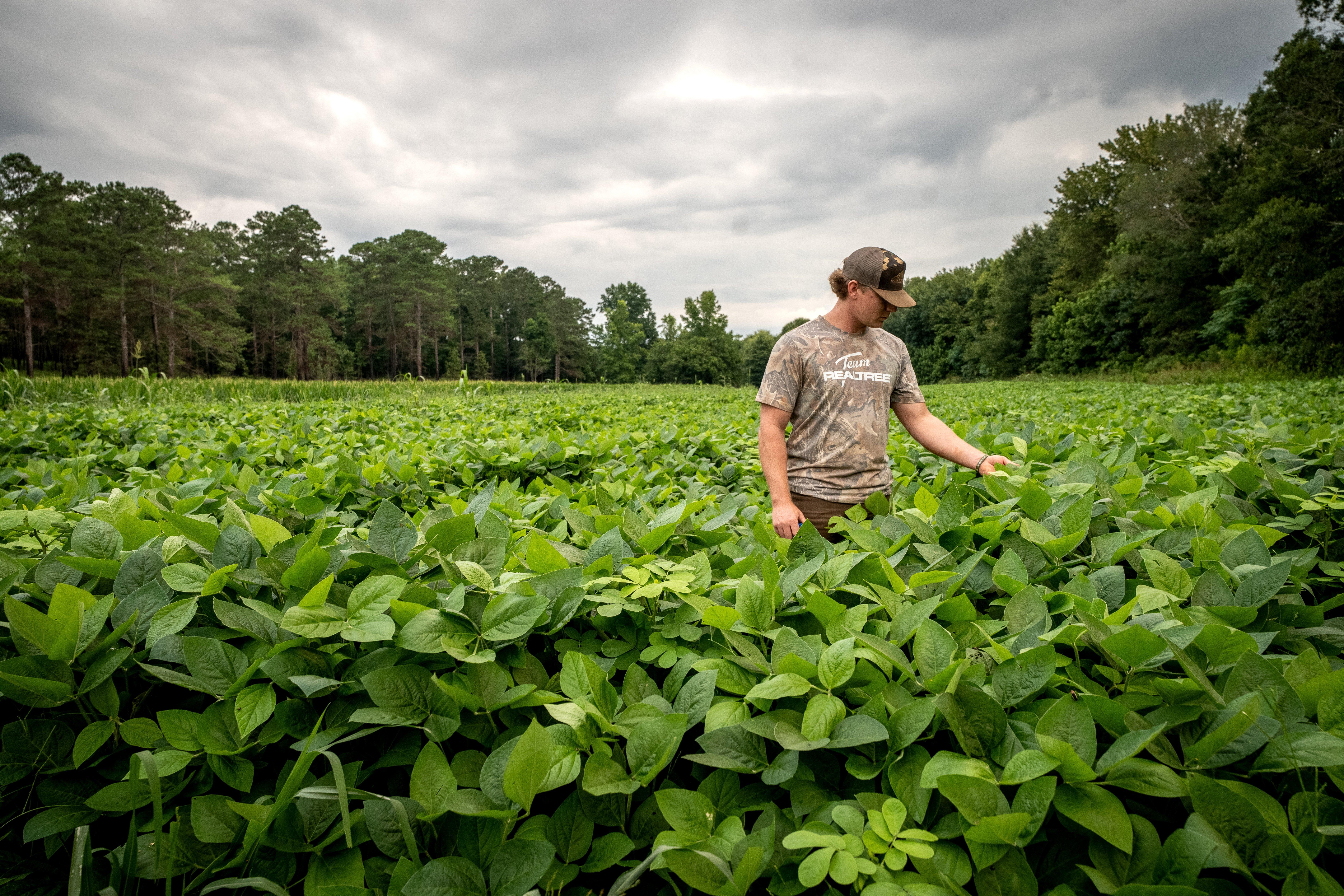
Don’t underestimate the potential of late-planted soybeans. In regions with September and October frosts, they’ll likely die before forming pods, but the bucks will love the tops during the opening weeks of bow season. Image by Realtree.
Like clockwork, a summer bachelor group of bucks is hitting your bean, clover or alfalfa field. You’ve picked out the largest one to target, and you’ve already considered where you’ll put him on the wall. Then, the bucks vanish a few days before the opener. Everything was on track, but what looked like a sure bet has fallen apart.
Stories like that are common among deer hunters. Although pressure can alter buck patterns, there are two other likely culprits. One is that buck groups often split up and change patterns about the time they rub off their velvet, which coincides with hormone changes. The other is shifting food preferences, which is the grounds for this discussion.
If you want your property to be as attractive as possible during fall, you can’t have just alfalfa or clover. Here are four hot fall plantings that are deer magnets.
1. BRASSICAS
Plantings in the brassica category include rape, kale, turnips, radishes and rutabagas. These tend to taste sweeter after a light frost. Deer will often eat the tops of turnips and radishes earlier in fall and then transition to the vegetables when they’re fully developed and after freezing conditions. When the temperatures cool, bucks become highly susceptible to brassica plots, making this a no-brainer fall planting.
DON’T MISS: BUSTED: 5 Things You Don’t Know About Deer Senses
Brassicas are highly attractive to deer because they offer a mixture of proteins, carbs, fiber and even vitamin C. Brassicas also supply high per-acre tonnage, meaning a brassica plot can withstand heavy foraging throughout the season and beyond.
2. CEREAL GRAINS
In regions dominated by cornfields, offering something different can lure bucks to your property. Think cereal grains, such as rye, wheat, oats and triticale. Cereal grains are great for your soil health and managing weeds. They’re easy for whitetails to digest and high in carbohydrates. They’re fast and easy to establish, and deer are known to take to them within weeks of planting.
Cereal grains can be tossed in with brassicas, and they can attract deer to your brassica plots early in fall and keep deer hooked on that area. After the brassicas sweeten at the onset of freezing temperatures, deer will transition from eating the grains to the now-sweet brassicas.
3. SOIL CONTACT BLENDS
If you have a small clearing or a section of a logging road that gets some sun, consider the simplicity and effectiveness of an easy-to-grow seed blend designed to grow without tilling equipment. Simply clear leaves and debris to expose the soil, promoting seed-to-soil contact. Lime and fertilizer per the seed supplier’s instructions can enhance your results.
DON’T MISS: How to Cut Costs on Traveling Deer Hunts
These blends often consist of annual clovers, brassicas, radishes and cereal grains. This gives deer variety that keeps them coming back all fall, and such plots are usually tucked away and inaccessible to large equipment. In other words, when competing soft- and hard-mast foods become available, the proximity of such a plot to those competing food sources makes it a convenient spot for a buck to stop in for a quick bite or even to check for does during the rut.
4. SOYBEANS
Wait a minute. Aren’t soybeans a spring planting? By and large, they are. But have you noticed deer tendencies around soybeans? They hit spring-planted soybeans hard before the pods form. Visit a soybean field right now, and you’ll see the tops snipped off. Soybeans take a back seat after corn cobs are formed and even more when acorns begin hitting the ground.
Check Out Our Latest Camo Pattern: Realtree APX
If you do the math, late-planting some soybeans means you’ll have a stand of beans without pods during bow season. They’ll be in the stage when deer hammer the tops. The attraction will be high but likely short-lived, as planting late, especially in the North, often means that frost will hit before the plants produce any pods. For September and early October hunting, late-planted beans can attract lots of deer.