6 Tendencies of Big Whitetail Bucks
Posted 2025-09-11 by
Most mature bucks share these traits, and banking this knowledge can help you hunt big deer more effectively
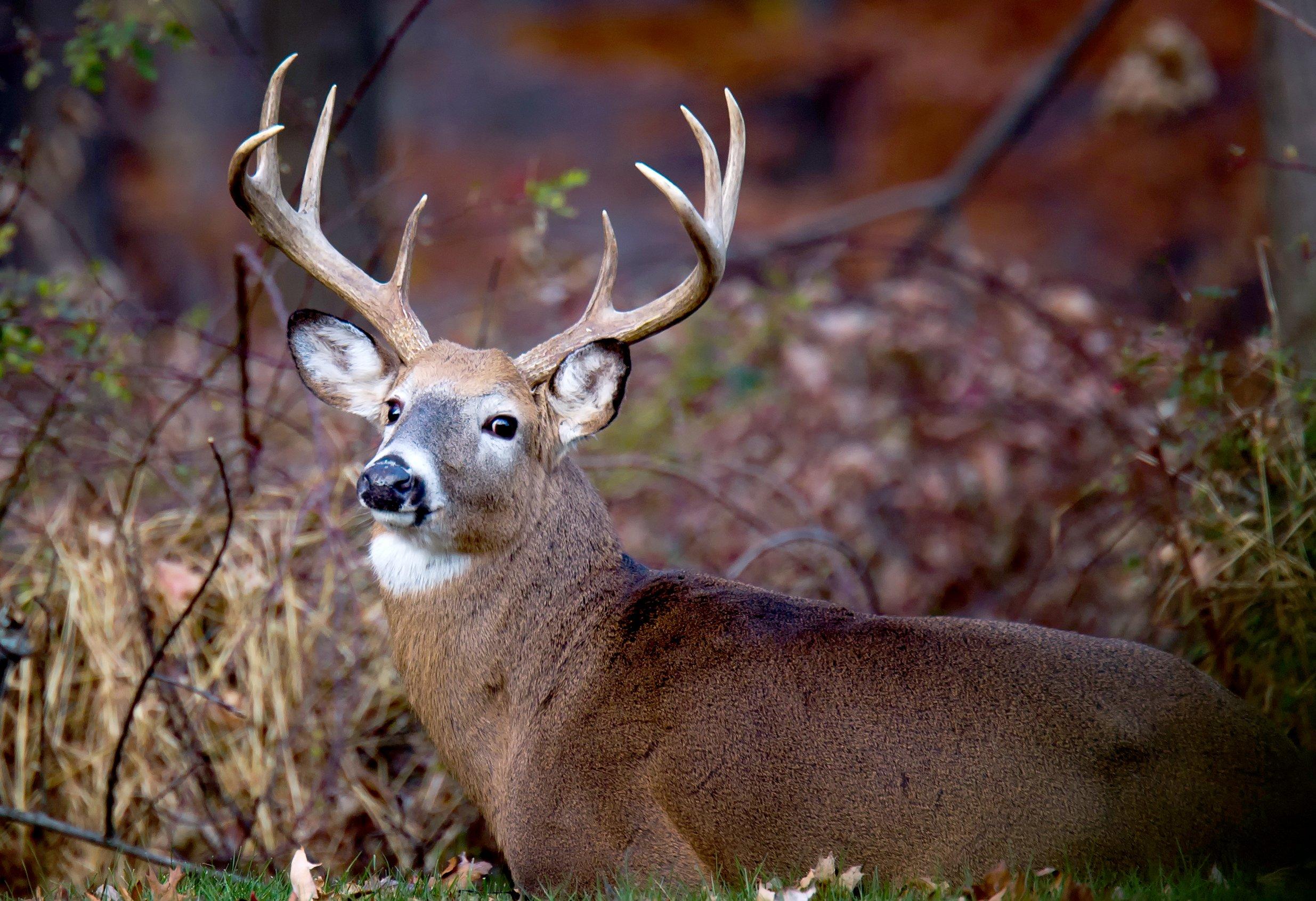
Mature bucks require hunting tactics far more detailed than those that work on immature bucks, and knowing how these deer operate can inform your approach. Image by James E. Seward.
Big bucks, especially those that are 4-1/2 years old or older, can be difficult to kill. Hunting tactics that work to harvest does and young bucks rarely produce encounters with mature bucks. Encountering a mature buck often requires a unique approach with a keen attention to detail.
If you crave the opportunity to kill a big, mature buck but can’t seem to get those planets to align, study these big-buck tendencies so you can craft a more effective hunting strategy.
1. THEY SEEK ISOLATION FROM HUNTING PRESSURE
Insanity is doing the same thing again and again and expecting different results. I see it constantly on public land. The obvious food sources always have stands or trail cameras over them. Everyone sees the concentrated deer sign and believes they’ve found the hotspot. The problem is that the sudden influx of pressure affects daylight deer movement at that location. Sure, big bucks might have been feeding there in daylight during summer, but the onset of hunting season can quickly thwart that routine.
DON’T MISS: 5 Things I Got Wrong About Hunting Mature Bucks, and 5 More I was Absolutely Right About
A mature buck might continue to feed at the food source at night, but he won’t likely be susceptible there in daylight. To catch him during daylight, push deeper than everyone else to get in his wheelhouse, because big bucks isolate themselves from pressure.
2. THEY GET ON THEIR FEET IN DAYLIGHT
Deer hunters constantly toss around the word nocturnal. It’s a fact that deer — especially big bucks — tend to move a lot after shooting hours. However, regardless of how many pictures you get of big bucks in the dark, they are on their feet during daylight somewhere.
Research proves that deer, including mature bucks, rise periodically throughout the day to shift beds, eat, defecate and urinate. They might move 5 yards, or they might move 500 yards, depending on the time of the season, but they stand up and move. Just because they’re not visiting your food plot until nighttime doesn’t mean they aren’t killable somewhere else. It only means that you’ll have to figure out where they are on their feet during daylight. Often, it’s very close to their bedding area.
3. THEY PREFER SECLUDED FOOD SOURCES
When big bucks disappear at food sources where hunting pressure isn’t the issue, the cause is likely because of food availability. Big bucks that were once regulars at alfalfa or soybeans have likely shifted to hard mast, which is available in the timber with more security cover. In other words, they don’t have to move as far or expose themselves to feed. Sometimes, acorns might hit bucks right on their foreheads as they lie in their beds. Not seeing bucks in fields? This is likely the culprit.
4. THEY USE THE TERRAIN TO THEIR ADVANTAGE
In areas with terrain, you can bet it will influence a big buck’s bedding and traveling habits. Typically, they shift their bed sites based on the wind direction so they can see downwind and rely on their nose for danger approaching from upwind. And as far as traveling, they often take easy yet discreet routes that provide more coverage. Think shelves below ridge tops and saddles between ridges.
5. THEY DON’T RUN AROUND ALL DAY DURING THE RUT
Some deer hunters mistakenly believe that bucks, including big ones, run around all day during the rut. Unfortunately, it isn’t true. Although a big buck is equally likely to run by your stand at noon as he is at 8 a.m., it doesn’t mean he’s on his feet the entire day, especially during the peak rut.
DON’T MISS: South Carolina Girl’s First Deer is a Full Velvet Monster
Many hunters think of the peak rut as the time when the most bucks are running around in daylight, but it’s actually the period when bucks are doing the most breeding. If you know anything about deer breeding, a mature buck typically goes into lockdown. He and the doe he intends to breed usually hide out in a secluded place where few or no other deer will go, and they move very little for 24 to 48 hours. If you aren’t seeing bucks from your treestand, that could be why.
6. THEY HIT HIGH-QUALITY FOOD AFTER THE RUT
Typically, the most abundant high-quality food source in the area will have most of the deer activity when the rut is finished and winter survival instincts kick in. Bucks lose substantial body mass from chasing does and eating minimal food during the peak breeding period, and in cold climates, they must replenish fat, or winter will nab them.
Check Out Our Latest Camo Pattern: Realtree APX
If you don’t have a winter food source such as brassicas, corn, soybeans, or winter wheat, you probably won’t have very many deer. Properties that have such food sources will likely have most of the deer within a square mile.