5 Things I Got Wrong About Hunting Mature Bucks, and 5 More I Was Absolutely Right About
Posted 2025-09-10 by
After decades in the woods and years in the hunting industry, the author reflects on deer hunting trends of the past, present, and future
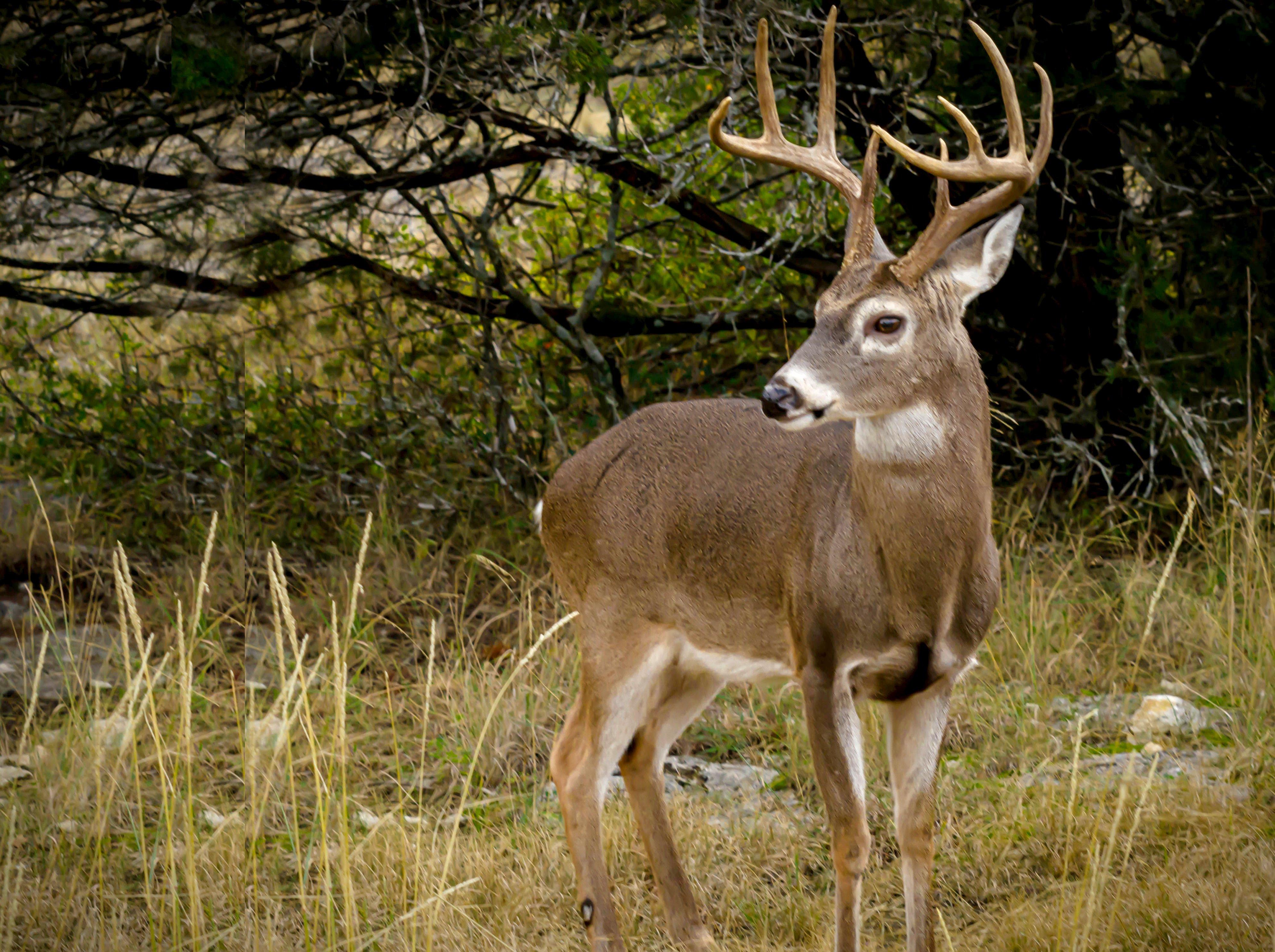
Opinions can change with experience. Not everything the author believed about hunting mature bucks years ago ended up being true. (Photo by Berry Medley)
Whitetail hunting will humble you. I’ve had plenty of instances where it certainly humbled me. The deer write the rules. I just try to catch up.
I’ve had my share of revelations about deer hunting, after several decades of doing it and a number of years spent working in the hunting industry as an outdoor writer, editor, and digital content producer. Some of those revelations have been painful, while others have been validating. Looking back, there are five beliefs I once held as gospel that turned out to be flat-out wrong. And there are five other convictions I had early on that time, deer, and experience proved were even more true than I realized.
5 THINGS I HAD WRONG
1. Scent Control Products Really Help
When I started bowhunting, I bought into the marketing machine: I used sprays, soaps, ozone generators, you name it. I thought if I spent enough money, I could fool a whitetail’s nose. Hard truth? I couldn’t. Deer live and die by their sense of smell. I’ve played the wind religiously and killed deer. I’ve trusted a bottle of scent spray and watched tails flagging into the next county. What I eventually realized is this: no product is more powerful or effective than simply hunting the wind. It’s not that scent-control gear is useless or provides no advantages at all. But if you think it will let you get away with sloppy setups, you’re wrong.
2. Standing Corn Makes Hunting Tougher
For years I dreaded October, when the corn still stood tall. I saw those endless rows as cover for the deer and a wall between me and them. But after enough seasons spent on ag ground, I’ve flipped my thinking. Standing corn creates some of the best edge habitat around, and it usually means mature bucks are nearby. Instead of being frustrated by standing corn, I learned to use it — setting stands along edges, hunting pinch points, or even slipping into the corn itself to intercept travel. When the combines roll and the cover disappears, deer scatter. Standing corn is not the enemy. It’s an opportunity.
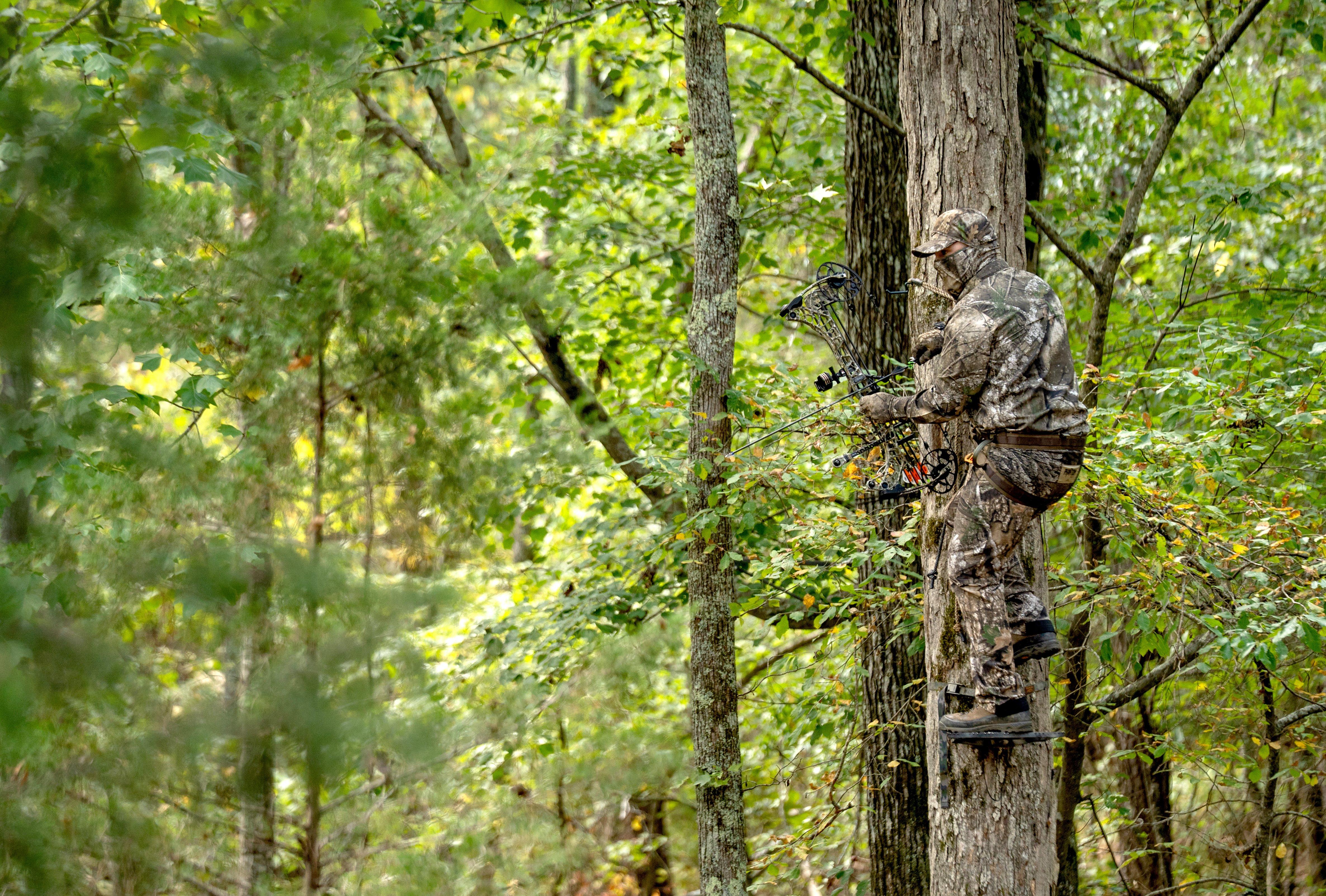
Public land can still produce great bucks, but in some places there’s more pressure than ever. (Photo by Realtree)
3. Public Land Can’t Produce Big Deer
When I was younger, I never even considered hunting public land. I believed private land was the sole domain of record-book bucks. Then I hunted public in a place where few humans do. That experience changed everything for me. I saw more fully mature deer in a week than I had seen in a lifetime of hunting around home in southern Michigan on private ground. It was incredible. And … it was destined to end.
4. Early November Is the Best Time to Kill a Mature Buck
Like every other hunter, I circled the first week of November on the calendar. I believed those magical rut days provided the best chance for a giant. And sure, plenty of big bucks hit the dirt then. But I’ve since learned that the “best” time is when I can hunt deer that aren’t seeing as much hunting pressure. That might be mid-October. Or it might be the last week of October when bucks are hitting scrapes hard and most guys are making plans for the first week of November.
Don’t Miss: 5 Things to Consider When Shopping for New Whitetail Binos
The best day isn’t a date. It’s when the deer are moving in daylight and you can hunt them without being overran by other hunters.
5. You Need Fast Arrows to Kill Deer
I used to chase arrow speed like it was the Holy Grail. Every bow setup was designed to crank out the flattest trajectory possible. But deer aren’t targets, and the speed obsession was misplaced. Heavy, quiet arrows tuned for accuracy kill deer — period. In fact, heavy arrows going slow often penetrate better and deliver quicker kills than lightweight arrows moving fast. After watching heavy arrows blow through big deer at modest speeds, I stopped caring about velocity figures and started caring about arrow construction — and shot placement above all else.
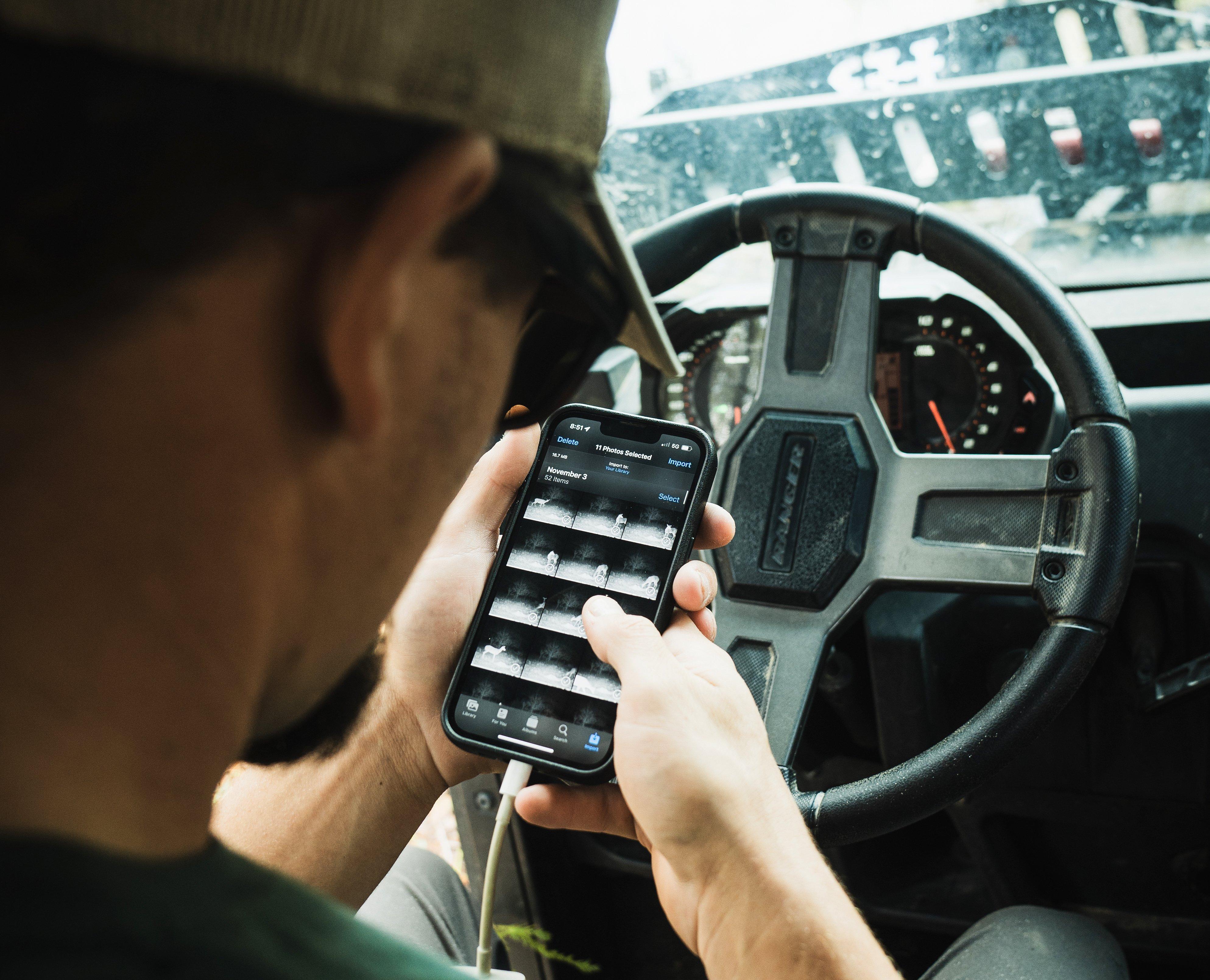
The effects of pre-season scouting can often be seen on trail camera images as deer respond to the influx of human intrusion. (Photo by Realtree)
5 THINGS I HAD RIGHT
1. Public Land Success Is Getting Harder
Yes, I’m contradicting myself. And I wish I wasn’t. Public land certainly can produce big deer, but consistent success is getting harder every year. Hunting pressure has exploded. Trail cameras, mapping apps, social media, and YouTubers have left no secrets. Spots that once held reclusive bucks now see boot tracks daily. Over and again I’ve seen hunters who are embracing aggressive “mobile” tactics that ruin properties in a matter of hours. I still hunt a bunch of public … but I spent far more time now trying to find alternatives to it than before.
2. Scrapes Are Killer Spots to Target Mature Deer
I’ve always believed scrapes were more than just signposts — they’re social hubs. Time has proven that right over and again. Bucks may not always hit scrapes in daylight, but scrapes are incredible inventory tools. Hang a camera on a primary scrape and you’ll see nearly every buck in the area sooner or later.
There is no sign or situation that can more accurately predict the return of a buck to a specific location in the future than a scrape. I’d say 90-plus percent of my hunting efforts this season will be focused on or directly related to scrapes. They’re that good.
Don’t Miss: How to Deer Hunt a Heavy Acorn Crop
3. Trail Cameras Are Essential
Some hunters think cameras ruin the romance. I think they reveal the truth. From inventorying deer to understanding patterns to identifying pressure, trail cameras have become as important as a bow. I was convinced of this years ago. Today, it’s a non-negotiable with me. Cameras save time, reduce hunting pressure and give you intel you can’t get any other way. Without them, you’re hunting blind in a game where the odds are already stacked against you.
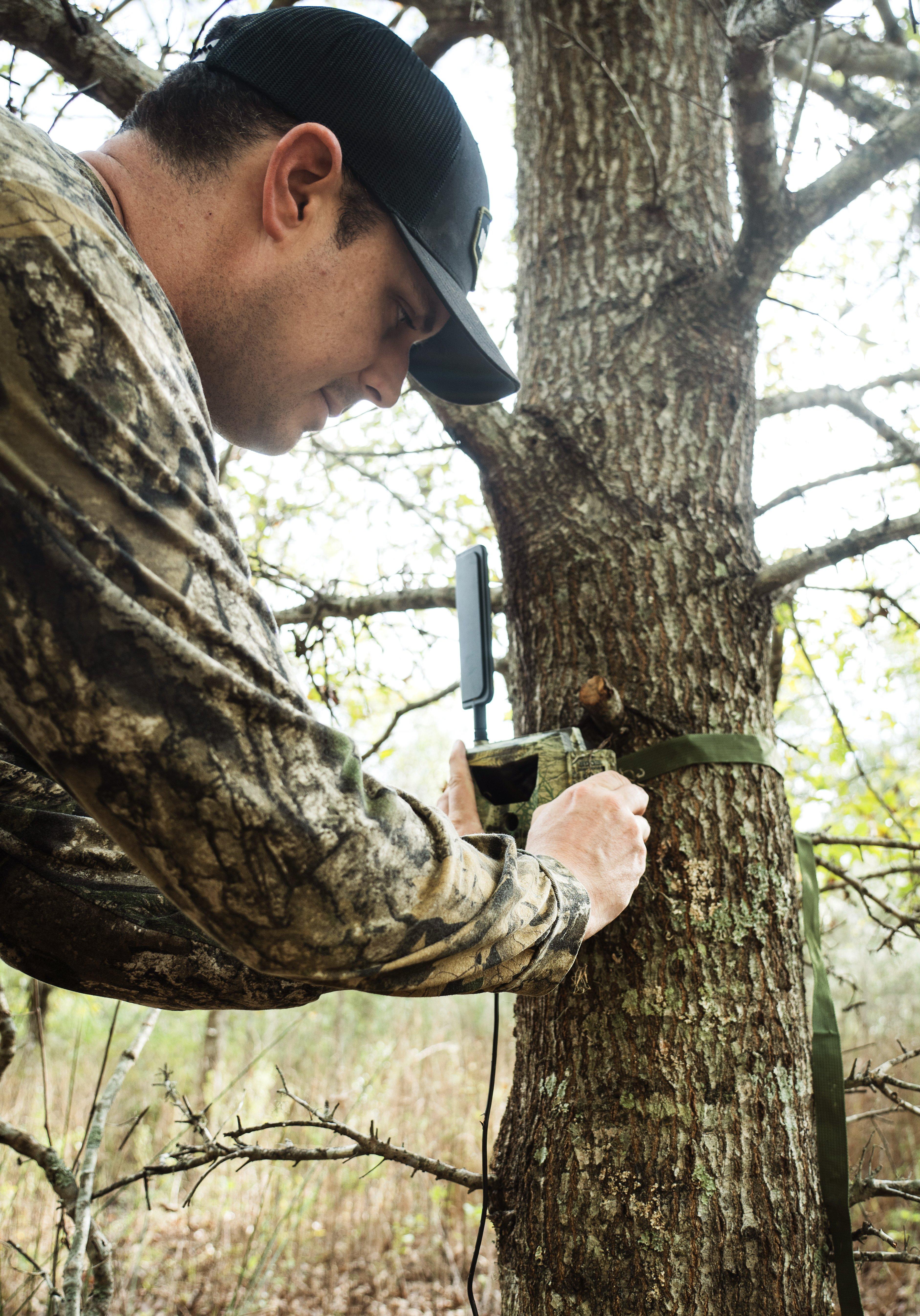
Trail cameras provide the deer behavior intel you need while limiting pressure and saving time. (Photo by Realtree)
4. Hunting Pressure Trumps Everything Else
Food, cover, and weather are all important. But the factor that overrides everything is pressure. A mature buck will abandon the best food source in the county without hesitation if people keep bumping him. He’ll ghost out of prime bedding if boot tracks show up. I suspected this early in my hunting career, but the more seasons I logged, the clearer it became. Pressure dictates where and when mature bucks move. Learn to read pressure — your own and others’ — and you’ll understand deer better than any habitat study could teach you.
5. Preseason Scouting Educates Deer
I’ve always been careful with preseason scouting efforts. Now, thanks to the intel available from cell cameras, I can see in real time the impact that preseason scouting efforts have on whitetails.
Don’t Miss: 10 Tips for Better Bow Stands
I know with certainty when local bowhunters are getting food plots in, placing cameras and doing the standard preseason scouting end prep routine. I know because my cameras light up with deer activity as the animals react instantly to the influx of human intrusion.
Preseason scouting, in my opinion, offers minimal upside and dramatic downside. Those velvet bucks you spot all summer? Odds are low they’ll be there come fall … even lower if you’ve been messing around in their neighborhoods.
About the Author: Tony Hansen is the former editor of Realtree.com, and a widely published authority on hunting whitetails. His online video series, Antler Geeks, highlighted aggressive public-land hunting tactics years before it was cool, and helped pave the way for many of today’s most popular digital hunting shows.