How to Plant Better Food Plots for Less Money with Mapping Apps
Posted 2025-10-16 by
Using software like onX Hunt can help land managers precisely plan new plots and apply the correct amount of fertilizer, lime, and seed
Have you checked the price of fertilizer lately? It’s been increasing dramatically, to the point that fertilizer costs are dramatically increasing production costs for farmers. Of course, that makes food plots more expensive, too, at least if you want to do them the right way.
Plenty of food-plotters find success by breaking up some dirt, buying a bag or two of seed, and broadcasting it along with a few bags of pelletized lime and 15-15-15 fertilizer from the local co-op. That can work, but over the long run you can probably save money—and grow more productive food plots—by getting regular soil tests of your plot and then applying lime and fertilizer to match the recommendations for the crop you’re planting.
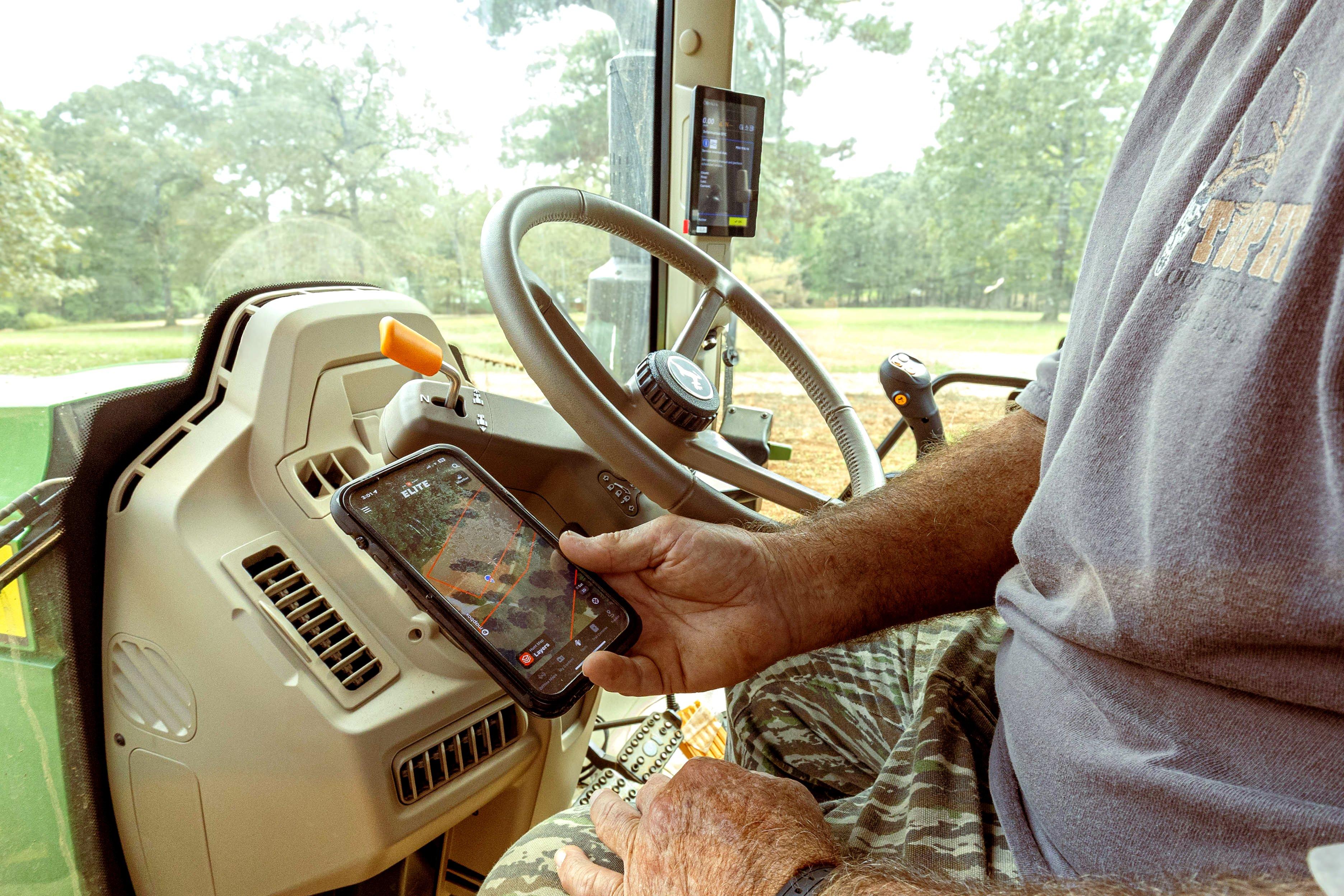
Programs like onX Hunt allow managers to map food plots for precise lime and fertilizer applications.
Those soil tests general provide per-acre recommendations for lime and fertilizer. Many soils, especially in fallow areas, are acidic and benefit from a generous lime application to increase pH levels. And certain food plot plants benefit from specific types of fertilizers. Clovers and other legumes, for example, often need more phosphorus and potassium (potash), while cereal grains like wheat and oats might call for more nitrogen. Food plotters can study the labels on bagged fertilizer to understand what nutrients they’re getting, and also how much they need to purchase for the acreage being planted. Sometimes it’s far more cost effective to have fertilizers custom blended than to buy the prebagged stuff. That’s where mapping applications like onX Hunt can become especially useful.
It's easy to misjudge the size of the area being planted, and many food plotters overestimate the size of their plots. A full acre is bigger than many people realize (about 70 yards by 70 yards if perfectly square), and a good many plots are actually much smaller, often just a half- or quarter-acre. That means if you’re purchasing the volume of seed, fertilizer, and lime recommended for a full acre, you’re spending about twice of what’s needed. Furthermore, applying all of that stuff in such a small area can be counterproductive, altering your soil’s pH and nutrient levels for the worse, and creating too much competition among sprouting food plot seeds if the seeds are planted too heavily.
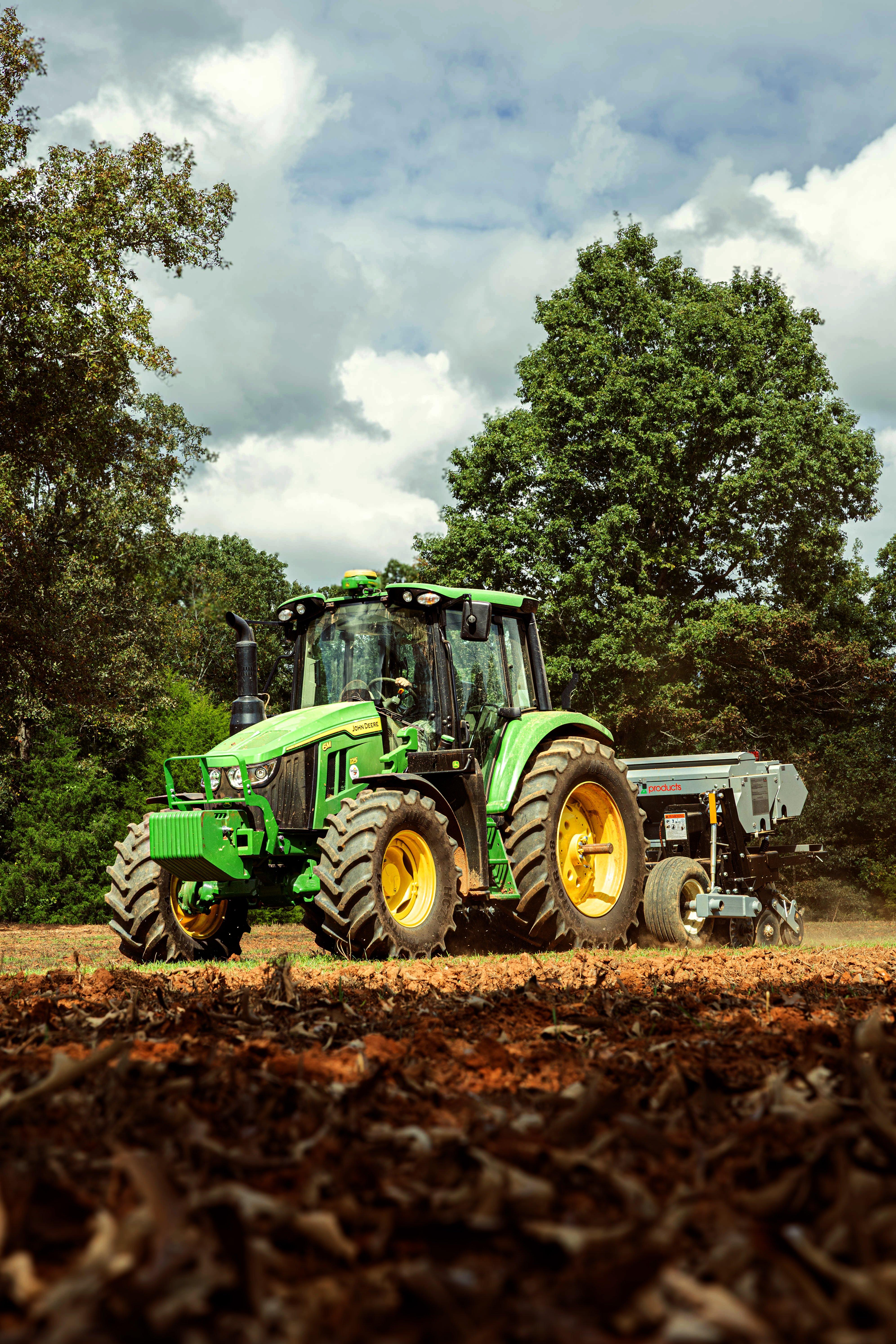
Are you spending too much money on seed? You could be. Precise planning allows food plotters to save money over the long haul.
Roger Culpepper, manager of Realtree Farms, plants as many food plots as anyone, and he relies heavily on onX Hunt to map and plan every new plot. “If we’re breaking ground on a new plot, or even just looking at a new area that we might want to plant, it’s easy to pull up the Tools in the app and make a quick Area Shape on the potential plot. You can save that shape, and see the exact dimensions and size of it, which will help you down the road, after you get a soil test and need to buy fertilizer, lime, and seed,” Culpepper says.
Don’t Miss: 8 Reasons Why Food Plots Fail
“OnX is also useful if you’re looking to clear brush and saplings with heavy equipment to establish a new plot,” he continues. “Many dozer and excavator operators these days use onX themselves, and you can map a spot out and show them exactly what you want cleared and what you want left alone. The days of having to depend on flagging tied to trees, which is easy to miss from up in the cab of a bulldozer, are over.”
Mapping apps continue to be useful to food plotters even after the plots are established. Offline maps can be downloaded, saved, and referenced in the field, even in areas with limited to no cell phone service. And entire farms can be mapped and viewed on the macro scale by creating Hunt Areas, a feature under My Content within onX Hunt. Managers can outline property boundaries and specific food plots, mark the locations of stands and trail cameras, save photos, study elevation, wind direction, and more.
Don’t Miss: Realtree’s Rut Report, Updated All Deer Season Long