How to Grind Wild Turkey Legs
Posted 2026-05-20 by
Ground meat from legs and thighs puts the whole bird to use, and is excellent for meat balls, sausage, burgers, meatloaf and more
I’m trying. I keep extolling the virtues of turkey legs and thighs, but every spring I run into numerous hunters who don’t keep half the meat from their wild turkeys, always for the same reasons: “They are too tough and stringy, they take too long to cook, they don’t make good fried turkey nuggets.”
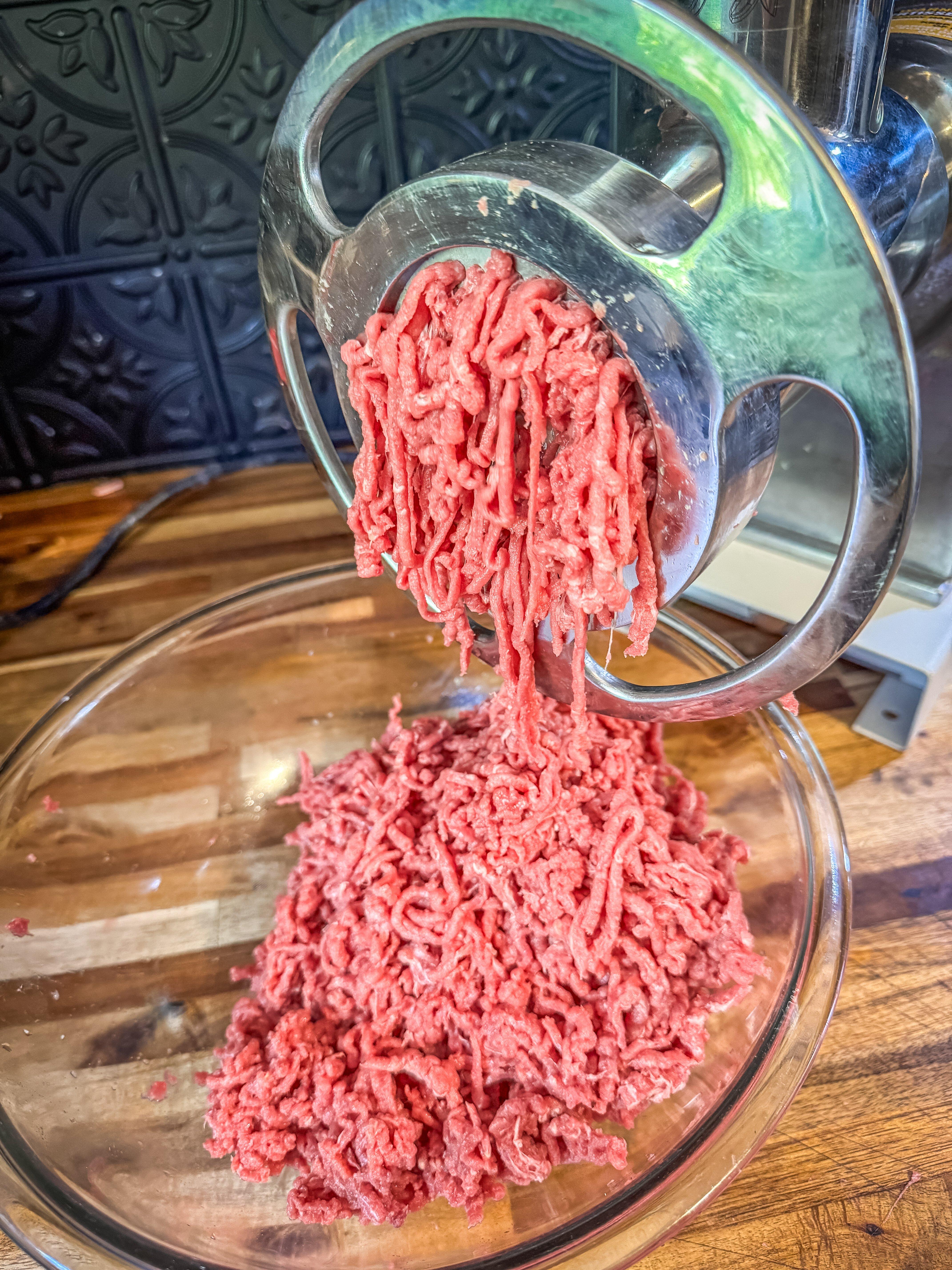
If you don’t usually keep your turkey legs and thighs, try grinding them for more versatility. Images by author
If you leave the legs and thighs whole, the best way to cook them and make them tender and delicious is a slow simmer or braise to break down the connective tissue. From BBQ to soup, we’ve posted several turkey leg recipes here at T2T that use this method.
There is another way if you don’t want to cook the legs and thighs whole. If you have a meat grinder, and every hunter should, you can bone out the quarters and make ground turkey. And with ground turkey, you can cook just about anything that you can cook with ground venison or burger. Meat balls, sausage, burger, meatloaf, you name it.
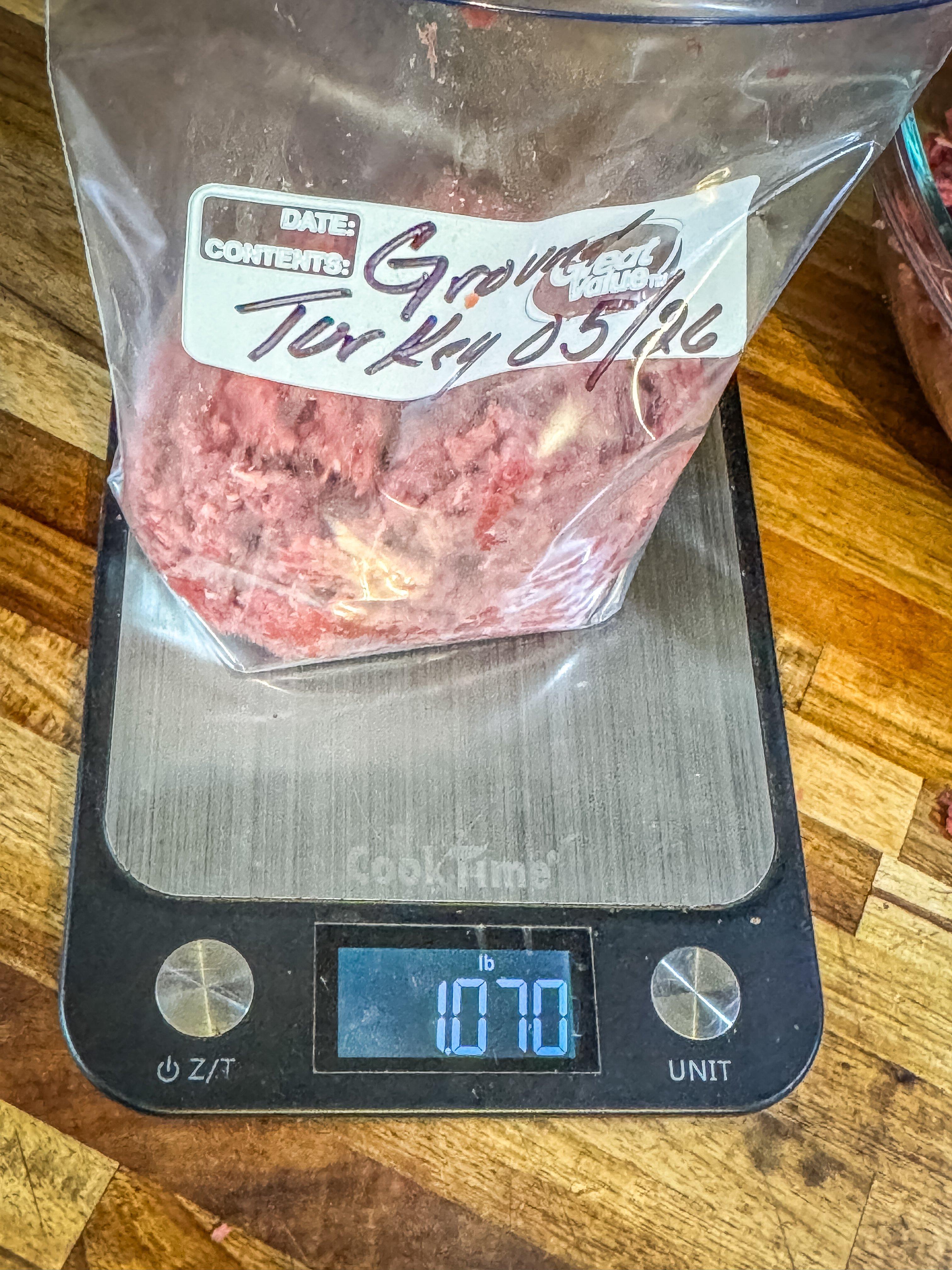
Ground turkey is perfect for burgers, meatballs, tacos or chili, along with many other uses.
Start with your grinder. As a hunting family, we process a lot of game each season. With that in mind, I wanted a heavy duty grinder that would handle all our needs and last for years. I’ve tried a bunch and my favorite is the MEAT! 1.5 horsepower model.
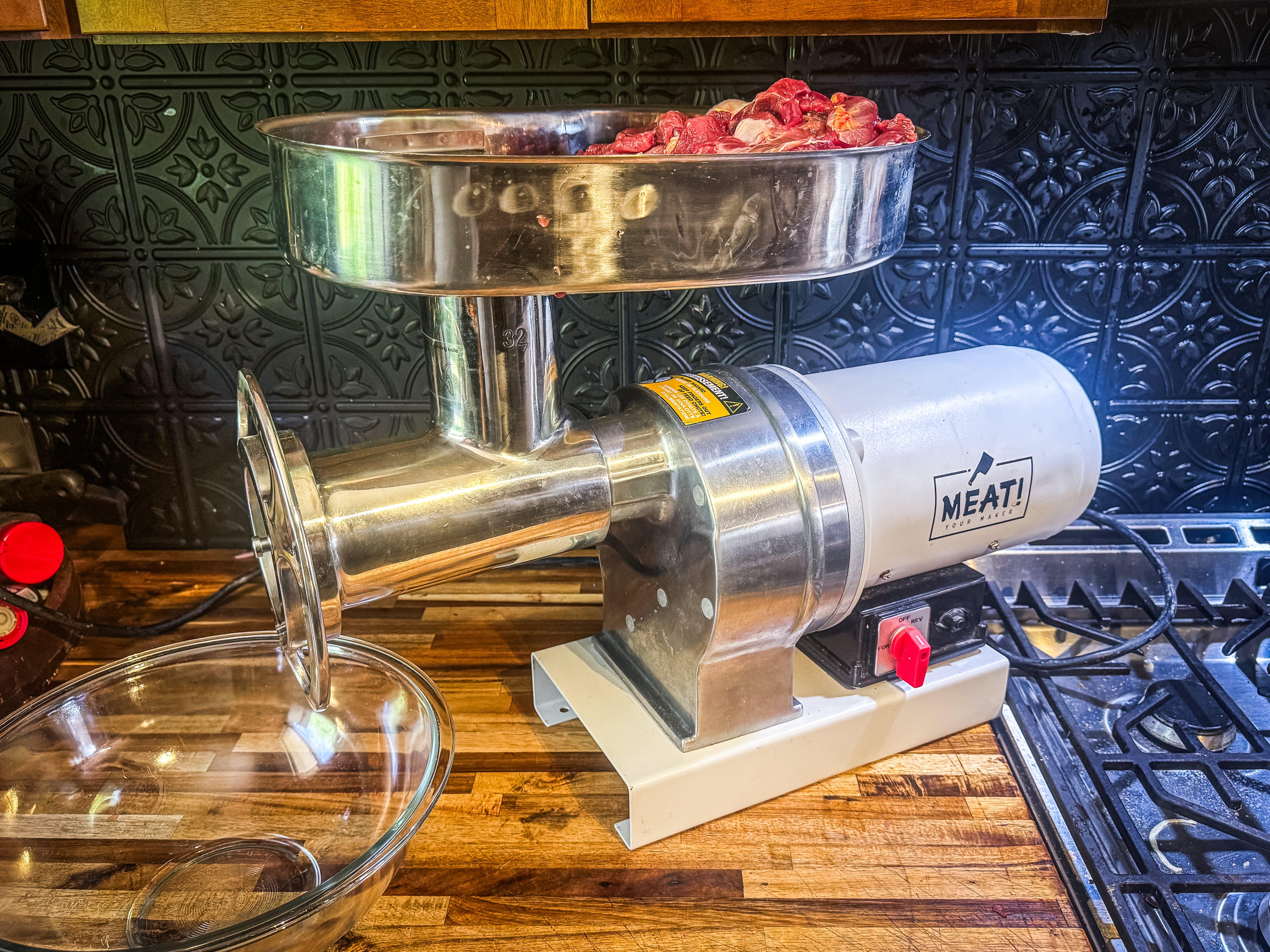
Every hunter should own a grinder for at-home processing.
Admittedly, it is a bit of overkill for most of our grinding needs, but the power is there if we need it and it doesn’t overheat with prolonged use. I highly recommend it. If you don’t need quite that much horsepower, they make some nice smaller units as well.
Don’t Miss: CRISPY WILD TURKEY CITRUS STIR FRY
As stated earlier, one of the main issues with a turkey leg and thigh is all of the connective tissue. Turkeys run a lot and the muscles in their legs see a lot of use. Use a sharp filet knife to trim out the tendons and connective tissue so that you have boneless chunks of meat to grind.
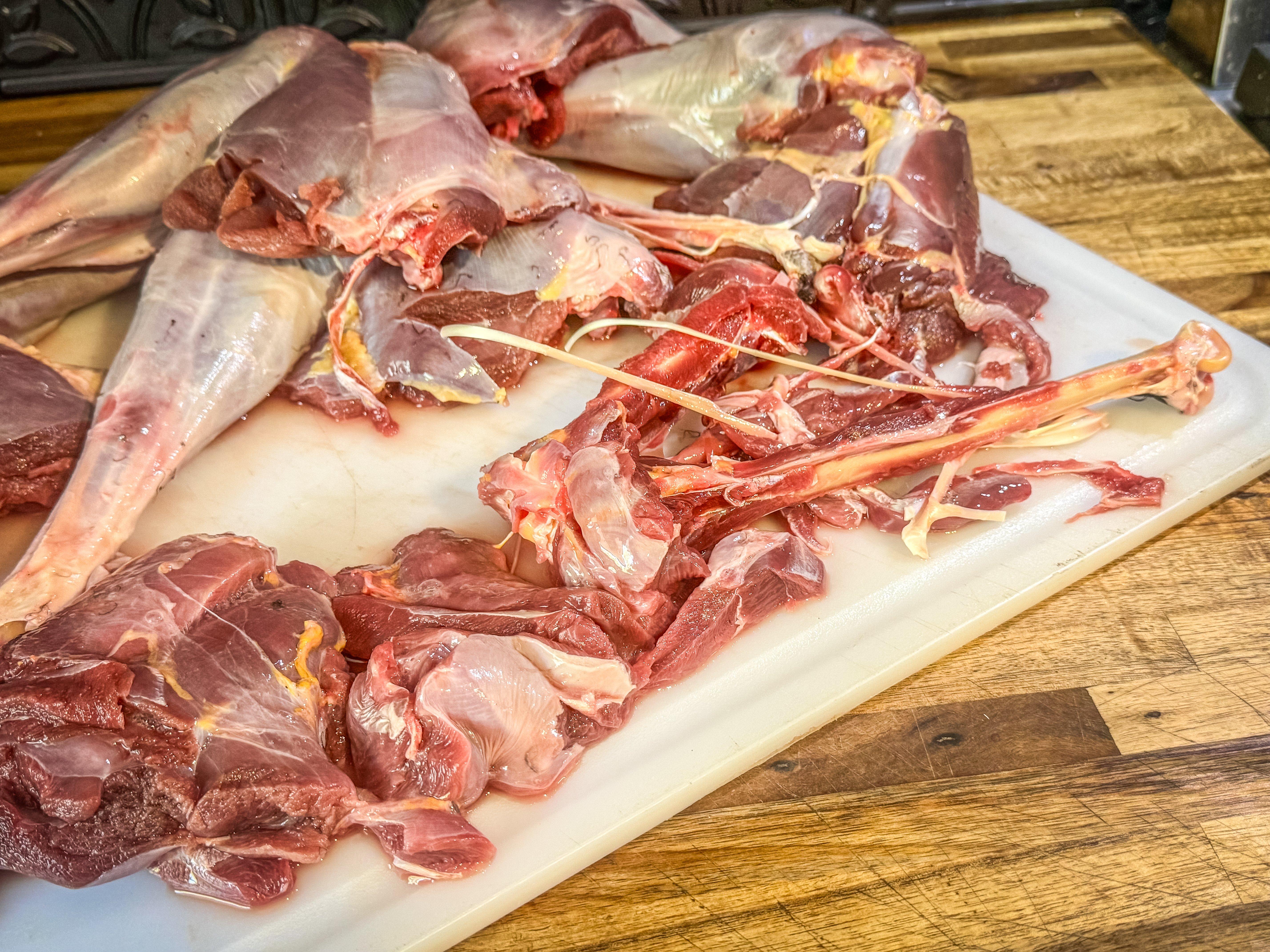
Use a sharp knife to trim the meat from the bones and tendons.
Another tip, and this is particularly important for hunters using TSS shot, is to inspect the meat for any errant pellets that might have made it into the leg/thigh area. Most grinders work on a pretty tight tolerance, and even a small #9 TSS can break a blade, damage a grinding plate, or leave a deep gouge in the barrel of your grinder, making it hard to clean and giving bacteria a place to hide.
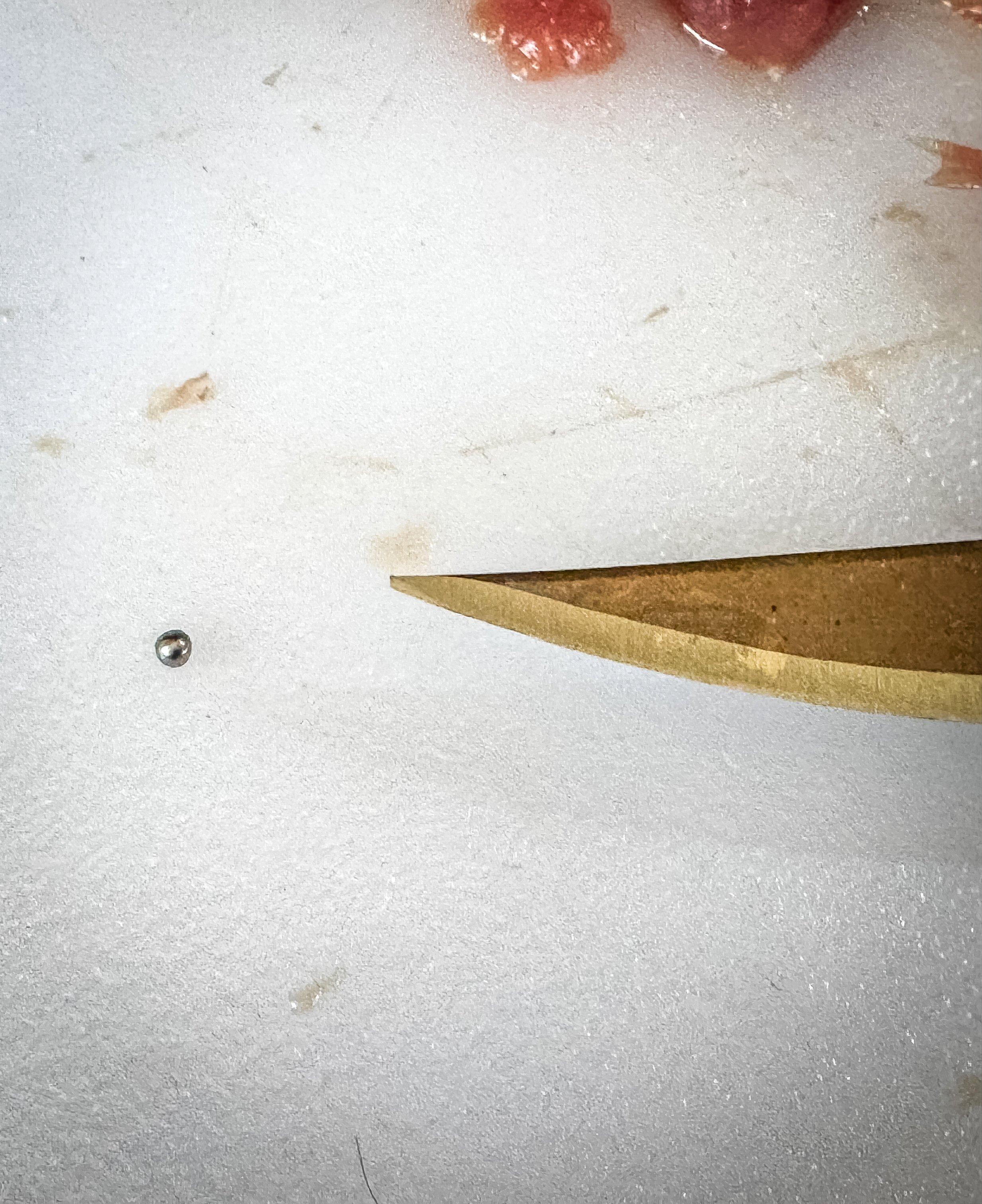
Carefully inspect your boned out meat for shot, especially super-hard TSS, that might cause damage to your grinder.
Grind meat with the grinder parts cold. I store my neck, gear, blade, and plates in the freezer for an hour or two before starting. Same for the boned out meat. Even if it is a bit frozen, it will still grind and produce a smoother finished product.
Grinding meat is a labor intensive process by the time you get out the grinder, grind the meat, then clean everything up. I like to freeze my legs and thighs over the course of the season, then partially thaw, debone, and grind several at a time. If you have time, you can go ahead and debone when you clean your birds to save a step when it is time to grind. Talk to your buddies. If they don’t keep their leg/thigh quarters, ask them to keep them for you. For this blog post, I ground the thigh/leg combos from three longbeards. I ended up with about 6 pounds of meat, which is enough for several recipes.
I prefer to run the turkey through the large plate of my grinder first, then do a second pass through the medium plate. This gives a good, uniform finished product that is perfect for burgers, bulk sausage, etc.
Turkey meat is lean. Just like with venison, you can add some beef or pork fat or, my favorite, raw bacon to the grind to add moisture to the finished product and help the meat stick together. For me, 80 percent turkey to 20 percent fat or bacon is just about right.
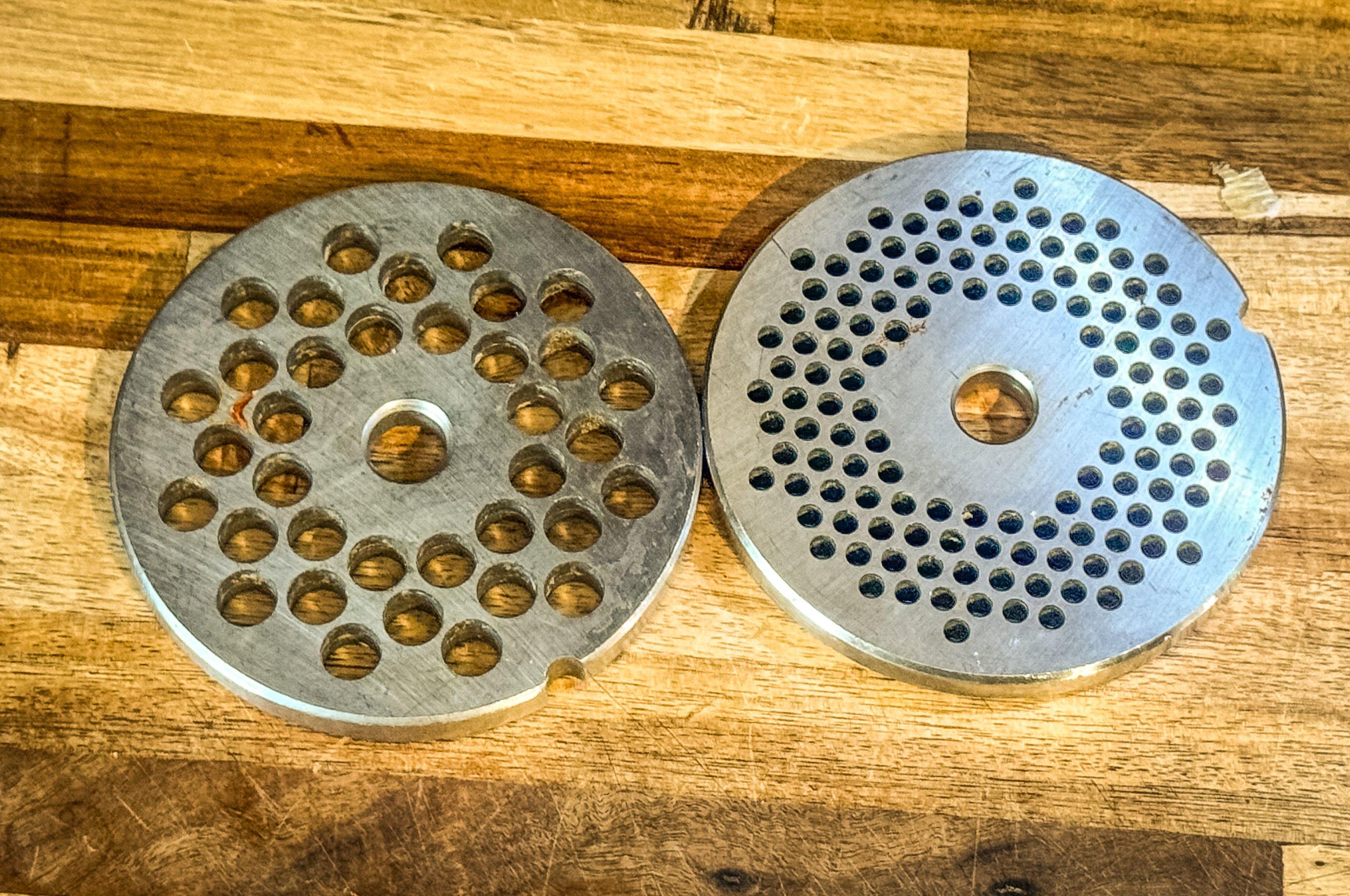
Grind the meat twice, first through the large plate, then through a medium for tenderness.
Package the ground turkey in 1- or 2-pound packs, either vacuum sealed or in quart size zip top freezer bags. Flatten the meat inside the bag and squeeze out all excess air to make maximum use of freezer space and keep the product fresh for as long as possible.
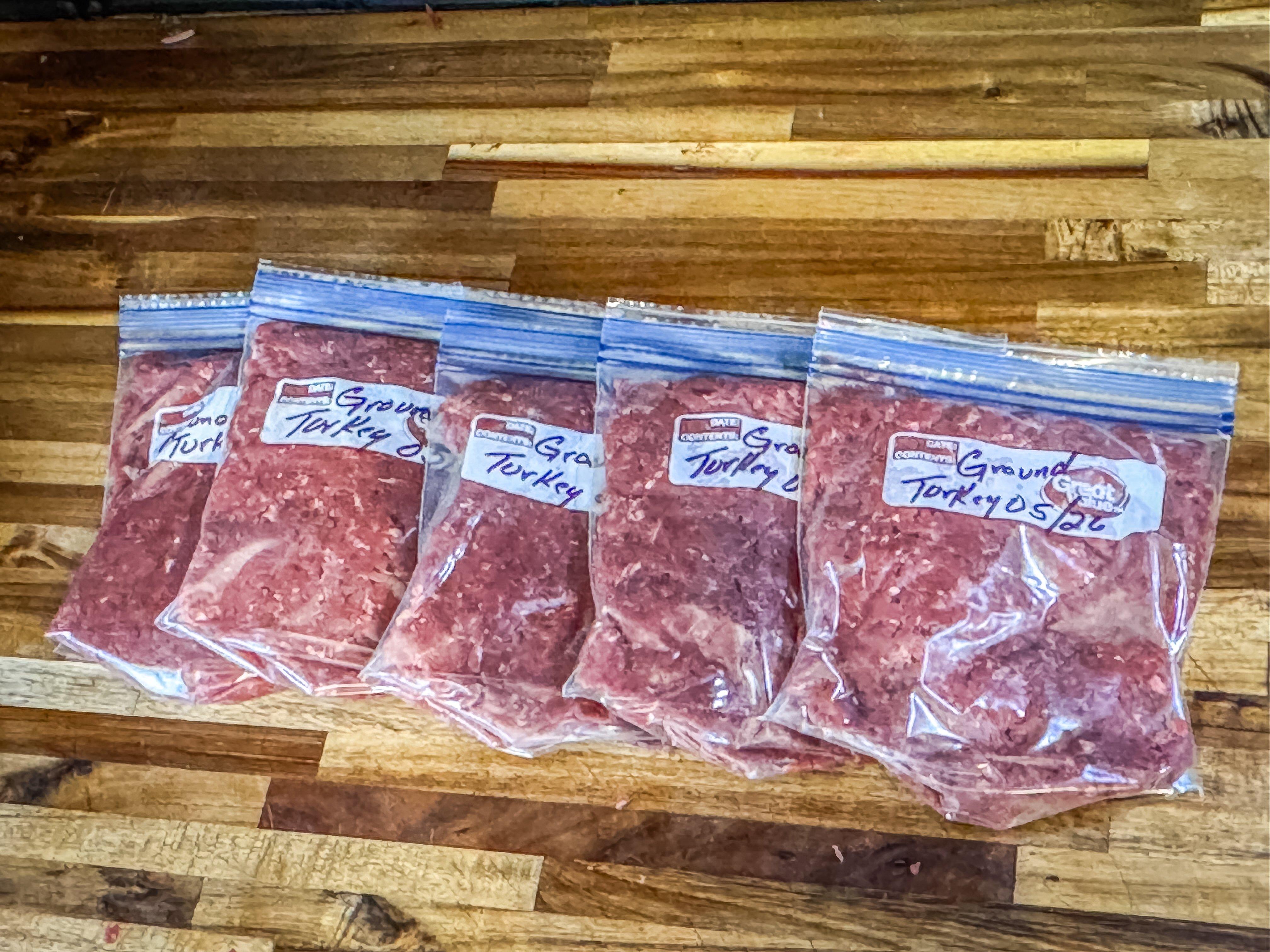
Vacuum seal or store flattened in quart freezer bags to save space in the freezer.
Stay tuned to upcoming Timber2Table posts for a few recipes using ground turkey.
Don’t Miss: GRILLED MISSISSIPPI POT ROAST STYLE TURKEY SKEWERS