Looking for a different way to serve your next backstrap? Try leaving the bones in for a rack of venison.
Lemon Honey Glazed Rack of Venison
20 Min
Prep Time
20 Min
Cook Time
4-6
Servings
Easy, Medium
Difficulty
Most of the time when we process our deer, we remove the backstraps by pulling and gently cutting them away from the spine and ribs. But every now and then, I like to break out the saw and leave the rib bones in for a nice presentation. Plus you get the added benefit of having a handle on your steak.

Leaving the bone attached to your backstrap makes for an interesting presentation at the table and gives you a nice handle for your steak. Images by author
I use either a meat saw or a meat blade on my reciprocating saw to make these. Start by following the spine with a sharp knife to pull the backstrap away and expose the joint where the ribs meet the spine. Run your saw along the edge of the spine to remove the backstrap with the bones attached. You can leave the ribs full length, or do like I do and cut them off several inches below the backstrap so that the rib bones aren’t as cumbersome when you cook and eat. Trim away the rib meat between the bones and scrape the bones clean.

Remove the bone-in backstrap by sawing the ribs where they meet the spine.
Now a word of caution. If you hunt in a positive CWD area, know that the prions for the disease are most prevalent in the spine of the deer. That means if you happen to cut into the spine, you are exposing the meat to those prions. If you are in a CWD area, consider freezing the meat after you make the cuts until you have the deer tested and have received the results. If the test comes back negative you are good to go. Along those same lines, know that any blades or tools that come into contact with exposed spinal contents can carry the prions to other meat. Research and follow recommendations for disinfecting tools. Finally, transporting venison across state lines (and even from county to county in some places) requires that the meat be deboned, which discounts this recipe. Just like everyone else, I long for the days when this wasn’t a concern, but for most of the country, it is the world we live in today.

You can cook this on a pellet grill or directly over hot coals.
But, assuming you are in a non-CWD area and not transporting the meat, or you got your negative test back, let’s cook one of the more striking venison dishes that you can make.

The lemon and honey combination gives the backstrap a nice flavor balance.
For this one, I made a honey lemon herb basting sauce to brush over the meat as it grilled. In a bowl, blend the lemon juice, honey, Greek herbs, minced garlic, and mustard.

Mix the basting sauce in a bowl.
Fresh lemons always provide the best flavor, but bottled lemon juice is fine for this recipe if you don’t have any on hand.

Squeeze fresh lemon for maximum flavor.
Use a spoon or a fork to blend the baste ingredients before brushing them onto the meat.

Blend the baste ingredients each time before brushing on another layer.
Season the meat well on all sides with salt, pepper and garlic powder. Grill over hot coals until the center reaches 115 to 120 degrees for medium rare. If you prefer your bones to stay white for presentation, you can wrap them in aluminum foil before cooking. If you cook over an open fire and don’t wrap, the bones will char and blacken. It doesn’t affect the flavor of the meat, so just choose your preference.

As the backstrap grills, brush the glaze over it every few minutes, covering all surfaces of the meat. Glaze heavily with remaining mixture just before pulling the meat from the grill.
Rest before slicing and slice between bones for serving.
Ingredients
1 venison backstrap roast, bone-in or boneless
Basting Glaze:
Juice of 3 lemons
3 tablespoons honey
2 tablespoons Greek herb seasoning blend (I used Morton & Bassett Greek Seasoning)
2 cloves garlic, minced
1 tablespoon dijon mustard
Salt, garlic powder and pepper to taste
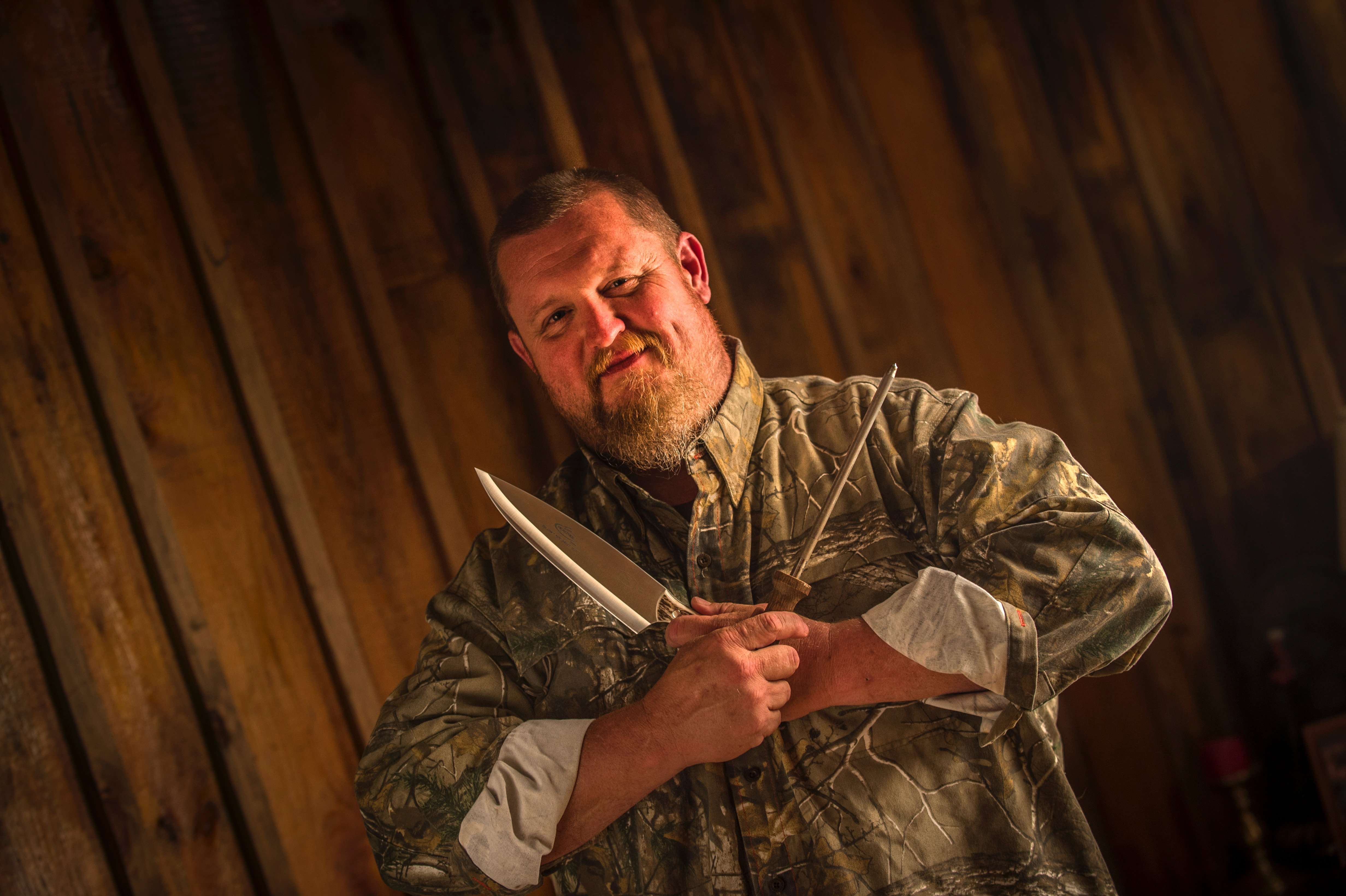
author at Timber 2 Table recipes