Give your next batch of smoked salmon a sweet and salty Asian flair with this miso paste and honey glaze
Miso and Honey Glazed Smoked Salmon
15 Min
Prep Time
240 Min
Cook Time
3-5
Servings
Easy, Medium
Difficulty
A very dear friend took a dream trip last summer. She loaded up her vehicle with camping gear and food and started driving. Her route took her across the U.S., over the Canadian border, up through the Yukon and into Alaska, where she explored and fished her way along the coast for a few weeks. She caught, among other things, five different species of salmon, which she processed herself and had sent back home to Kentucky. She made some lifelong friends along the way and is already planning her next trip.
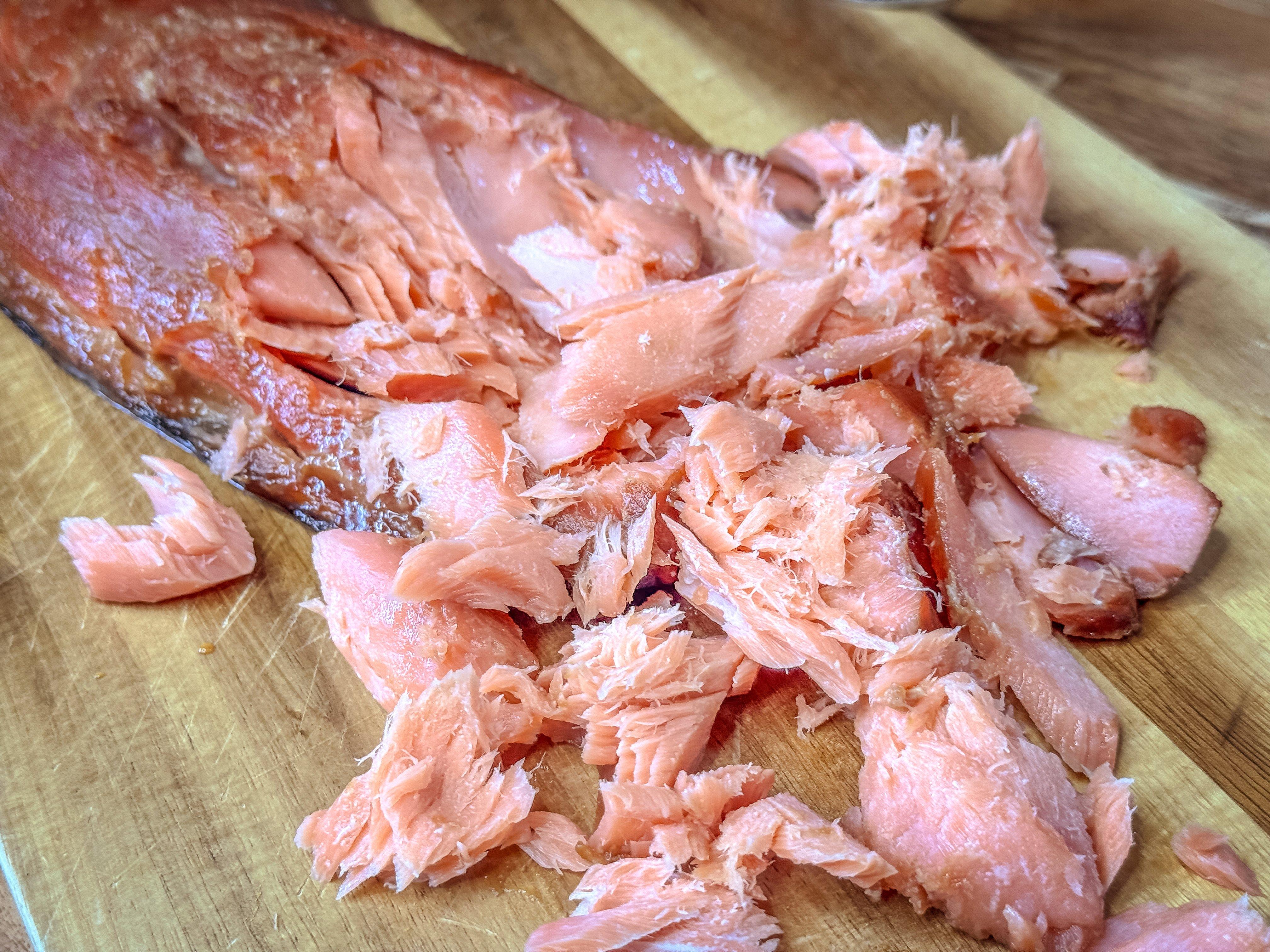
Smoked salmon is hard to beat any way it is fixed, but this sweet and savory glaze takes it over the top. Images by author.
Luckily, she gifted us some of her salmon. My daughter and I are both absolutely rabid for smoked fish, and salmon is always a favorite. I took one of the filets and smoked it with this sweet and savory miso glaze.
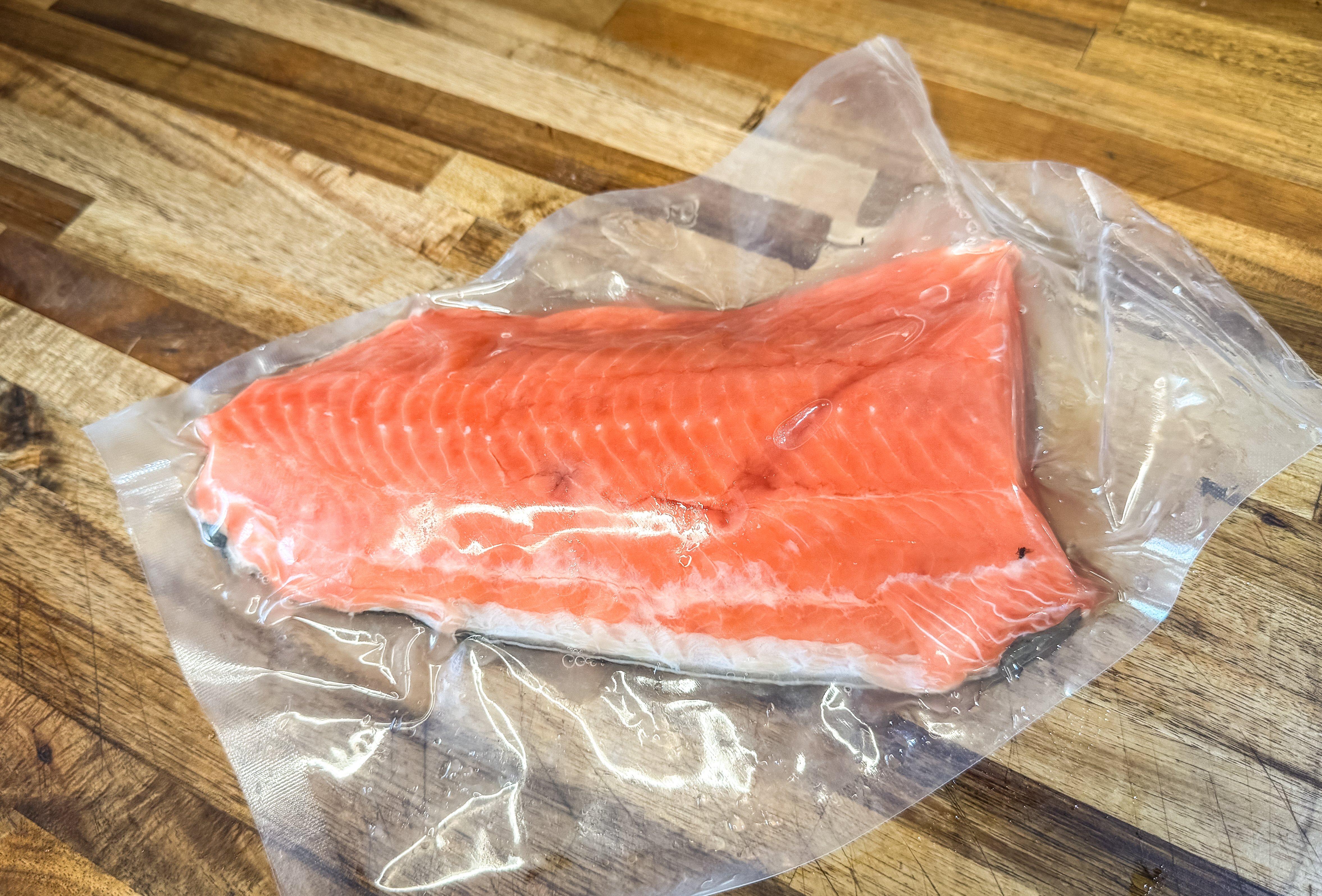
When gifted some Alaskan salmon, I knew right away what I would do with part of it.
Miso paste is a staple in Japanese cooking. It is made from fermented soybean paste, often mixed with ingredients like mirin, sake, soy sauce, and vinegar to create a savory, sweet, and tangy flavor profile. You can find it in the Asian section of most large grocery stores or order it online. I use it in many sauces and paste rubs, Asian inspired or not.
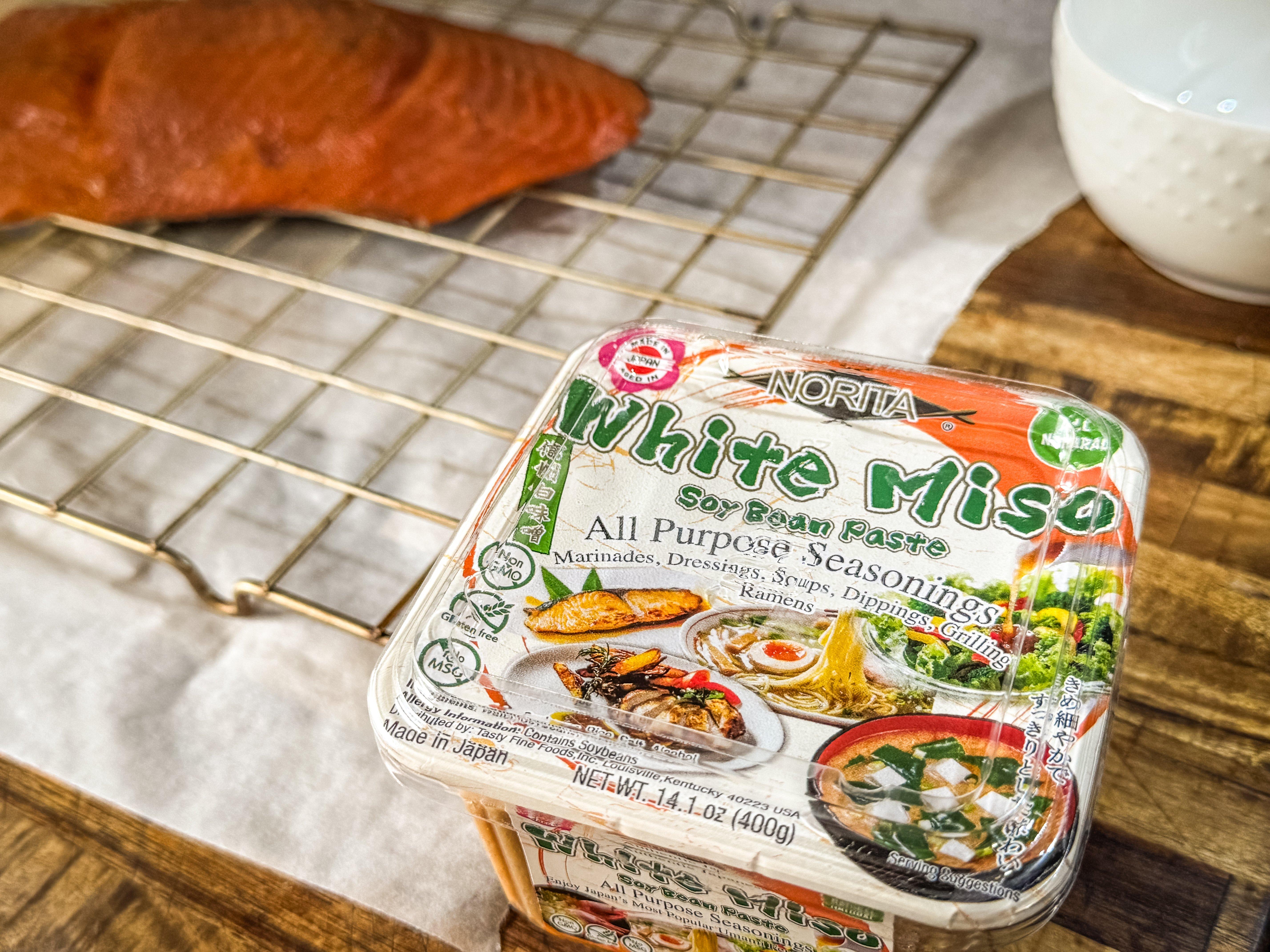
The base for the glaze is white Miso paste, a staple in Japanese cooking.
The recipe starts like most of my smoked fish, with a brine. This one is simple. Mix one quart of lukewarm water with ¼ cup dark brown sugar and ¼ cup kosher salt.
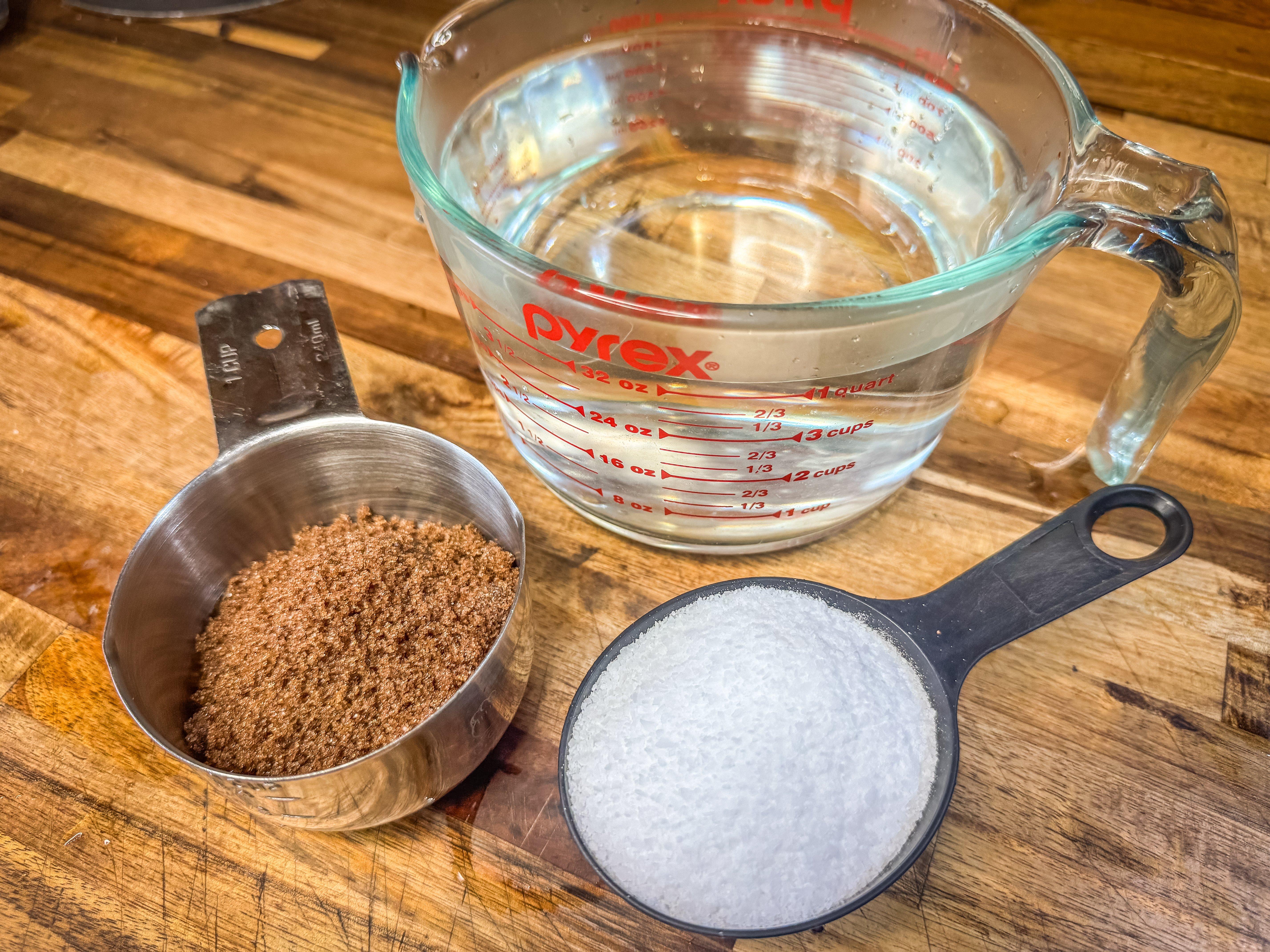
The brine is simple, just salt, dark brown sugar, and water.
That’s it. Place the salmon in a glass or plastic dish and pour over the brine.
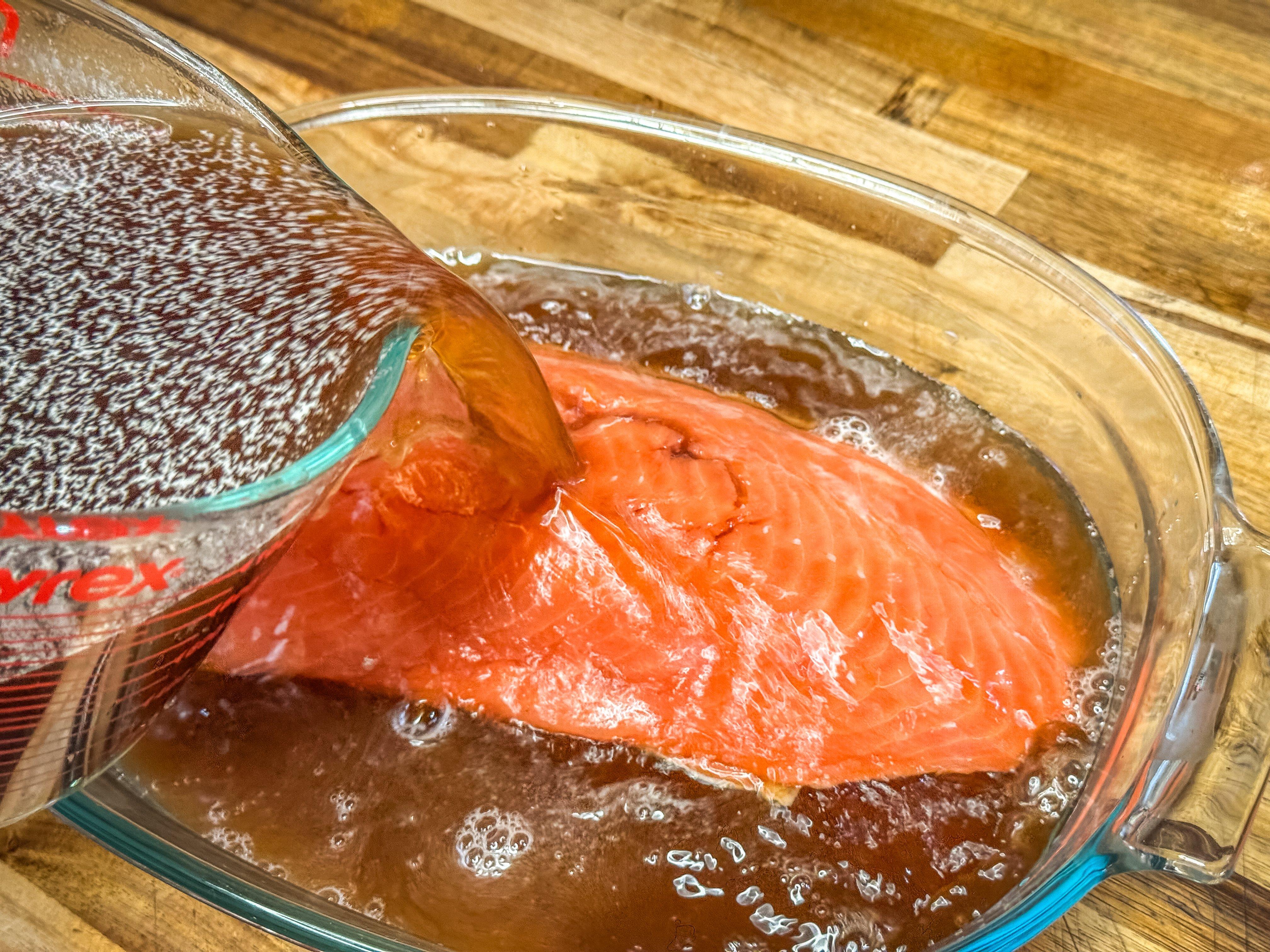
Place the salmon in a glass container and pour over the brine.
You can use a dish or heavy plate to weigh down the fish so that it stays completely submerged. Cover the dish with plastic wrap and refrigerate between 8 and 12 hours.
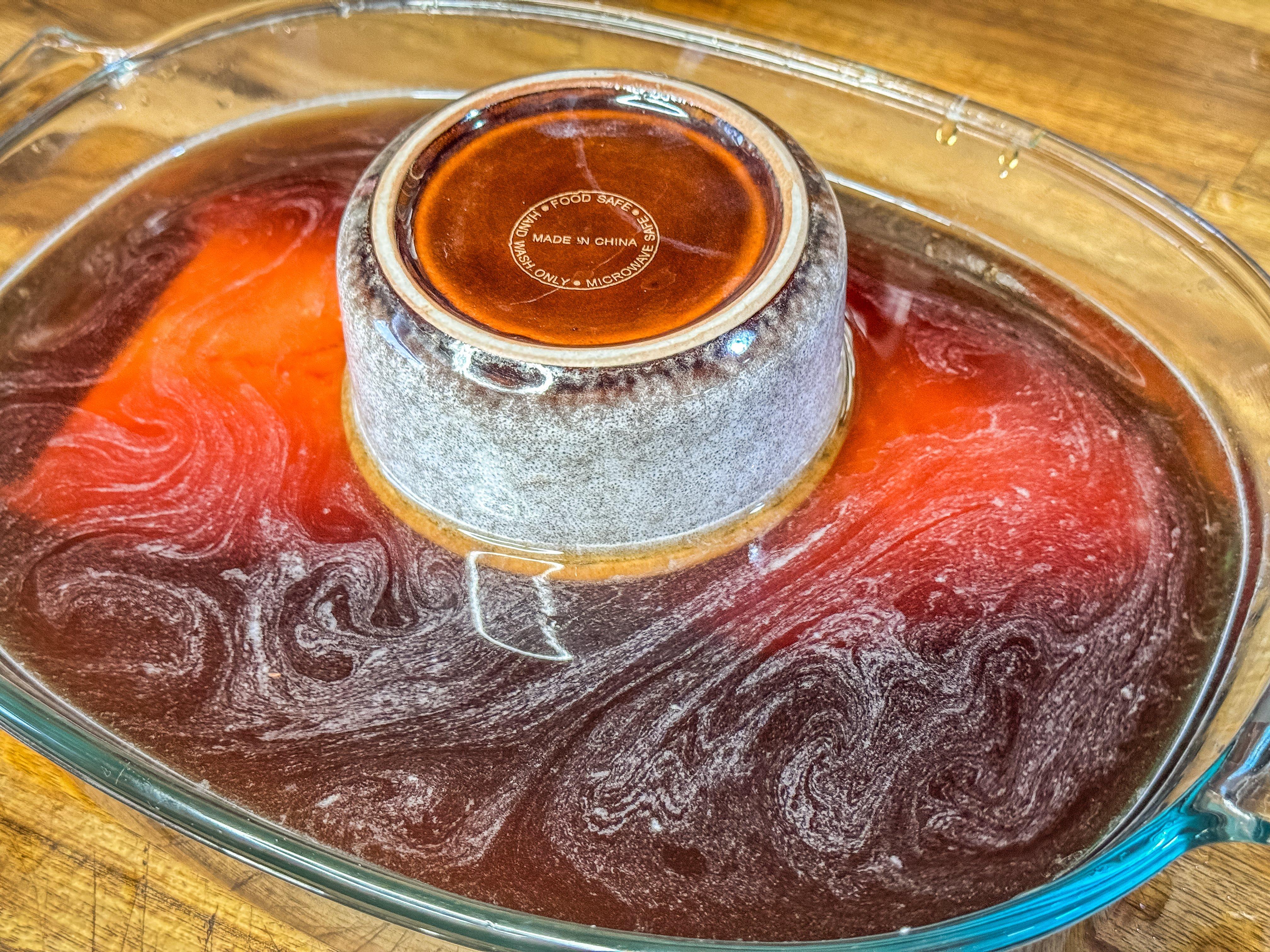
Weigh the fish down with a dish so that it remains completely submerged.
After the brine, remove the fish from the brine. Rinse it thoroughly under cold running water. Place the salmon on a wire rack, skin side down, to form a sticky pellicle over the surface. A fan moving air over the surface of the fish helps speed the process. After 1-2 hours, the fish should feel dry and sticky to the touch.
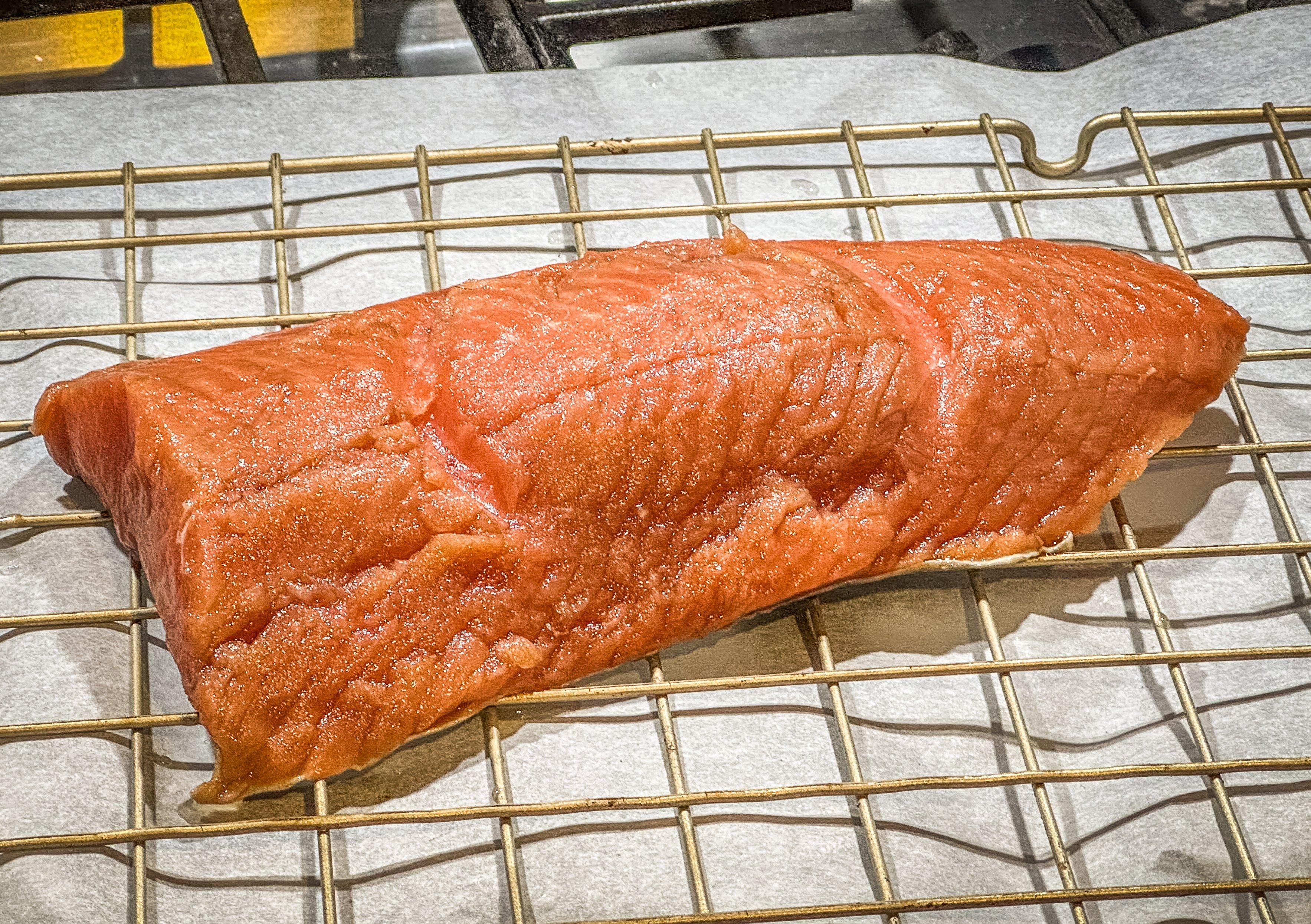
Rinse the fish, then pat it dry and let it rest on a wire rack until it becomes sticky to the touch.
Once the fish is about ready to grill, mix the glaze ingredients. I mix in a small saucepan over low heat to help the ingredients blend together into a smooth glaze.
Gently lift the fish and spray the skin side with non-stick cooking spray to prevent sticking. Place the fish back on the wire rack and move it to the smoker at the lowest temperature setting. For my smoker, that is 165 degrees. I like to use a smoke tube in conjunction with the grill for extra smoke flavor.
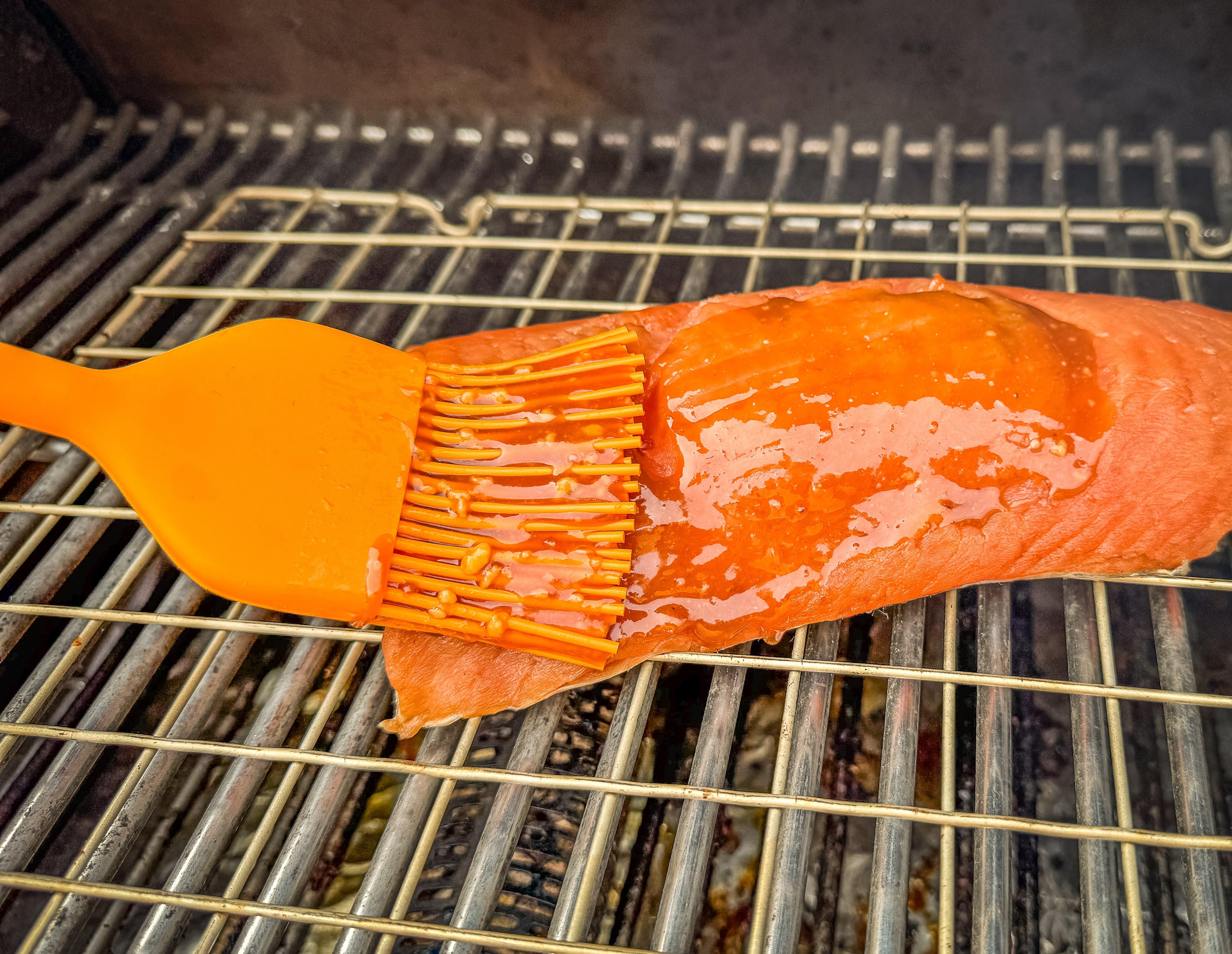
Smoke the fish at the lowest setting, brushing with glaze as you go.
After placing the salmon on the smoker, brush on a light layer of glaze. Smoke the salmon for 3-4 hours or until it reaches 140 degrees internal temperature at the thickest part. Apply additional glaze every 30 minutes during the cooking process.
Once the fish has smoked, let it rest for 30 minutes. After cooking, the row of pin bones that remain in most salmon fillets will be easier to see than they were before cooking. Use tweezers or needle nosed pliers to gently pull each pin bone free.
Refrigerate the salmon for up to 10 days or more, or vacuum seal and freeze for long term storage. Eat the salmon as is, on a bagel with cream cheese, in a salad, mixed into an omelet, in a pasta dish, or any way you enjoy good smoked fish.
Don’t Miss: PASTRAMI STYLE CURED AND SMOKED DUCK
Ingredients
1.5-2 pound salmon filet, skin-on
Brine:
1 quart lukewarm water
½ cup dark brown sugar
½ cup kosher salt
Glaze:
¼ cup white miso paste
2 tablespoons soy sauce
1 tablespoon rice wine vinegar
2 tablespoons honey
1 teaspoon sesame oil

author at Timber 2 Table recipes