Michigan DNR Advises Waterfowlers to Take Precautions Against Bird Flu
Posted 2025-10-14 by
The majority of cases in the state have been found in Canada Geese, bald eagles, and red-tailed hawks
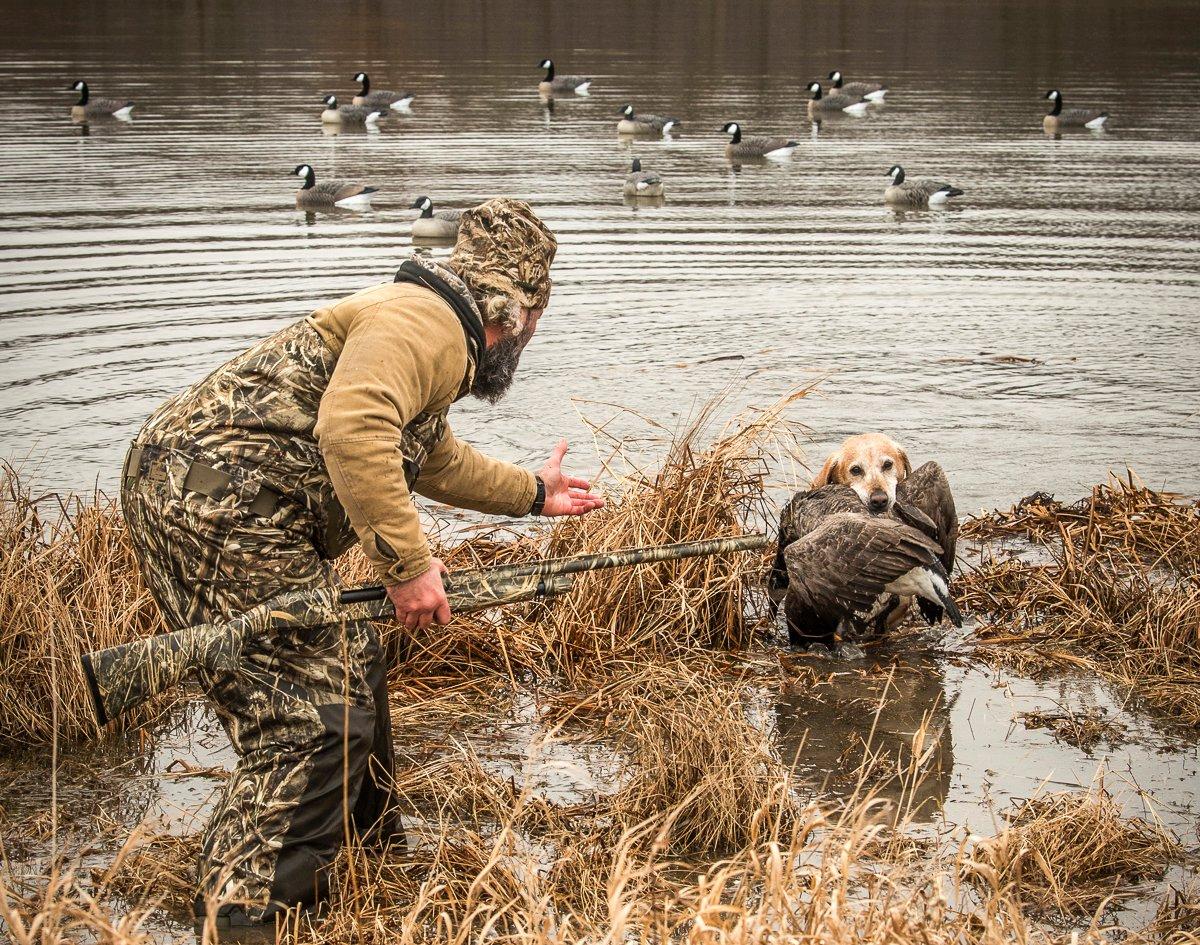
Michigan waterfowl hunters should take precautions when handling wild birds due to a bird flu outbreak. (Photo by Bill Konway)
The Michigan Department of Natural Resources (MDNR) is urging waterfowl hunters to take precautions to protect themselves against the bird flu.
According to sooleader.com, the bird flu, also known as HPAI, can cause severe respiratory disease, sometimes leading to death in birds and mammals. But wild birds can carry the highly contagious disease without appearing sick.
This year, the MDNR has detected cases of HPAI, which has been found in North American waterfowl since 2021, primarily in Canada geese, bald eagles, and red-tailed hawks.
The DNR has posted a list of detections on the HPAI webpage.
Although the disease can be found in birds throughout the year, upticks are expected during spring and fall waterfowl migrations.
Don’t Miss: 4 Great Ways to Hunt Geese Over Water
“Although it has been seen in Michigan for a few years now, the patterns of infection differ each year, and we continue to monitor this disease in Michigan’s wildlife,” said Dr. Scott Larsen, DNR wildlife veterinarian. “We count on our hunters, birdwatchers and other Michiganders to let us know what they’re seeing, and the online DNR Eyes in the Field reporting tool is a great way for folks to notify us of events with multiple sick or dead birds.”
The risk to people is low, but the HPAI virus can infect those who come into contact with infected animals or material. Therefore, hunters should always take precautions when handling wild birds.
For example, hunters should never harvest or handle wild birds that appear sick or are found dead. Hunters who observe a die-off of six or more waterfowl, gulls, or shorebirds are asked to report it through the DNR Eyes in the Field online reporting tool or contact their local DNR field office.
Humans infected with the bird flu may have a fever and chills, sore throat, difficulty breathing, red and irritated eyes, runny or stuffy nose and muscle or body aches.
Click here for precautions hunters should take to avoid spreading or getting infected by the bird flu.
For more information about HPAI and human health, visit the Michigan Department of Health and Human Services webpage for Communicable Disease Information and Resources or the Centers for Disease Control and Prevention webpage for Avian Flu.