Officials Say Florida Hog Management Program is Working
Posted 2026-01-18 by
The number of wild pigs caught in Flagler County has decreased significantly since last year
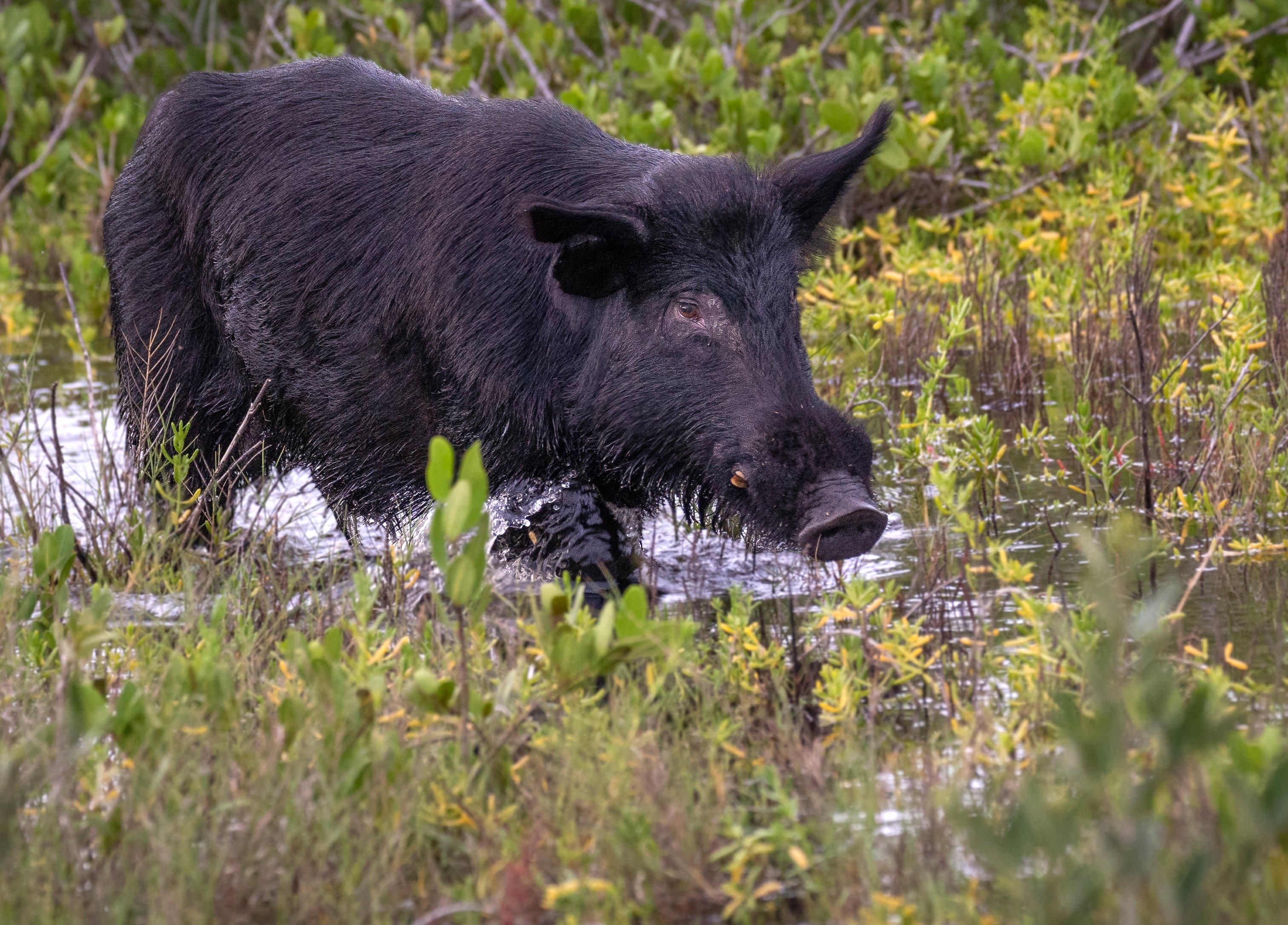
Officials from one Florida county are saying the county’s wild hog removal program is working, citing fewer captured hogs than last year. (Photo by Matt Cuda)
Flagler County, Florida, officials say their wild hog management and removal program is working because the number of wild hogs caught on county land has decreased by a third in just one year.
According to observerlocalnews.com, Land Management Director Erik Revuelta told the Flagler County Commission, “One of the positive things that we can see is – you want that number to start going down. And it is actually starting to go down because of the excellent results that we're getting.”
He said most of the hogs were captured in the Bulow Creek and Graham Swamp areas.
Don’t Miss: Pennsylvania Game Commission Investigates Theft of Stolen Buck
Under the wild hog management and removal program, which is part of the Land Management’s initiative to remove invasive species on Flagler County land, a total of 1,326 wild hogs have been caught and killed on county land since 2022.
Flagler County’s management program began in 2022, and the county implemented additional efforts to catch and kill wild hogs in February 2024, after receiving many complaints from residents surrounding the Graham Swamp area.
Wild hogs have caused thousands of dollars in property damage, even as recently as August 2025. Twenty wild hogs destroyed parts of the cemetery grounds at Craig Flagler Palms Funeral Home, causing an estimated $30,000 in damages, according to a September statement from the funeral home.
Residents can report sightings of wild hogs and land management staff can track responses and respond to specific areas on the county’s reporting dashboard.
In 2023, before the reporting program was employed, 255 hogs were captured. In 2024, after the program began, 604 hogs were captured. In 2025, 412 wild hogs were captured on county property.
The program was never meant for removing the hogs from private property, but Revuelta says it does still help residents.
“Us undertaking their removal from our properties will relieve a lot of the pressure on the adjacent residential neighborhoods,” Revuelta said. “We've seen positive results from that and positive results from the community.”