Pilot Program Would Allow Michigan Hunters to Kill 2 Bucks
Posted 2026-07-22 by
Even after new limits, the earn-a-second-buck pilot program would allow hunters to take two antlered deer in the Lower Peninsula

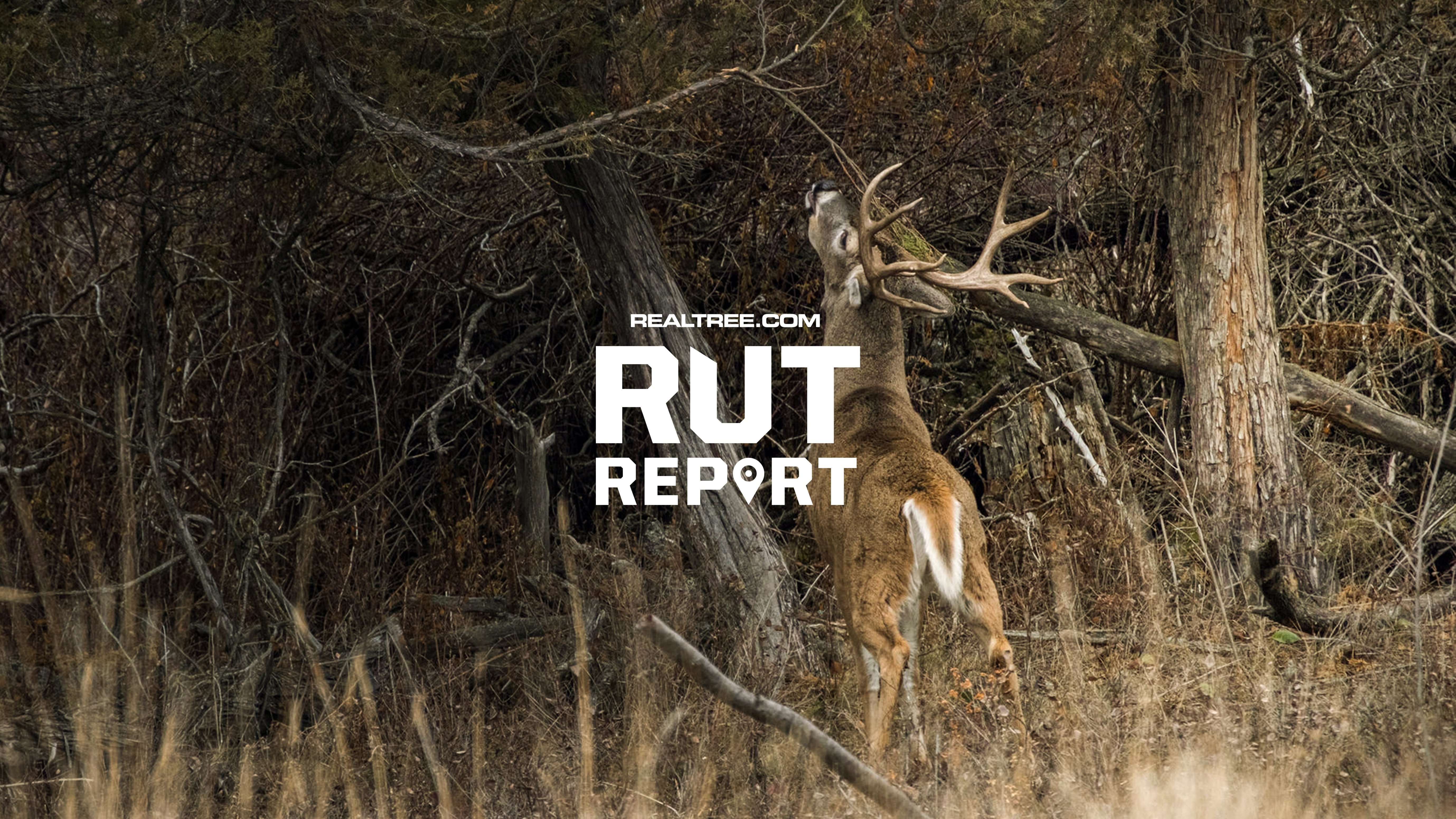
A proposed new program would allow Michigan hunters to harvest a bonus buck in the Lower Peninsula. (Photo by Tom Tietz)
Michigan’s Natural Resources Commission is considering an “earn-a-second-buck” pilot program that would allow hunters in the state’s Lower Peninsula to kill up to two antlered deer.
Bridge Michigan reports that officials with the Department of Natural Resources presented details of the proposed “earn-a-second-buck” pilot program at a recent Natural Resources Commission meeting. The commission passed an amendment in May requesting that the department present a framework in July for the pilot.
A one-buck-per-hunter rule passed by the Natural Resources Commission in May, beginning in the 2027 license year, limits hunters in the Lower Peninsula to killing one antlered deer. The Upper Peninsula remains under the two-bucks-per-hunter rule. The new pilot program would give Lower Peninsula hunters the opportunity to harvest a second buck if they meet certain antlerless harvest requirements.
If approved, the combination deer-hunting license would let hunters bag an antlerless deer, plus one antlered or antlerless deer. If program participants report killing an antlerless deer in one of five designated Southern Michigan counties including Hillsdale, Kalamazoo, Barry, Ingham, or Lapeer then it would unlock the opportunity to purchase a special “second buck” bonus tag, which would be valid for a second antlered deer in the Upper or Lower Peninsula.
Don’t Miss: Apply Now For Missouri Managed Hunts
Through the program, the state hopes to motivate more hunters to kill more does in an effort to limit population growth. Officials say deer are becoming a problem in Southern Michigan, where they are often hit by cars or found feasting on crops. It’s also a way to potentially appease hunters who don’t like the idea of being limited to only one antlered deer in the Lower Peninsula.
Still, a number of commissioners and hunters expressed confusion and concerns about the details of the earn-a-second-buck program, with few offering clear public support for the plan. Some worry that dishonest hunters would lie about taking the required antlerless deer. The proposed rules do not require hunters to bring the deer to the DNR or send in a photo. Instead, they would just need to submit a kill tag. Then they’ll receive a message saying that a conservation officer may follow up with them to verify their kill.
“There’s no entirely infallible way to do this,” said Brent Rudolph, the DNR’s deer specialist. He said although the department considered other options, it determined that “none of those systems provide 100% certainty that the deer was taken by a hunter, that the deer was taken when and where they said it was.”
Rudolph added that the department was told that requiring hunters to upload photos would cost the department about $125,000 to implement. It would cost about $30,000 to move forward with the program if it simply allowed hunters to send kill tags.
In order to get the bonus tag, hunters would need to kill an antlerless deer in one of the designated counties, but they could kill antlered deer anywhere in the state. Some hunters, and commissioners John Walters and Brandon Fewins, expressed concern, saying they felt it would be difficult to track if changes to the number of antlerless deer killed were due to the earn-a-second-buck program or another new variable like the one buck rule.
But department officials say they aren’t concerned.
“We felt it was a bigger motivation to get people to take antlerless deer if they had more flexibility with where they could use that second buck tag,” Rudolph told Bridge Michigan.
Plus, he said, their data shows that most people who kill two bucks tend to do it in the same county.
Some public commenters urged the commission to delay implementation of the pilot program. Commissioner John Walters said he would consider that.
“It’s not clear,” he said, referring to the program as laid out. “I think we need to really digest what we’re going to pass. And if we’re not ready to decide on it, then let’s push it back or not have it at all.”
The commission plans to vote on the details of the proposal at its August 12 meeting.