How to Get Your Gobbler Opening Day
Posted 2026-03-02 by
With solid preparation and a common-sense approach, you can fill your tag right away the first morning
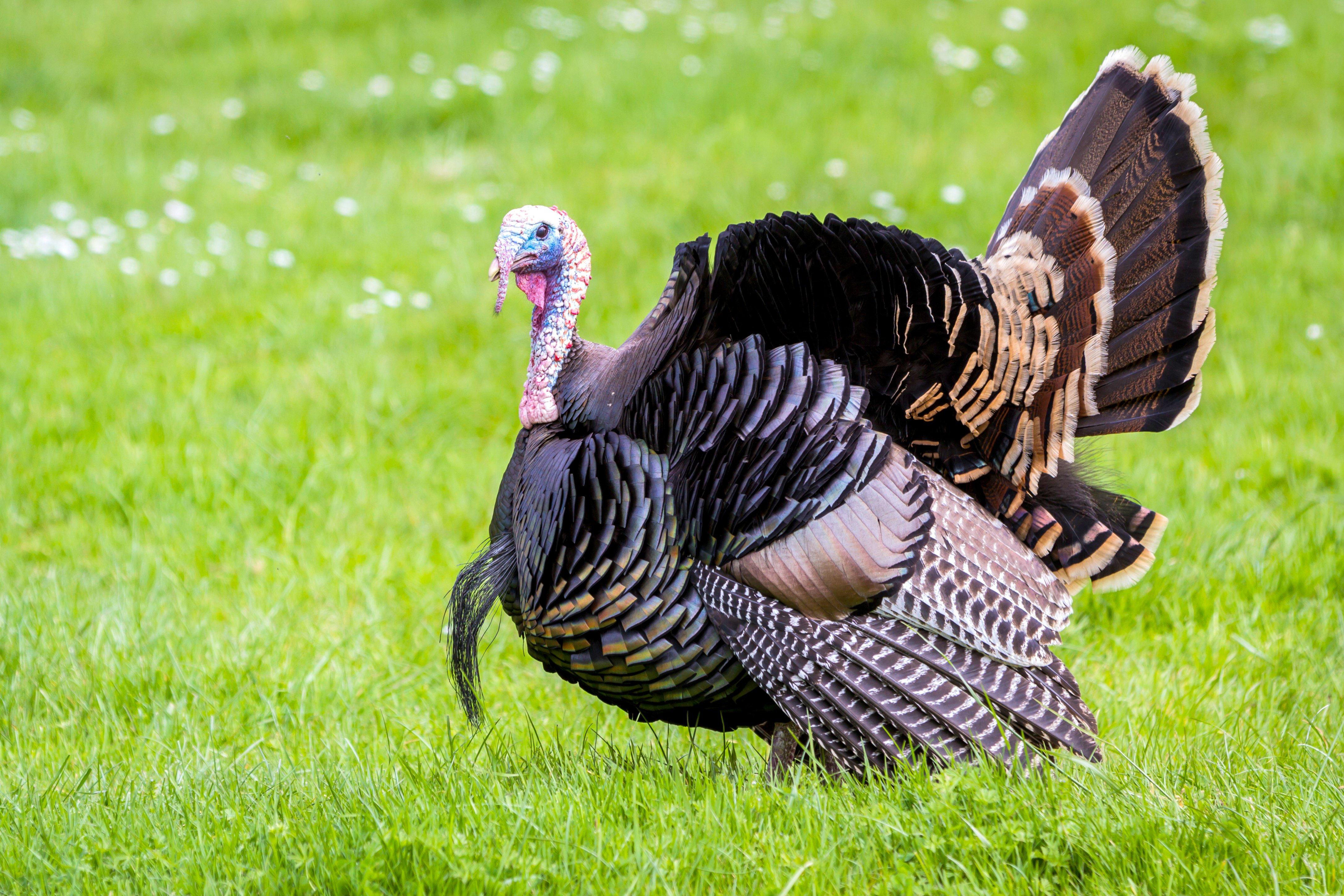
Listen for a gobbler to pitch out of the roost before you really start working him. He might gobble, strut and come right in. Photo by Nature’s Charm.
On paper, it sounds very doable. Turkeys haven’t been called to in a year. Gobblers are vocal and strutting around, treading as many hens as they can each day. Just find a hot bird, slip in and give him a few sweet yelps. Calm your nerves and shoot straight when his snowball head pops up 30 yards away.
That’s on paper. But I’ve been hunting turkeys for more than 40 years, and I can count on one hand how many Eastern longbeards I’ve killed right off the roost on opening day. It’s never easy, but it can be done.
Don’t Miss: The 2026 Southeast Turkey Hunting Forecast
FIND THE RIGHT BIRD
A week to 10 days before the opener, head out to your spot at daybreak, stop your truck at various spots and listen for turkeys to gobble. Listen as many days as possible before work, and zero in on the ridges, creeks and field edges where gobblers roost. The birds won’t be in the same trees each morning, but they’ll be in the same general vicinity. One bird might only gobble faintly one or two times on the limb at sunrise (he might have hens). Another turkey a half-mile away might boom 20 or more times before flying down. There’s a good chance he’s alone.
The hot, lonely turkey is the one you are looking for. Listen several mornings for him to gobble on the roost, and when he flies down, pattern his ground gobbles as best you can to determine which direction he goes each day. Say the gobbler roosts in pines to the south, and flies down and walks north each day. Plan to approach the turkey’s roost from the north and along an edge or logging road, and then set up in his travel corridor to cut him off.
On private properties, you can usually find your gobbler by pulling off the road and listening from your truck, but if you hunt public, that won’t cut it. Leave the road gobblers to other people, who will surely hunt them on the opener. Check maps and apps, and head for the most secluded, hard-to-access public ground you can find. Then walk deeper along logging roads at daybreak, listening and trying to locate a gobbler that nobody else knows about. This requires more effort, but it’s worth it.
Don’t Miss: Guide to Southern Turkey Hunting
FIRST MOVES AND CALLS
You’re pumped for opening day and up early, so drive to your spot and park an hour to 90 minutes before gobbling time. Drink more coffee or take a cat nap. Whether you hunt a lease or public, you’ll be Johnny on the spot, and if another hunter comes along and sees your truck, he should drive by and leave you alone.
As the horizon starts to shimmer silver, ease into the woods, but don’t go too deep. You know where the turkey should be roosted, but he might be in a tree a couple of hundred yards closer to your approach zone. I tell you from experience, there is no worse feeling than bumping a turkey you think you can kill off the roost. The sound of those heavy wings thumping away in darkness will haunt you.
Play it safe. Wait for him to gobble, and then ease in that direction. I like to get as close to a gobbler as I can before setting up — within 100 to 125 yards — but that might not be possible in the early spring woods before leaf-out. If you must, set up 150 yards or even farther away to feel comfortable a roosted bird will not see you. That turkey hasn’t been called to for a year. If he’s ready to play the game, he’ll respond and come.
When he gobbles the first time, your heart will leap. You haven’t called to a turkey for a year, too, and you’re ready to start yakking. Don’t. Wait and listen for more raucous gobbles, and when the sky paints pink and you think the old boy is getting ready to flex and fly down, give him a few sweet tree yelps. I’m betting he’ll gobble back. Listen for him to pitch out before calling again. You’ve done everything right so far, so on paper, he’ll gobble, strut and come right in. Boom. Season made.
Check Out Our Latest Camo Pattern: Realtree APX
But it’s rarely that easy. The turkey might stand out there and gobble 20, 30 or 50 more times. Keep yelping and clucking with some spirit, but don’t overdo it. For the next two hours, fight the urge to move. Be patient, with shotgun ready and eyes peeled for his arrival. If he never shows, oh well, hunt him tomorrow, next week or maybe even one day next month. Turkey season is a wonderful grind.