10 Mistakes That’ll Ruin an Elk Hunt
Posted 2025-09-03 by
Even at its easiest, elk hunting is still difficult. Don’t squander your chances by breaking these cardinal rules
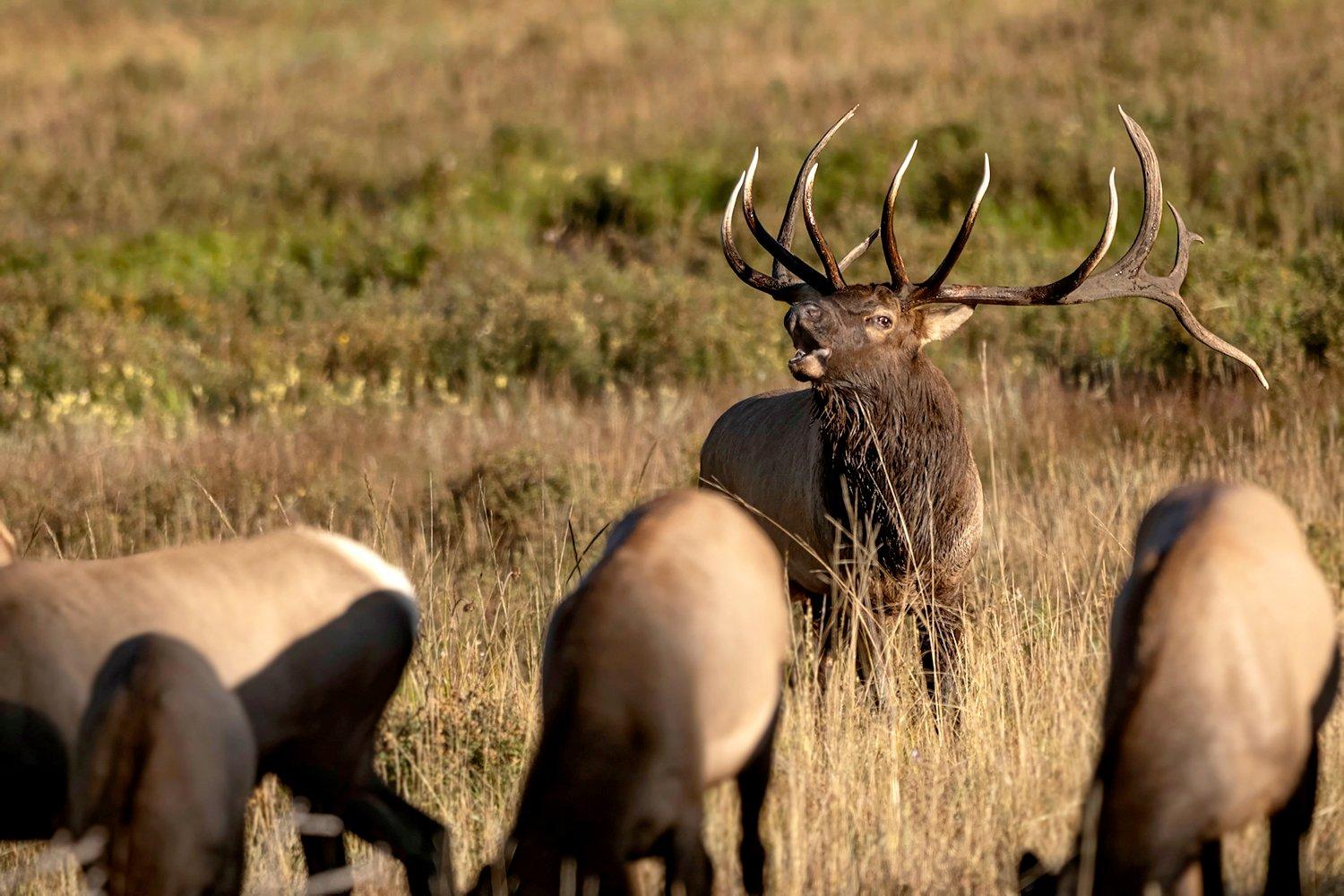
Elk hunting is always difficult, but you can increase your odds by avoiding these common mistakes. (Photo by John Hafner)
Elk hunting is hard. I’ve made plenty of mistakes in the field that cost me chances, wasted hours, and flat-out frustrated me. Over the years, I’ve learned that success isn’t just about luck or having the right gear; it’s about knowing what not to do. Moving too fast or too slow, overcalling, underestimating the pack out… these are the kinds of mistakes that trip up even experienced elk hunters. Here’s a look at the biggest, and most common, elk hunting mistakes that I’ve seen and have made myself. Avoiding these mess-ups should put you in a much better position to tag a bull this fall.
1) GOING TOO HARD OUT OF THE GATE
Let me paint a picture I see every year out west. A guy shows up from out of state with a massive pack full of a week’s worth of food and gear and heads for some far-off, previously E-Scouted location. Fast-forward a few days, and the same guy is back at the trailhead, nearly dead and ready to pack it in.
Somehow, we’ve created the idea that the only way to hunt the West is with a multi-day backpack hunt. Sure, that style can be productive and rewarding, but it’s not for everyone. My advice to new elk hunters is to break yourself in slowly. If you insist on backpack hunting, do it in smaller chunks, a night or two at a time, and don’t kill yourself. You’re better off hunting at your own pace for the duration of your trip than gassing out on day three because you bit off more than you could chew.
Don’t Miss: The Best Days to Deer Hunt in 2025
2) MOVING TOO FAST
Elk hunting isn’t always about go, go, go. There are plenty of times when patience and slow, methodical movement is the better play. When I was younger and full of piss and vinegar, I had a bad habit of hiking hard and covering ground like I had somewhere to be. The truth is, especially when the rutting activity isn’t cranking, moving slower can pay off in a big way.
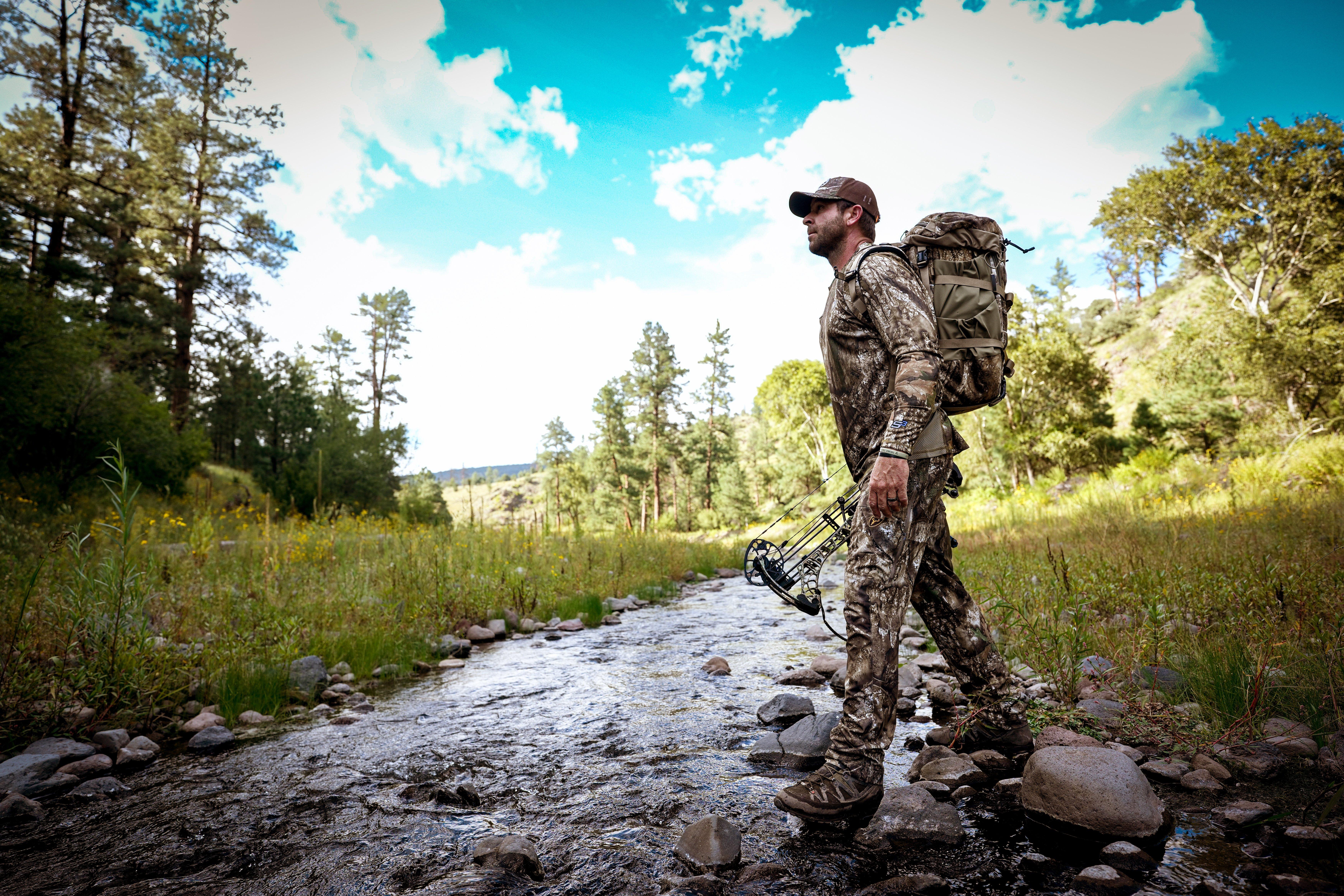
Sometimes, when the elk aren’t talking, it can pay to slow down and spend time in a good area with fresh sign. (Photo by Realtree)
Once you’re in an area with fresh sign and a good chance of elk being nearby, it’s time to shift down a gear and take your time. Set up and call a little longer. Bulls that aren’t yet fired up in the rut are often still curious and willing to check out a lonely cow call or even a bugle. Give those setups more time than you usually would, and you might be surprised how many more elk encounters come your way.
3) BEING TOO SLOW
On the flip side, moving too slowly can also kill your chances of success. When elk have a destination in mind, it’s tough to pull them off course. That’s when getting motivated and moving fast becomes critical. Sometimes that means looping ahead to be where the elk are headed before they get there, or dogging the herd and keeping pace as best you can.
You don’t need to be an ultramarathon runner to be a good elk hunter, but being physically fit enough to handle the rigors of mountain hunting pays off. When it’s time to make a move, you need the ability to do it quickly and without hesitation. In my experience, the seasons when I’ve been more physically prepared are also those when I’ve found success more easily.
Don’t Miss: The 2025 Western Deer Season Forecast
4) CALLING FROM A BAD SPOT
This one hit home for me on my first elk kill when I was 15, but I’ve still made this mistake more times than I’d like to admit. My dad, friend Kirk, and I were sitting in a meadow around 10 a.m., enjoying PB&Js. Nothing had been happening, so we were quietly whispering and practicing our elk calls since we figured nothing was around. I’d just taken a bite of my sandwich when Kirk said, “There’s a bull walking right at us.” Luckily, he stepped behind a tree, and I was able to get my bow up and make the shot when he reappeared.
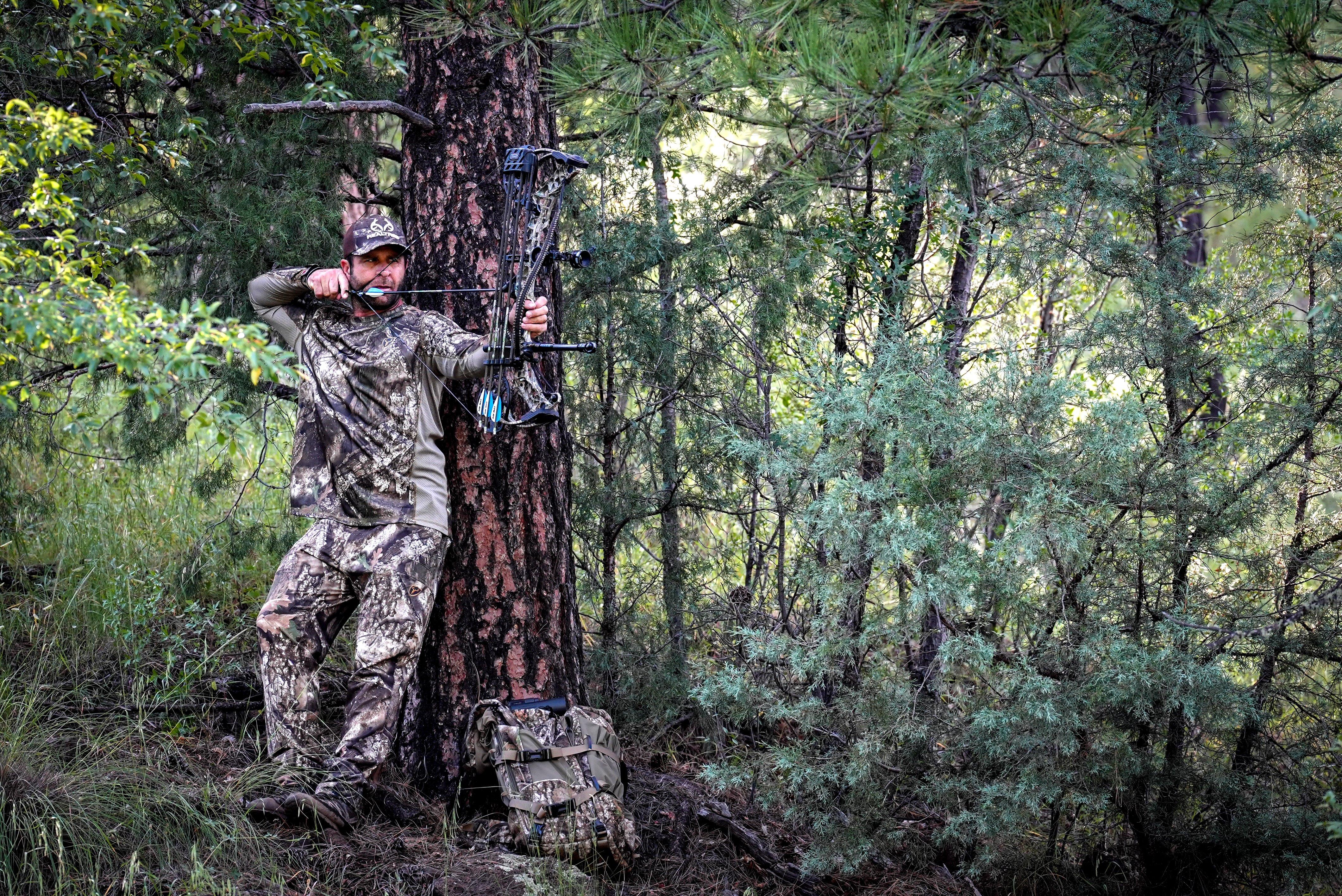
Shots at elk are rarely on flat ground. Practice shooting from awkward angles ahead of time. (Photo by Realtree)
More than once since then, I’ve metaphorically gotten caught with my pants down after blowing a call. A good rule: always have an arrow nocked, or at least your weapon ready, before you make a call. You’d be surprised how often an elk can show up right in your lap when you least expect it.
5) OVERCALLING
Calling is one of the biggest draws of elk hunting. Hearing those wild sounds echo through the mountains is about as big a rush as you can get in hunting, and I love being in the middle of that back-and-forth. But here’s the catch: we hunters often overcall. As fun as it is to cow call or bugle and get a response every time, it’s usually counterproductive if the goal is to actually kill an elk.
Elk, especially pressured ones, learn quickly. They figure out that the noises they’re hearing might not be another elk at all, but a camo-clad hunter. Or they assume it’s a bigger, tougher bull they don’t want to tangle with. Either way, they bugle back just enough to locate the sound, then steer clear.
More often than not, less is more when it comes to calling. Call just enough to keep them interested, and more importantly, curious. Mix in movement toward them while calling sparingly, and you’ll find that elk are often more receptive to your approach.
6) LAZY SHOOTING PRACTICE
I’ve never killed a bull with my bow while standing in flip flops on flat grass, just as I’ve never dropped one with a rifle while sitting over a sandbag on a shooting bench. Hunting doesn’t happen in those conditions. Practicing in real-world terrain, angles, and shooting positions can be a complete game-changer.
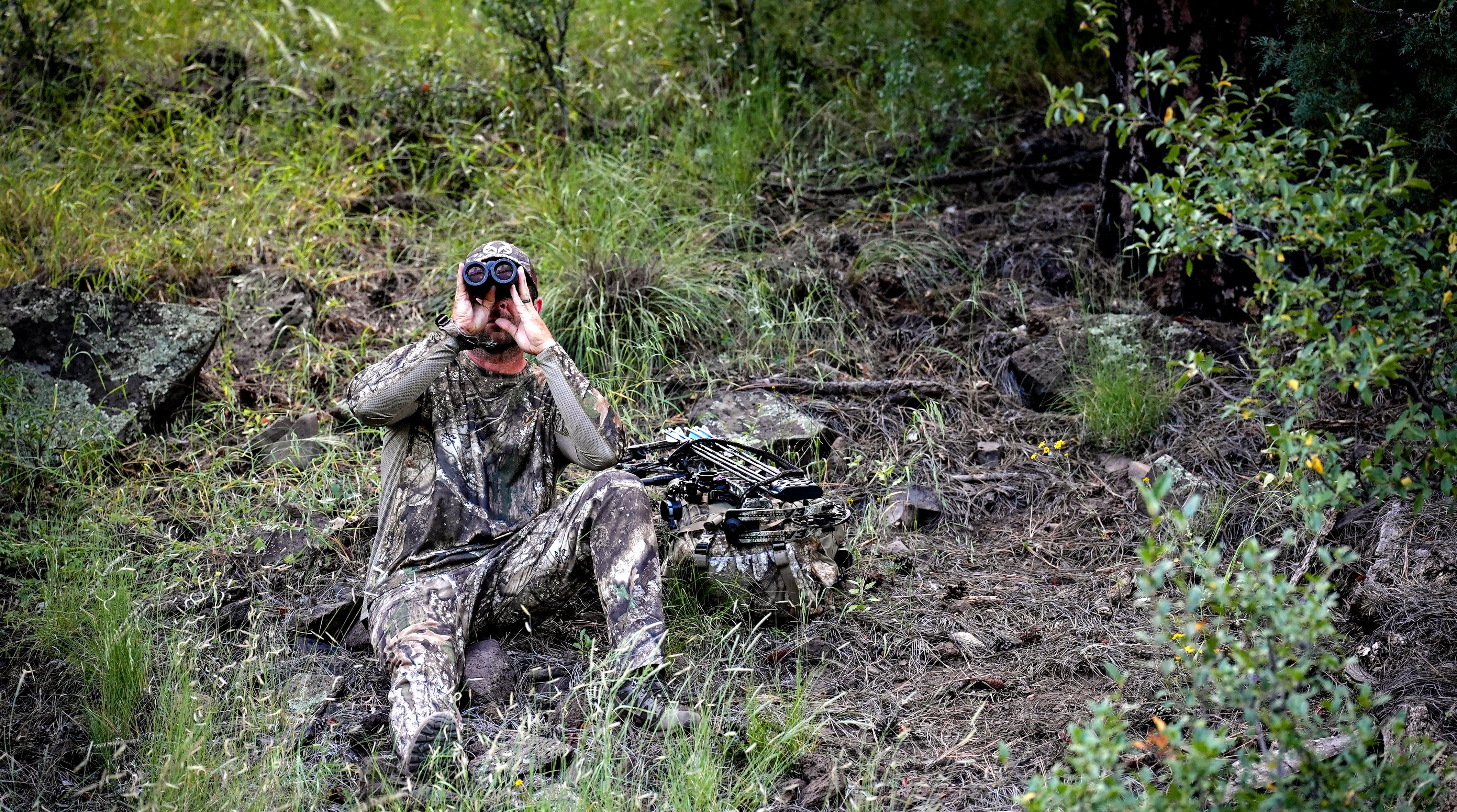
Don’t be stubborn. Consider changing locations if the spot you’re hunting isn’t panning out. (Photo by Realtree)
Throughout the summer, dedicate time to running a few 3-D courses with your bow. Instead of just shooting from flat ground, try incorporating shots from standing, kneeling, and even sitting positions. Rifle hunters should do the same: take your rifle for a walk and practice engaging rocks or steel from field positions. Go prone off your bipod, kneel while bracing against a tree, or sit with your elbows resting on your knees. Get used to making a shot when things aren’t perfect, because in the elk woods, they rarely are.
Being able to set up quickly and shoot confidently from any position is fundamental if you want to kill elk consistently. Not practicing in real-world scenarios has cost me, and plenty of others, opportunities over the years. Don’t make the same mistake; build your practice around the way you’ll hunt.
7) NOT BAILING SOON ENOUGH
It’s easy to overcommit to a spot and waste too much time before finally moving on. I’m not saying you should constantly bounce from one place to the next, but there are times when your best bet is to cut your losses and look for greener pastures. I used to be guilty of hammering the same areas until the season clock ran out. Sometimes it worked, but plenty of times it didn’t.
These days, I’m quicker to adapt and move when things aren’t panning out, which has led to more success. You don’t always need to relocate 100 miles, but even a small move can make a difference. I’ve had hunts where one area was completely dead, yet 15 miles away, it looked like the Yellowstone rut on September 20th. That’s why it pays to have plan A, B, C, and D before you ever leave for your hunt.
Don’t Miss: Pack a Mobile Camp Kitchen
8) UNDERESTIMATING THE PACK-OUT
It’s hard to illustrate to someone who’s never seen one up close just how big an elk is. The time to realize it isn’t when one is lying on the ground and you’re panicking over how to get hundreds of pounds of meat off the mountain before it spoils. I recall an Idaho hunt from years back, where a man traveled from camp to camp, essentially pleading with anyone who had horses to help him pack out a bull he had shot miles from the nearest road.
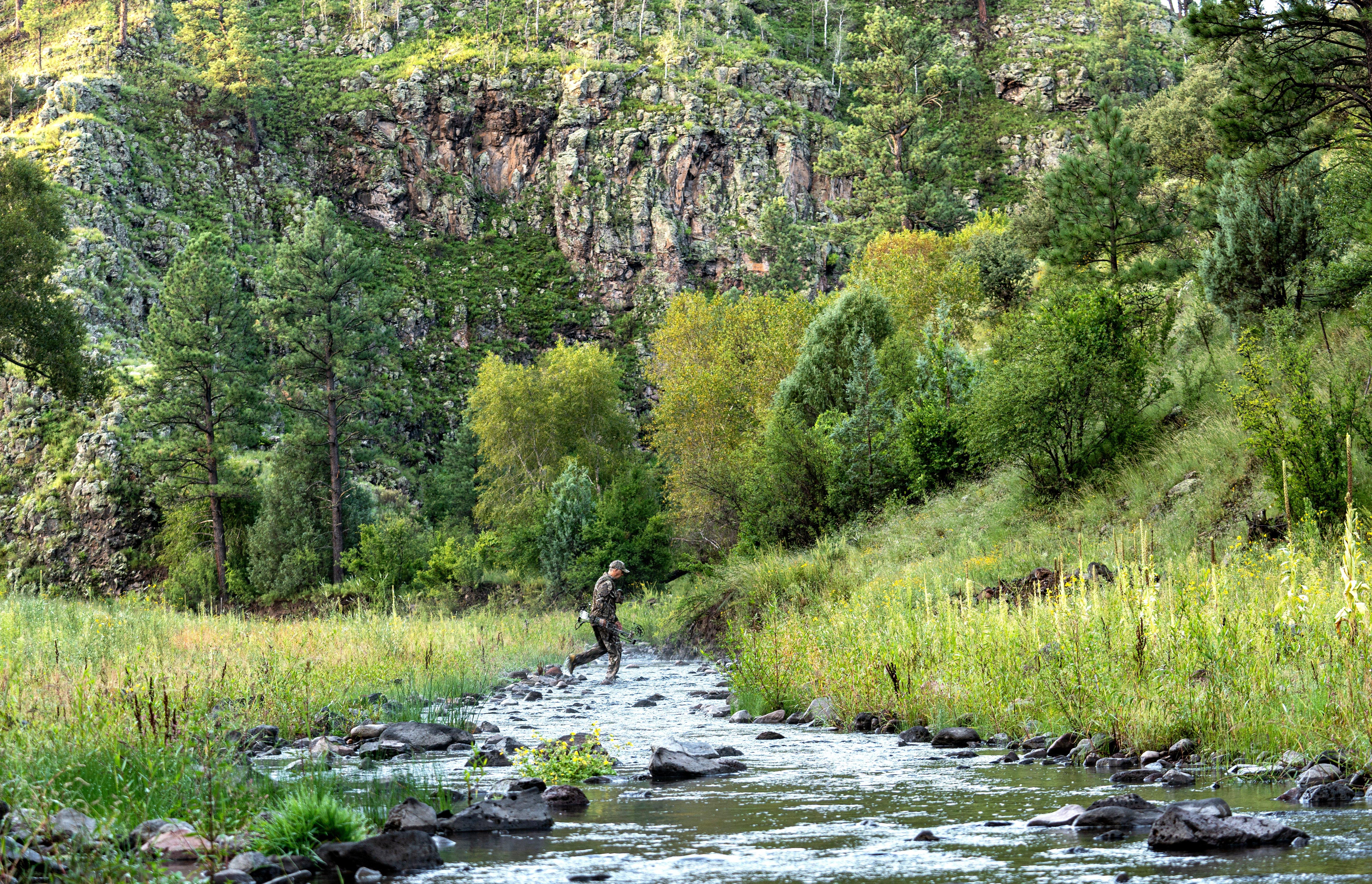
To avoid disappointment, set realistic expectations for the area you’re hunting. (Photo by Realtree)
I’ve never been that desperate, but I have killed bulls a long way in and caught myself thinking, “Was this a good idea?” The truth is, you need to set reasonable boundaries for yourself. Only hunt as far as you and your hunting partners can realistically pack an elk out without risking spoilage. It can be a tough call when the elk are way back in, but we owe it to every animal we harvest to make sure the meat is cared for properly.
9) BEING UNREALISTIC
Going into a hunt with unrealistic expectations is a recipe for disappointment. I’ve done it myself, and I’d bet most hunters have at some point. We spend all year planning and preparing for fall, so it’s easy to build the hunt up in our heads. Whether it’s about the quality of the hunt or the size of the animals, expectations can get out of hand.
If you go in dead set on shooting a 350-class bull in a unit where they don’t exist, you’re going to be let down. If you expect non-stop action and multiple encounters a day, like the hunting shows make it look, you may feel like your hunt was a bust.
The key is to set realistic goals based on the area you’re hunting. If you reach those goals, great. If things turn out even better, that’s a bonus. But it’s a whole lot better than being disappointed over an expectation that was never realistic in the first place.
10) TAKING YOURSELF TOO SERIOUSLY
I’d be doing a disservice if I didn’t include this one. One of the most important things we can do on an elk hunt, or any hunt, is not to take ourselves too seriously. I’m not saying don’t hunt hard and strive for success; I’m always an advocate for that. But I’ve made the mistake of judging a hunt solely by whether I filled a tag, and that’s a trap.
If you’re lucky enough to spend any significant time in the place’s elk call home, you’ve already achieved success. I’ve come to realize that nobody, beyond myself, family, and a few close buddies, cares if I kill an elk or not. These days, I hunt for myself, enjoy time with friends and family in wild places, and relish the chance to unplug from life for a while.