How to Pack a Mobile Camp Kitchen
Posted 2025-08-22 by
To keep a hunting camp well fed, you'll need some good cooking gear. Here's what I pack while on the road
My wife and I spent most of June on an epic road trip. We left our home in Kentucky, headed west to Wyoming, spent a few days each in Grand Teton and Yellowstone, then headed north to upper Montana were we spent nearly a week exploring the area including Glacier and Waterton National Parks on either side of the Canadian border.
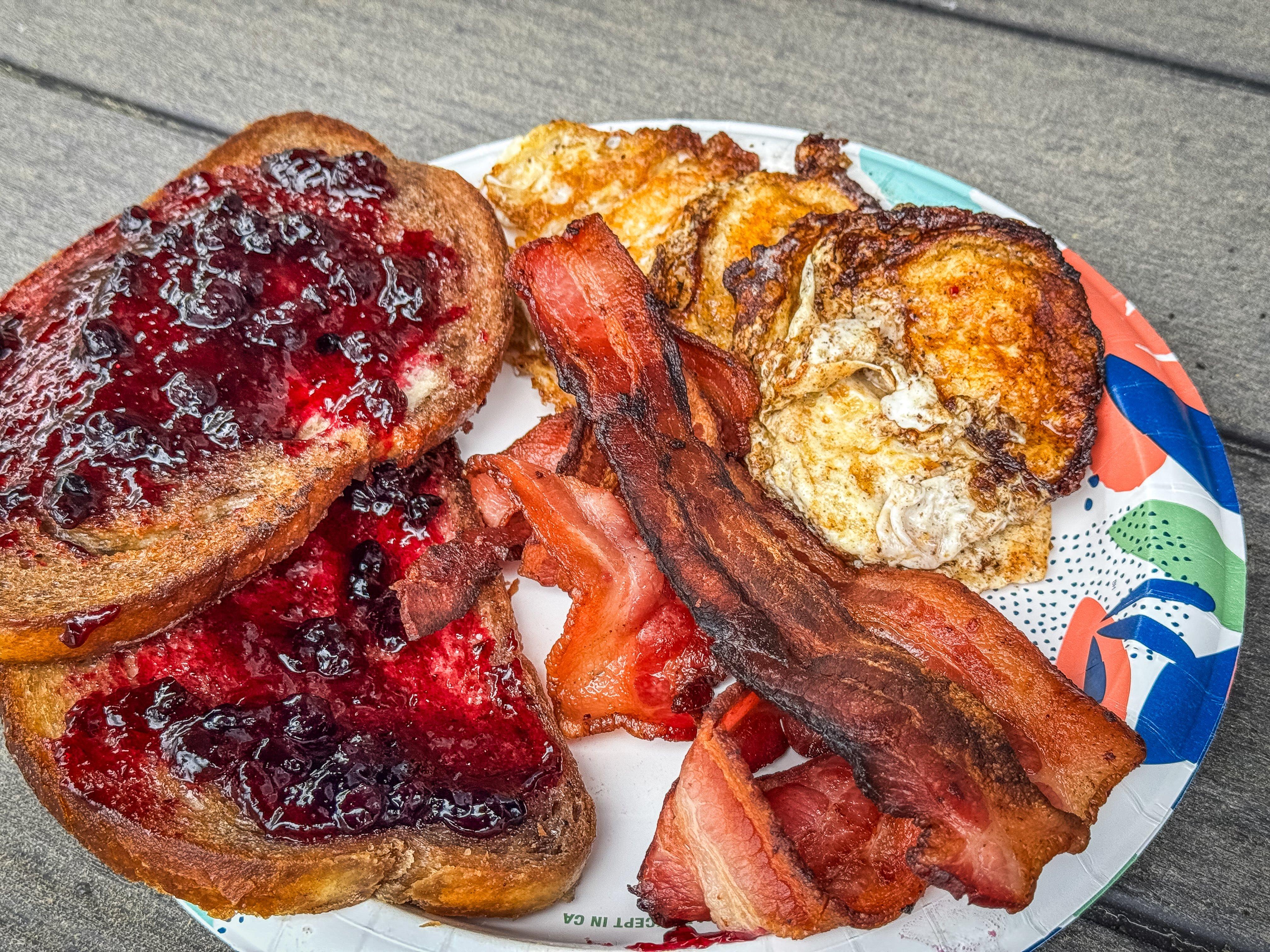
When traveling, a good camp kitchen can save you time and money while keeping you well fed. Images by author
We left Montana during a severe winter storm warning and high country road closures to head south to explore Arizona, Utah, and Colorado in nearly 100 degree heat. Another seven national parks and some spectacular backcountry ticked by. We stayed in hotels, short term rental houses, and remote cabins along the way. In order to not have to leave the parks during precious daylight hours, drive hours out of the way to find a restaurant, or be forced to settle for fast food because everything else was closed by the time we made it back to our lodging each night, we prepared many of our meals along the way.
Don’t Miss: KEEP HYDRATED AND REFRESHED WITH THE YUKON 30 CAN TECH COOLER IN REALTREE ORIGINAL
To expedite cooking and to make sure we had everything we needed to prepare a semi-home cooked meal on the side of a mountain or in a park picnic area, I packed up a camp kitchen. That, along with a well stocked cooler, kept us well fueled for our adventures without costing precious time and a ton of extra cash.
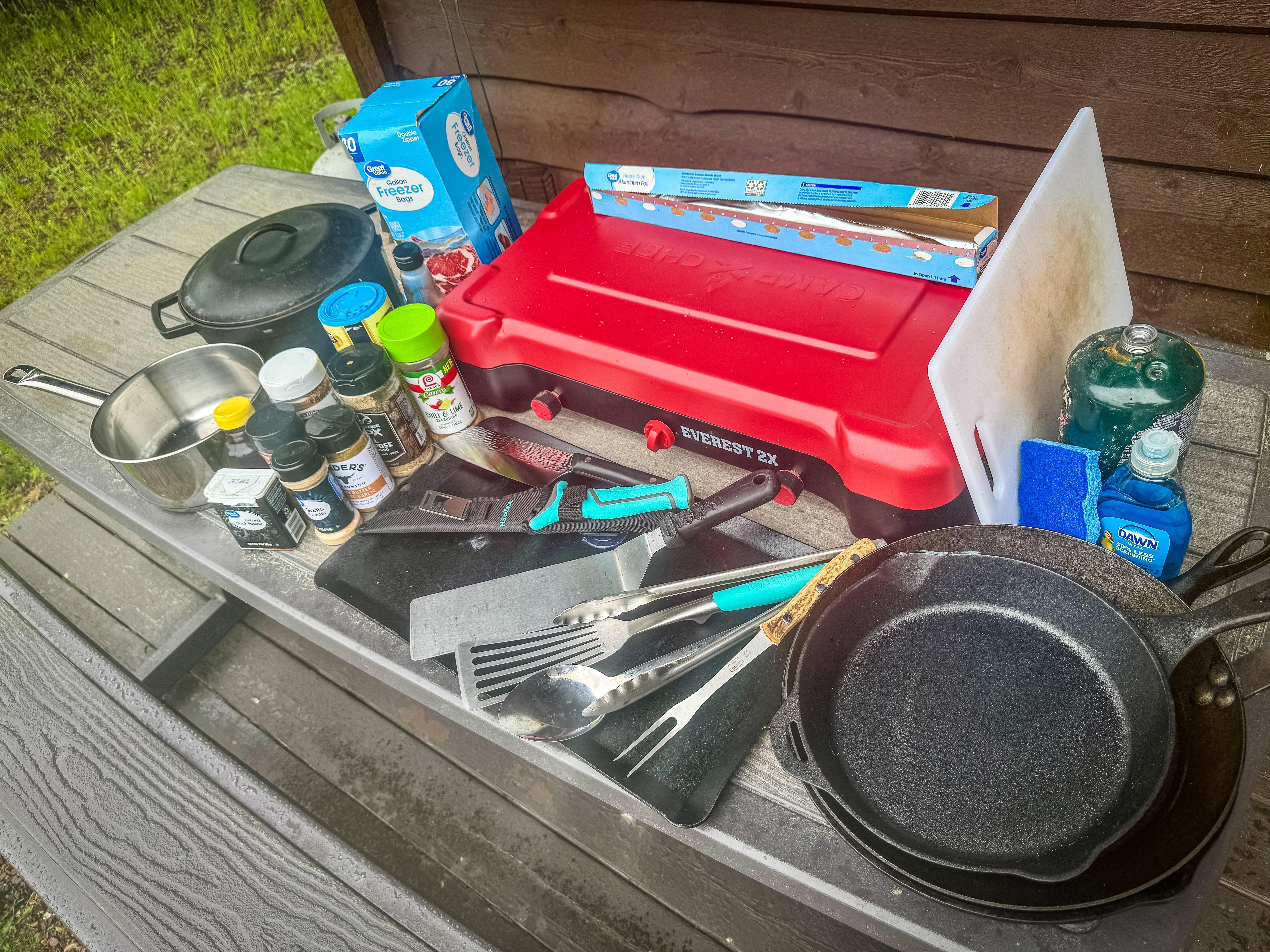
A well stocked camp kitchen will have everything you need to prepare even the most demanding meal on the fly.
Here’s what I packed. This same kitchen works well for hunt camp too, just adjust if you have specific needs for a particular recipe you want to make.
Heat:
Our stove of choice for this trip was the Camp Chef Everest 2X, a well-made two burner stove with push button ignition, plenty of Btu’s for any cooking need, and a great wind screen that kept us going in a high mountain pass that would have rendered most stoves inoperable.
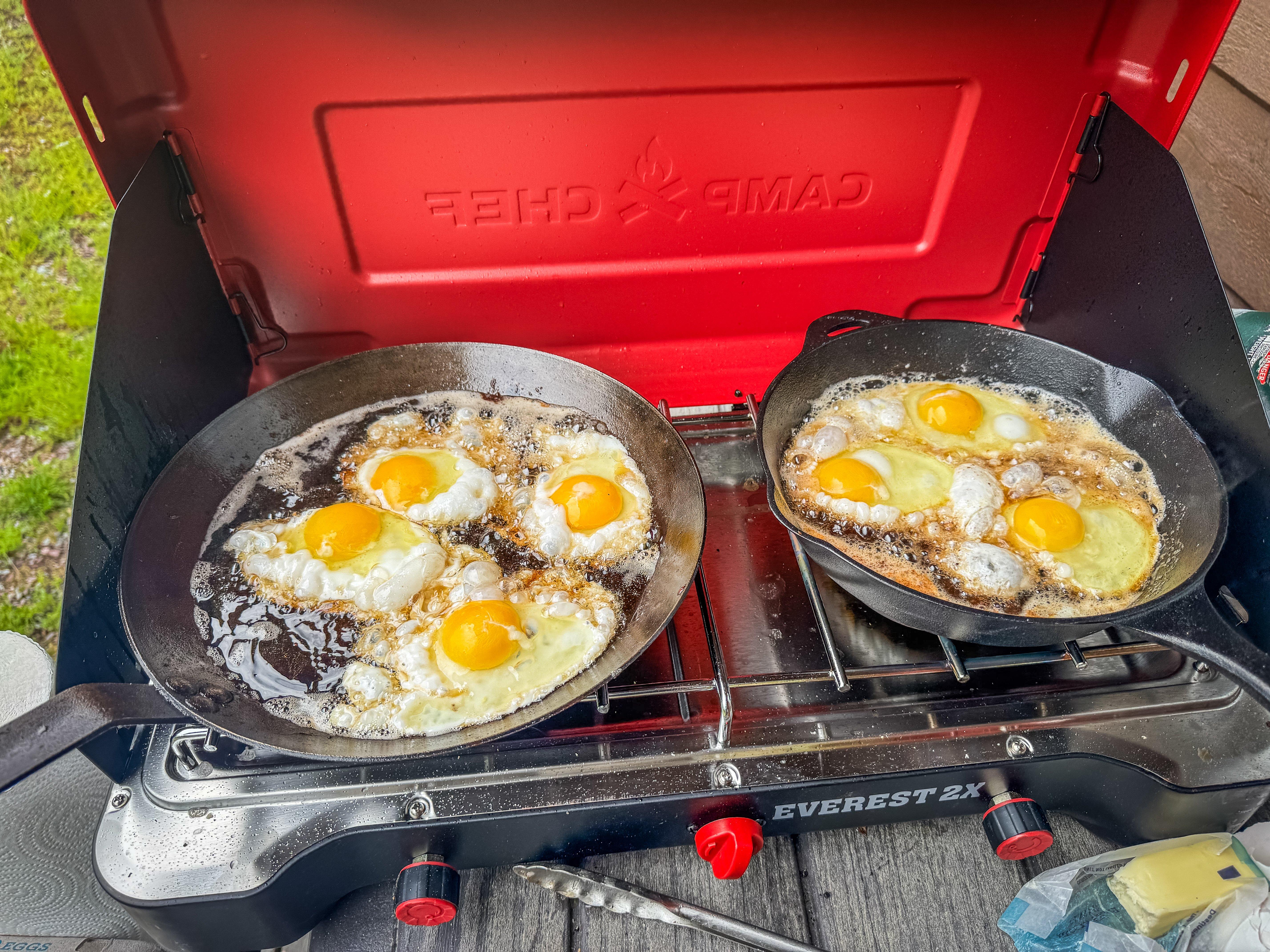
The Camp Chef Everest is a well-made two burner camp stove that will handle a full meal.
Our second heat source was a Jet Boil 1 liter stove. This small but hot stove was perfect for preparing our regular Bayside coffee through a pour over coffee maker and for heating water to reconstitute breakfast oatmeal or freeze dried meals for quick stops.
Don’t Miss: FREEZE DRIED MEALS: NOT AS HORRIBLE AS THEY USED TO BE
Pots and Pans:
We had plenty of space in our SUV, so I packed three skillets for this one. Two were well seasoned Camp Chef and Lodge cast iron, while the third was a lighter carbon steel skillet that was just the ticket for quick meals. Along with the skillets, I packed a small dutch oven with a lid and a medium sauce pan. These five pans covered everything we needed to do on our trip. Truth be told, they would cover about 95% of what I do in my home kitchen as well.
Cast iron and carbon steel skillets handled the bulk of the cooking chores.
In addition to the pans, I packed along a Camp Chef Mountain Series steel griddle. Measuring 11.5 by 20 inches, this griddle fit exactly over the two burners of the Everest stove, making it the perfect way to sear steaks and burgers and whip up some bacon and eggs for a morning meal.
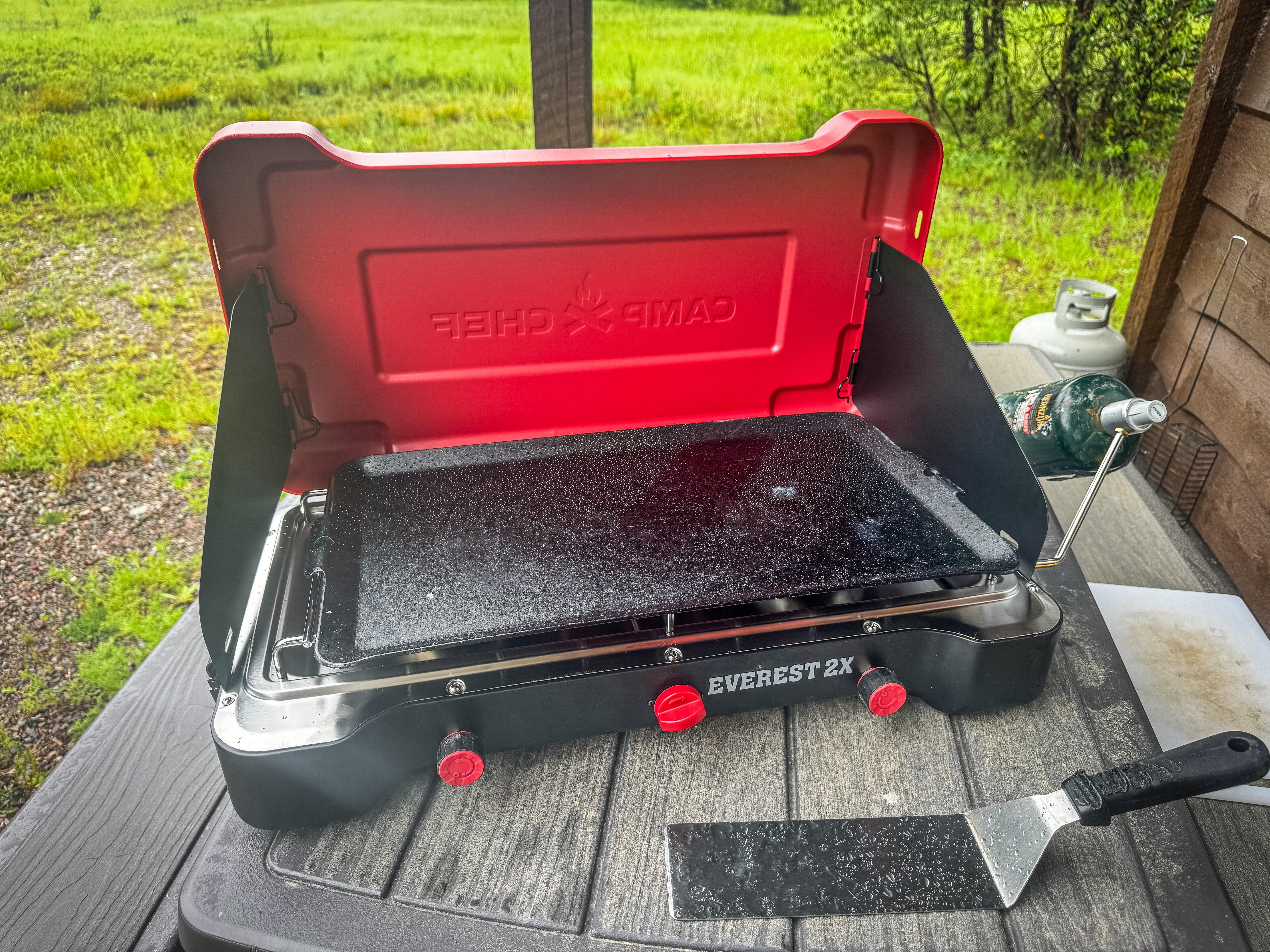
A steel griddle that fit the camp stove made searing burgers and steaks a breeze.
Utensils:
Utensils for this trip included a pair of spatulas, one long for flat top cooking on the griddle, the other my Toadfish Ultimate Spatula which might be one of my favorite all-purpose cooking tools. For knives, I packed a 6 inch utility chef’s knife and my Toadfish filet knife, both for cleaning fish we caught along the way and for general kitchen duty since its stiff and sharp blade was up to any cutting task .
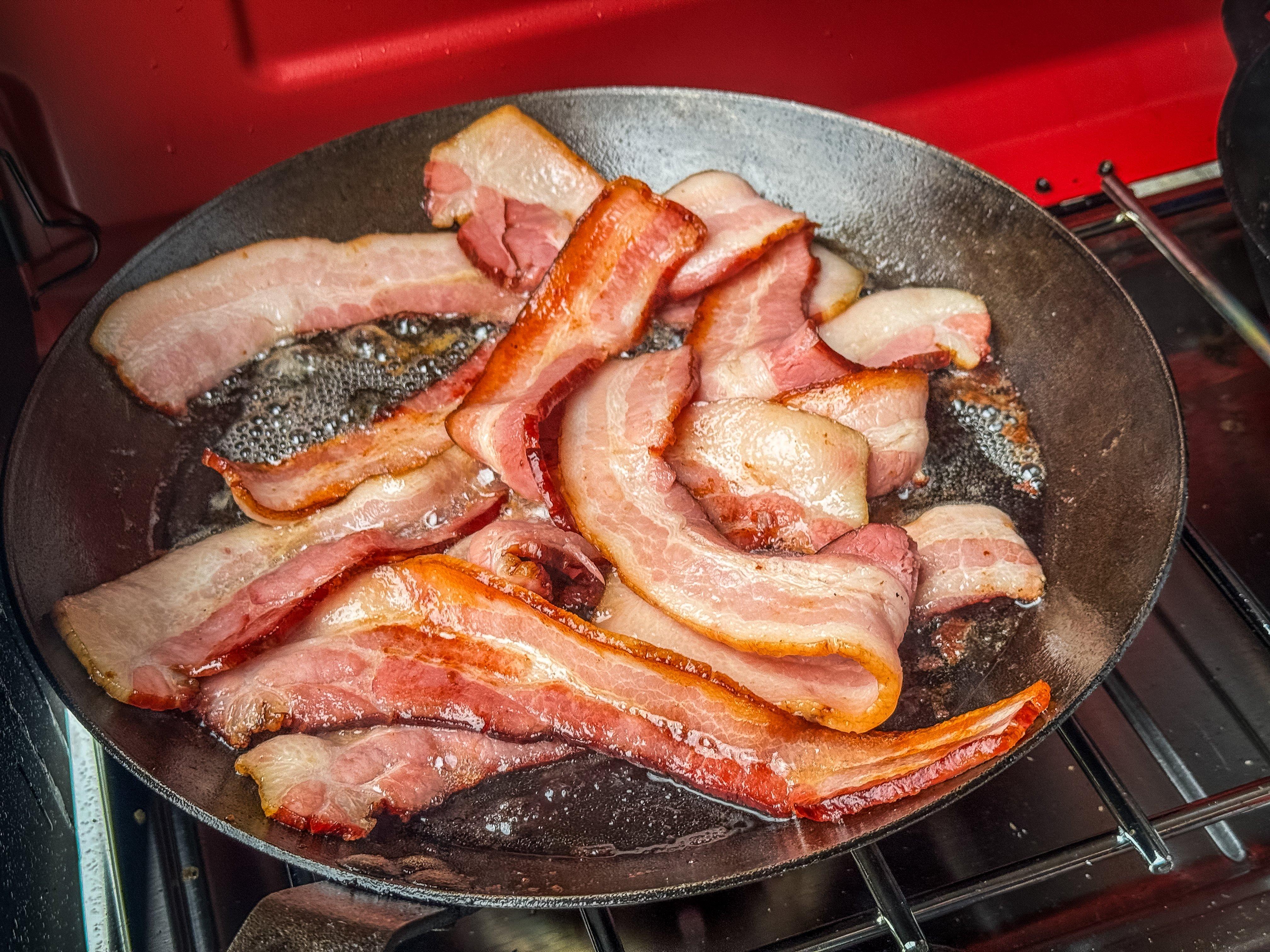
A good set of tongs make pulling things like this bacon from the pan easy without dropping precious food. Don’t settle for cheap tongs.
The rest of the utensil kit was made up of the standard gear. A couple steak knives, two forks, two spoons, a large metal spoon for scooping food from the pot and stirring meals, a large fork for spearing meat from the pan, a good set of tongs (go to a kitchen supply store and get a set made for commercial kitchens. You will never use box store tongs again), and some heavy duty aluminum foil. To finish it off, I packed some zip top bags in a couple sizes, a small container of dish washing liquid, and a sponge. Add in some paper plates and towels, along with a couple dish towels and you should be able to handle any situation.
Seasonings and Spices:
This is where I can’t help you much. Look in your cabinet at home and see what spice blends and seasonings you use most often. Pack those. For me, it was coarse kosher salt, black pepper, cajun seasoning, soy sauce, a small bottle of sesame oil, Realtree APX all purpose seasoning, granulated garlic, red pepper flakes, some Crystal Hot Sauce, and a jar of honey for our sweetening needs. These basics, along with a couple of my favorite bbq rubs and blends handled everything we threw at it.
Everything on this list packed fairly neatly into two large plastic totes, making it easy to load and unload what we needed quickly. Gear was easy to find and we didn’t have to rummage about the vehicle looking for it.
While this list will give you a good starting point, it probably won’t be perfect for your favorite recipes and cooking methods. Look around your kitchen. Take note of what you use most often and include it. Don’t think you will use something on my list? Leave it out to save space. Happy traveling.
Don’t Miss: THE 3 BEST CLAY TARGET GAMES FOR DOVE HUNTING PRACTICE