Don’t Overlook These 4 Antelope Hunting Details
Posted 2026-08-24 by
Pronghorns are exciting to pursue, but they’re artists at evading hunters. Follow these tips to stay on top of your game
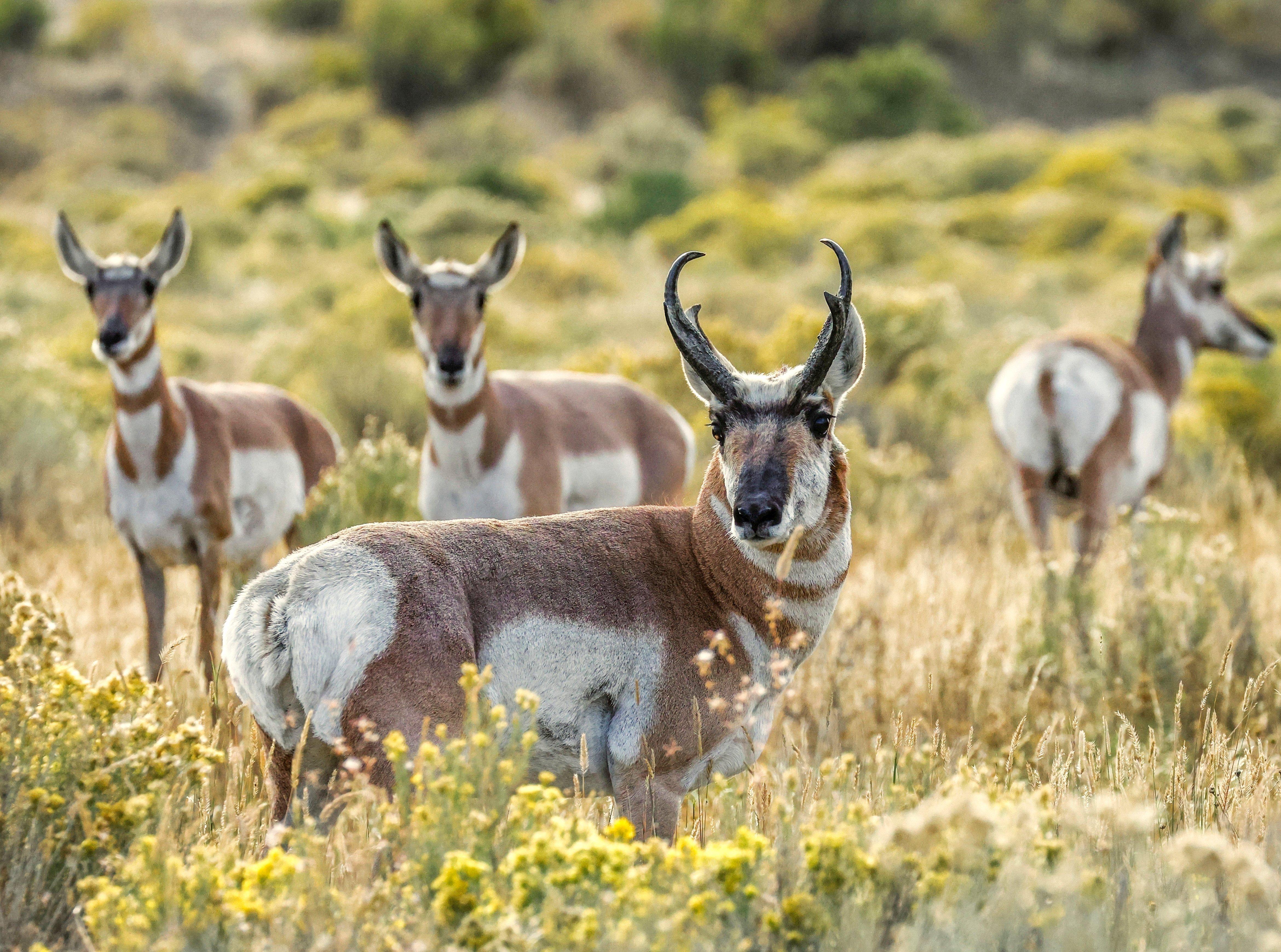
If you’re headed west to chase antelope, don’t forget the critical details that can tip the odds in your favor. (Image by Danita Delimont)
In many ways, the American pronghorn makes the best pursuit for hunters looking to try Western hunting for the first time. The physical difficulty is nothing compared to a mountain elk hunt, and pronghorn bucks are far more visible during daylight than mule deer bucks. In the right areas, you’ll be in the action all day. There is little downtime.
Further, antelope tags are more economical than elk tags, and most pronghorn hunts can be motel-based, which eliminates the need for a lot of camping gear, though that angle is a great option if you’re looking to unplug. Breaking down and packing out a pronghorn is also a walk in the park compared to an elk.
Those and more are good reasons to try your luck at antelope hunting, and if you’re heading west to chase these prairie dwellers, here are some details to help you tighten up your game.
PLACE YOUR BLIND DOWNWIND OF THE WATERHOLE
Archery antelope hunters generally have solid success rates with waterhole hunting. In dry conditions, a hoof-pounded waterhole is an exciting find. It’s easy to park a ground blind 20 to 25 yards away and expect a buck to wander in for a drink.
Don’t Miss: Bowhunting Gear to Absolutely Never Leave Behind
But wait. Before you set up the blind, consider which side of the waterhole the goats are drinking from most, and then place your blind downwind so that animals approaching the water are upwind. Antelope aren’t likely as keen as whitetails, but they will absolutely go on alert if they smell human odor. While stalking, I’ve had bucks circle downwind and blow out.
CHOOSE LANDMARKS BEFORE STALKING
It’s common for hunters new to the spot-and-stalk game to embark on a stalk without mapping out a route. Always take a few moments to make sure the animal is in an ideal position to stalk. Second, look for landmarks that can guide you to it, and be especially attentive to any distinct landmark near the bedded goat. Many stalks are fouled because the hunter gets too close or is looking in the wrong place. Landmarks, when available, can be a huge benefit for getting close and also for seeing the buck before he sees you.
GET OUT OF THE TRUCK TO GLASS
Because antelope are extremely visible from dirt roads and even some paved roads, new antelope hunters tend to rely on driving around to find their buck. That’s OK, but “road goats” tend to get pressured and can be difficult to stalk.
Don’t be afraid to leave the truck and hike over hills to glass. There’s a lot you can’t see from the road, as the prairies have folds, humps, and draws that hide antelope. Burn some boot leather, and you’ll likely find some goats that haven’t been pushed around a bunch.
THEY HAVE EYES ON THE BACK OF THEIR HEAD
Antelope can seem so approachable, but even if you have some terrain and play the wind during your stalk, they’ll often leave you in a cloud of dust. That’s because they have large, bulging eyeballs that give them an approximate 320-degree field of view. That makes it crucial to use the terrain really well. Don’t take shortcuts. And remember that your head and cap are above your eyes, meaning an antelope will often catch your head moving as you raise it to see the buck. Typically, they’ll already be looking at you when you’ve risen enough to see them.