Bowhunting Gear to Absolutely Never Leave Behind
Posted 2026-08-11 by
What’s in your pack? The small stuff you carry can make or break a hunt
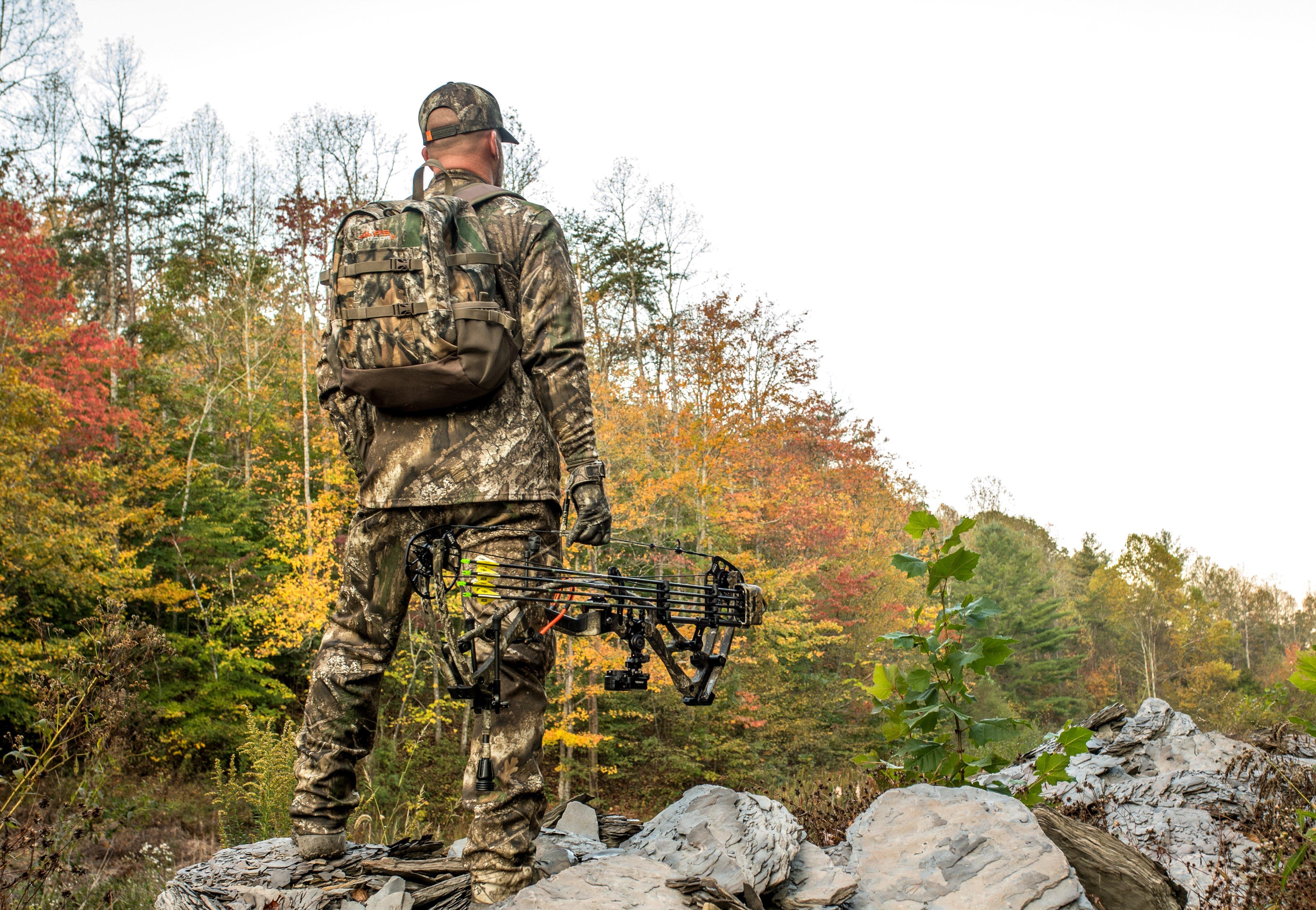
Some critical items seem obvious, but others require more consideration. For example, carrying a spare release can spare you from a big headache. Photo by Bill Konway.
With opening day not far off, I’m sure you’ve been shooting your bow and tuning arrows and broadheads. But what about that daypack that has been sitting on a shelf since this past season? It’s time to pull it out, dump the contents on the garage floor, and take inventory of the small items and accessories you need to hunt efficiently. Here’s a solid gear list.
Don’t Miss: The Best Days to Deer Hunt in 2026
Paracord: Cut two cords about 20 feet long; one to pull your bow up into a tree stand and one to lift up your pack. You never know when you’ll need more rope (maybe to secure a buck as you drag it out), so carry an extra 20 to 30 feet of cord.
Bow hanger: You can’t beat Realtree’s EZ Hanger 3 Pack, with three screw-in hangers of various size. I use the longest one to position my bow on a tree within easy reach of my stand, and the others to hang my pack, rattling horns and other gear nearby.
Spare release: One time, I packed into a great rut spot in the dark, climbed 18 feet up into a stand, locked in tight with my harness and hung everything up. With the sun peeking up in the east, I pulled my release from my pocket, started to clip it on — and dropped it. During prime buck time, I had to unhook my harness, reattach to a lifeline, climb down, pick up the release, climb back up and get resettled, in the process sweating and cussing. Never again. I never leave home without a backup release on a tree-stand hunt, and you shouldn’t either.
Don’t Miss: How to Identify a Mature Whitetail Buck
Flashlight: I wear a headlamp to and from a stand in the dark. I carry a tactical flashlight powered with lithium batteries in my pack. You can buy a small, lightweight model with various light settings for $50 to $75. Use the minimal-illumination mode to find a stand or ready your gear in the dark. If you shoot a deer late in the day, switch to high-power turbo mode to light up the woods and follow blood to your animal. If you’ve never used a tactical flashlight, the versatility and powerful light output will blow your mind. Buy one.
Tools: Your choice of knife is up to you, but don’t skimp. I pack an $80 folder (4-inch blade) with a gut-hook. Must-haves include a multi-tool and one-piece hex wrench set for screw tightening and minor gear repairs. To trim limbs or cut cedar boughs to build a blind, carry a folding hand saw with an 8-inch blade. Think positive and pack several pairs of plastic gutting gloves (ones that cover your hands and arms up to biceps make for clean work).
Power bank: Keep your phone charged so you can call 911 or home — or a buddy to come help drag your buck. For $50, you can purchase a small, thin mini-charger with a built-in changing cord, which is especially safe and convenient for pulling out your phone and powering it up while sitting in a treestand.
Don’t Miss: Deer Hunters, Watch Out for Ticks and Snakes
Personal items: In a pouch or pocket of your pack, carry an extra set of contacts and a small mirror. On a hike in one day, I had a limb tip lift the left contact out of my eye, and now I always carry a backup. A pack of Scent Killer Gold Field Wipes is great for odor-free hygiene. A small first-aid kit with band-aids, gauze, tape, Neosporin, Tums, Excedrin and other necessities is a must. Don’t let a bad blister or headache ruin a hunt.