5 Tips to Ace Your Archery Elk Setup
Posted 2026-09-07 by
Being in just the right spot usually has more to do with getting a bull into bow range than perfect calling
For pure bowhunting excitement, nothing compares to calling up a big, bugling bull elk on a power trip. Bowhunting elk can be equal parts satisfying, challenging, and frustrating. Calling elk is a necessary skill for archery hunters, but getting a bull to within 50 yards and standing in a good shooting lane is harder than getting a politician to answer a question. In truth, your approach and positioning are more important than making the perfect sounds. Here are 5 tips to ace your setup.
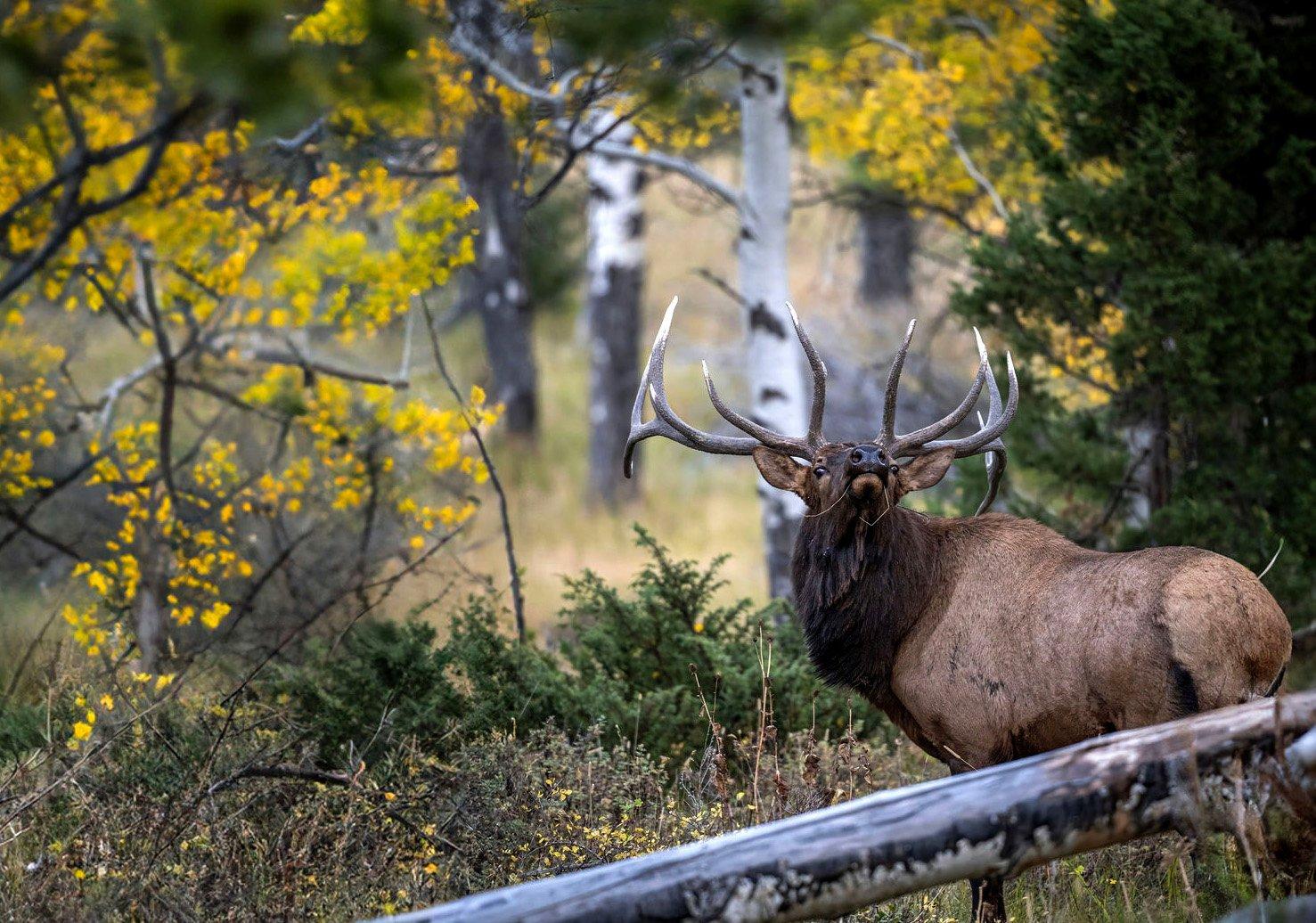
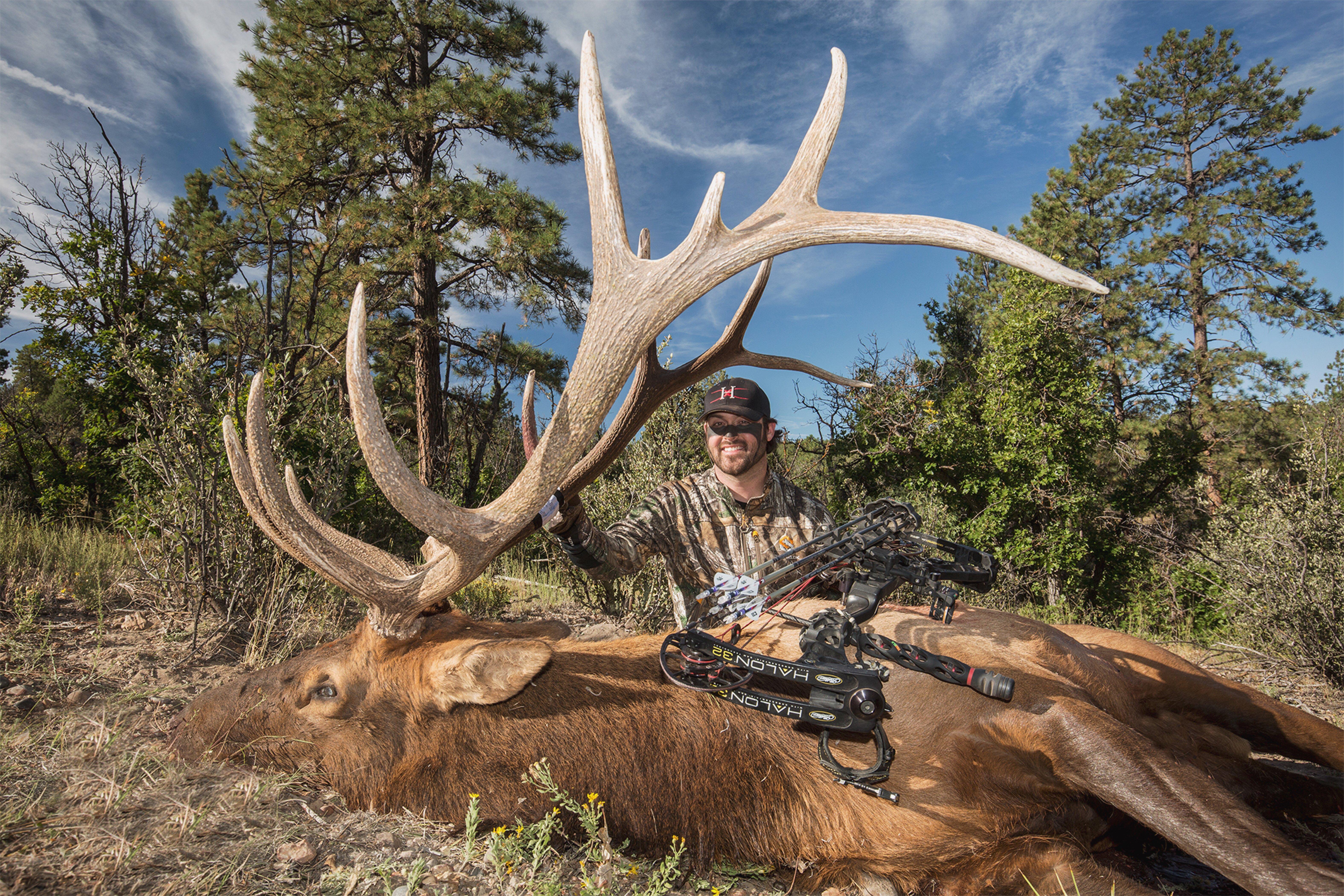
Calling in a big bull elk is one of the most intense hunting situations you can encounter. Following these tips will improve your chances of closing the deal. Image by John Hafner
HUNT THE HERD FROM THE OUTSIDE IN
Big bulls are usually herd bulls. In the pre-rut, bachelor groups split up and begin building a herd of cows and maintaining these harems until they all become receptive to breeding. Satellite bulls with smaller harems or loners in search of love will attempt to move in to steal a portion of the party. The goal for a hunter should be to make the herd bull think another bull is interacting with his cows on the perimeter of the herd.
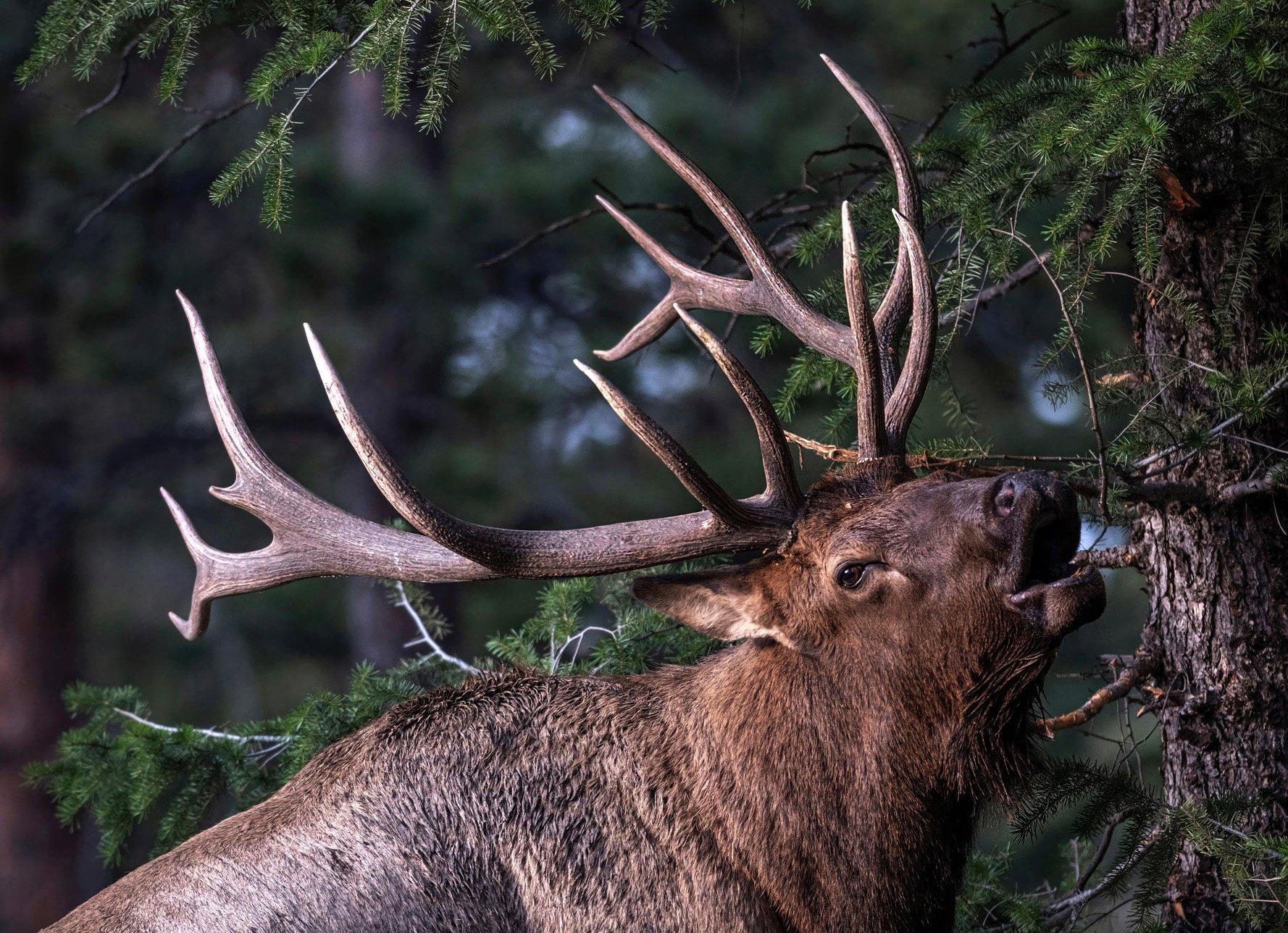
A mature bull will have a deep, long bugle, tipping off his location to the alert hunter. Image by John Hafner
The first step is to locate a bull with a distant bugle. Shorter, higher-pitched responses are commonly smaller bulls, while a deep, raspy tone with chuckles and grunts is more indicative of a big boy. Exceptions apply, but if you hear him bugle again from the exact same spot, there’s a good chance it’s a mature elk that will remain in that spot as long as his female companions do.
Once a bull is located, move in on his position. Press his comfort zone enough so he feels uncomfortable with your presence but not enough that your wind or movement will give you away. Pay very close attention to the cows. Like an old doe in the eastern woods, cows are keenly alert and wary of predators. Pay attention to where cows are moving so you can avoid your scent drifting off to the fringes of the herd and alerting the whole circus.
Don’t Miss: HOW TO READ AND UNDERSTAND MOUNTAIN WIND
HUNT HIS NOSE, NOT HIS FEET
In elk country, the wind normally blows uphill or downhill. Prevailing winds can play a part, and thermals will swirl at different times of the day, but in its simplest form, the wind blows downhill in the morning and uphill in the afternoon. If thermals are stable, a hunter should obviously approach a herd from the downwind side. Sometimes that requires a hunter to make a big, roundabout path into a favorable wind. No shortcuts here!
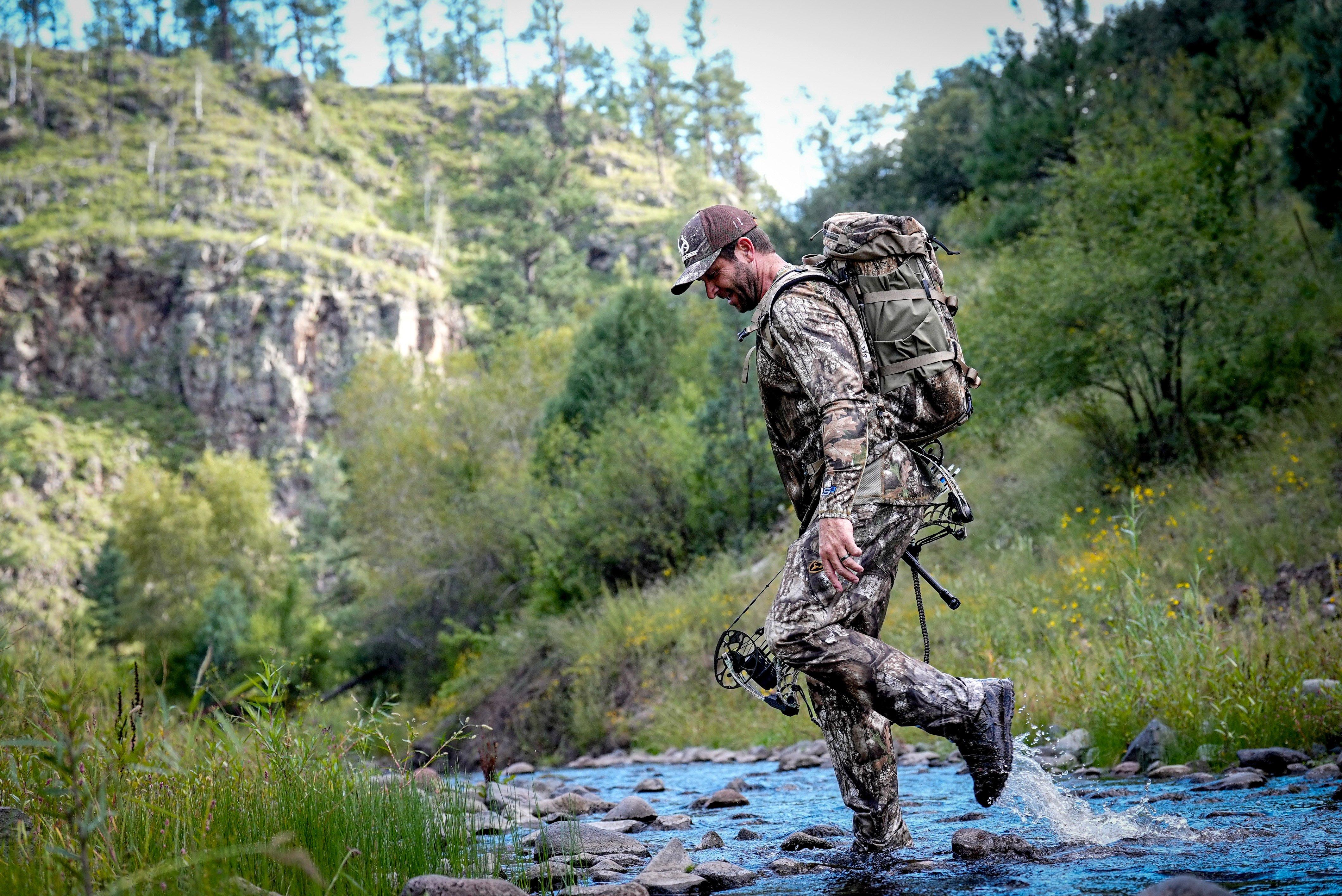
Play the prevailing winds, but be cognizant of swirling thermals that might tip off the elk to your location. Image by Realtree
Swirling thermals make this more difficult. When making an approach in inconsistent thermals, climb or descend the mountain until you are on the same elevation contour as the elk and move in perpendicular to the wind – essentially setting up to hunt a cross-wind. Bull elk frequently circle downwind to scent-check before moving in on a challenger. Anticipate this and shift your setup a few yards downwind. Stay close enough to take a shot if he comes in directly but move far enough offline to cover his second, most likely route. Also avoid setting up in bowls or bottoms where your wind will naturally eddy.
Don’t Miss: HUNTING THERMALS, AS EXPLAINED BY A METEOROLOGIST
BUILD THE TRAP BACKWARD
While not always the case, trophy bulls will usually be herding cows like a sheepdog to prevent them from wandering off. When an intruding bull approaches, the herd bull will usually meet him head-on, and to the winner go the spoils. The closer the threat, the more likely a herd bull is to leave his quarry and confront his foe.
When hunting with a partner, place the shooter out in front of the caller to intercept the bull as he comes in to meet the challenge of another bugling bull. Image by Nate Hosie
Elk survive with their noses, but aggressive bulls like to confirm with their eyes. After closing some distance and setting up on a bull, the caller should remain 50 yards behind the shooter and out of sight. If a bull challenges your simulated threat, force him to move into shooting range before he can confirm the source of the calling. Set up behind the crest of a hill, several yards into vegetation, or behind fingers of timber. When solo hunting, always turn around when making your calls. Muffling your calls into the ground or a thick bush or blowing backward down a hillside can also simulate a sound that’s farther away than it actually is.
Don’t Miss: 5 WAYS TO INCREASE YOUR EFFECTIVE BOWHUNTING RANGE
STOP CALLING, START ACTING
My dad once asked me what I wanted to be when I grew up. I told him I wanted to be an actor, and he looked at me like I said I wanted to be a vegetarian. Well, the joke’s on dad. Luring elk is as much about acting as calling. Your role is that of a menacing bull making away with part of a herd bull’s prized harem.
Challenge bugles should start from a long way away. Once a bull is located, silently move in close and potentially make another bugle to press his comfort zone. Pair that with several cow calls to act like (see what I did there) a few cows that have wandered off to a new sweetie. In high-pressure areas, too many bugles from the same tree can be a dead giveaway to a hunter’s presence. Instead, rake a tree with a limb, scrape your boot on the ground, and make soft cow calls. Go obnoxiously overboard pretending you’re auditioning for the lead role in a movie. Once he starts coming, stop calling so he has to search for the source of the sound. Pre-plan shooting lanes, and when he passes through one of them, settle your pin.
FIND AN EASY ROUTE
Like most animals, elk will travel the path of least resistance, and there is a biological reason for it. To survive, wild animals need to consume more calories than they burn. Exerting less energy for the same desired result is especially critical for bulls during the rut since they spend their days running cows and fighting other bulls instead of building fat reserves.
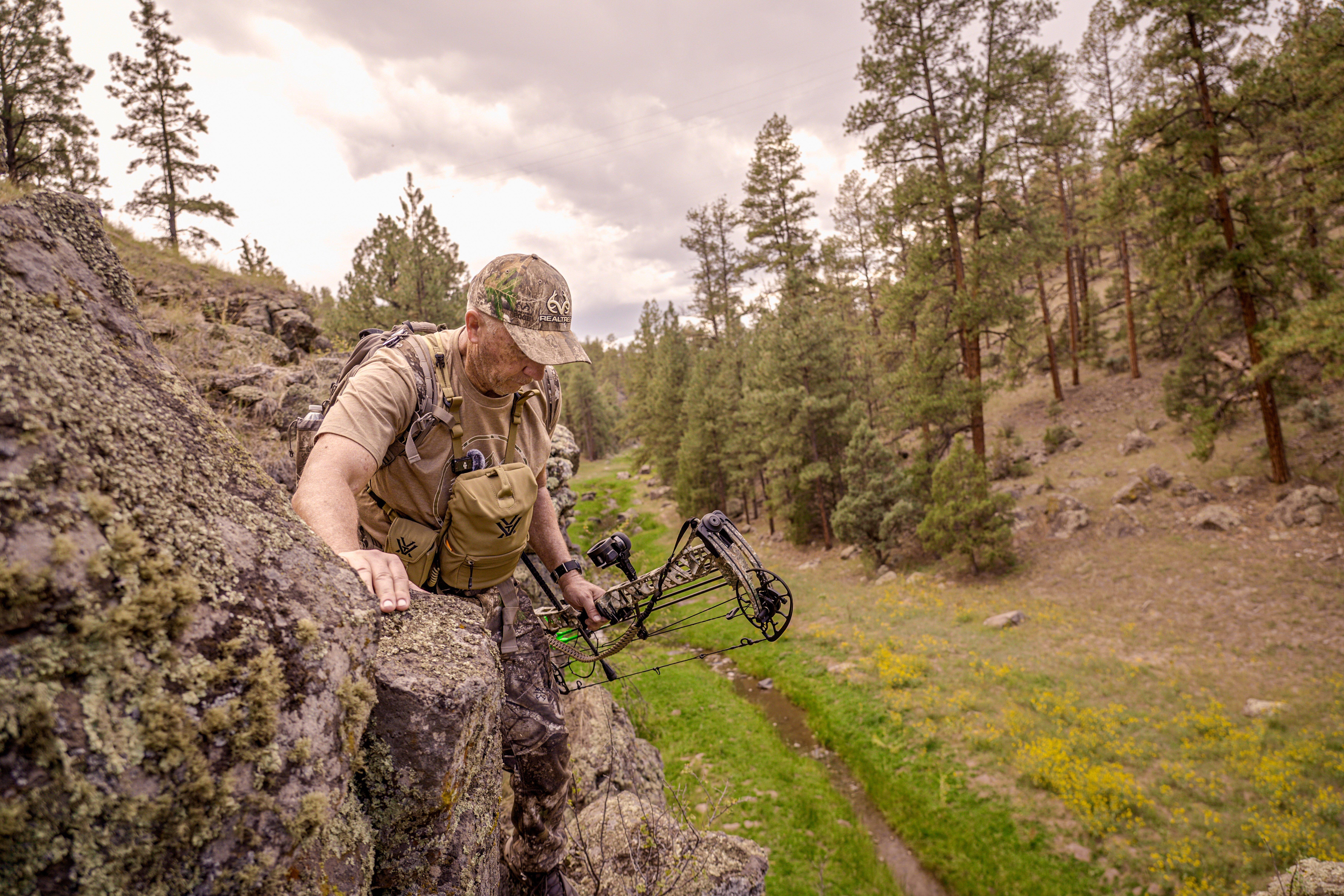
Use terrain and travel corridors to your advantage to put yourself close to elk. Image by Realtree
Hunters can use this to their advantage by using terrain, cover, and obstacles to guide the bull into certain shooting lanes. In the perfect setup, the shooter would have an obstacle on their downwind side to prevent the bull from circling downwind to scent check their position. Wind is still the priority here, but if the location and wind allow, use natural barriers to funnel a bull exactly where you want him. Examples would be to set up on a shelf where the surrounding terrain is very steep, in an opening with a heavy deadfall on one side, up against a steep ridge, or on the back side of a saddle of a crossing ridge.
Once a big bull is located and responding, planning for his downwind circle, making him think you’re farther away than you are, forcing him to come closer to verify you, and funneling him through a certain pathway that hopefully gives you a chip-shot opportunity. That’s when you know beyond a doubt you’ve aced your archery elk setup.
Don’t Miss: 10 ELK CALLING MISTAKES THAT CAN COST YOU A BULL


?fmt=auto&qlt=default&fmt.webp.qlt=65&fmt.png.qlt=73&fmt.jp2.qlt=35&fmt.jpeg.qlt=60)