5 Reasons Why Target Bucks Vanish
Posted 2025-09-18 by
That big deer is all over your cameras, and yet you can never seem to lay eyes on him, much less get a shot. Why is that?
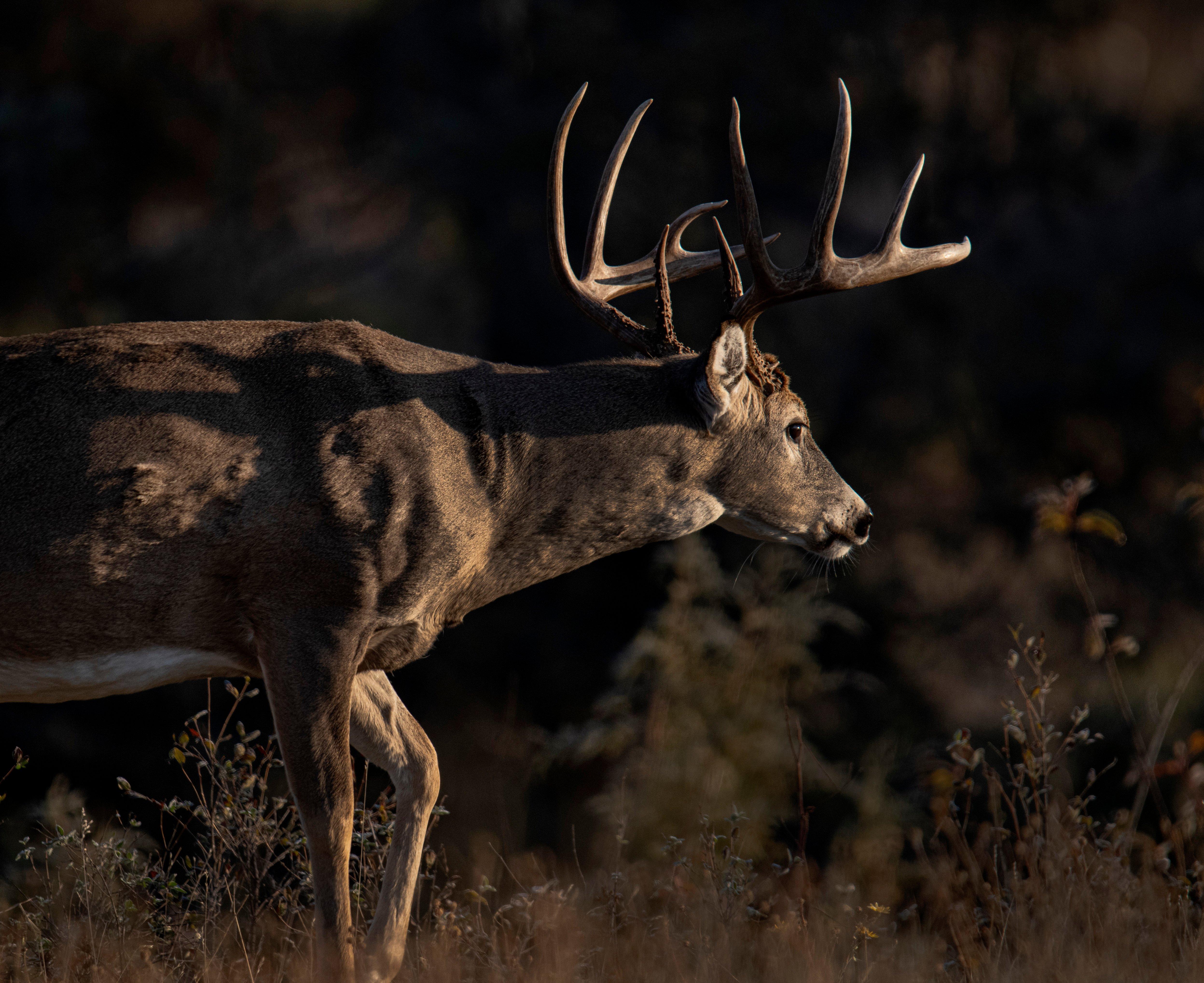
Trail cameras are fantastic scouting tools, but getting pictures of a big deer is still no guarantee that you’ll ever see him. (Photo by John Hafner)
It’s September, and for deer hunters it’s the season of high expectations. Odds are your food plot is producing plenty of forage and there might be a good buck or two that’s making regular pit stops on your hunting property. Perhaps you’ve even named this deer, or maybe you’re already choosing a spot on the wall for a shoulder mount.
But before you put a taxidermist on retainer let’s remember that many — perhaps most — of those really big bucks that show up on our cameras each year are never shot. There’s one such buck that makes regular rounds on our property, posing for routine photo shoots on my camera every few days as he makes his way through a narrow finger of oak trees between two agricultural fields. This particular buck goes by many names among various local hunters including Big Boy, Forks, and George. His travel route seems as routine as the mail, yet he’s never been killed. And, perhaps, he never will be.
The season of high expectations slowly slips into the winter of discontent for many hunters as their target buck finds new and ever more vexing methods to avoid detection. The deer that was as good as venison sticks is now a ghost. Why is it that the bucks we see so regularly on camera manage to evade us while we’re on the stand? Perhaps it’s our own fault for underestimating the deer, or perhaps we don’t understand deer behavior and patterns as well as we thought. Maybe this is the year you connect with your ghost buck, but to do so you might have to change your game plan. Here are five primary reasons why so many hunters fail to kill their target buck.
Don’t Miss: The Best Days to Deer Hunt in 2025
HIS PATTERNS CHANGE WITH THE SEASON
Dr. Stephen Webb is a research professor at Texas A&M University and a nationally recognized expert in big game ecology and management, animal movement ecology, and habitat selection analyses. Much of his work revolves around whitetail deer, and there are few experts more qualified to explain why your target buck keeps outsmarting you.
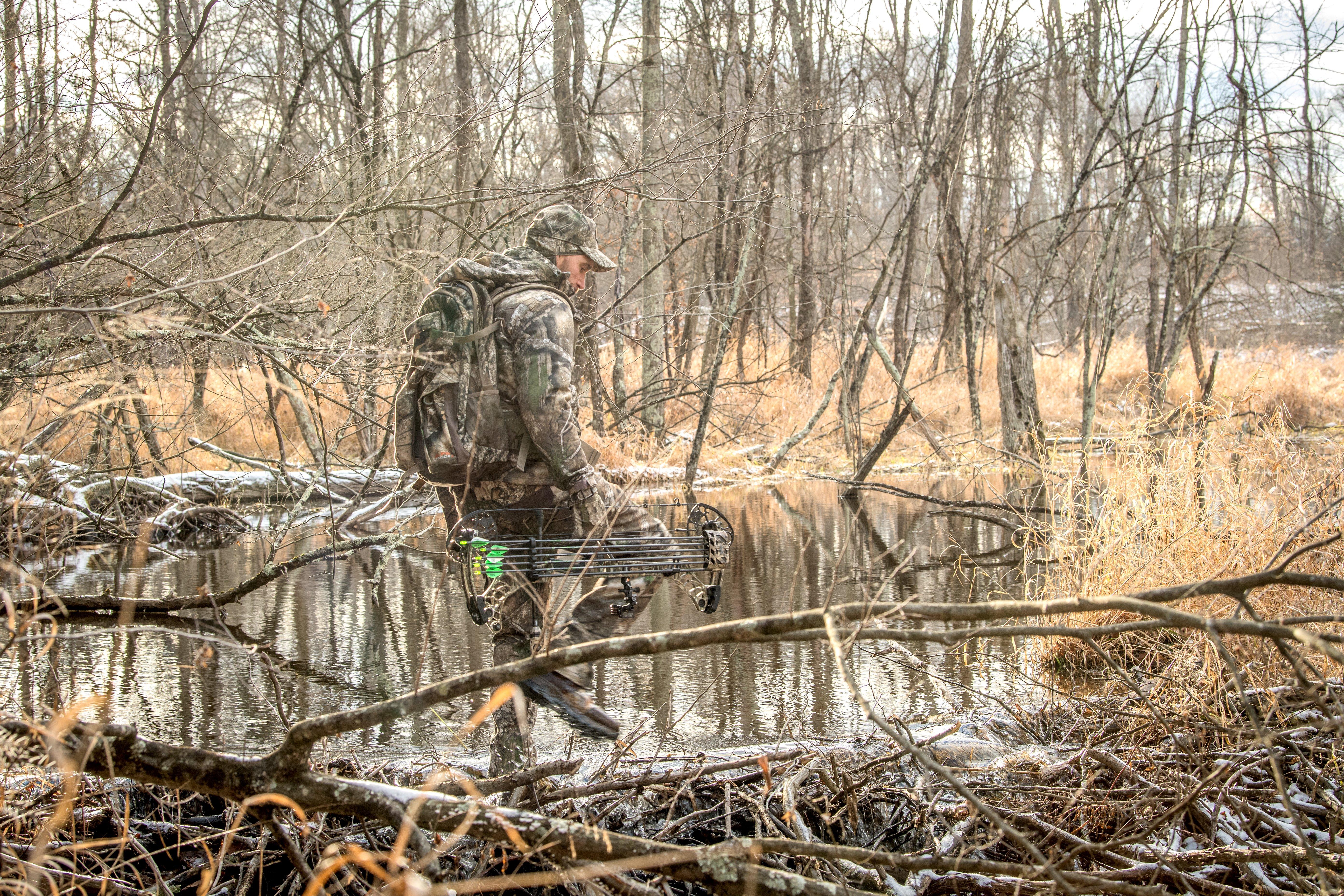
Don’t assume the deer you're after follows the norm when it comes to range and habits. (Photo by John Hafner)
According to Dr. Webb one of the primary reasons you’re being outsmarted by your target buck is that you’re focusing on his summer patterns without realizing that his movements will likely change during hunting season.
“Bucks are in bachelor groups through the late summer and early fall,” says Dr. Webb. These bachelor groups will break up in fall as the rut approaches and bucks will return to their home ranges as the rut nears. This is why a buck that routinely appears on your camera in September may disappear or appear only occasionally later in the season. It’s possible that you’ve done a good job identifying the buck’s late summer pattern only to see the deer shift his movements later in the fall.
HIS PRIORITIES CHANGE
The fall is a busy time for male whitetail deer. In the space of a few weeks, they transition from bachelor groups to rutting behavior, and that change in priorities has a substantial impact on where they travel and why.
“The resources they use also change in the fall,” says Dr. Webb. In September bucks may spend the long, warm late afternoon hours feeding on soybeans, but they transition to mast crops as they become available, and as the rut approaches, they may reduce food intake.
Don’t Miss: 6 Tendencies of Big Whitetail Bucks
“During the rut, which usually coincides with hunting season, bucks often forego foraging in favor of breeding opportunities,” says Dr. Webb. As resources change and the rut amps up it’s possible to hone in on a particular aspect of whitetail behavior that doesn’t pay dividends while you’re hunting. It’s possible to hang a stand in the edge of a beanfield where your target buck and his buddies hung out during late September only to find that he’s switched to mast crops like acorns and that the bachelor groups have broken up during hunting season. When you finally pattern the buck near a stand of white oaks in mid-October and assume you’ve found his core area and favorite feeding spot he’ll rewrite the playbook when November arrives. Many hunters — most of us, perhaps — spend our time catching up to patterns that may change quickly. <span> </span>
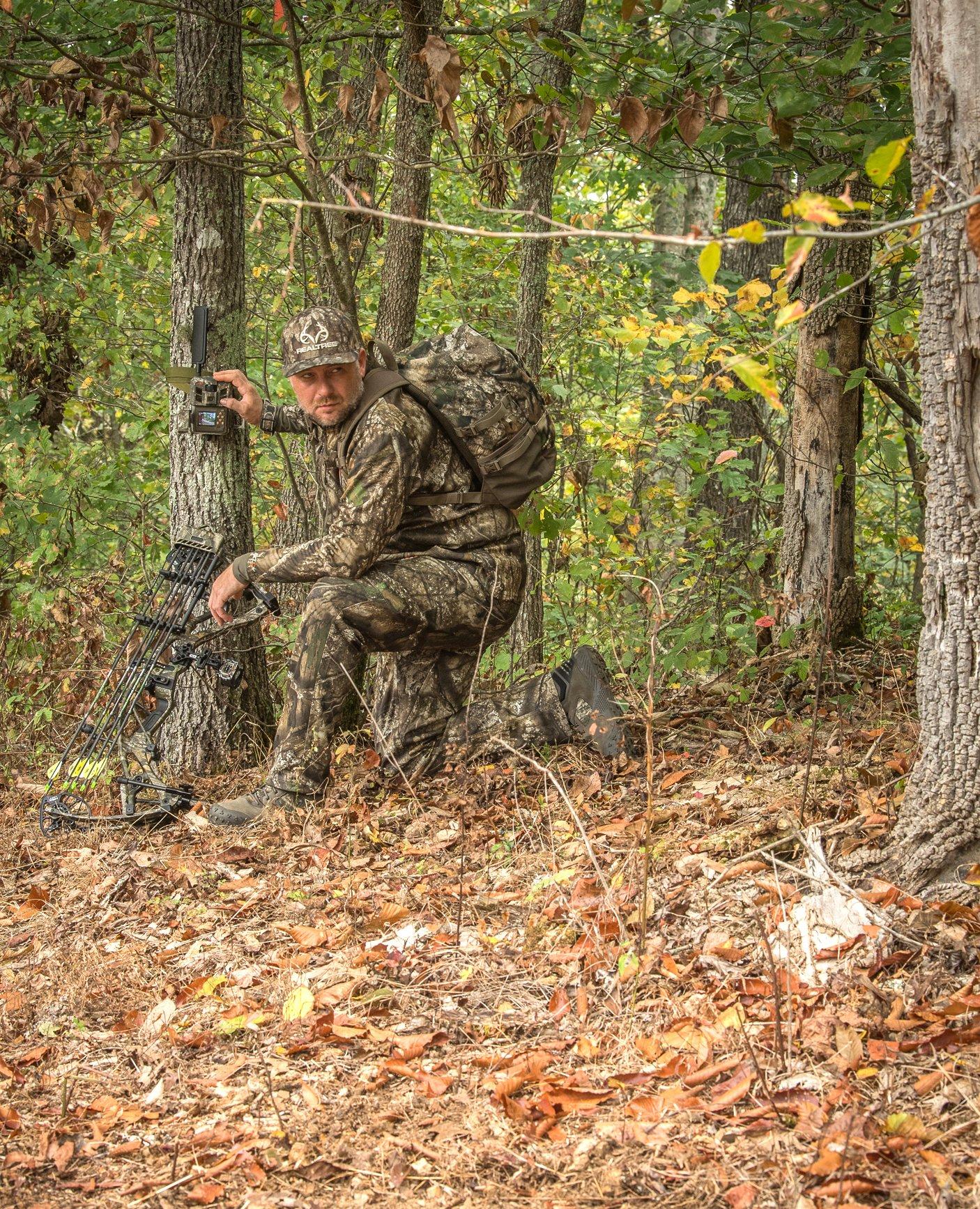
Your target buck likely knows when you’re in the woods and what you’re up to. (Photo by Bill Konway)
HE'S PATTERNED YOU
The fatal mistake most hunters make is underestimating their quarry. White-tailed deer are smart, and very little that happens in a buck’s core range goes unnoticed, so to think that we can regularly traipse through a deer’s bedroom without disturbing him is unrealistic. A clear example of how keenly deer pattern our movements and behaviors is on full display at East Fork State Park near my home in Ohio. I run the perimeter trails around the 7,500-acre property, some of which pass through public hunting areas, and I regularly see whitetails —including bucks — lounging just within the boundary of the no-hunting zone within the park. Those deer are savvy enough to know that they’re safe even though there’s no marker to indicate where the hunting zone stops, and within the non-hunting zone it’s not uncommon to pass by bucks that pay little mind to humans running past. Those same deer rarely set foot in the hunting area.
How can those deer determine which humans are a threat and which are not? Beats me, but if a buck can decipher so clearly between hunters and non-hunters there’s no question they are fully aware of your incursions into their core area.<span> </span>
“There are multiple scientific studies that indicate whitetail behavior changes as soon as there are more people in the field,” Dr. Webb says. “Research shows that deer do recognize hunters, and they even recognize when a stand has been used.”<span> </span>
Don’t Miss: How to Deer Hunt a Heavy Acorn Crop
In other words, your target buck knows when you’re in the woods and what you’re up to. This is why it’s imperative to limit your incursions into the target buck’s home range and minimize signs of your presence. Carefully consider your approach to the stand, and if the wind is wrong you may have to skip a hunt. Small details like the candy wrapper you dropped from the stand and loose carabiner that clangs on your metal tree stand matter. You’re not going to kill your target buck if you underestimate his uncanny ability for self-preservation.<span> </span>
YOU’RE READING TOO MUCH INTO YOUR PHOTOS
I’m dumbfounded by how often some hunters proclaim to know the behavior, movement patterns, and innermost thoughts and feelings of a deer they’ve seen on camera four or five times. They’ll boldly proclaim that their buck only passes by the feeder late in the evening and must be on his way to bed. And the direction he’s heading tells them he must be bedding under the oak tree a hundred yards away, the one you carved your initials into in fourth grade. That’s where he spends his days, lounging in the shade and resting without ever realizing that you know the deer’s daily cycle.
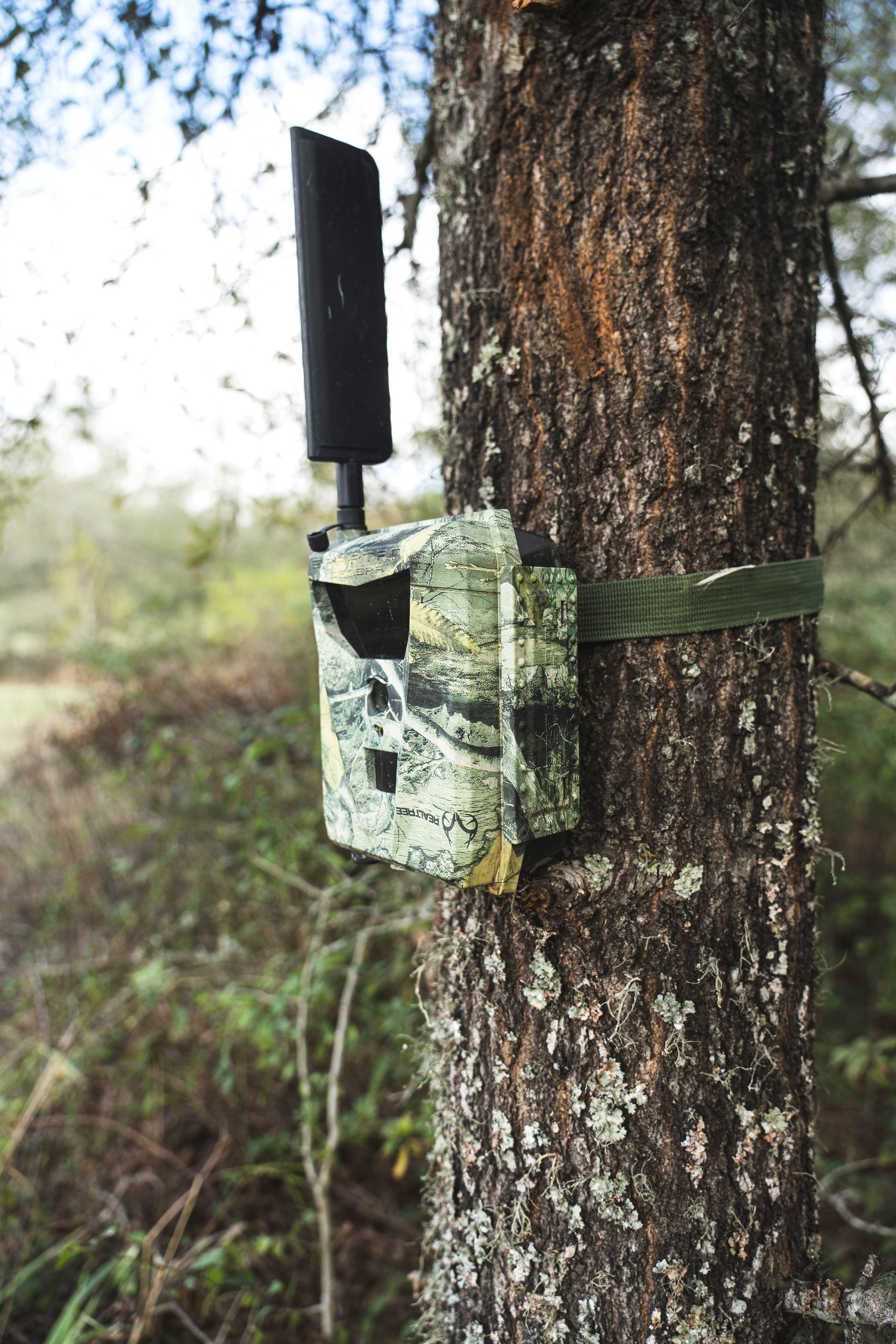
Photos can provide glimpses into a buck’s daily routine, but there’s always more to the story. (Photo by Realtree)
I’m exaggerating, but this isn’t far from the truth. Let’s not write a deer’s life history based on a grainy picture of him eating corn or munching on turnips. Sure, you can glean some information from a picture, but how much of your hunting game plan revolves around this handful of clues?
Here’s a piece of advice I’ve learned from years of frustration in the woods: don’t base all your tactics on a single cell cam pic. Deer are creatures of habit, but they aren’t slaves to their routines. Instead of trying to map out a deer’s daily movements based on a few photos, try to determine what the buck is doing as he passes by. Is he in pursuit of a doe? How quickly was he moving through the area, and how frequently does he visit? What season does he appear most on camera and do his movements indicate a favored direction of travel? Is this camera location in the buck’s home range or is he passing through during the rut? Does the deer avoid the camera days after you’ve been in the woods? There’s a desire in hunters to determine a deer’s daily schedule, but the reality of deer behavior is far more complex.
YOUR BUCK DOESN’T FOLLOW THE RULES
“We tend to think of whitetail movements in terms of averages,” says Dr. Webb. “But the buck you’re targeting may deviate from the norm. Not all bucks do the same thing.” For example, Dr. Webb says that research says whitetail deer are crepuscular, meaning they move most often around dawn and dusk. However, your buck may move most at night.
Buck home range sizes vary significantly, too, says Dr. Webb. The deer you’re targeting may have an exceptionally small home range, making it hard to pinpoint the small core area he uses. Then again, he may travel far greater distances than the average mature whitetail buck, and this makes it hard to predict where he will be next. Even a relatively large hunting property — perhaps a couple hundred acres in the eastern United States — is likely smaller than the home range of the deer you’re targeting, so the deer that you saw every day in September may pass through your hunting area only infrequently in November. Averages and norms tell us how most bucks behave, but perhaps the deer you’re seeing is an outlier. Pattern the individual deer you’re after and don’t assume he behaves like every other whitetail in the woods. Step one is to determine his home range based on the evidence you’ve gathered, and the next step is to focus on what areas of that home range he uses during which periods of the year and for what purposes. The more evidence you have based on a particular buck’s movements the less you’ll rely on generalities and estimates.<span> </span>
?fmt=auto&qlt=default&fmt.webp.qlt=65&fmt.png.qlt=73&fmt.jp2.qlt=35&fmt.jpeg.qlt=60)