6 Foods You Didn't Know Deer Eat
Posted 2025-09-04 by
In the whitetail world, it’s not always all about acorns, grains, and legumes
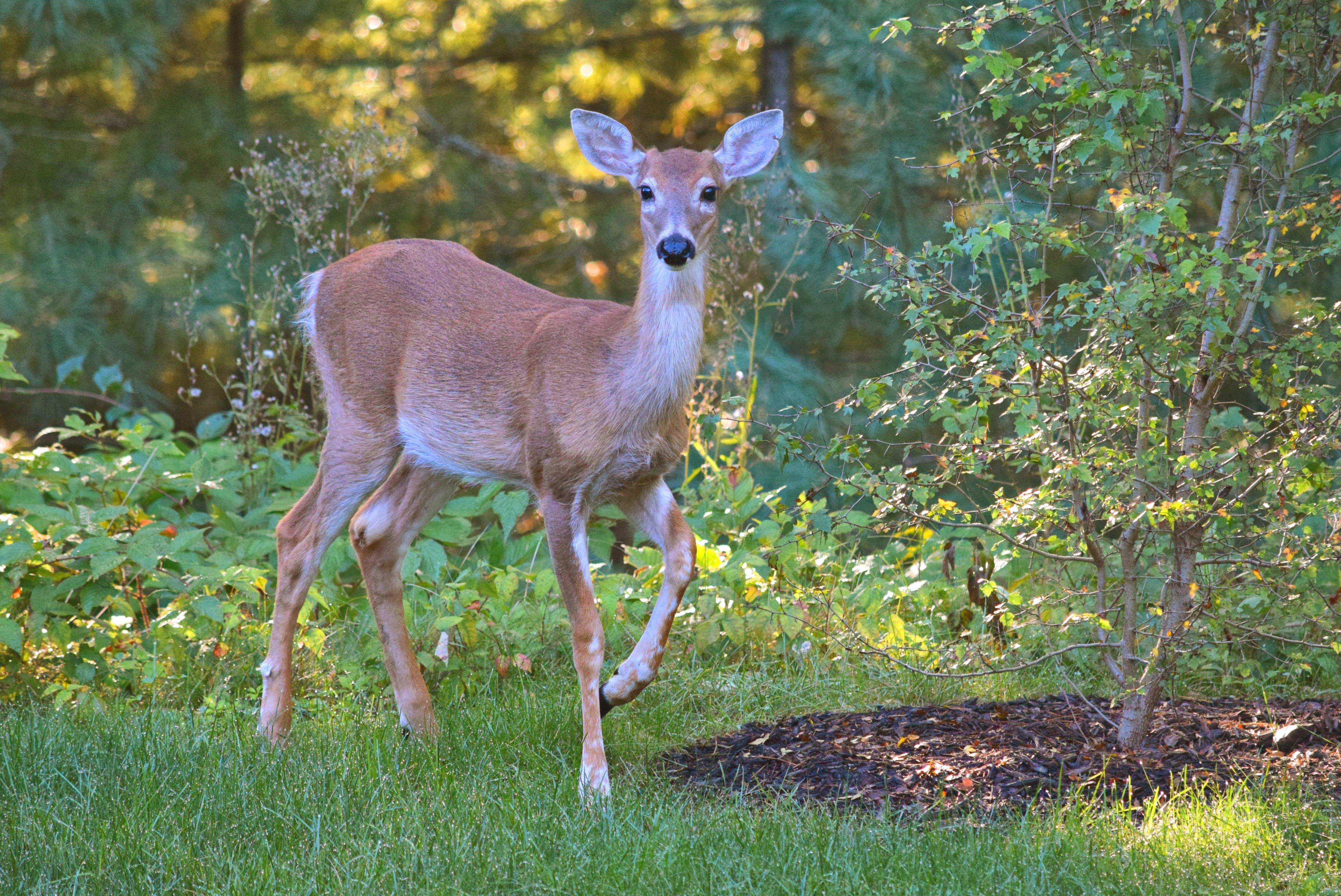
Whitetails enjoy a wide-ranging diet, and some of the foods on their menu might surprise you. Photo by Michael Sean OLeary.
Today, almost all discussions about deer food sources revolve around acorns, food plots, and agricultural fields. But if none of these are on your hunting property or the public land you hunt, pay attention to naturally occurring food sources that might be present, including these.
VETCH
Part of the legume family, vetches can fix nitrogen in your soil and serve as a cover crop that is attractive to wildlife, including deer. It’s a great warm-season planting, and some varieties also occur naturally in the wild. In North Dakota, for example, I’ve encountered lots of vetches on public land, especially along trails, in ditches, and across pastures. Vetch isn’t as attractive as soybeans, but some varieties are palatable to deer and provide good protein before the frost kills them.
DON’T MISS: 5 Things to Consider When Shopping for New Whitetail Binos
GREENBRIER
If you’ve ever negotiated thick brush in the East, Midwest or South, odds are you’ve gotten tangled up in greenbrier. Maybe you even cursed the climbing plants, which can grow up to 40 feet long, according to online sources. But it’s so attractive to whitetails that wildlife biologists consider greenbrier to be one of the most important groups of native deer food, an article on the Whitetails Unlimited website said.
Some hunters who recognize how much deer prefer the leaves, vines, and canes will actually manage greenbrier on their properties. Different varieties of this species occur across the eastern United States, and many can be found on public land. Hunting tip: If all of the pressure on public land is around obvious food sources, go against the grain and look for greenbrier, especially near bedding areas.
NETTLE
When you find yourself amidst a patch of nettles wearing nothing but shorts and a short-sleeve T-shirt, it’s impossible to think of anything positive about these itchy plants. But deer gobble them up. I’ve seen it firsthand on my home property in Wisconsin, and it’s a fact that deer eat nettle. Google it and see.
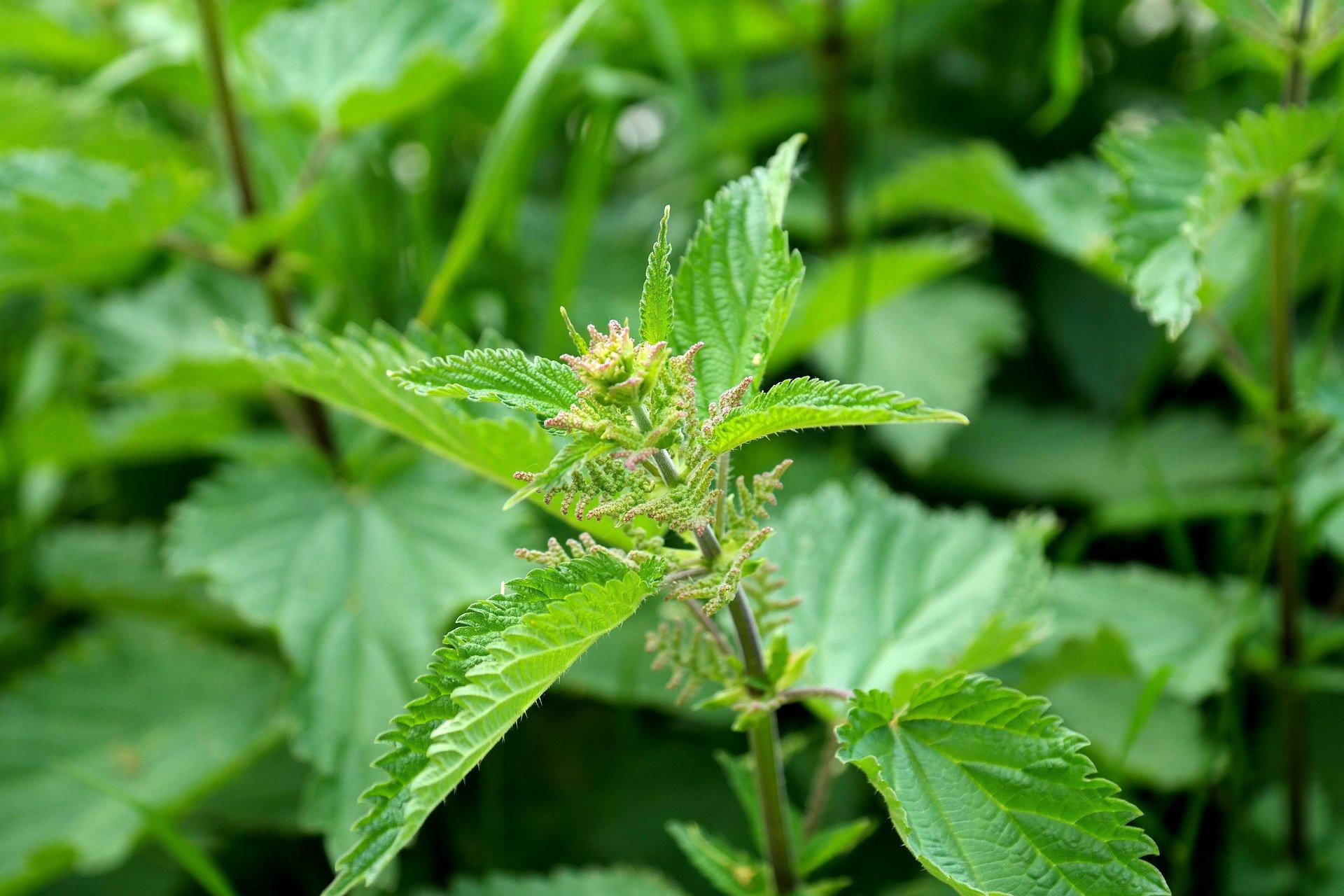
Those annoying plants that sting you? Yep, whitetails eat those, too. Photo by Hans from Pixabay.
MUSHROOMS
My wife and I hunt edible mushrooms each spring and fall, and we’ve often suspected that deer eat mushrooms. We’ve occasionally left mushrooms to grow a little larger, only to return and find them missing or partially missing. After researching it, we confirmed that deer eat mushrooms. It turns out that some folks even plant mushroom plots for deer and other wildlife. Who would have thought?
DON’T MISS: 9 Technologies That Really Improved Compound Bows
HOSTAS
Deer in residential areas can wreak havoc on landscaping. My parents have had that problem in a rural subdivision, with their hosta plants taking a hit. My wife and I witnessed it at our previous home when our hostas exhibited deer damage. And I’ve heard it from a handful of other folks, too. If you wake up one morning and notice your hostas are mowed down, deer are likely the culprits.
CEDAR
Cedars are attractive to deer in winter, especially for the thermal cover they provide. But cedars are also a viable food source during winter, especially in areas with minimal to no agriculture. In big-woods settings where baiting is illegal, cutting down a cedar tree or some boughs (check the regs before sawing or trimming on public land) could make for some great hunting. Experts note that deer tend to prefer the boughs of white cedar over other cedar subspecies.
Check Out Our Latest Camo Pattern: Realtree APX
CONCLUSION
The list of foods that deer consume is long, and the focus is often on obvious things such as hard and soft masts, clover, corn, alfalfa, beans, and brassicas. But don’t overlook the less-discussed foods deer eat, such as those outlined here.