9 Muzzleloader Deer Hunting Tips
Posted 2026-10-06 by
Front-loaders add unpredictability to a hunt. Here’s how to troubleshoot these considerations and score smoke-pole bucks
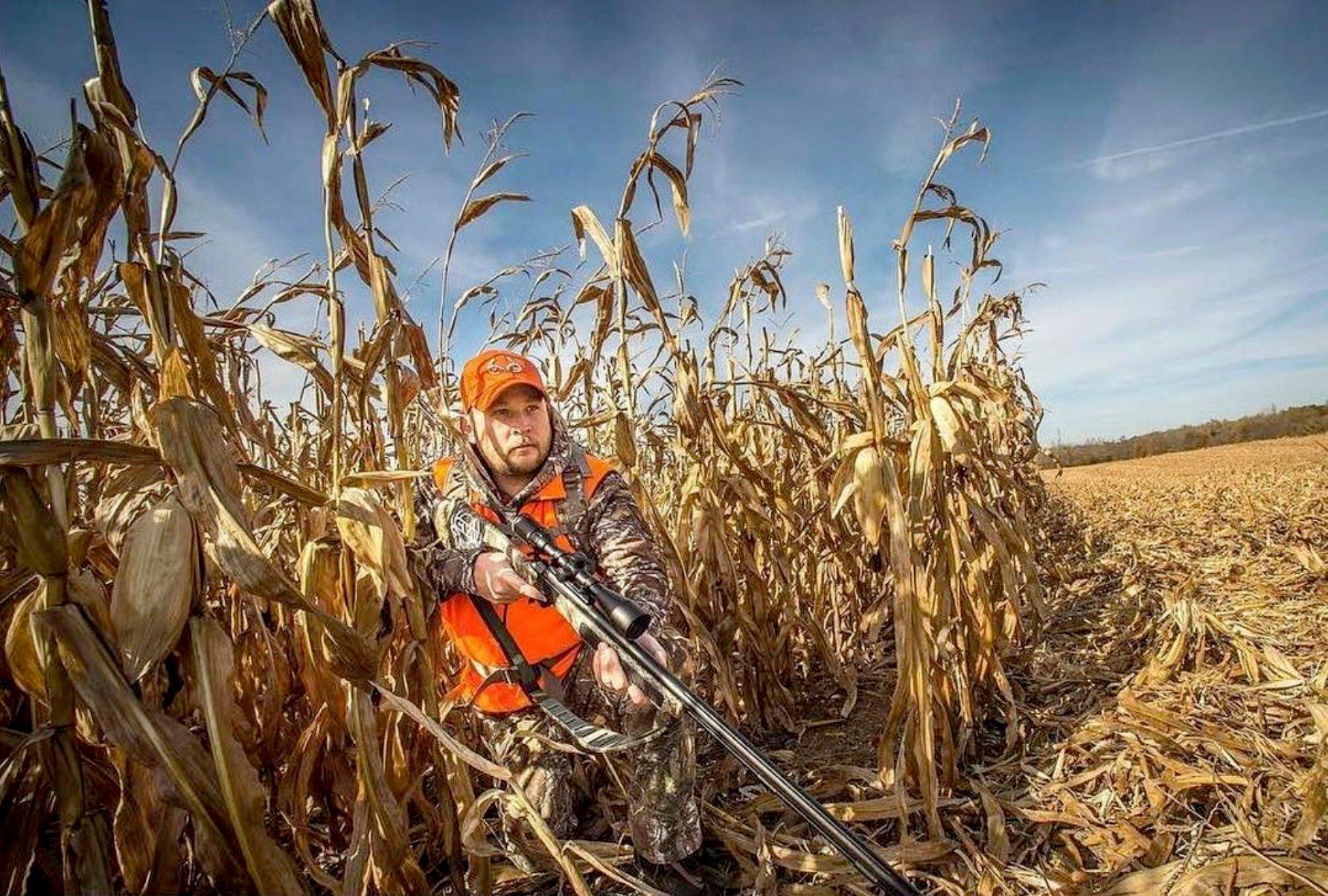
Modern muzzleloaders are very effective, but it’s still wise to set up so shots at whitetails will be 120 yards or closer. Photo by Bill Konway
I started muzzleloader hunting 40 years ago with an iron-sighted Hawken loaded with loose black powder and a patched round ball, and I’ve shot most versions of modern inline muzzleloaders developed since then. Although the technology has increased by leaps and bounds, you are still hunting with a front-loader. Adding powder and pushing a projectile down the barrel adds an element of unpredictability and finickiness to the hunt — something I find intriguing.
I’ve had some frustrating, almost comical mishaps and misfires through the years, and I’ve also had many amazing hunts and one-shot kills. The latter is obviously what you want, and here are nine tips to help you make that happen.
POWDER UP
Because a black-powder rifle’s muzzle velocity is considerably less than a .270 or .30-06, I suggest you load the max powder charge recommended by your .50-caliber gun’s manufacturer. That might be 100, 120, 150 or even 200 grains of powder, like I shoot in my Remington Ultimate Muzzleloader. (Read your firearm’s manual, and never exceed the max charge.) I’ve found that most rifles at max charge shoot fine enough, and with manageable recoil, to kill a deer cleanly at reasonable ranges. But with some guns, you might have to dial back the load by 30 or 50 grains to achieve the best accuracy. Although 50-grain pellets of Pyrodex or Triple Seven are good choices for most rifles, other powder brands are worth experimenting with.
SEAT THE BULLET
For deer hunting, choose a 250- to 300-grain bullet, either a saboted bullet or a bore-sized projectile. Insert your bullet at the muzzle, and push it inches down the bore with a short starter. Use the ramrod to seat the bullet firmly on top of the powder, but don’t tamp it or beat it. You just want a good, tight seating.
Don’t Miss: “Basement Buck” Ousts Jordan Buck from No. 2 B&C Typical Spot
MARK THE RAMROD
With the rifle loaded, leave the ramrod in the barrel and mark it clearly at the muzzle with a Sharpie. Check the loaded reference mark each time you load to make sure you seat the proper amount of powder and a bullet. Consulting your Sharpie mark makes sure you’ll never double load (which is dangerous).
READY, SET, FIRE
If you’re using an old muzzleloader that ignites with one of those tiny, easy-to-drop but unreliable No. 11 percussion caps, it’s time to buy a new or gently used .50-caliber inline that fires with a 209 primer. (A few states ban 209 primers in “traditional-only” muzzleloader seasons, so check the regs.) If your rifle is clean and you load it right, a hot 209 primer almost eliminates a hang-fire or misfire. Safety note: Never prime a loaded rifle with a 209 or any cap until you are in the timber, in a stand or in a blind and ready to hunt.
WHAT’S YOUR RANGE?
In a skilled marksman’s hands, a scoped .50-caliber inline with 100 to 150 grains of powder pushing a premium 250-grain saboted bullet is ballistically capable of dropping a whitetail out to 250 yards. But to me, even the most advanced muzzleloader is a relatively short-range arm. I try to hang stands or still-hunt where shots at bucks will be 120 yards or closer. That’s my comfort zone.
Don’t Miss: Is EHD Killing Deer Where You Hunt?
SMOKE GETS IN YOUR EYES
When you shoot at a deer with a muzzleloader, a plume of white, acrid smoke instantly renders you blind. Weird, I know, but I love that. Even though you can’t see a thing, keep your head down and your eye in the scope, and follow through with the shot. As the smoke drifts away, move your head from side to side. Look for a white belly on the ground or a tail flagging away. Listen for a buck to crash down. Always reload, even if you see the buck lying motionless, and be ready for a follow-up shot.
YOU PROBABLY DIDN’T MISS
After shooting a deer with a relatively low-velocity muzzleloader, sometimes you’ll find only cut hair and little blood — or no blood — at the point of impact. But never think you grazed or missed the deer. Track a buck in the direction he fled. Seventy to 100 yards out on that line, you’re apt to pick up an ample blood trail that leads to your buck a short distance ahead.
UNLOAD OR NOT?
After an uneventful day in the woods, I feel confident leaving a rifle loaded with powder and a bullet (but no primer) for two or three days. Any longer than that, and I’ll unload the rifle by shooting it into a target or into the ground (always aiming and firing in safe directions, of course), and then clean the bore and reload with a fresh powder charge.
Don’t Miss: It’s Opening Weekend and Your Buck Has Vanished. What’s Next?
KEEP IT CLEAN — BUT NOT TOO CLEAN
For a quick clean between shots at the range or in camp, run three or four patches soaked with a solvent such as Hoppe’s No. 9 through a rifle’s barrel. Then, push five or six dry patches down and back in the bore until all traces of burnt powder are gone. (Keep a worm attachment handy to remove a stuck patch when necessary.) A simple 10-minute clean is all you need during the season. I’ve seen guys remove a breech plug or take a rifle apart and use a bunch of solvents for a deep clean, and the next day, trace moisture hidden somewhere in the rifle caused a misfire on a buck. Save a deep clean for your rifle until you’ve tagged out and the season is finished.