It’s Opening Weekend and Your Buck Has Vanished. What Next?
Posted 2026-09-19 by
Late September, right when many bow seasons open, can be one of the trickiest times of year to hunt. If you lose the buck you had on camera, here’s where you should look for him next
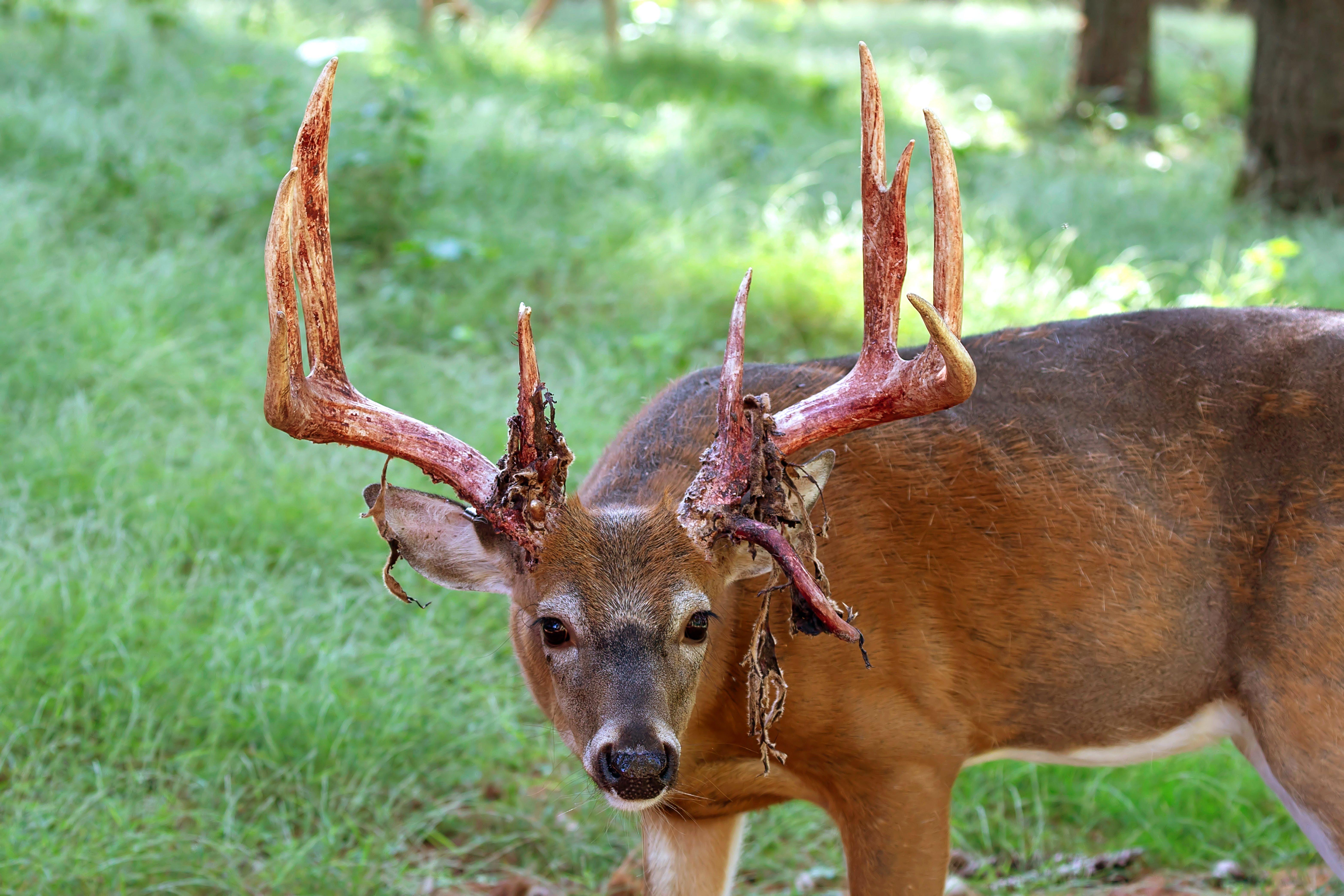
Bucks don’t always disappear after shedding velvet, but their patterns often change. Adjust your scouting efforts accordingly. (Image by Karel Bock)
For most of August, I can count on my trail cameras to tell a consistent story. The same bachelor groups show up together, often walking the same trails and feeding in the same soybean fields night after night. After watching that happen for a few weeks, it’s easy to start believing you have a buck figured out before the season even opens.
But then the calendar flips to the middle of September, velvet starts coming off, soybean fields begin turning yellow, and suddenly those cameras do not look nearly as impressive. A camera that was getting hundreds of pictures a week might barely get a handful. One buck disappears from the bachelor group, then another. A field that deer were pouring into every evening seems almost empty. And if your season opener happens to fall right in the middle of all that — as many states do — it can feel like all the work you put in during July and August just went out the window.
Rest assured, it didn’t. The deer are still there. What changed is what they need and how they are using the ground. That stretch between when velvet is shed and the beginning of the pre-rut is one of the biggest transitions of the entire deer season. Food changes, cover changes, and buck relationships change. If I keep hunting and running cameras exactly where I did in August, I am usually looking at yesterday's deer movement.
SEPTEMBER CHANGES EVERYTHING
Summer whitetails can make a guy feel smarter than he really is. During July and August, bucks are often traveling together and using relatively predictable food-to-bed patterns. Put a camera on the right field edge or trail leading into a soybean field, and it can look like you have the whole neighborhood figured out. I have learned not to get too attached to that summer pattern.
Once bucks begin shedding velvet, those loose summer groups start changing. Some bucks stay relatively close. Others seem to drift into places where I barely saw them all summer. A buck that spent July feeding in front of one camera every evening might suddenly start showing up half a mile away.
Don’t Miss: Should You Ditch the Peep Sight On Your Bow?
At the same time, the landscape is changing underneath them. Beans begin yellowing, corn starts drying down, and acorns hit the ground. Vegetation that once offered plenty of summer cover starts thinning out. Even a small change in food or security can cause deer to shift where they spend their time. One of the worst things you can do as a hunter during late September is stare at an empty trail-camera gallery and assume the deer are gone. Instead, start asking where they went.
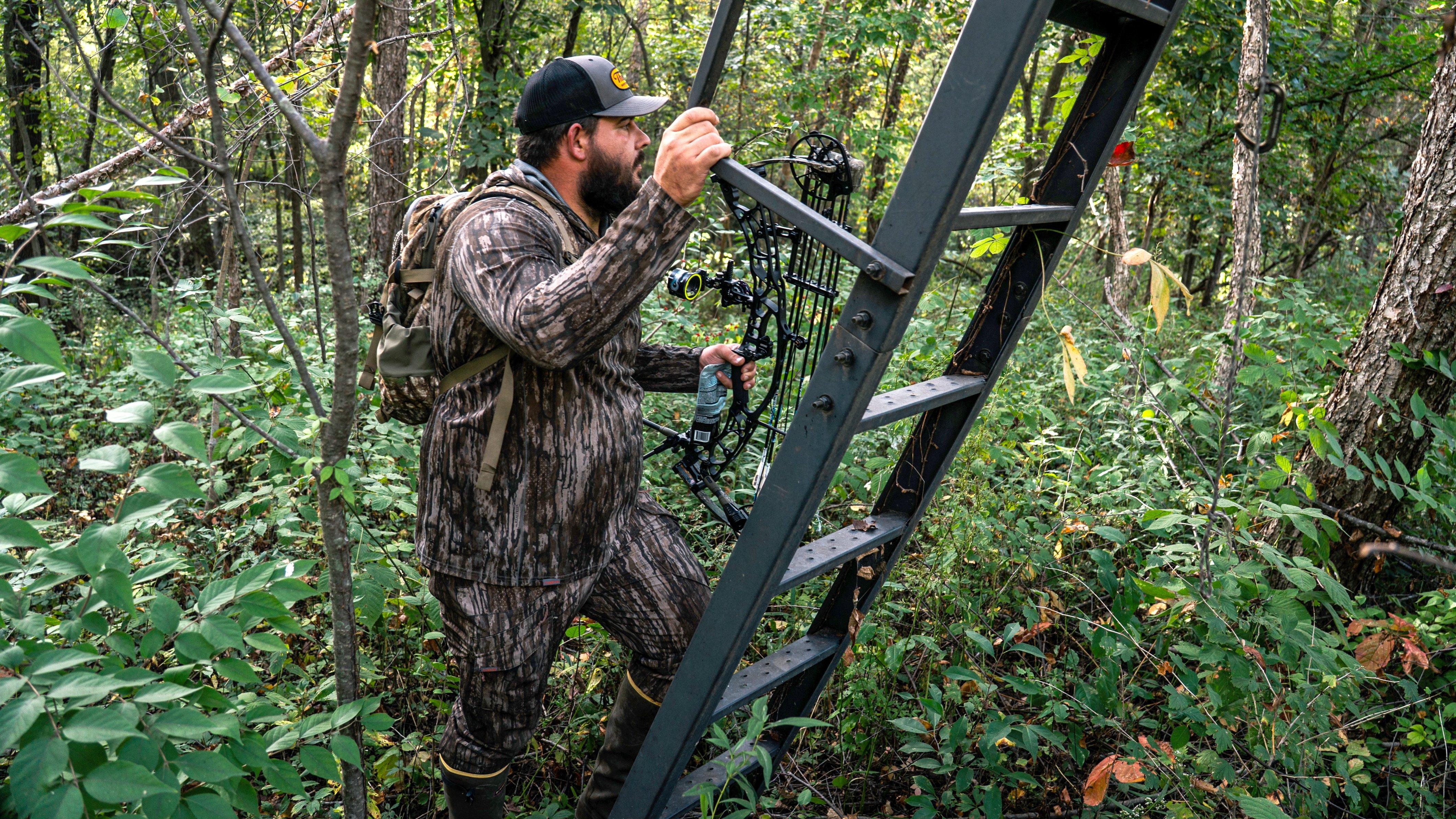
When bucks disappear from open crop fields, try backing your cameras and hunting efforts off into nearby travel routes to pick them up once again. (Image by Realtree)
FIND THE GREEN BEANS
Here in farm country, September can turn the landscape brown and yellow in a hurry. A soybean field that was lush and green during August can lose much of its attraction once it begins to mature. Deer may still cross it and feed in it some, but it is not always the destination it was a few weeks earlier.
That is when a late-planted soybean field can become awfully interesting. Maybe the farmer had to replant after heavy spring rain. Maybe it is a different maturity group. Maybe one field simply stayed greener longer because of when it was planted or the rainfall it received. Whatever the reason, when nearly every soybean field around is turning yellow but one is still green, I want to know about it.
I have seen such fields concentrate deer in September in a way that is hard to ignore. What was once one good feeding option among dozens suddenly becomes one of the few remaining patches of green groceries around. You can find them by driving backroads in the evening, glassing from a distance or studying the farms you already have permission to hunt. I am not just looking for the biggest soybean field, either. A little overlooked field tucked against timber can sometimes be better because deer do not have to expose themselves very far to reach it.
Once I find one, I start looking beyond the field itself. Where is the thickest cover nearby? Where is the easiest route from bedding cover to the beans? Is there a ditch, fencerow, creek crossing or inside corner that funnels deer movement? That is usually where I want my camera.
The field tells me where the food is. The surrounding cover tells me where to hunt it.
YOUR CAMERA PROBABLY ISN’T BROKEN
When a productive summer camera suddenly stops producing, my first reaction used to be to leave it there and hope the bucks came back. Sometimes they did. Usually, I was wasting valuable time.
If a camera has gone cold at the same time the habitat around it has changed, I would rather move it and start gathering fresh information. September is too important to spend two weeks waiting for an August pattern to return. I start by pulling cameras away from obvious summer feeding areas and tightening them toward travel routes. Instead of hanging directly over the field where I watched bucks all summer, I might move back toward an inside corner, creek crossing, pinch point or trail coming out of thicker bedding cover.
Don’t Miss: 3 Changes in September Buck Behavior
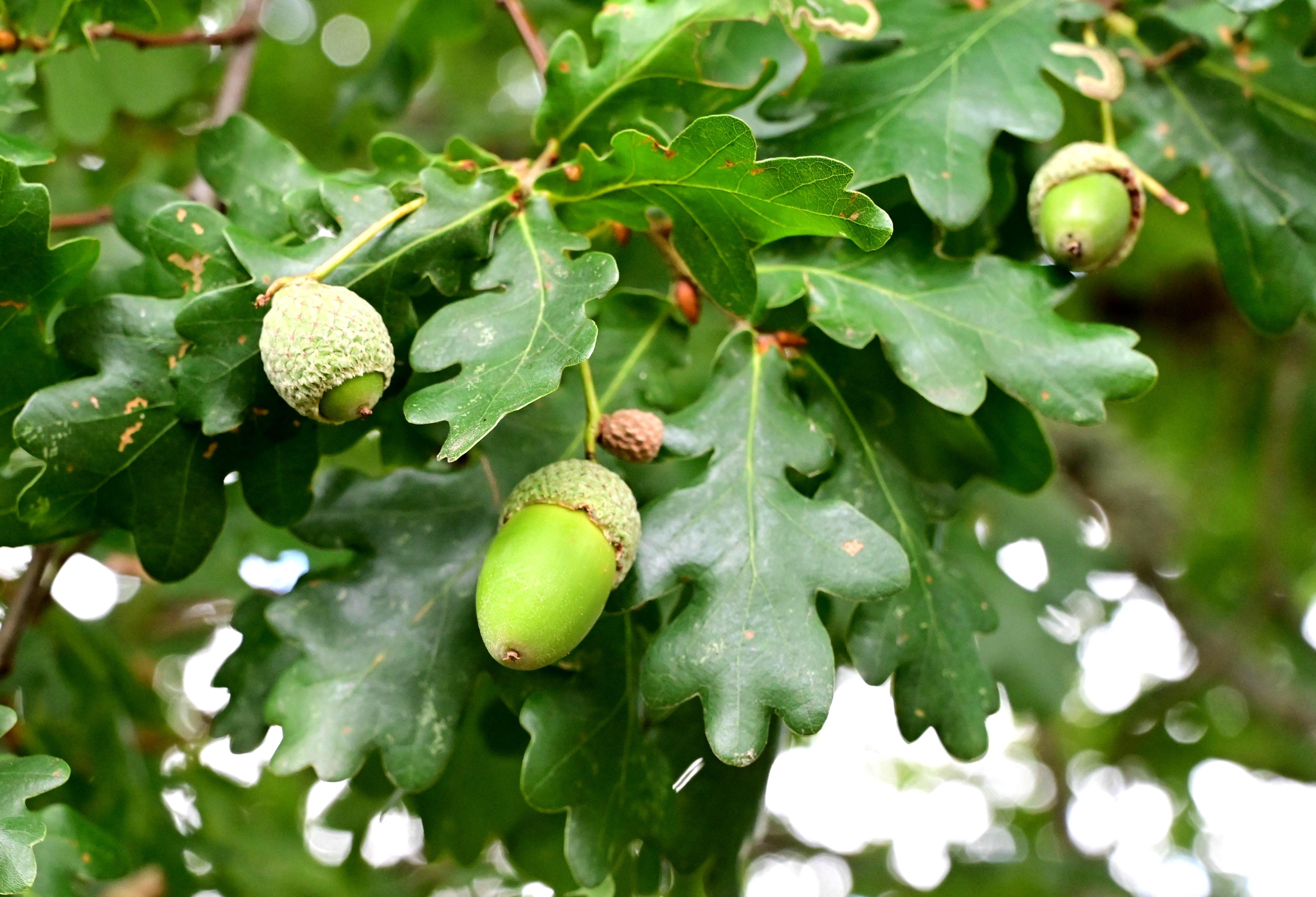
Once acorns start falling, deer have less reason to enter fields before dark. Look for a loaded tree with deer sign beneath it and move a camera there. (Image by Pedrogarcia)
This is also when I begin paying more attention to scrapes. I am not talking about hunting the rut in September. We are not there yet. But once bucks shed velvet, I start seeing more interest around traditional scrape areas and licking branches. Some of those locations may not be torn up yet, but they can become great inventory sites as bucks begin shifting into their fall ranges.
BACHELOR GROUPS DON’T LAST FOREVER
Another mistake I have made is treating a bachelor group like one animal. If six bucks are feeding together all summer, it is easy to believe that finding one means finding all six. September starts breaking that assumption apart.
As velvet comes off, those groups gradually become less dependable. Bucks that tolerated each other throughout summer start becoming more independent. Their personalities begin showing up a little more. One may continue using the same food source while another starts spending more time closer to the cover he will use later in fall. This can make trail-camera data confusing.
Maybe the buck you wanted disappears but two smaller bucks keep showing up. That does not necessarily mean somebody killed him or he packed his bags for another county. He may have simply shifted. This is when I widen my search instead of panicking.
I will move cameras toward known fall travel routes, old scrape locations, and transitions between bedding and food. If I have several cameras available, I would rather spread them around and relocate a buck than keep five cameras watching the same field he abandoned. A mature buck does not have to move very far to make your entire trail-camera strategy look wrong. Sometimes a shift of a few hundred yards is enough.
DON’T FORGET THE OAKS
Soybeans are one of the easiest September changes to see, but they are not the only one. A loaded oak can wreck a perfectly good agricultural pattern overnight. If deer have been walking into an open field every evening and acorns start falling back inside the timber, there is suddenly less reason for them to step into the open before dark. This is another situation where people sometimes assume their deer vanished.
I start checking oaks before season and continue checking them as September progresses. I am especially interested in trees close to bedding cover or along the route deer were already traveling. Fresh droppings, tracks, disturbed leaves and acorn caps can tell the story pretty quickly. When I find the right tree, I move a camera there immediately. More than once, I have had field-edge cameras go cold, and I found the reason as soon as I walked 150 yards into the timber and found the ground underneath an oak churned up with sign. The deer had not gone anywhere. They just quit walking all the way to my camera.
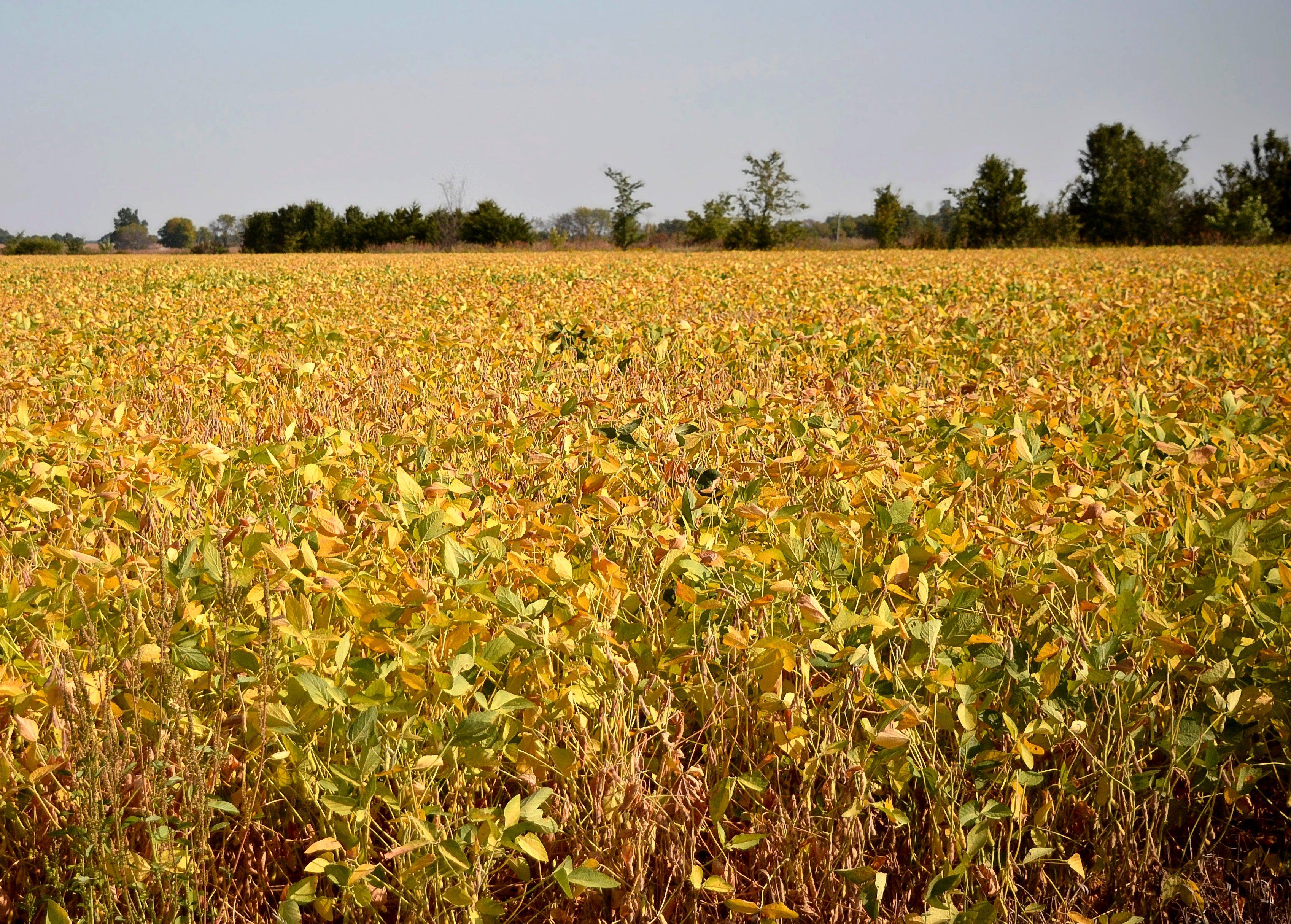
When every soybean field around is turning yellow and drying up, a late-planted field that’s still green can be magical. (Image by ECB Photos)
HUNT WHAT’S HAPPENING NOW
The hardest part of opening week is forgetting what I thought I knew. I might have hundreds of summer pictures of a buck. I might know exactly where he was standing every evening in August. But if he has not been there for 10 days, those pictures are history. I want to hunt the deer that exists today.
That means fresh tracks matter more than old trail-camera pictures. Fresh droppings matter. Freshly opened scrapes matter. A green soybean field surrounded by yellow ones matters. Acorns hitting the ground matter. And sometimes the best move is not hunting at all.
September deer can still be fairly predictable once you relocate them, but they can also be easy to educate. If I find a buck using a green soybean field but the wind is wrong or I cannot get into the stand without crossing his approach, I would rather wait. Opening day has a way of making us feel like we have to hunt, but we don’t. A couple extra days of scouting from a distance or moving cameras can be worth more than forcing a hunt based on information that expired three weeks ago.
SEPTEMBER ISN’T DEAD, BUT IT IS DIFFERENT
I have come to enjoy this part of the season because it forces me to start over. There is always a little frustration when those summer cameras go quiet. After watching the same bucks for months, you feel like you know them. Then September arrives and reminds you that knowing where a buck lived in August and knowing how to kill him in fall are two different things. So, when opening day rolls around and your best camera looks dead, do not immediately assume the worst.
Look at what changed.
Check the soybean fields and find the green one in a sea of yellow. Walk the oaks and see whether acorns are dropping. Move cameras away from summer destinations and toward fall travel routes, thicker cover, and traditional scrape locations. Pay attention to where bucks are showing up now instead of where they spent the summer. Most importantly, do not become married to your summer intel.
Those July and August pictures gave you a starting point. They introduced you to the bucks in the neighborhood and taught you something about how they use the property. But September is when the scouting starts getting serious. The deer did not read your summer game plan. They are busy adjusting to new food, new cover and a new time of year. If your trail cameras suddenly go dead, maybe it is time you did the same thing they did.
Move.