What Makes a Deer’s Sense of Smell So Powerful?
Posted 2025-08-21 by
Stumped by how a deer that was barely downwind smelled and busted you? Here’s a basic science lesson on a whitetail’s nose
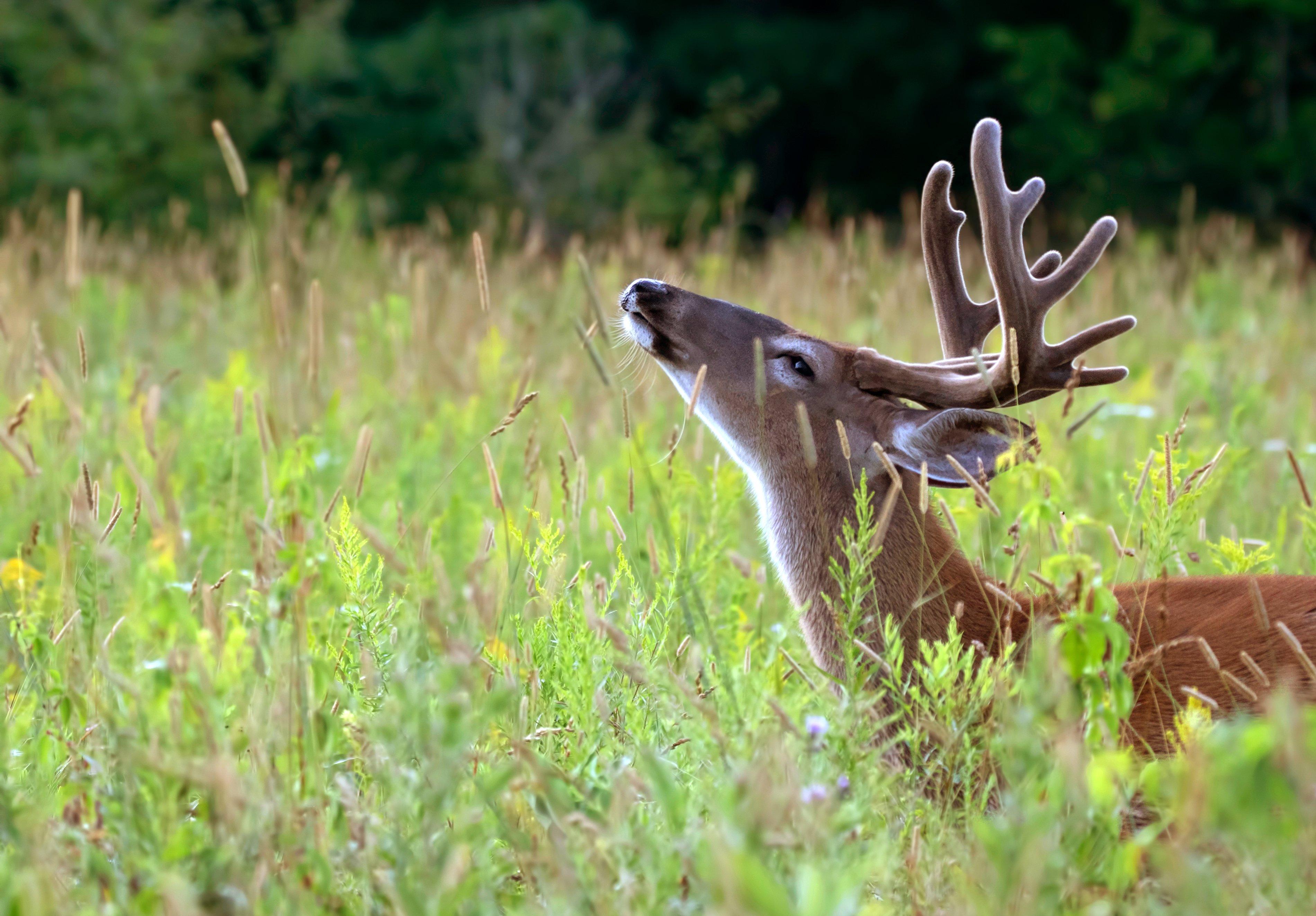
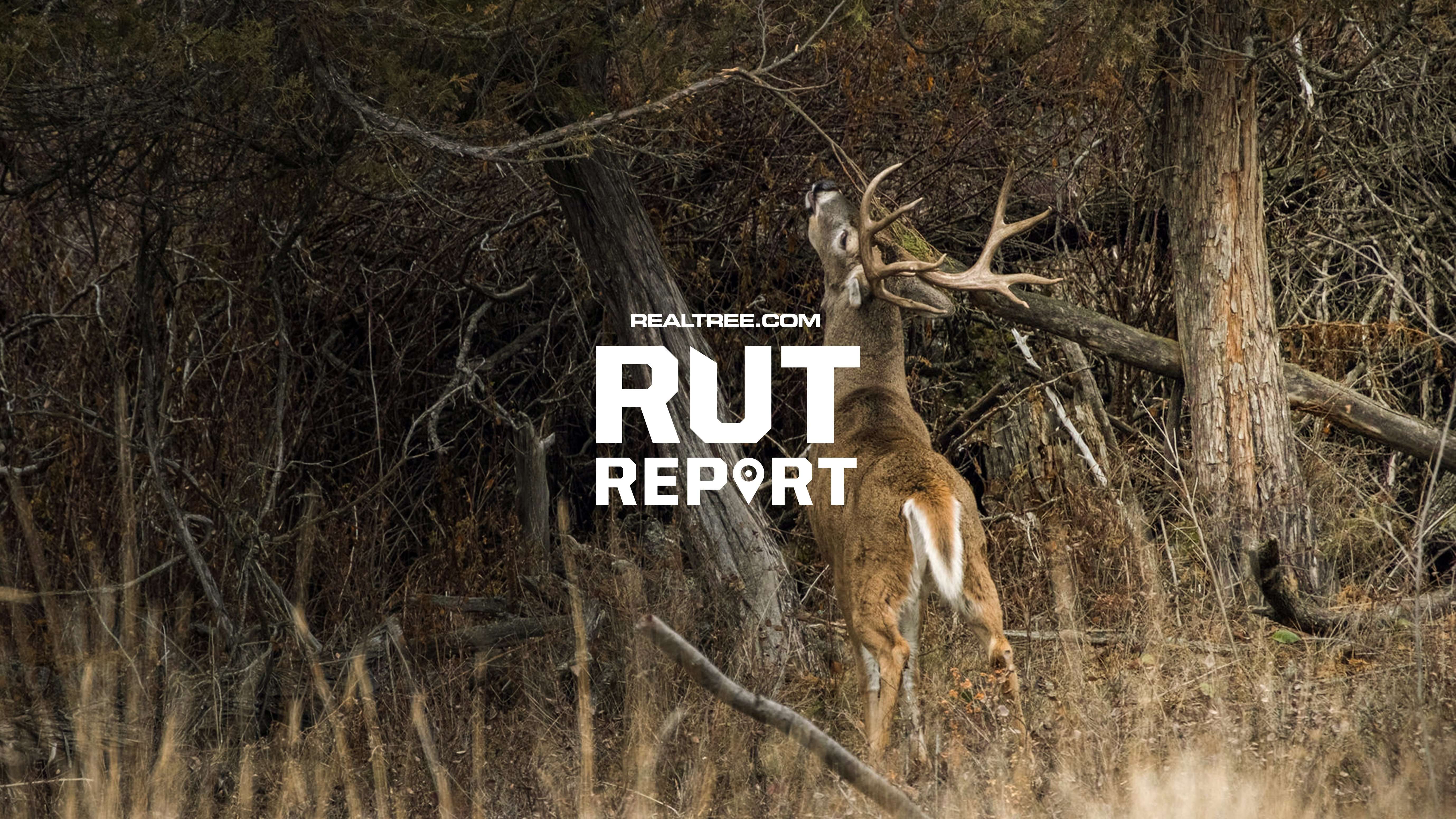
Deer have millions of olfactory receptors, so it’s no wonder they can detect trace amounts of odors. Image by Jim Cumming.
A deer’s sense of smell can instantly hinder your success. Case in point: One of the largest bucks I’ve ever encountered was seconds away from offering me a 30-yard broadside shot when the doe he was trailing hit my downwind airstream. She snorted, bounded away and towed that giant buck with her. Perhaps you can relate and have a similar story — or several. If not, hunt deer long enough and you will.
We constantly talk about the wind and the importance of scent control, but the scientific aspects behind a deer’s sense of smell aren’t discussed as often. So, if you’ve ever wondered what makes a whitetail’s sense of smell so powerful, here are some interesting facts that might help you understand this mystery.
THE OLFACTORY SYSTEM
The olfactory system is responsible for the sense of smell. That goes for humans and animals. Humans can smell fast food, fuel, candles, and many other scents and odors, but only when we’re within a reasonable proximity of that scent or odor. However, deer can smell things we could never detect from hundreds of yards away. That’s why scent control and hunting the wind are so vital to success. But that doesn’t quite answer what sets a deer’s nose apart from ours, so let’s dive in a little deeper.
DON’T MISS: 6 Facts You Should Know About EHD
According to the National Deer Association, a white-tailed deer has 297 million olfactory receptors. A human has 5 million, meaning a whitetail is 60 times more likely to detect foreign odors than we are. Let that sink in. It’s a given that dogs have better senses of smell than humans, but even dogs don’t stack up to deer in the smelling category, as they have about 220 million olfactory receptors.
FINDING FOOD
Why did God create whitetails with such a powerful sense of smell? One reason is to find food. If deer can smell trace amounts of human odors, you can bet they smell food. That’s why deer flock beneath oak trees the moment acorns begin falling to the forest floor or hit a bait pile as quickly as an hour after it’s placed. A deer’s daily life revolves around food, and an acute sense of smell leads them to the groceries, even when it’s below zero and there are 2 feet of snow on the ground.
COMMUNICATING WITH OTHER DEER
Some hunters don’t realize how much deer use their sense of smell to communicate with other deer. Most of us understand that deer grunt, bleat and snort-wheeze, which is one way they communicate. However, it’s scientifically proven that deer communicate in inaudible ways, too.
DON’T MISS: The 2025 Southeast Deer Season Forecast
We’re taught that doe estrus or buck urine can help attract deer into our shooting lanes, but scents allow deer to communicate with one another. Gross as it sounds, deer can determine a lot about another deer by smelling urine, excrement and various glandular secretions.
DETECTING DANGER
As it pertains to hunters, deer rely heavily on their sense of smell to stay alive. Often, I’ve witnessed deer bedding with their backs to the wind. This lets them use their vision to detect danger approaching from downwind while relying on their nose to detect danger approaching from upwind.
Check Out Our Latest Camo Pattern: Realtree APX
Also, we’re not the only predators a whitetail has. They’re pursued by numerous critters depending on the region of the country. In other words, deer have to be on 24/7 or they simply won’t survive. Without such an acute sense of smell, they’d be way more susceptible to danger.