Which Predators Kill White-Tailed Deer?
Posted 2026-01-15 by
Humans aren’t the only ones hunting and eating deer. Here’s a list of our competitors
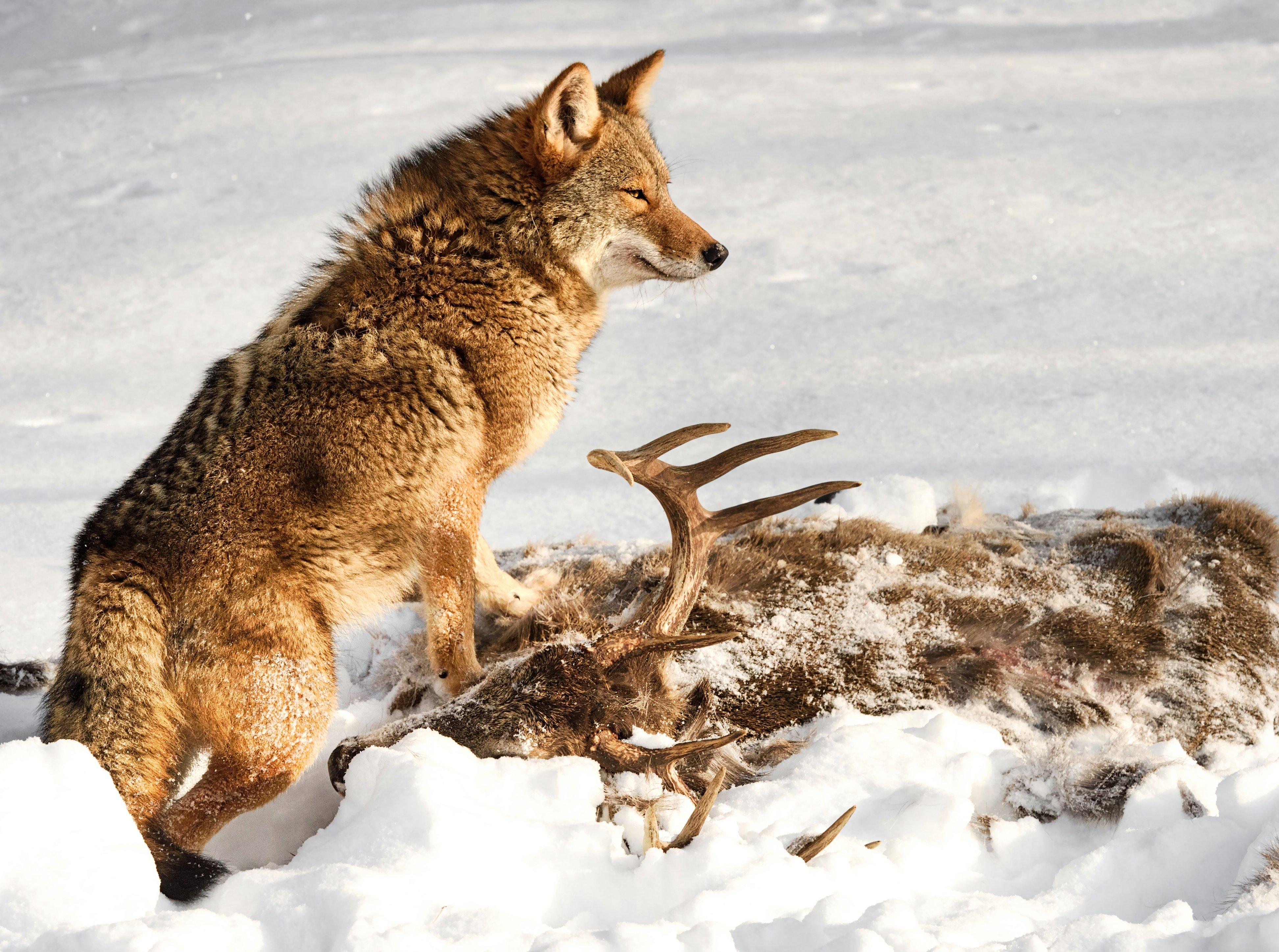
Coyotes are responsible for considerable deer mortality, and they are not managed aggressively enough by hunters and trappers in most regions of North America. Image by Holly Kuchera.
Hunters don’t see a lot of what happens in the whitetail woods. Predation is a natural and recurring event that plays out daily across the whitetail’s range. But humans rarely observe those predator-versus-prey interactions.
If you’ve been in the right place at the right time, perhaps you’ve seen a coyote run after a deer, or maybe your trail camera has captured a bobcat slinking by with a fawn leg in its mouth. Seeing stuff like that is pretty rare, but again, it happens constantly across the whitetail’s range.
Have you wondered which predators target white-tailed deer? If so, follow along.
COYOTES
The coyote is the whitetail’s most obvious predator. Coyotes aren’t managed to the extent that they should be in most regions. For example, coyote packs dominate the Great Plains. I hear and see them constantly at all times of day during my hunts in that region. I also hear and see them frequently around home in Wisconsin. And I’ve seen them make plays on deer a handful of times.
DON’T MISS: Should You Try a 28-Gauge Duck Gun?
Not only do they kill lots of fawns, but coyote packs can take down healthy, mature animals in some cases. This is especially true during winters with extreme snowfall, which inhibits an exhausted whitetail’s escape from an attack.
Coyotes also affect hunters. A buck I bow-killed two seasons ago was dead for less than two hours, but coyotes had already begun chewing on it. And my brother-in-law lost an entire buck to coyotes within several hours because a tricky blood trail prolonged the recovery.
BEARS
Bears don’t commonly chase and kill adult deer, but they can. More so, they do a number on fawns. As bears emerge from their dens, they’re hungry and must eat. Because bears are omnivores, they don’t rely entirely on meat. But they won’t pass up a good opportunity to capsize a fawn and gobble it up.
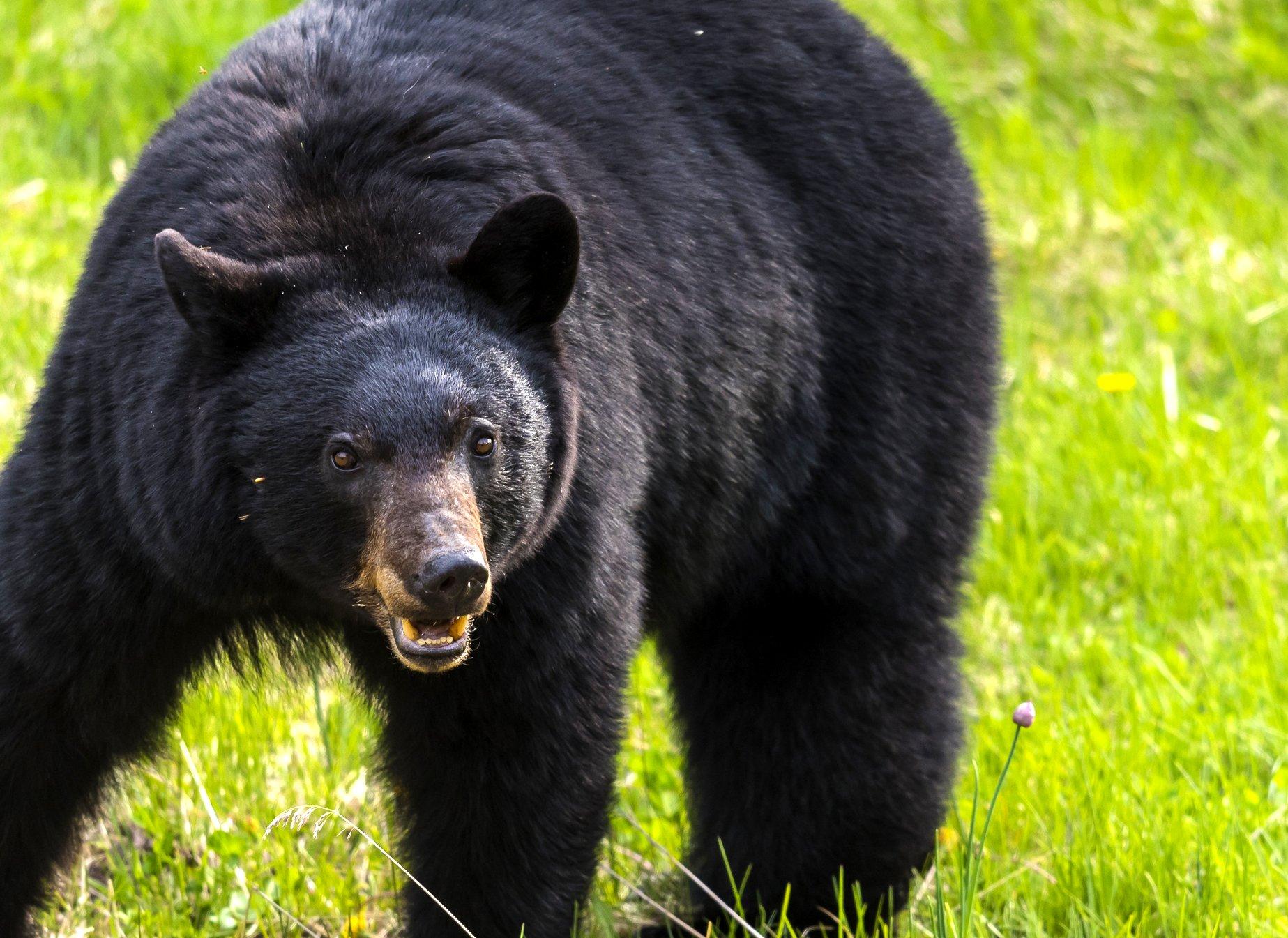
Although bears are omnivores, they don’t pass up meat, especially during the spring fawning season. Image by BGSmith.
Black bears are the primary bear species that prey on whitetails, but the grizzly bear’s range overlaps with the whitetail’s range in some areas of the western United States and Canada. Grizzly bears are often more aggressive and certainly more powerful than black bears, so hungry grizzlies likely account for fawn and adult-deer mortalities.
WOLVES
Across the West and Canada, a big-time predator lurks and hunts whitetails. But these effective deer killers are on the loose in Wisconsin, Minnesota, Michigan and other states in decent to booming numbers, too. And that’s a concern for whitetails. Wisconsin hunters, in particular, are constantly complaining about the timber wolf being on the protected species list. The inability to hunt, kill and manage wolves is taking a toll on the Badger State’s deer numbers.
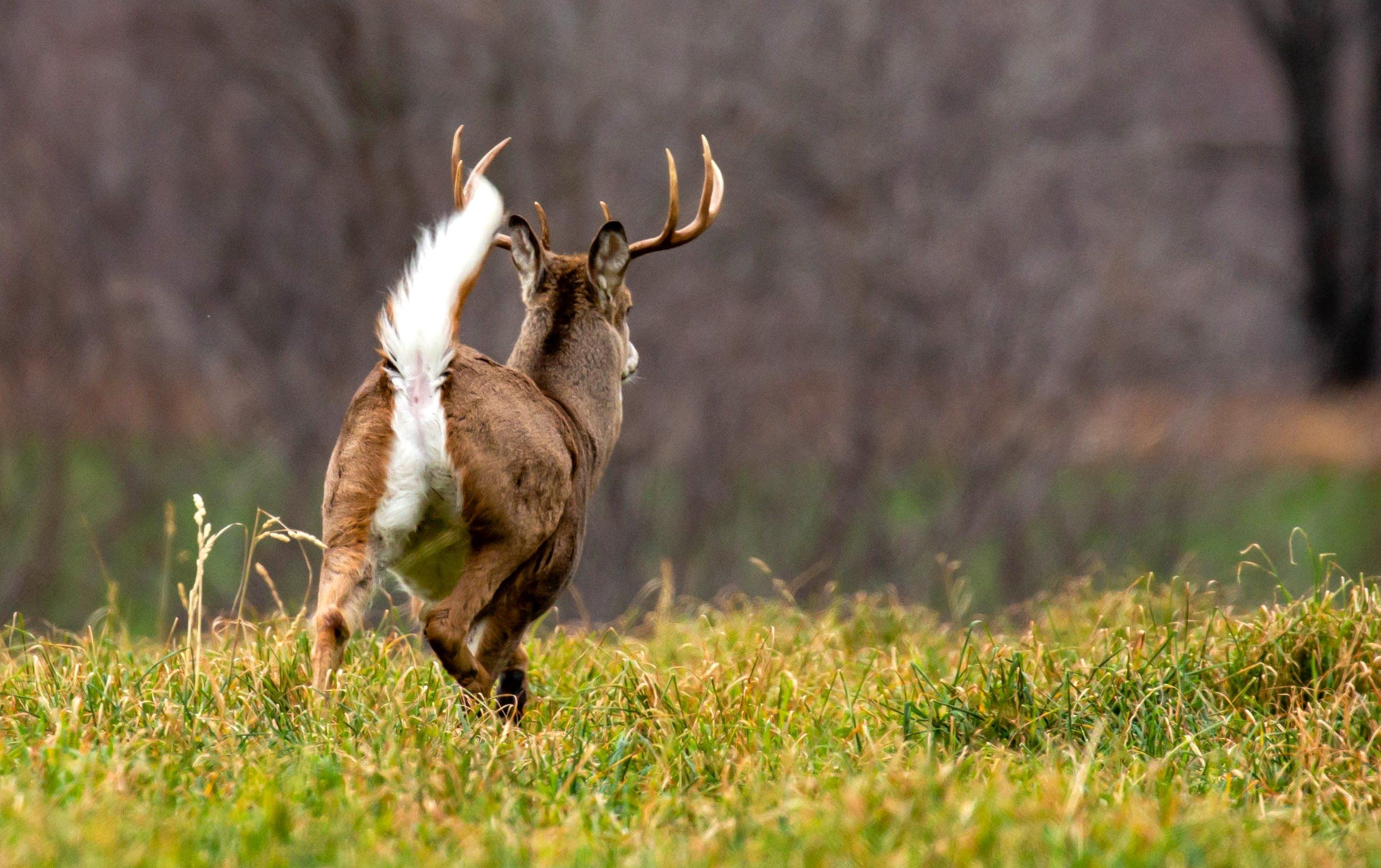
Not only do predators such as wolves threaten deer numbers, but they also make animals more flighty and difficult to hunt. Image by Michael Tatman.
I’ve seen Wisconsin wolves and captured them on trail camera, and I know several hunters who’ve had a lot of trouble with them. In addition to preying on whitetails, they also target livestock. Like any predator, they must be managed, or they’ll wipe out deer herds and become an increasing threat to pets, livestock and even humans. North American Whitetail referenced a study in an article that found one wolf can eat about 27 deer a year, depending on what other animals make up their diet in a specific area.
DON’T MISS: How to Crappie Fish from the Bank
BOBCATS
Most adult bobcats weigh less than 40 pounds, and some are much lighter. In other words, they’re not well-suited for killing adult deer. But fawns are certainly on the menu. Bobcats are much more prevalent in some regions than others, so fawn mortality hinges on that, plus the abundance of other prey in that area.
FOXES
When smaller mammals are scarce, foxes, which rarely top out at 30 pounds, can kill fawns. But they mostly target rodents and aren’t likely to be huge detriments to deer herds.
ALLIGATORS
In the Deep South, where alligators lie in wait along creek and river banks, as well as lake shallows, unsuspecting whitetails can fall victim while drinking. Gators can explode with lightning speed, and they hide so well that a deer won’t likely see the attack coming. It’s unclear how many deer gators eat, but they definitely get some.
MOUNTAIN LIONS
Although most cats inhabit mule deer and elk habitat, there are plenty of cats in prime whitetail country, such as the Black Hills of Wyoming and South Dakota, as well as parts of Idaho, Montana, Colorado and others. And let’s not forget the Midwest, where lion sightings are increasingly common.
And there’s the Florida panther, which is a smaller rendition of the mountain lion, and it certainly preys on Sunshine State whitetails. Sources say mountain lions can kill a deer a week. Do the math, and that’s about 52 annually. Even cats that miss that mark eat a considerable number of deer.
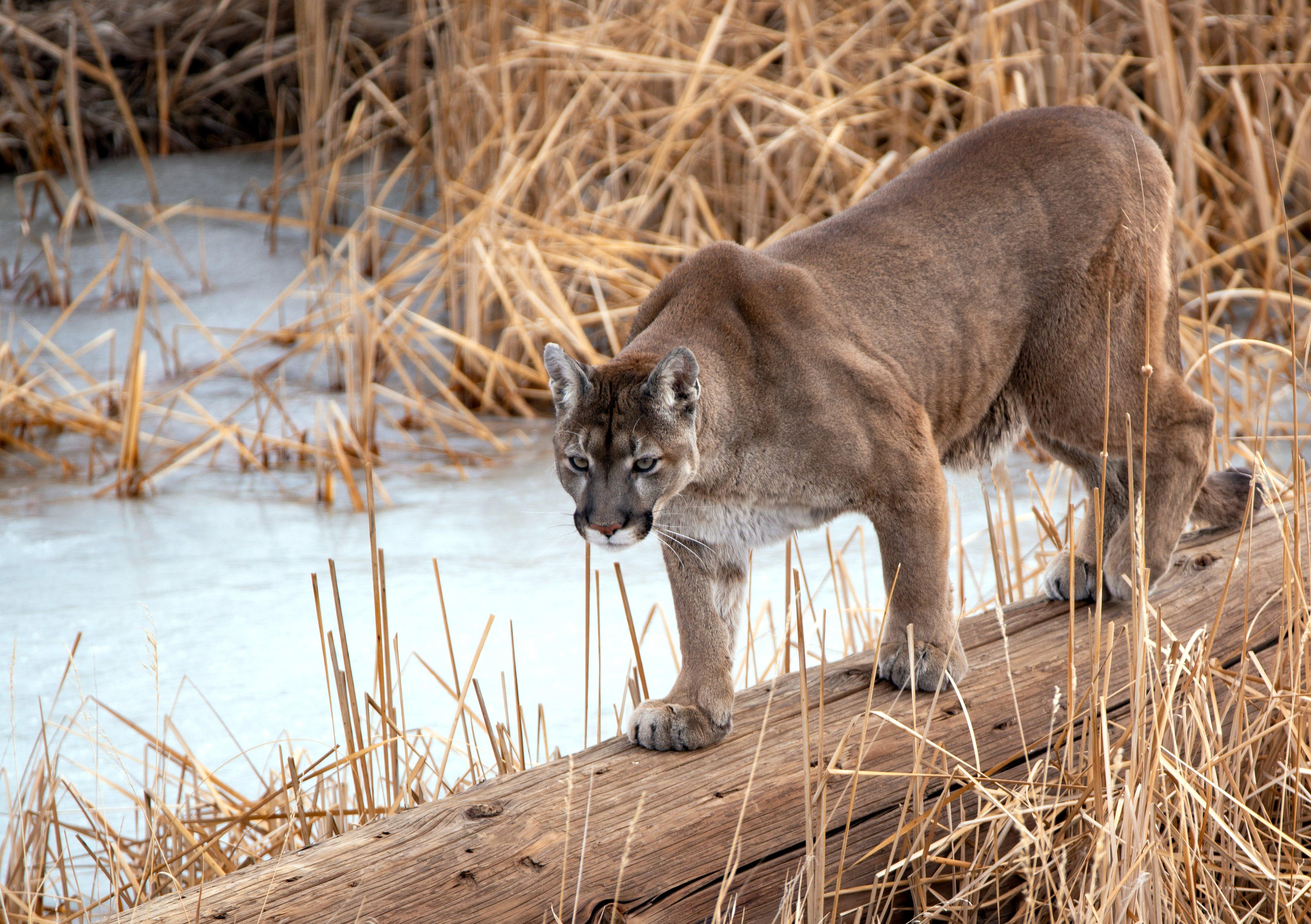
The bulk of mountain lions reside in mule deer and elk country, but their range overlaps with whitetail country in some cases, and mountain lions are capable of consuming 50 or more deer per year. Image by Georgia Evans.
Check Out Our Latest Camo Pattern: Realtree APX
EAGLES
This is probably the least publicized whitetail predator, and I don't believe the birds are a big problem anywhere in the whitetail’s range. However, a hungry eagle can certainly bring down a fawn. Plus, it has the elevated advantage and can stick with a fleeing animal longer than land predators. Maybe eagles don’t eat a ton of fawns, but they’re one more predator to add to the list.
?fmt=auto&qlt=default&fmt.webp.qlt=65&fmt.png.qlt=73&fmt.jp2.qlt=35&fmt.jpeg.qlt=60)