The 2026 Northeast Deer Season Forecast
Posted 2026-08-21 by
The Northeast has plenty to offer whitetail hunters, from suburban bowhunting to tracking in the big North Woods
From West Virginia’s mountains to Maryland’s suburbs to Maine's vast timberlands, deer hunting is alive and well in the Northeast. Savvy hunters use a variety of tactics to fill tags in this region, too. My buddy Neil Pendleton loves the challenge of tracking New England bucks in the snow. Tim Kent, who writes Realtree’s Northeast Region Rut Report, has some ground in New York that he manages and primarily hunts from treestands. John Earhart III has had big success in Maryland by hunting over bait. Some West Virginia hunters I know have great success hunting mountain whitetails on foot.
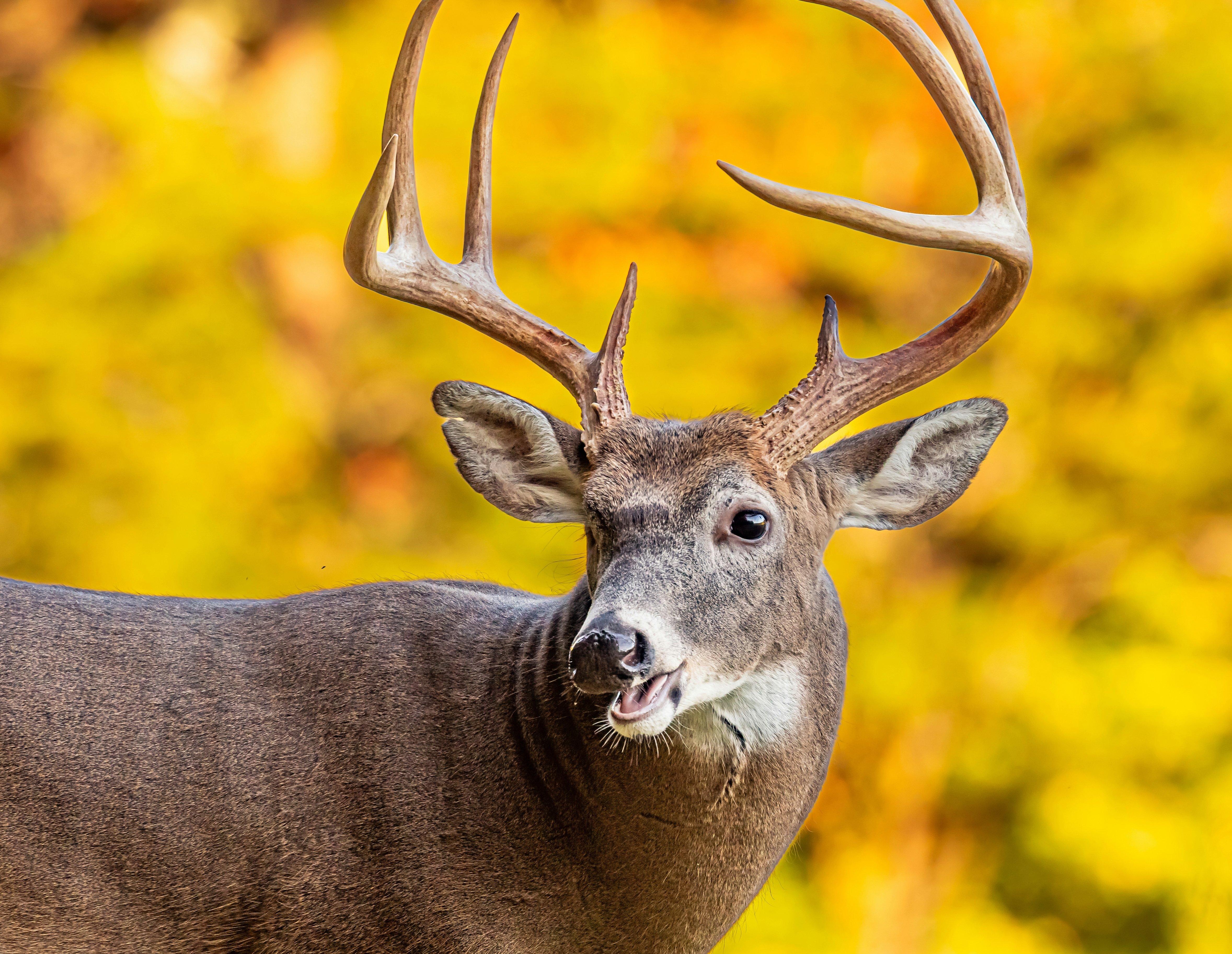
From the deep traditions of the big woods deer camps and tracking a single buck for miles through the snow to suburban hunting from tree stands in neighborhoods, deer hunting in the Northeast offers something for everyone. Image by jo Crebbin
Tactics aren’t the only example of the Northeast’s deer-hunting diversity. Whitetail populations and sizes vary substantially, too. While Maryland’s suburbs and parts of east-central New York teem with whitetails, northern New Hampshire and Maine have comparatively low densities. There are trophy bucks to be found in most of these states, but hunters shouldn’t expect midwestern caliber antlers, either. Still, there’s a lot of hunting opportunity in the Northeast and a vibrant hunting culture. If you’re thinking about giving this region a whirl this fall, here is a state-by-state rundown of what you can expect, courtesy of Realtree’s Antler Nation.
Don’t Miss: NEW MINNESOTA DEER HUNTING REGULATIONS INCLUDE CWD MONITORING
Connecticut
You might want to adjust your definition of “big” if you’re traveling to Connecticut and hoping to connect (pun intended) with a big buck. Only 21 whitetail entries are listed in the Boone and Crockett record book, which means there are very few monsters roaming here. Relative to its size, the state does have a decent whitetail population, with an estimated 116,000 animals. Still, success rates are low compared to other states, with the recent five-year average at only 23.2 percent. Management zones 11 and 12 and the urban settings they provide are great places to see more deer, fill more tags, and even get a crack at a mature buck, according to Andrew LaBonte, wildlife biologist with the Connecticut Department of Energy and Environmental Protection. New for 2026, Sunday hunting is allowed on private lands, but you’ll need written permission if you’re not the landowner.
Delaware
Delaware is a step up the Boone and Crockett ladder from Connecticut, with 33 bucks in the book. You might recall from last year’s forecast that hunters set a record with the 2024 harvest of 18,823 animals. The 2025 harvest was slightly lower at 16,746. Samuel C. Millman, state wildlife biologist, said that the deepest reaches of the First State’s wildlife areas can be quite productive for big buck hunters. Don’t be afraid to tap into urban opportunities, though, and be on the lookout for a velvet buck if you’re hunting the Sept. 1 archery opener. The minimum age for youth hunters has been lifted, and Sunday hunting laws were repealed.
Maine
Maine hunters harvest loads of young bucks, but they’ve also managed to put a considerable number of entries into the B&C book. In fact, Maine beats New York and Pennsylvania in that category. That said, most Maine hunters aren’t concerned with antler scores; if you put down a buck that weighs more than 200 pounds (field dressed), you’ve taken a big Maine buck. Deer numbers are bleak in some areas and good in others. The largest bucks traditionally come from Aroostook, Hancock, Penobscot, Piscataquis, Waldo, and Washington counties. While only 6-7 percent of Maine is public land, unposted lands are legal to hunt. Touching base with the landowner is still best and can provide some insider info on productive areas.
Don’t Miss: HOW TO IDENTIFY A MATURE WHITETAIL BUCK
Maryland
Maryland has about 6.25 million acres of land and an estimated 232,000 whitetails. By comparison, Maine has about 19.74 million acres of land and 325,000 whitetails. In other words, densities are quite good in the Old Line State. According to Brian Eyler, deer project leader with the Maryland DNR, the largest deer come from the Eastern Shore and from urban/suburban counties. Maryland is a two-buck state, and from coastal pine barrens to rugged mountains, hunters are treated to a cool mix of habitats. Licenses are a bargain, and there is always the potential of a monster buck.
Massachusetts
Deer densities in most of the Bay State range from 12-18 deer per square mile, which is pretty good, but then other areas, such as the eastern counties and islands, have as many as 50 deer per square mile. Interestingly, most of the 29 Massachusetts bucks in the Boone and Crockett book were taken within the last three decades, which means the state’s wildlife officials are doing things right or hunters are improving their craft (or maybe both). Regardless, while most counties have contributed to the record book, Worcester, Berkshire, and Essex are the ones to watch.
New Hampshire
New Hampshire deer hunters posted a record harvest of 14,387 deer in 2025. That suggests that herds are flourishing, at least in some parts of the state. The National Deer Association’s Annual Report usually puts the percentage of 3 1/2-year-old-and-older animals in the buck harvest at around 30 percent, which doesn’t hold a candle to states like Alabama, Arkansas, and Oklahoma. Nonetheless, hunters have access to about 750,000 acres of public land, and there is everything from remote hunting in the northern reaches with low deer densities to suburban hunting in the southern end with more deer and some great bucks. Bowhunters get dibs on the deer with a Sept. 15 opener. Muzzleloader season runs during prime pre-rut dates, and the firearms season covers the peak and waning ruts.
New York
Rather than mitigating young buck harvest via antler-point restrictions as was once the case, New York’s Department of Environmental Conservation went with more of a hands-off approach, utilizing a campaign that encourages hunters to pass up young bucks. It seems to be improving trophy potential, given that nearly a third of the Empire State’s Boone and Crockett entries are from the past decade or thereabouts. Also, year-and-a-half-old bucks used to dominate the harvest, but now bucks that are 2 1/2-years old or older do so. As with other surrounding states, parts of New York have an overabundance of deer, while most areas support stable populations. New York has tons of public access and diverse habitats. Be sure to check out Deer Take Summaries, which provide pertinent info for planning your hunt.
Don’t Miss: THE 5 BEST BULLET STYLES FOR DEER HUNTING
Pennsylvania
Hunters flood the Keystone State deer woods every fall, and the pressure can be intense, depending on location and timing. But Pennsylvania hunters are quite successful, with harvests bested only by Texas and Michigan. Bowhunters get prime rut dates, while firearms hunters catch the waning and post ruts. Like Chick-fil-A, Pennsylvania hunting was traditionally closed on Sundays, but legislation changed that to allow hunters more time afield. More than 4 million acres are open to public hunting. CWD testing is not mandatory in 2026, but high-risk parts of deer are subject to proper disposal. Licenses are inexpensive, and hunters who put in their time stand a reasonable chance of encountering bucks that are 2 1/2 years old or older.
Rhode Island
Here, hunters face steep challenges, like limited land access and dense human populations. However, Dylan Ferreira of the Division of Fish and Wildlife said hunters shouldn’t be afraid to ask private landowners for hunting permission. More good news: Deer densities are so robust in some towns that there is a bounty on deer taken by hunters. Rhode Island deer tags are inexpensive and available across the counter. The muzzleloader season is long and transpires during the rut. Several changes affecting deer hunters are in play for the 2026-27 season, so be sure to check the rulebook.
Vermont
Where can you roam 400,000 contiguous public-land acres? In the Green Mountain National Forest of Vermont, of course. There probably isn’t a prettier place to carry a bow in late September, but expect lower deer densities and big-buck encounters to be few and far between, as less than 30 percent of Vermont’s annual buck harvest consists of animals 3 1/2 years old or older. This year, archery season doesn’t end during the regular season, and five days were added to the muzzleloader season. The state’s southern half typically provides the best chances at a good buck.
West Virginia
While the Mountain State isn’t on the same level as neighboring Kentucky or Ohio in big-buck terms, it has plenty going for it that elevates the buck age class and trophy potential. Those are challenging terrain, a one-buck limit in six different deer-management areas, an antler-spread minimum, and some archery-only spots. Boone, Cabell, Lincoln, Logan, McDowell, Mingo, Wayne, and Wyoming counties are good bets for mature bucks. There is plenty of public land to roam, and tags are quite inexpensive. Fall 2026 should provide West Virginia deer hunters with an overall positive experience.
Don’t Miss: THE BEST DAYS TO DEER HUNT IN 2026