The 2026 Western Deer Season Forecast
Posted 2026-08-26 by
Some western states have weathered bouts of EHD and winter kill, but hunters should expect solid whitetail opportunities in the region overall in 2026
Whitetails take a back seat to mule deer in popularity once you’re west of the Dakotas. Still, many western river bottoms, prairies and foothills have vibrant whitetail populations, and some big bucks too. In some areas, mule deer and whitetails overlap, which makes for a cool hunt, especially if you hold a tag valid for either species.
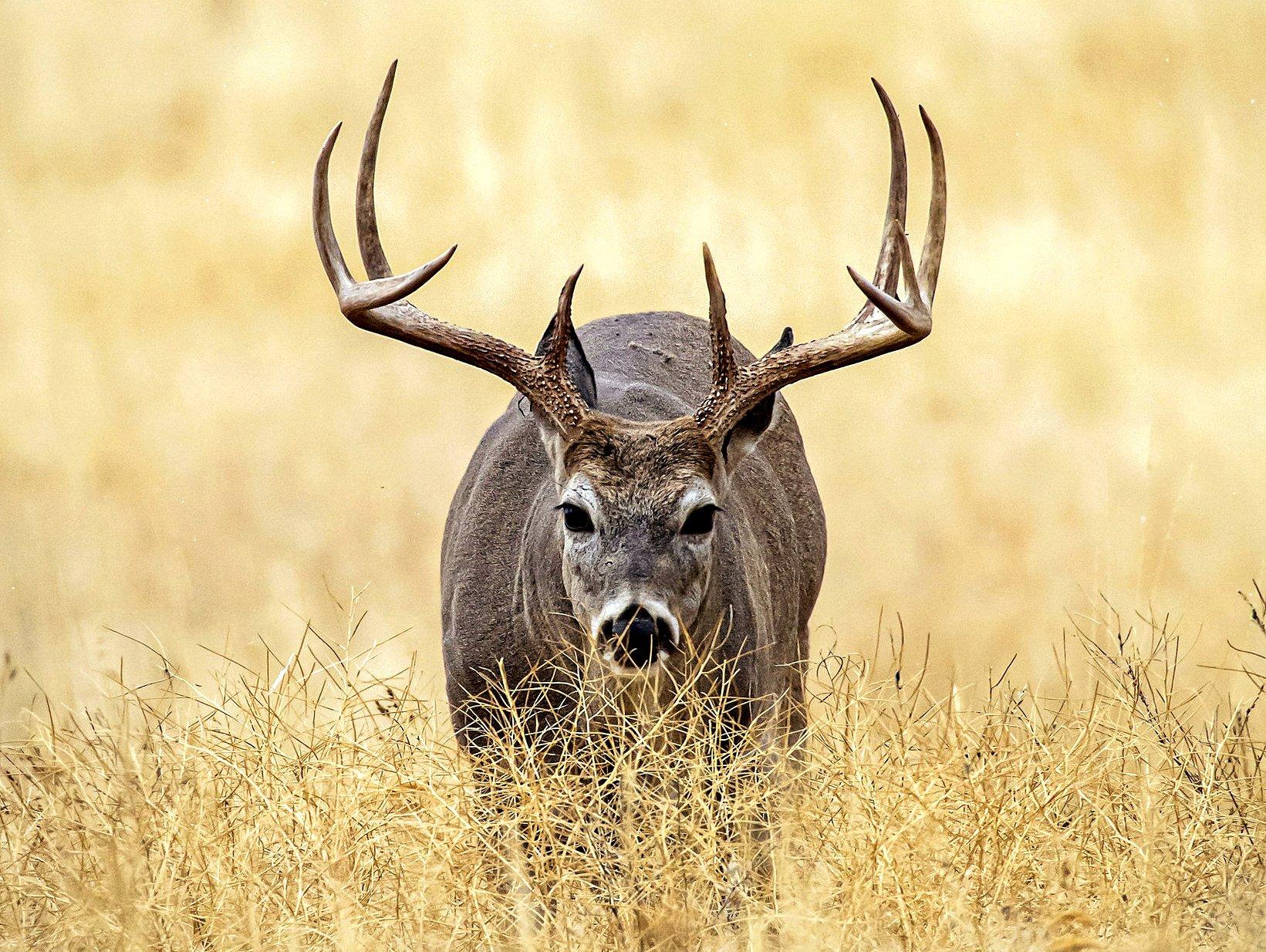
While whitetails might not be the first game animal you think of when considering a western hunt, many states offer unique, and often productive, hunts. Image by John Hafner
Deer numbers are very high in some regions with ample habitat and agriculture. Droughts can wreak havoc, causing deer to flock to limited water sources where biting midges inflict the horrific disease we deer hunters hate, EHD. Western whitetails have also faced some challenging winter conditions in recent years.
Many folks are saying the West “ain’t what it once was,” but don’t be fooled. You don’t need an alfalfa field with 50-100 deer in it to have a successful hunt. It just takes one, and even regions that took a hit can still produce Pope and Young-class bucks and the occasional Boone and Crockett contender. Here’s a rundown of what to expect in the West in this year’s Antler Nation update.
Don’t Miss: 8 THINGS TO KNOW ABOUT DROUGHT AND WESTERN BIG GAME HUNTING
Arizona
Yes, this desert state has whitetails, but they’re the diminutive Coues variety. The Boone and Crockett world-record Coues bucks in both the typical and non-typical categories were taken here. YouTubers and writers made bowhunting OTC Coues deer in January popular, so it isn’t exactly the best-kept secret it once was. That said, units have harvest quotas, and once the limit is reached, the season in that unit closes. There is lots of public land, but this is an extremely challenging bowhunt. Rifle tags are tough to get. Units 22, 24A, 29, 31, 33, 34B, 35A, and 35B offer some of the best hunting.
Colorado
Colorado’s Eastern Plains region, where the most and largest whitetails roam, has been challenged by drought and disease. I checked with a warden who covers a GMU where I killed a beautiful old buck in 2021, and he said that the number of mature bucks on the landscape is slim and that finding one, especially on Eastern Colorado’s limited public lands, will be difficult. Some top-notch outfitters operate on the Eastern Plains; hunting with one could put you into better habitat, more deer and potentially a Colorado monster. If you drew a tag or picked up a leftover, focus on riparian habitat, but during the rut, glass every single public parcel, as any of them could produce a monster on the right day.
Idaho
Gem State whitetails enjoy a solid habitat spread, from river bottoms and prairies to foothills and big timber. The buck quality can be good, and so can deer numbers. However, Idaho deer are subject to everything from coyotes to grizzly bears (in some areas), not to mention tough winters at times. The Clearwater and Panhandle regions have had EHD in the past, particularly during hot, dry summers. But don’t let any of that stop you, as hunters have put away lots of Pope and Young Class bucks and some Boone and Crockett ones, too. Top counties for Boone and Crockett bucks are Latah, Nez Perce and Boundary. Hunting units north of I-90 have been solid big-buck producers over the last two decades.
Don’t Miss: 3 WESTERN STATES TO HUNT WHITETAILS IN THIS FALL
Montana
Lots of whitetail hunting transpires in Montana, from the cottonwood bottoms on the east side to the big timbered foothills and mountains on the western border and everywhere between. Of course, mule deer garner a bit more attention, and some really good ones can be found. The top county for giant whitetails is Flathead, but this is tough country to hunt, and you’ll likely find some pressure during firearms seasons. Archery season will likely be much less busy. Because Montana is a dry Western state, finding an irrigated hayfield in an otherwise parched landscape can reveal most of the deer in an area. State wildlife areas, Forest Service lands, BLM lands and Block Management provide great access to good deer hunting in many units. Herds aren’t what they once were, but dedicated hunters still find great deer.
New Mexico
The Land of Enchantment has mostly mule deer but also Coues whitetails in the southwest corner. Way up in the northeast corner, some Texanus whitetails roam near the Texas border. Public access in the area is tight, with minimal BLM lands and less-than-prime habitat. Regardless if you're hunting mule deer, Coues or whitetails, New Mexico deer tags must be applied for and drawn. There are usually some leftovers, especially for archery and muzzleloader seasons up in the northeast, but again, this is a tough DIY hunt given a lack of public access.
Oklahoma
Oklahoma is no longer a best-kept secret. With OTC tags and its proximity to Texas, it is a popular destination. Oklahoma’s Department of Wildlife Conservation raised nonresident deer-hunting costs to more than $700 a few years ago, and rightly so, since the state leads the nation in mature-buck harvest, according to the National Deer Association’s Annual Report. Usually upwards of 80 percent of bucks in the harvest are 3 1/2 years old or older. The high price likely mitigates public-land crowding, but if you’re willing to spring for the tag, you’ll find abundant access in some areas. Good deer are taken annually from the state’s many wildlife management areas.
Don’t Miss: HUNTING A GIANT BUCK IN AN OKLAHOMA THICKET
Oregon
Oregon is rock bottom if you’re looking for a big whitetail buck. However, it is home to the Columbian whitetail, a cool subspecies that exists in limited numbers. The current population is unknown but suspected to be fewer than 15,000. Mule deer have also been declining throughout the state. But it’s not all gloom and doom. Justin Dion with the Oregon Department of Fish and Wildlife said that the state’s public lands offer great deer-hunting opportunities. Where Oregon really shines is with its blacktails. Well over 500 bucks grace the pages of the Boone and Crockett book, 107 of them produced by Jackson County, with Clackamas County being the runner-up, at 78 entries.
Texas
It’s tough to beat Texas. The state is tightly managed and winter weather is mild, allowing whitetails to flourish and bucks to reach the older age class. You’ll find quite the habitat mix here, from pine plantations in East Texas to rolling prairies in West Texas, and brushy oak draws up north to the bayous near Houston. World-class bucks regularly come from a few counties in South Texas, but solid Pope and Young-class bucks are common across the Lone Star State. Most of Texas is privately owned, and so guided hunts are the best option for traveling hunters. If you do hunt the state’s limited public land, expect it to be busy. The best public areas have draw hunts, where your odds can be pretty good. All things considered, it should be another great fall for Texas deer hunters.
Washington
The Evergreen State has many more blacktails than whitetails in the Boone and Crockett book, but whitetail hunting in Eastern Washington can be pretty solid. There are lots of accessible lands via the Forest Service, BLM, and timber companies. Washington’s top 20 whitetails all score over 200 inches, but only five of them were taken from 2002 to the present. Still, taking a 125- to 150-class buck is a realistic goal with some diligent hunting and scouting, and archery hunters might encounter velvet bucks around the Sept. 1 opener.
Wyoming
Wyoming whitetails are still rebounding from tough winters and diseases. Prospects are bleak in the areas hit hardest, but decent deer numbers and some good bucks can be found in areas with the best habitat, usually foothills with adjacent agriculture or prime riparian areas, also near crops. Mature bucks in Wyoming usually score 120-150, with some occasionally stretching the tape to 160 or better. Public access abounds in the Cowboy State. Tags are allotted through the annual draw, and sometimes there are leftovers, but those usually get snapped up fast. Don’t forget to buy a preference point this fall so that you stand a better chance of drawing a tag in 2027.
Don’t Miss: THE BEST DAYS TO DEER HUNT IN 2026