Autumn Action for Shallow Smallmouths!
Posted 2026-09-04 by
Bronzebacks prowl skinny water as summer turns to fall, and the fishing can be off-the-charts good
The fishing never fails to be exciting when big smallmouths move into shallow water. While smallmouth fishing during most of the year involves dangling finesse presentations out in the depths, seasonal shifts open the window for shallow-water fishing. It’s a window you definitely don’t want to miss.
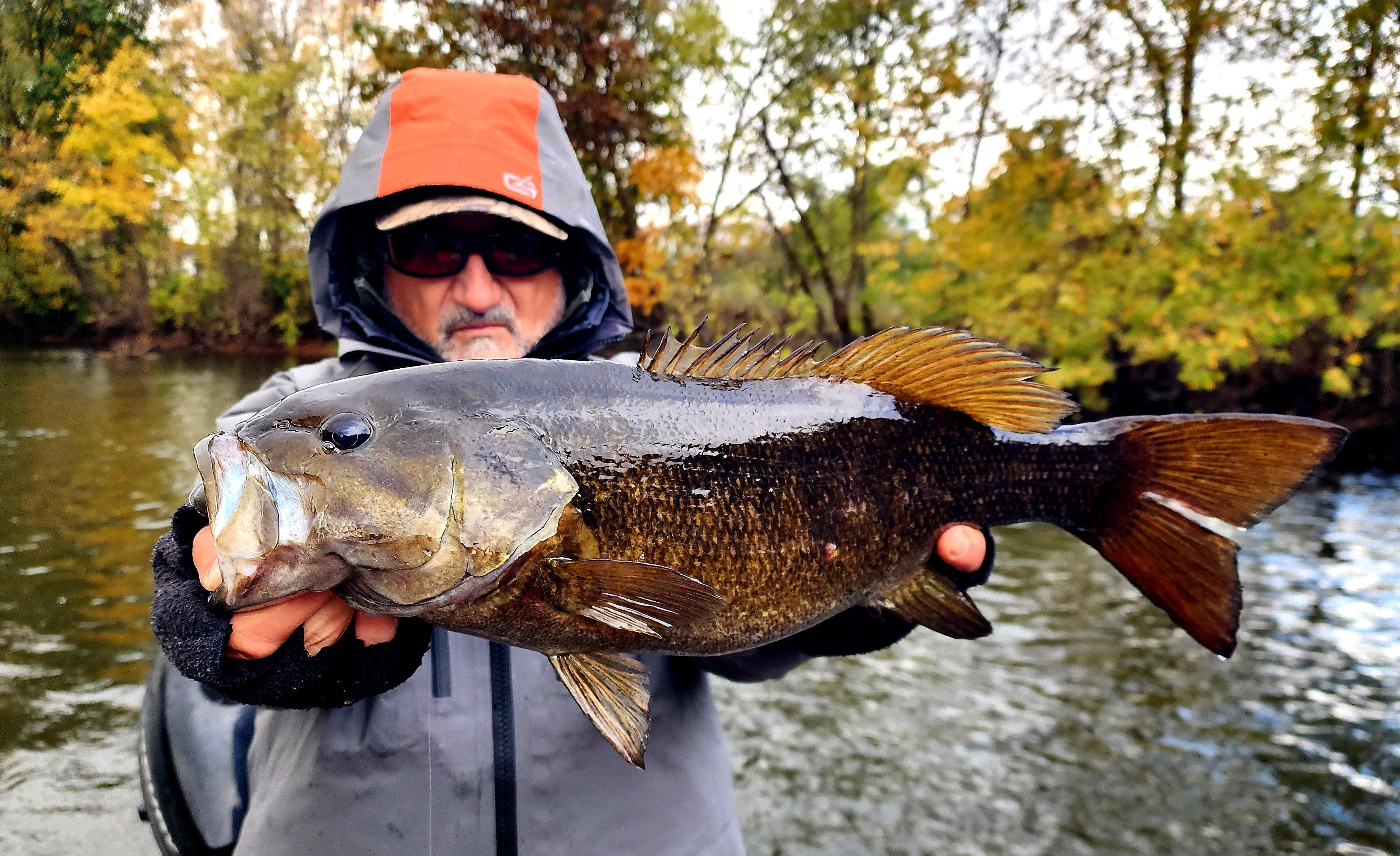
The fall season means big smallies move shallow and the anglers who follow them can score big. Image by Jay Anglin
Autumn begins earlier than most anglers realize. In the North, August brings thunderstorm activity that results in light north winds, reduced humidity, and the first feelings of fall. Smallmouth bass can feel it, too. This is when we see the first migrations of baitfish toward the shallows. Small shiners swimming on sun-warmed flats or near docks and bulkheads gives it away. Yellow perch move in to chase the minnows, and smallmouth eat them both. In general, activity increases in key shallow areas as summer transitions to fall. Finding the best spots requires an understanding of your lake’s layout and an eye for migration routes.
BEGIN THE SEARCH
Start in summertime hotspots and work in. Smallmouths typically use main-lake basins, major creeks and deep haunts throughout the summer, feeding on roaming schools of baitfish that are driven by wind, waves, and current. Areas where these basins intersect shallow structure become stop-over spots for smallies moving in. Mid-depth reefs and rocky points are prime. That rock pile out in the bay with a hazard buoy on it, or the long point you need to go out and around; those are the places smallmouths gravitate to this time of year. Sandy bottom can work, but cobble and rocks are better.
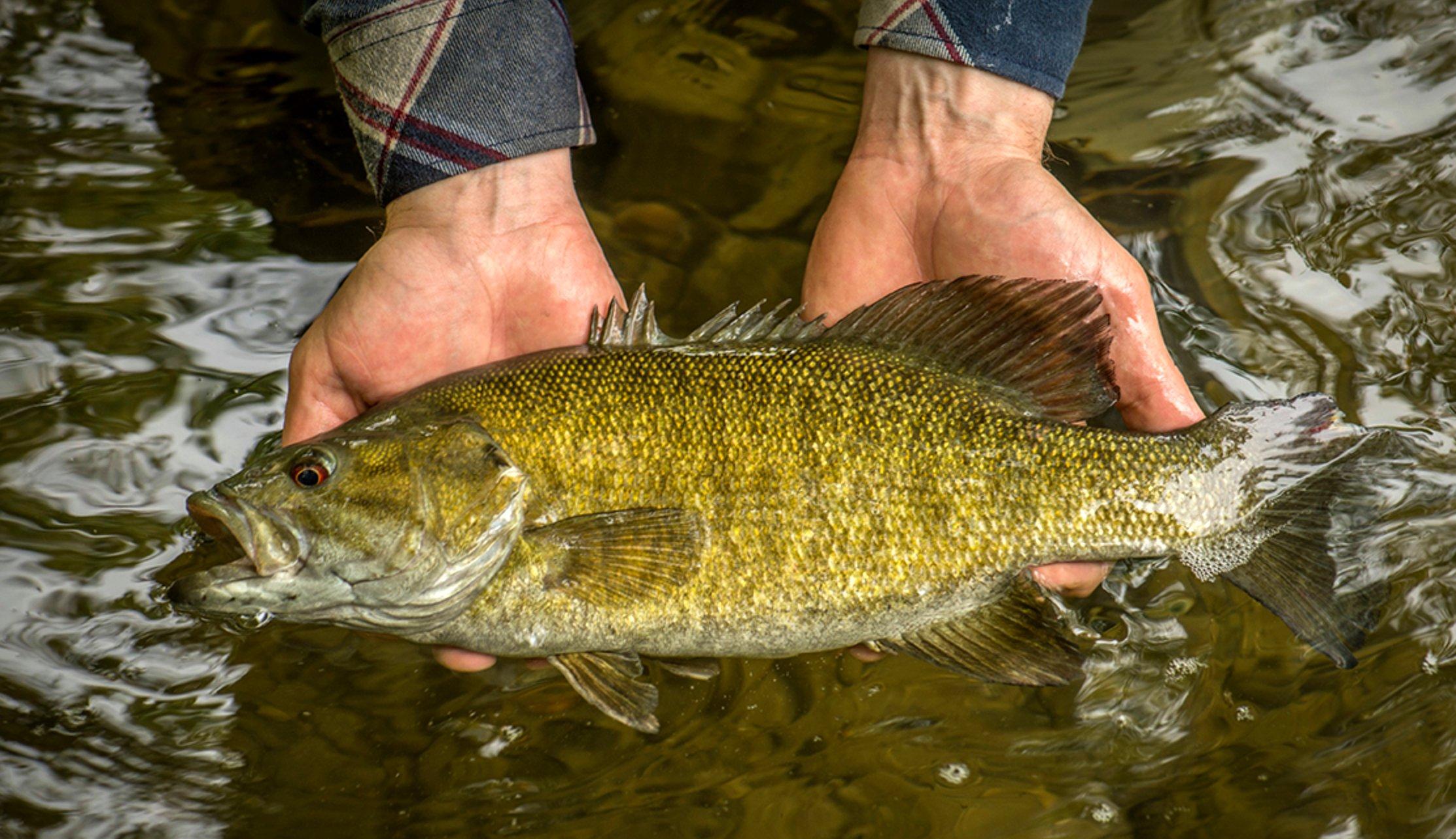
As fall begins, start your search in traditional deep water summer areas then gradually move toward shallower spots with structure and rock piles. Image by Bill Konway
In reservoir systems, baitfish begin a migration into the creeks. Search out the primary points around main lake basins and look for those with abrupt, jagged features. Again, rocks are “the juice,” but also consider bluffy, stair-step banks. With deep water a tail kick away, these are the preferred shallow zones of the first migrators.
Smallmouths in those creeks may pull up on shallow, secondary points. We’ll cover presentation details in a few, but know that these spots are key at first light and they offer incredible topwater action.
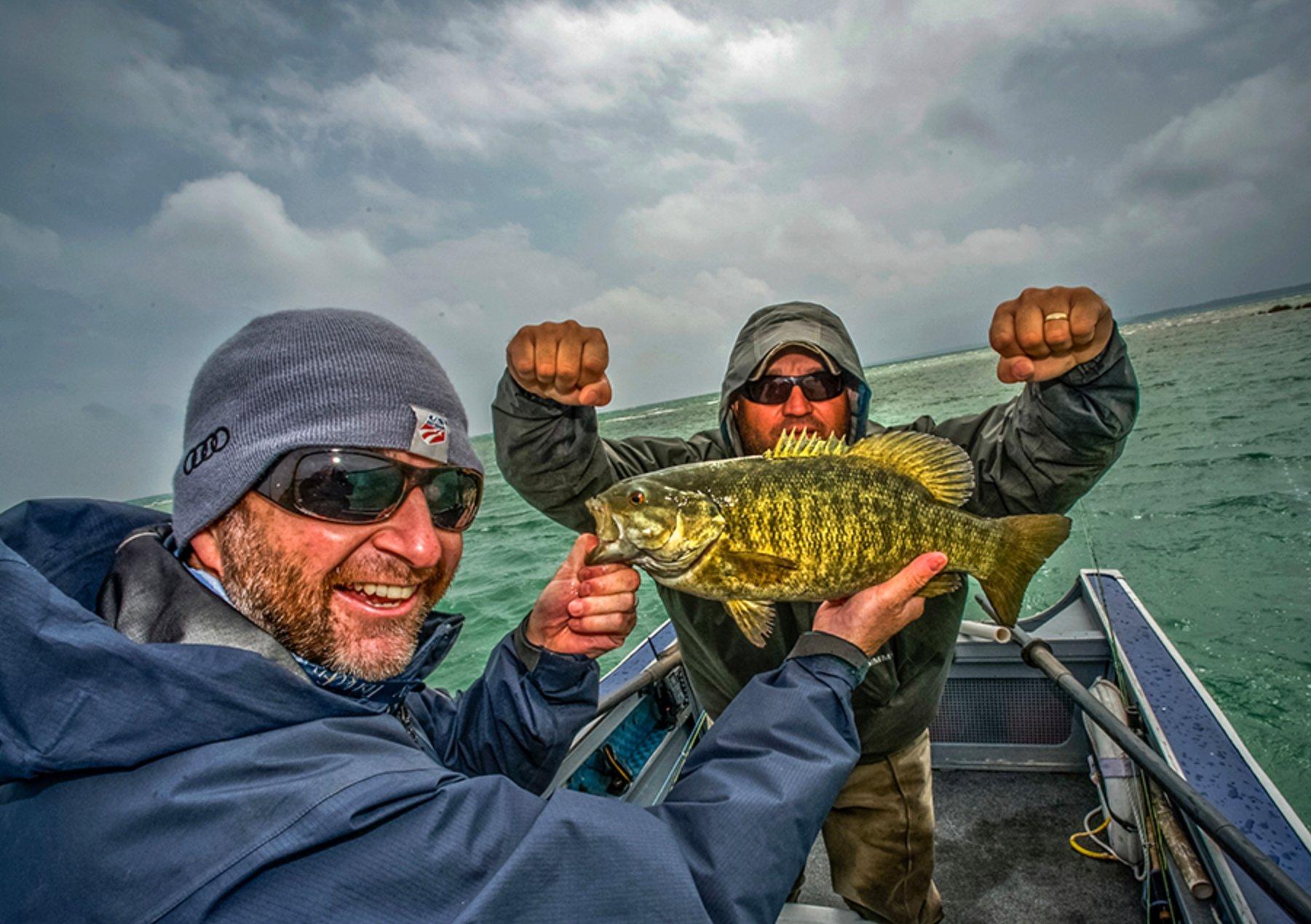
Big water smallmouth will often start their shallow migration by staging on offshore shoals or defined weed edges near deep water. Image by Bill Konway
On the biggest waters, early autumn smallmouth will migrate to major offshore shoals or defined weed edges. These occur in water as deep as 15 feet, but the key will always be an edge such as a sandy spot in the middle of a weedbed, a noticeable “dark edge” representing mossy rocks, a single large boulder, or even a sunken boat. When searching shallow smallies this time of year, start out, look in, and always focus on something that breaks the monotony of vast, summertime flats.
Don’t Miss: GIVE A FLIP FOR GIANT BASS
GET MOVING
While a bunch of smallmouth searching is done these days with forward-facing sonar, the best way to find shallow bass remains the same as it ever was: fishing fast. A transducer can never keep up with a fast retrieve, especially when taking advantage of the smallmouth’s biggest weakness: following lures. Speedy, erratic actions mesmerize smallmouths, especially when the fish are holding shallow. The right lure in the hands of a master can cover acres of water per minute.
Let’s look at the best search lures and the places to use them:
Topwater walkers: The ultimate search lure in clear water. Topwater walkers combine high visibility with an action that’s irresistible to bronzebacks. Rig on braided line and a long, flexible rod for maximum casting distance and the ability to hook fish from afar. You’ll want to check and recheck your treble hooks to ensure they’re sticky sharp; smallmouths caught on top always jump repeatedly. Stick to commanding colors like bone white or baits with chartreuse or even pink. You want smallies to take notice; this is an all-or-nothing technique.
Jerkbaits: If bass won’t commit to a topwater and the water is clear, jerkbaits should be the next try. Use a fast, slapping retrieve; you want the lure to sashay like a topwater walker, but beneath the surface. Smoky, natural colors are best in ultra-clear water, with a bit of chartreuse in stained conditions. Perch-colored baits can sometimes be the ace in the hole.
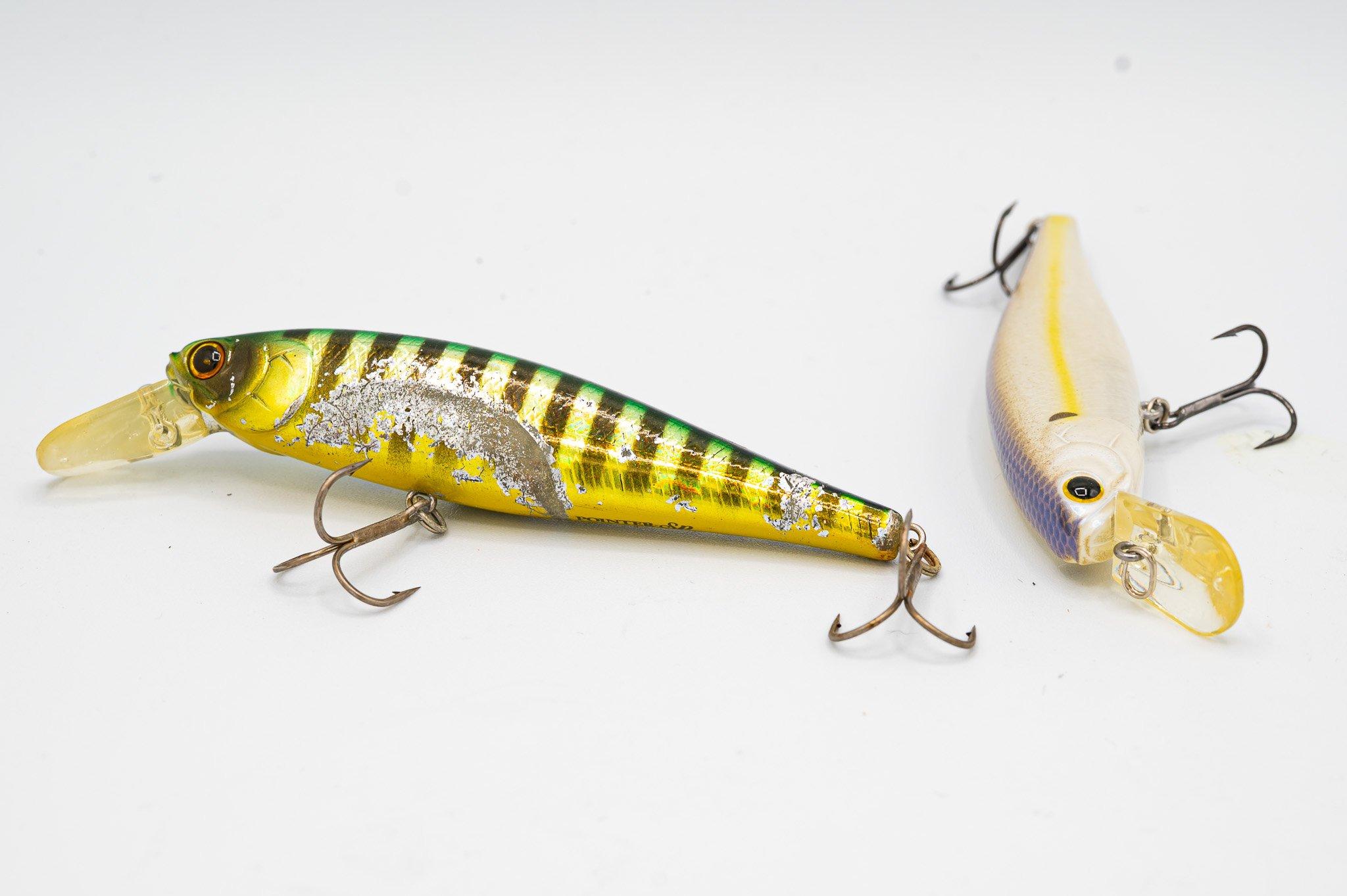
A fast retrieve with a jerkbait covers a lot of water and can be irresistible to hungry fall bass. Image by Joe Balog
Chatterbaits: Bladed jigs catch more smallmouth bass than you might think, especially around grassbeds. Retrieves can vary from bottom-bouncing to pull-and-drop. Pick gold blades over black or silver and stick to natural, crawfish tones unless there are a lot of baitfish around. Resist the temptation to use braided line; fluorocarbon will get more bites.
Swimbaits: This is a broad category of lures that includes small, grub-style paddletails rigged on jigheads up to magnum hollow-bodies and jointed plugs. All catch smallmouths in clear, shallow water. These lures excel under conditions where gaudier options fail. Bright skies with windy chop are primo; keep the wind at your back and let them fly.
Spinnerbaits: Spinnerbaits aren’t as popular as they once were, but it’s a mistake to forget about them. A large, double-willow spinnerbait will flat-out catch aggressive brown bass. Fish it with a heavy baitcast rod and stout line, and you’ve got a combo that’s capable of horsing in fish and running up the score. Always pair your spinnerbait with a trailer hook, as smallmouths are notorious for slapping at lures.
Don’t Miss: THE BEST PLACES TO CATCH A 7-POUND SMALLMOUTH
KNOW WHEN TO PUMP THE BRAKES
Smallmouths will frequently show themselves following a fast retrieve, but that doesn’t mean they’ll commit to striking. Still, it’s a very useful character flaw for anglers. A few glimpses of bass that remain uncommitted signals a time to slow down. The first step should be switching to a jig. Although not commonly known as a smallmouth staple, standard “bass jigs” catch monsters and allow the use of heavy baitcasting equipment, which increases your odds of landing a big bass. Finesse jigs offering powerful hooks with trimmed-down skirts are favorites of many. Match your jig with an equal size crawfish trailer.
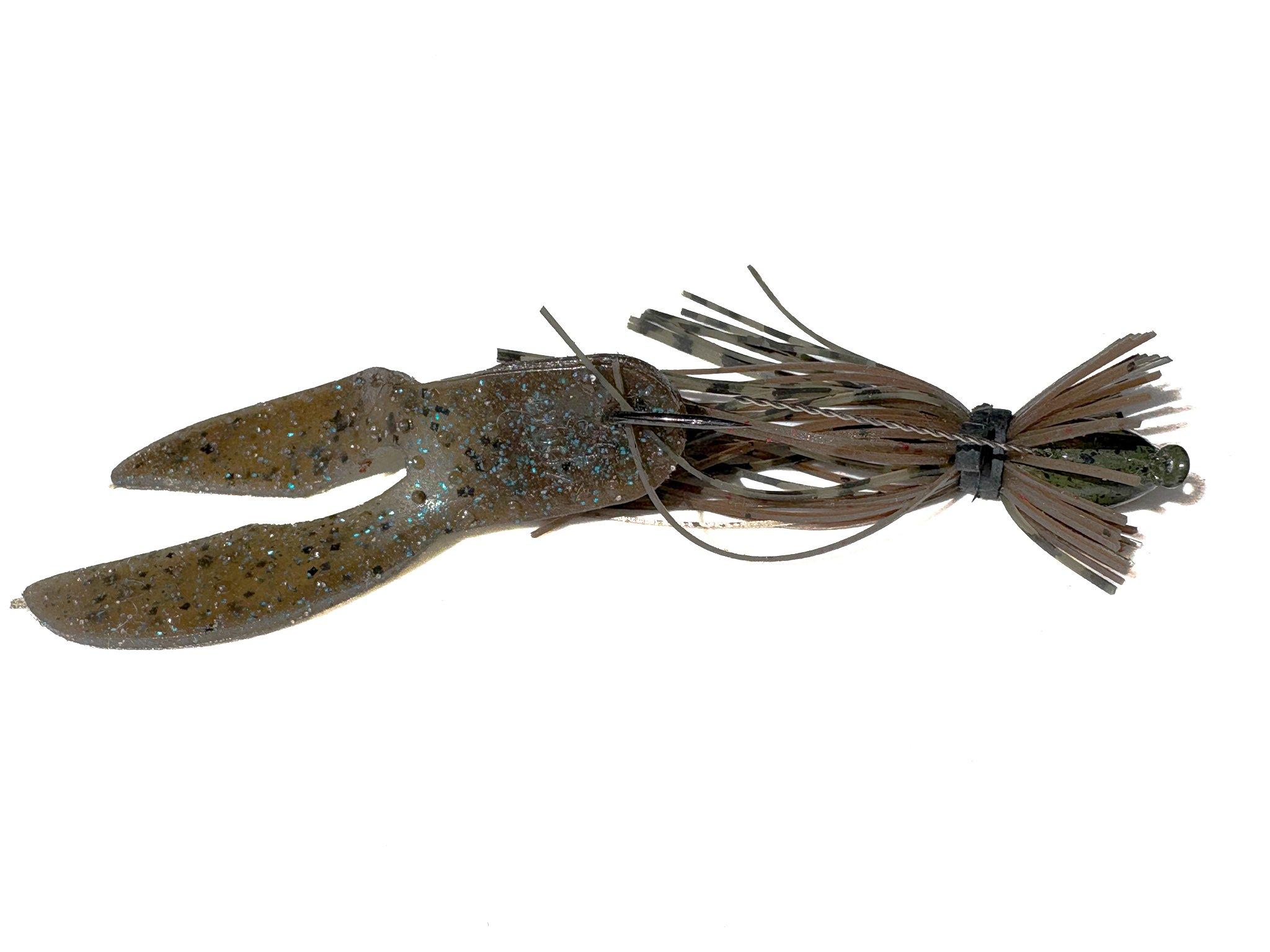
When bass follow a fast bait but refuse to take it, try switching to a finesse jig and trailer to entice a strike. Image by Joe Balog
During finicky periods, shallow smallmouths can almost always be fooled with a drop-shot. You won’t need a particularly long leader in shallow water and your lure should match the predominant forage. Think small, translucent worms around baitfish, and chunky darters for perch. Drop your bait on a weed edge or rocky strip, fish it a short distance, and then make another presentation. This of it like pitching, but with finesse.
Nothing in bass fishing tops the excitement of shallow-water smallmouth fishing. Explosive leapers and bone-jarring killers await your autumn fishing efforts. It’s hand-to-hand combat in the shallows near you. Pick a cool morning following the subtle fronts of late-summer, and you’ll be on your way to unbeatable autumn action.
Don’t Miss: 5 BEST FALL SMALLMOUTH FISHING TACTICS


?fmt=auto&qlt=default&fmt.webp.qlt=65&fmt.png.qlt=73&fmt.jp2.qlt=35&fmt.jpeg.qlt=60)