When, Where, and How to Fish Skirted Bass Jigs
Posted 2026-05-04 by
Whether you’re flipping, swimming, or skipping, jigs and trailers excel at catching big bass
Fishing lures don’t get much more utilitarian than a jig, but few offerings are more effective for catching big bass. Legend has it that the first rubber-skirted bass jig was developed by Arkie Lures in the 1970s. The “living rubber” material was an upgrade to vinyl jigs, which themselves were upgrades to bucktail.
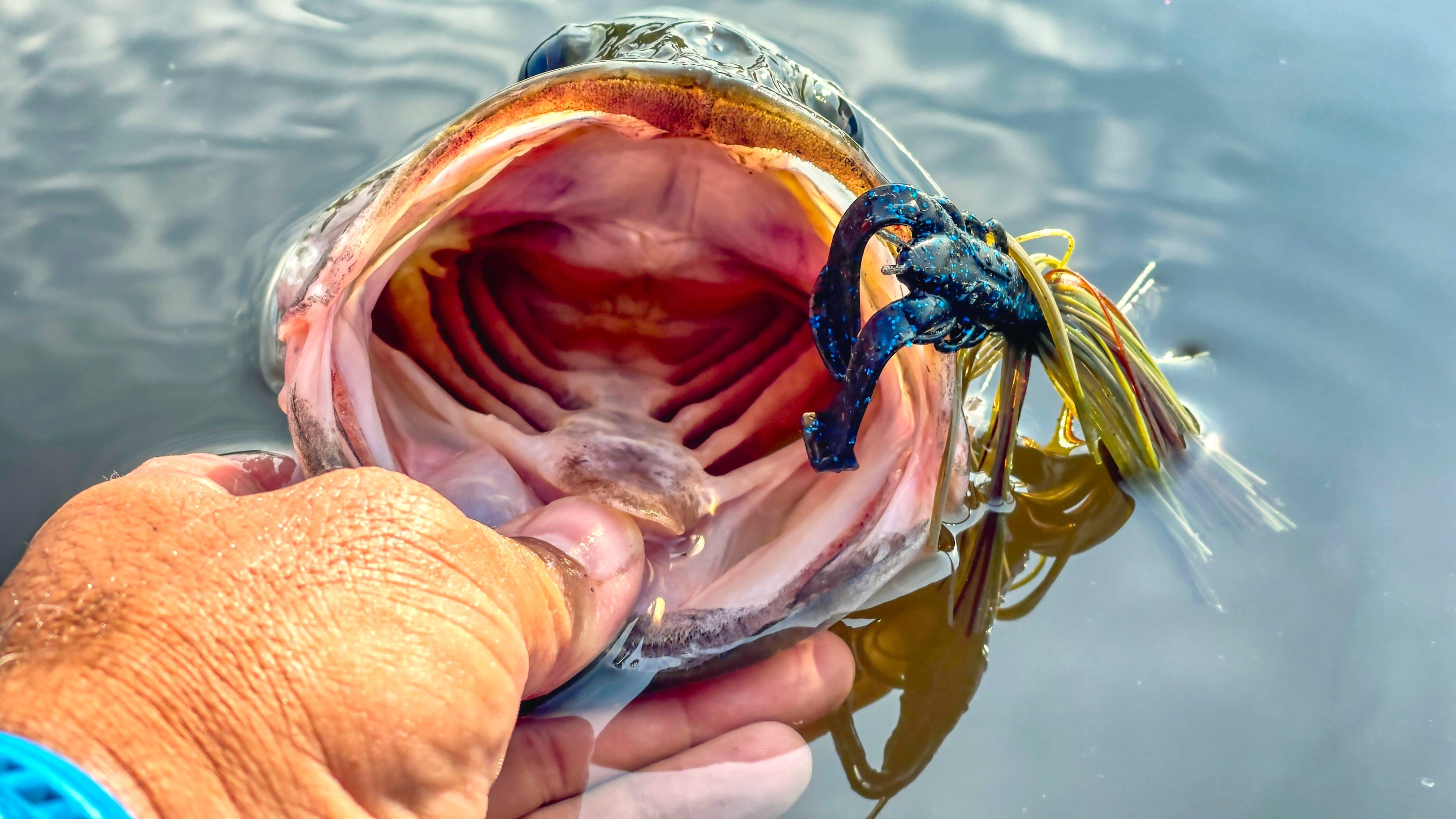
Few lures in an angler’s tackle box are as versatile and effective for big bass than a jig. Image by Jason Sealock
Refinements came as anglers found ways to make their presentations more efficient and effective. It’s hard to say when the first weed-guard was added to a jig, for example, but that feature was improved, just like the skirt, from wire to fiber to the bristle models common today. Weed-guards enable jig-slingers to put their baits in the places bass live—like deep in brushpiles, weedbeds, and sunken timber—without getting snagged.
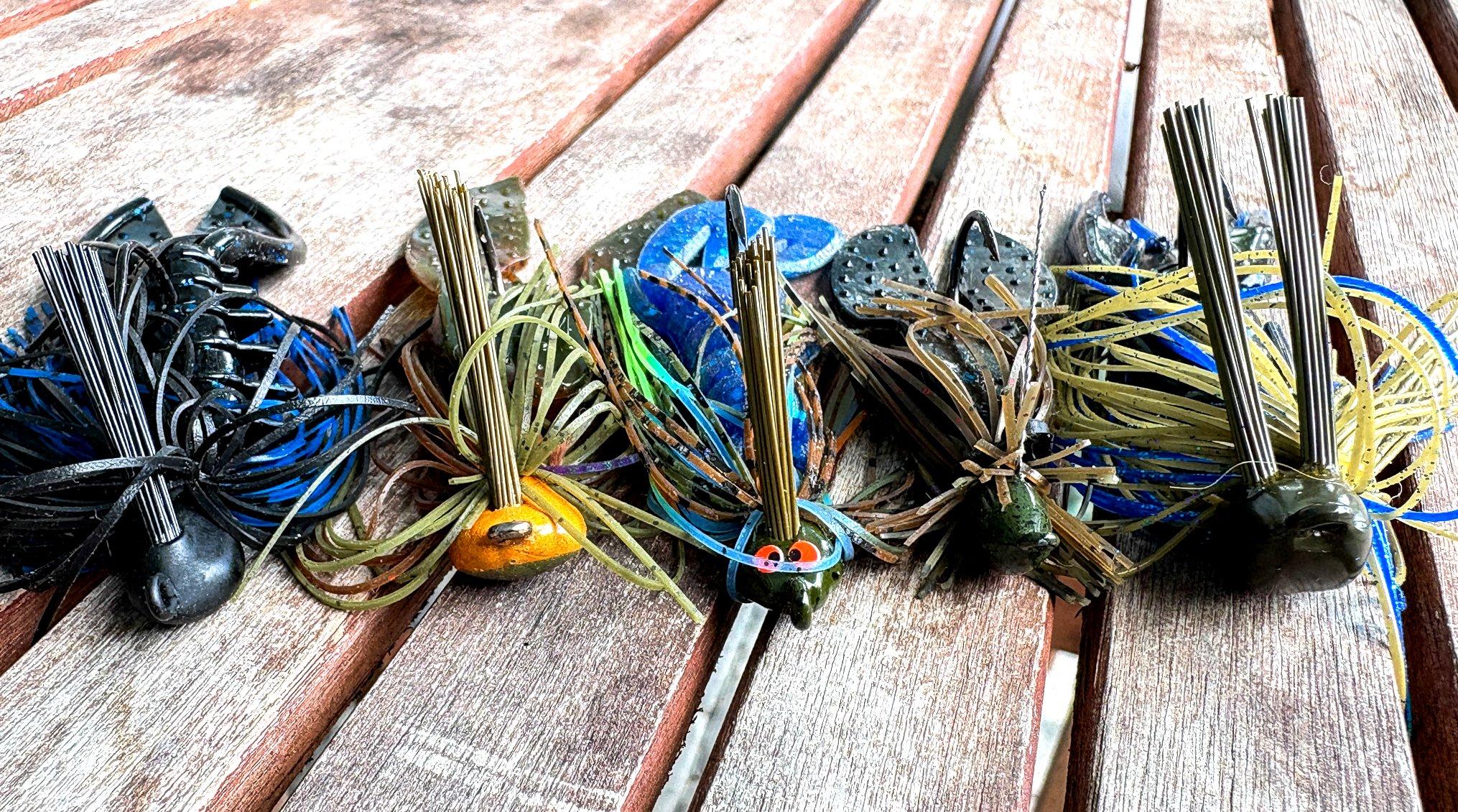
As jig fishing became more popular, the jigs themselves became more specialized for specific techniques. Image by Joe Balog
Hooks and jighead shapes were also refined, as were the trailers. The “jig-and-pig” became all the rage in the 1980s, as brands like Uncle Josh sold trailers that were shaped roughly like a frog, and made from cured pork hide. Plastic trailers have all but replaced the pig today, but we’re still fishing with jigs that mostly resemble lures from 40 years ago. Great fish catchers never really go out of style.
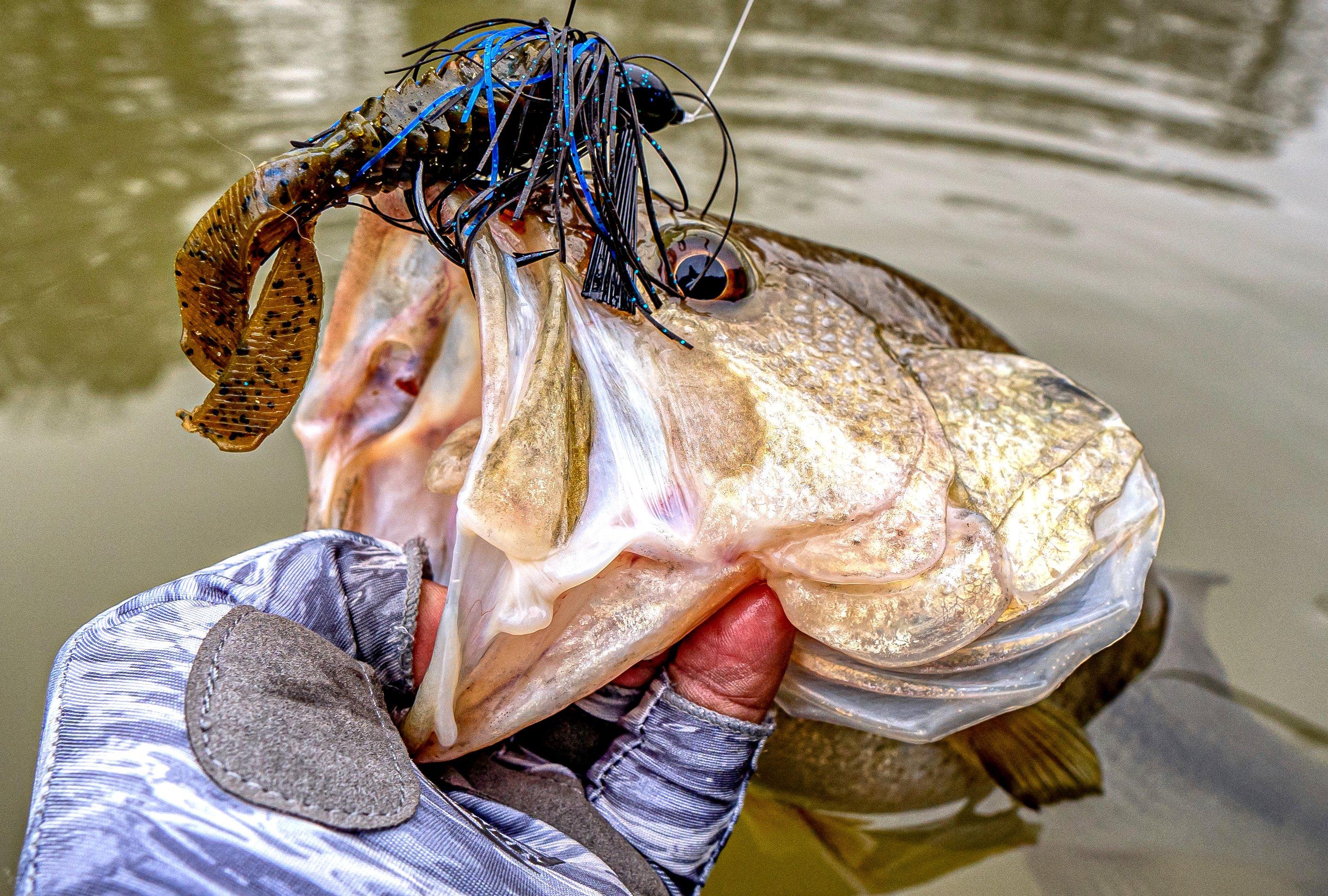
The first popular jig trailers were made of cured pork hide, but today’s trailers are usually soft plastic. Image by Jason Sealock
But with all the advancements, how do you know which style of bass jig is right for the fishing you plan to do? After all, they come in all sorts of shapes and sizes, each designed to excel at a specialized task. Jigs are pretty cheap, as fishing lures go, and so it’s worth keeping a few of all of these on hand:
Don’t Miss: LOUISIANA ANGLER ACCUSED OF FRAUD OVER TROPHY LARGEMOUTH BASS
CASTING JIGS
We’ll start with all-around models to further define the traits of a jig. Lead is poured around a stout “jig-hook” with an angled eye, resulting in a compact head and collar. The hook is large, stout, and sharp. A plastic, fiber-bristled weed-guard is glued into the head and a skirt is slid up the collar. Most often, and for our basic definition, the hook eye is in-line with the hook. An all-around casting jig matches this definition and comes in a variety of weights from 1/4 to 3/4 ounce. Size is primarily determined by fishing depth. Natural, subtle colors are preferred (black, brown, green pumpkin), matching the crawfish that the jig imitates. A trailer is added to mimic the pinchers of a craw, usually secured by some type of trailer keeper built into the jighead. This type of jig can be fished in and around moderately heavy cover, under boat docks, on rocky banks and points, and through sparser weed beds.
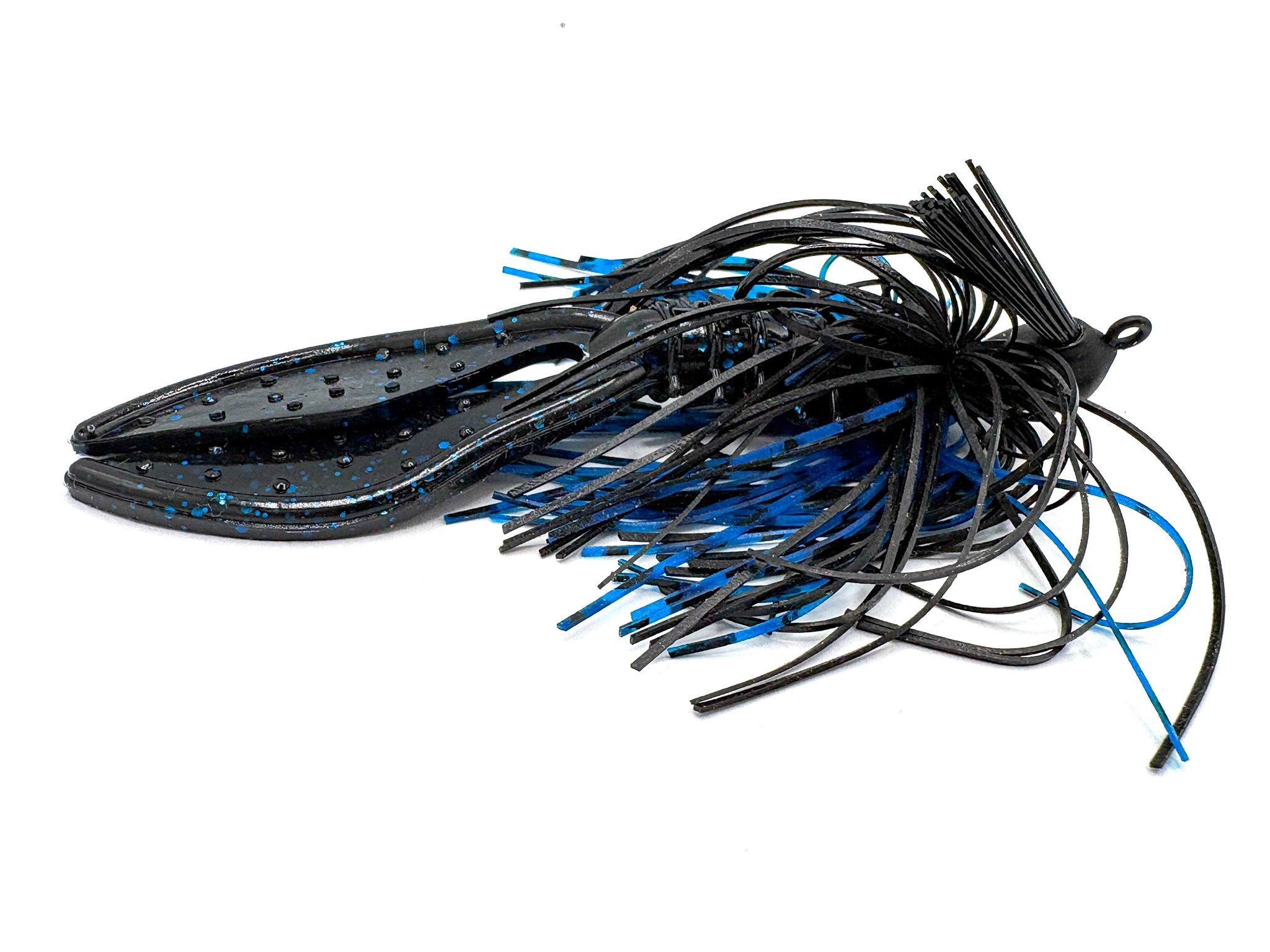
Casting jigs range from 1/4 to 3/4 ounce and feature an inline hook, rubber skirt and a fiber weed guard for fishing around cover. Image by Joe Balog
FLIPPING JIGS
The blueprint is the same for a flipping jig as a casting jig, but everything is HD. Hooks are larger and sturdier. Weed-guards feature more and stiffer bristles. Skirt collars are often tied to prevent slipping. Keeper barbs hold trailers securely. In general, flipping jigs are only offered in heavy weights, from 1/2 to 1 ounce. They’re intended to be flipped and pitched into heavy cover, and for that, bigger weights are needed to penetrate the lunker’s lair. Of note: the setup of a flipping jig makes stout rods and heavy, braided line mandatory. It’s essential to drive home the big, inflexible hook. If conditions require a subtle approach, drop back to a casting model.
FINESSE JIGS
Finesse jigs are on the other end of the spectrum. They’re offered in sizes ranging from 1/8 to 1/4 ounce, and feature thinner, more flexible hooks on various head shapes. These lures are intended to be fished around light cover and in clearer water than casting and flipping models. Think pea-gravel points in spring, bluff banks in fall, or deep boat docks on highland reservoirs. Finesse jigs bring the efficiency of the technique to conditions requiring a lighter touch. Weed-guards are lighter bristle or occasionally just a flexible “Y-guard”. Spinning rods, especially spooled with braided line and a fluorocarbon leader, are perfect for fishing finesse jigs. Be careful not to use too bulky of a trailer, as it will inhibit the action of these lures. Smaller junior chunks and 3-inch craws will get the job done.
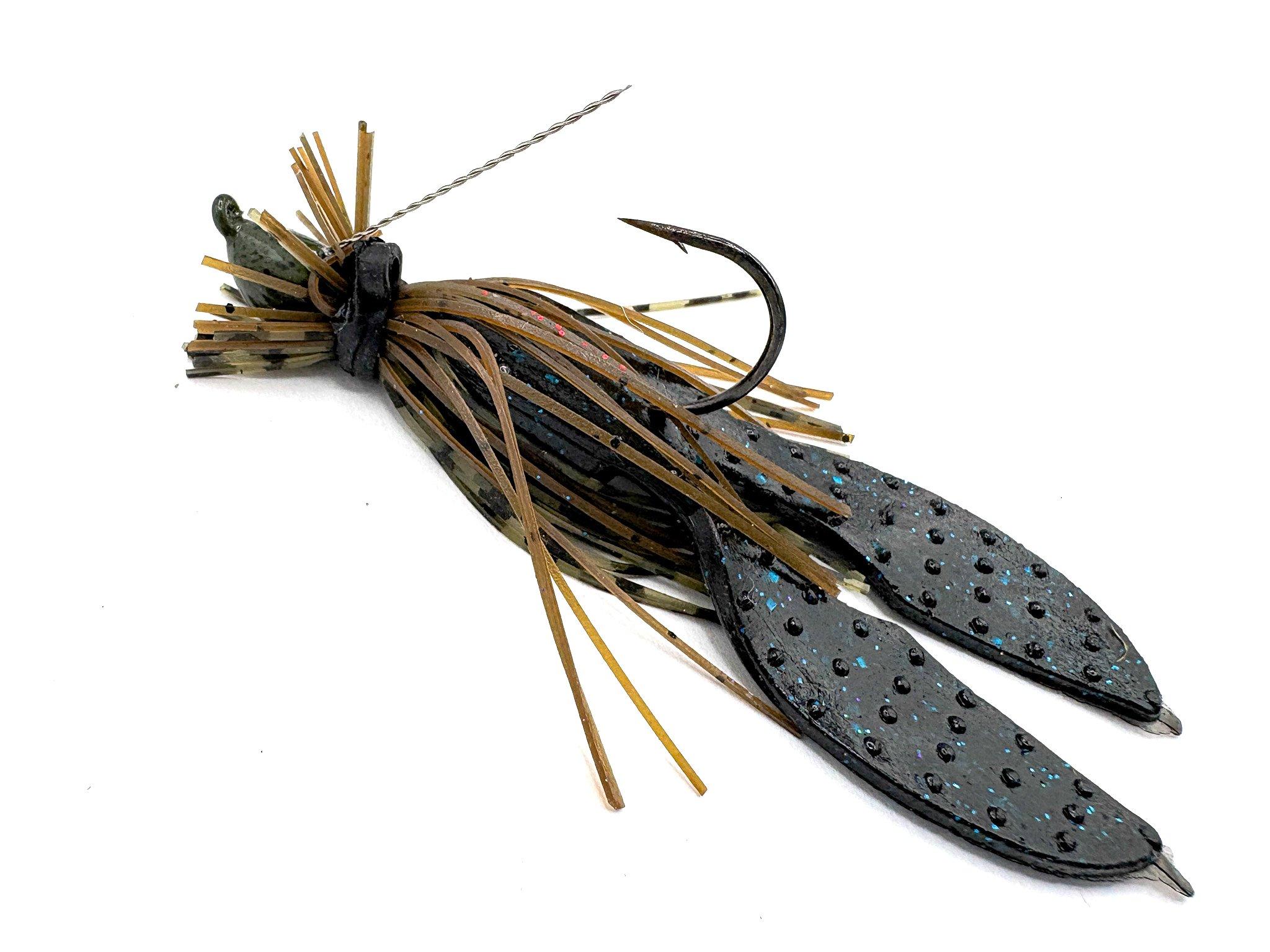
Finesse jigs often range from as small as 1/8 up to 1/4 ounce and are intended to be fished around light cover in clear water. Image by Joe Balog
FOOTBALL JIGS
Like finesse jigs, football jigs are often fished around structural features and in deep water. The unique head design of these lures gets down and stays down, making them a great choice for open-water fishing. Most football jigs have standard weed-guards, but some do not; you’ll need to choose based on the job at hand. Other features match casting jigs such as a strong hook, attractive skirt, and trailer keepers. Of note: football jigs often have a horizontal hook eye, meaning it’s perpendicular to the hook point, rather than parallel. This helps keep the bait down and induces more action when the lure contacts rubble and rock. It’s also a bit more snag-resistant around brush. More of that in the next section.
Don’t Miss: 5 OLD-SCHOOL CRAPPIE FISHING TACTICS
SKIPPING JIGS
If you fish around a lot of boat docks, then you need to be skipping jigs at times. The lures simply catch larger bass than most Texas-rigged plastics. Delivering them beneath a dock, however, takes a refined skill set when using heavy bait casting tackle. The pros make it look easy, but much of that relies on their tackle selection. Jigs specifically designed for skipping get the nod when fishing the endless docks of places like Lake of the Ozarks and Gaston.
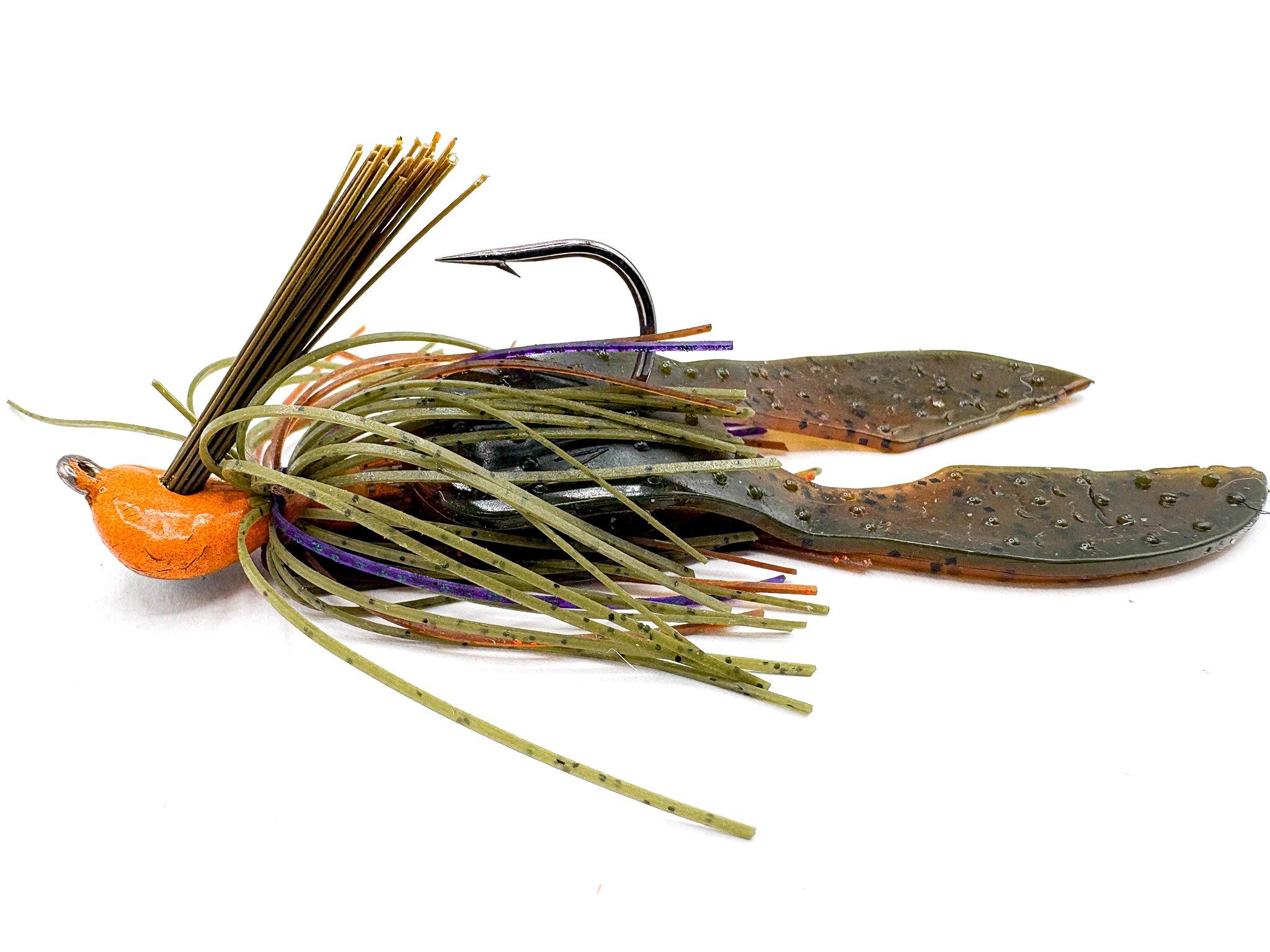
Skipping jigs are designed with flatter heads and horizontal hook eyes to easily skip deep under docks. Image by Joe Balog
A skipping jig has a slightly flattened head and horizontal hook eye, like many football jigs. This helps the lure skip like a stone up under a boat dock. Here, hand-tied skirts reduce drag and avoid slippage, and trailers are double-secured and sometimes glued into place. Key on relatively flat trailers rather than long flappers with lots of legs and arms. Eliminating drag is the key to skipping. Another tip: spool heavy line, as it backlashes less than lighter stuff. Seventeen-pound fluorocarbon attached to a 1/2 ounce, flat-headed jig is a skipping fool, enabling you to reach lunkers that are not used to seeing lures. A stout hook helps wrestle them from the pilings and the flat eye resists deep snags.
Don’t Miss: THE 5 RULES OF SPRING CRAPPIE FISHING
SWIM JIGS
Expansive weedbeds and flooded pads call for swim jigs. These lures feature cone-shaped heads, allowing them to slip through thick grass efficiently. Weights hover around 3/8 ounce for most applications and kicker-style trailers keep the bait high in the water column while inducing tempting moves. When fishing lighter, submerged vegetation, thin, sharp hooks and light weedguards work best. When taking to the slop, heavier hooks and guards are necessary. Pair your rod and line accordingly. Swim jigs often work well in conditions where fish see lots of spinnerbaits and chatterbaits and fishing pressure calls for a unique approach. Keep baitfish colors — whites, silvers, and blues — in the rotation along with traditional hues.
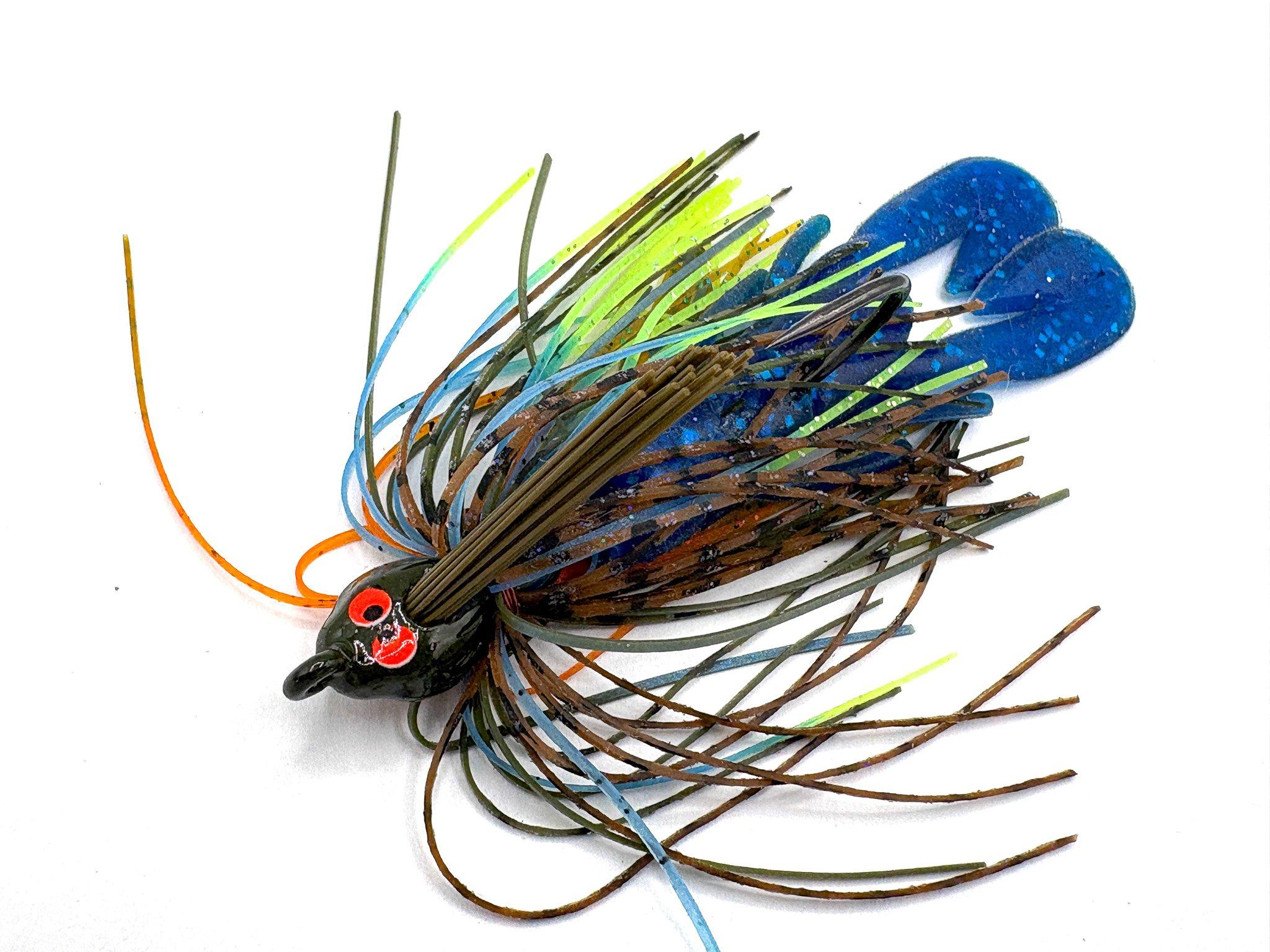
Swim jigs with their cone shaped heads are perfect for weedbeds and floating lily pads. Image by Joe Balog
JIGS FOR ULTRA-HEAVY COVER
Our true specialty item, new versions of jigs intended to be fished in ultra-thick vegetation feature monster hooks, weights of up to 2 ounces, and double weed-guards. These allow for snag free fishing anywhere, even in thick cattails and reeds, which are traditionally the bane of jig flippers. You’ll want nothing less than a powerful flipping stick when fishing these lures, and to be prepared for fewer, but larger bites.
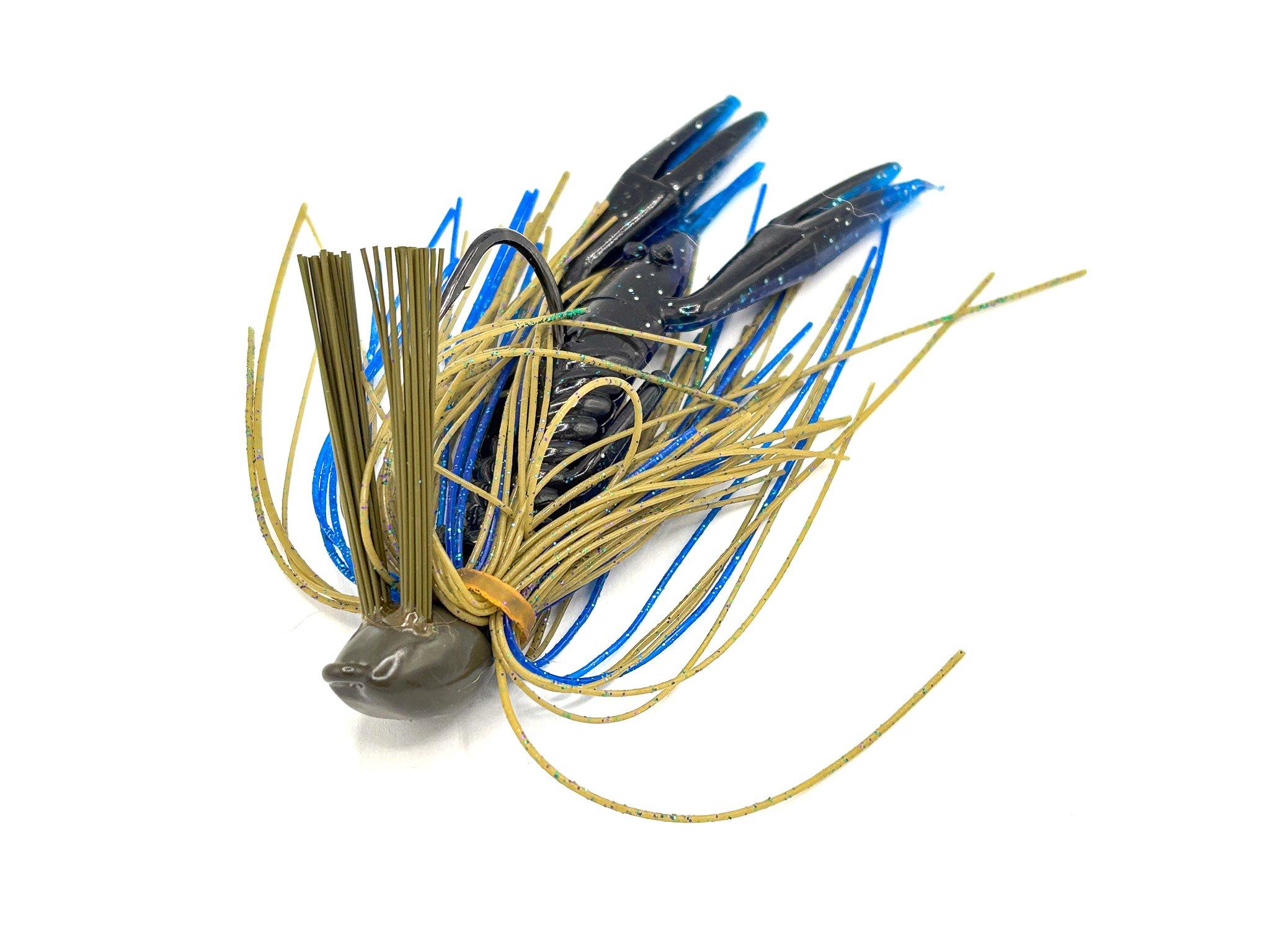
Heavy-cover jigs have stout hooks and weigh up to 2 ounces, and many sport a pair of weed-guards. They’re made for fishing heavy cattails and the like, where normal jigs cannot penetrate.
Bass jigs continue to be the best lures in your tackle box to catch a Personal Best, especially in the spring. Choosing the right model is key to turning bites into photo moments. Consult our jig guide when you’re ready to jump to a new category. The versatility of these lures continues to expand.
Don’t Miss: THE BEST BASS BAITS FOR EVERY SEASON