Are TSS Turkey Loads Doomed?
Posted 2026-03-26 by
With high demand and low availability for tungsten, many TSS turkey loads have increased in price by more than 40% since last spring, and they could keep going up. Here’s how ammo makers are responding
Tungsten Super Shot (TSS) is one of the biggest advancements in turkey hunting of the past decade. TSS pellets are manufactured by blending powdered tungsten with binding agents, like nickel and iron, to create an alloy with a density of nearly 18 grams per cubic centimeter (g/cc). For comparison, lead is 11.34 g/cc. That means a small TSS pellet can carry as much downrange energy as a much larger lead pellet (the usual comparison summary says that a No. 9 TSS pellet hits with the same oomph as a No. 5 lead pellet). This means more TSS pellets can be packed in the payload. Furthermore, TSS is much harder than lead, reducing deformation, which results in better patterns and better penetration. TSS has allowed sub-gauges like the 28-gauge and .410 bore to become viable turkey guns, and many serious turkey hunters now use the 20-gauge almost exclusively — again, thanks to TSS.
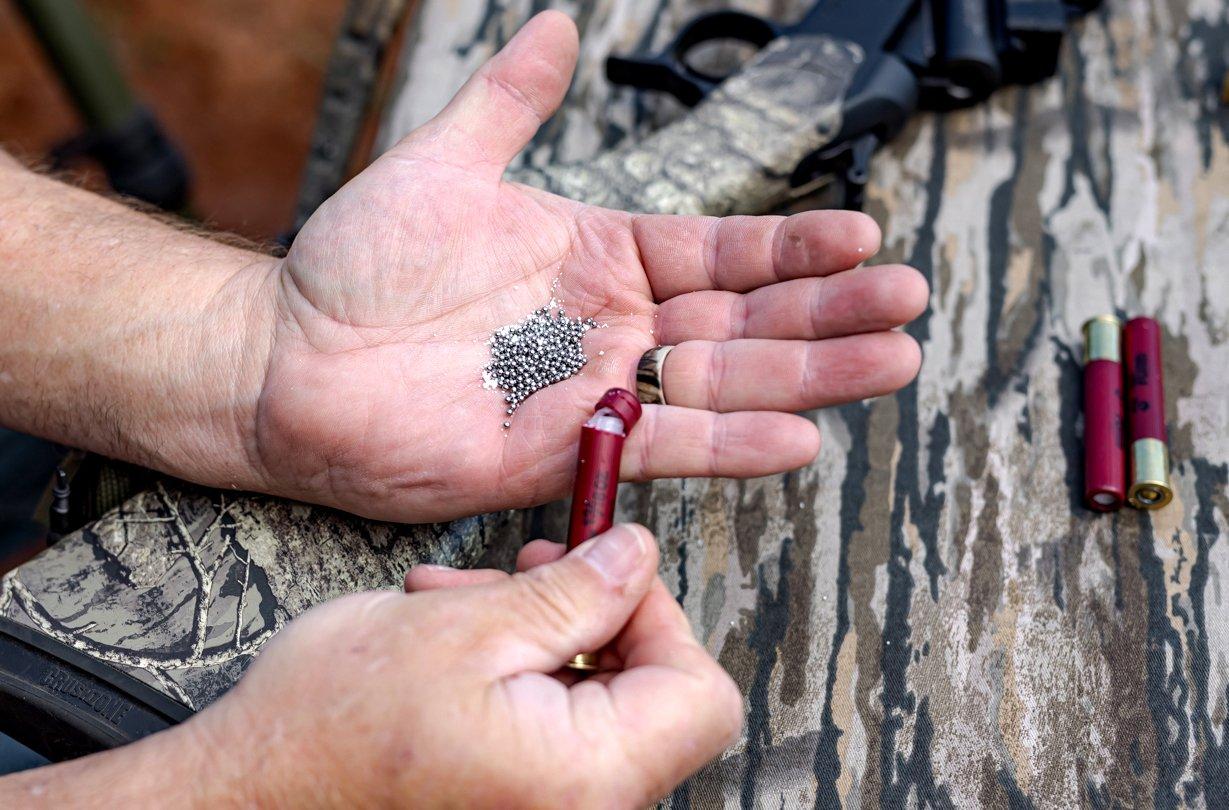
Almost twice as dense as lead, TSS shot has revolutionized sub-gauge turkey hunting. Images by Realtree
Although TSS has become the gold standard in turkey loads, it’s always been accompanied by a stiff price tag, since the shot itself costs more than any other shot material. What started out at $6-$7 per shell increased to $10. This year, many manufacturers have increased that to near $20 per shell — something I definitely noticed when testing new 20-gauge, 28-gauge, and .410 turkey loads for Realtree.com this past winter. Serious turkey hunters are willing to pay for performance, to a point. But $20 per shot is a tough pill to swallow. And, hold on to your camo hat, it’s about to get worse.
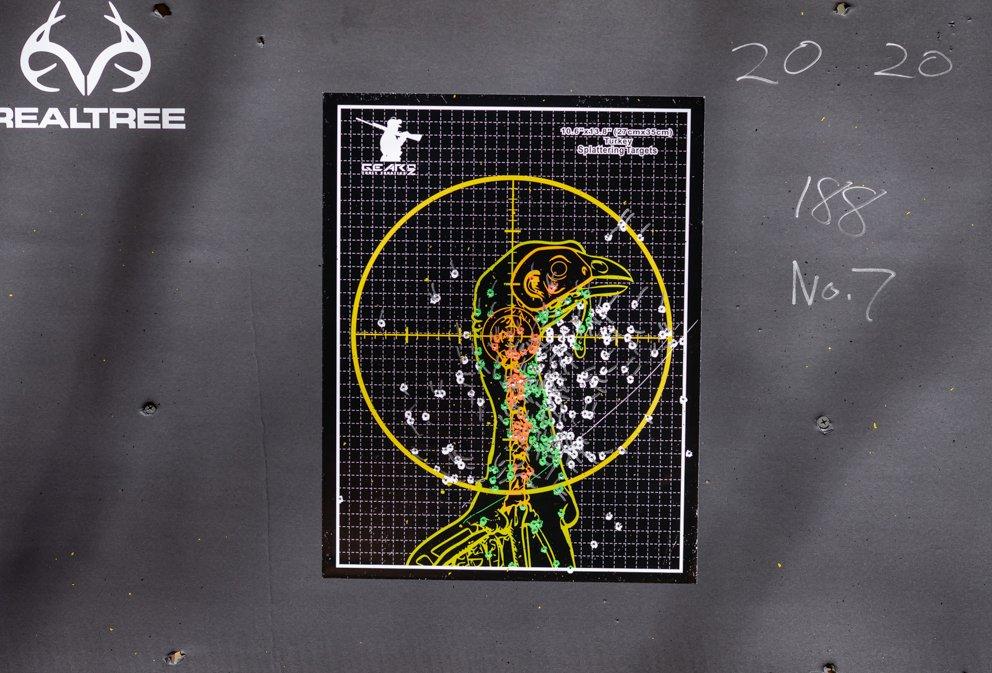
While unquestionably effective, prices for TSS loads have risen from $7-$8 per shell a few years ago up to nearly $20 this season.
About 80% of the world’s tungsten powder comes from China, and trade relations between the U.S. and China are not good right now. To make it even more expensive, there is currently as high as 292% antidumping tariff on imported TSS from China, partially brought on by a lawsuit from one of the two American manufacturers of tungsten goods, Tungsten Parts Wyoming. Pair that with increased worldwide military demand, much lower availability since last year when Chinese officials reduced mining quotas, tightened environmental regulations, and greatly scaled back overall production, and you have the perfect storm for skyrocketing material costs for shotshell manufacturers.
Don’t Miss: STRUT REPORT: SIGNS POINT TO A STRONG TURKEY SEASON ACROSS THE SOUTH
WHAT IT MEANS TO TURKEY HUNTERS
In other words, this may be the final year (at least for a while) for widely available and even semi-affordable TSS loads. At least one turkey load manufacturer, Salt Creek Custom Ammo, makers of the Cold Turkey line of loads, has recently declared TSS dead, at least for the time being. According to the company’s web page, costs for the shot were around $40 per pound in January of 2025. By December 2025, the price was just over $140 per pound, and it’s even higher now.
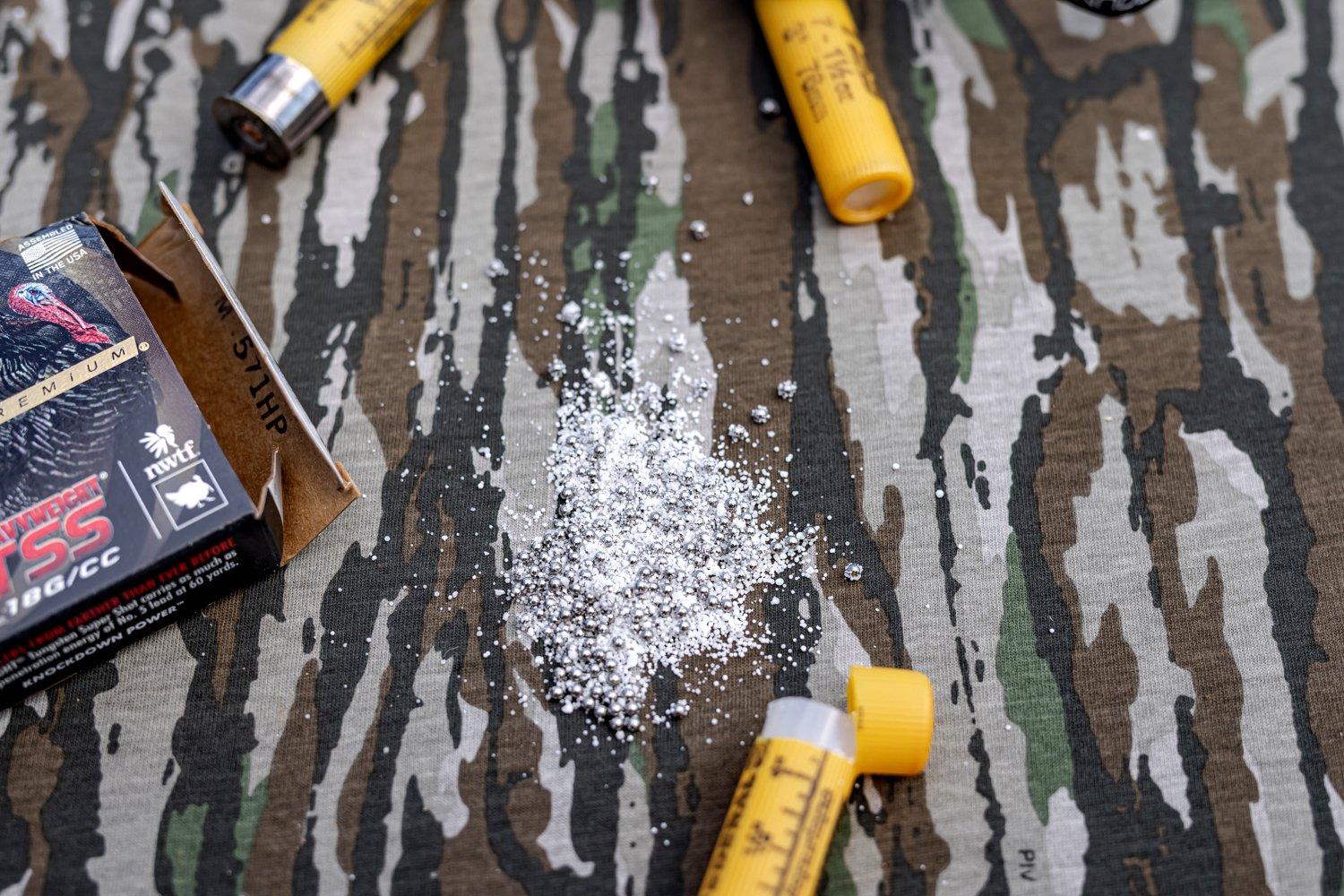
With surging raw material costs and complicated manufacturing processes, TSS has risen in price to the point where this might be the final year for even remotely affordable loads.
Even the larger manufacturers are feeling the pinch. The MSRP on a box of five Federal Premium TSS 20-gauge loads is now at $82, up from $55 this time last year (larger 12-gauge loads with more shot cost even more). Winchester Longbeard TSS comes in about the same. That’s about 19 dollars per trigger pull for all you English majors (I used a calculator). That’s if you can find it. A quick trip to several larger sporting goods retailers in my area of Kentucky found fewer than normal TSS turkey load options on the shelves.
Still, ammo makers aren’t throwing in the towel yet. Dan Compton, Shotshell Product Director for Federal, Remington, and Hevi-Shot, said their brands are in a pretty good spot, all things considered. “We were fortunate that we saw this coming and bought long on TSS so that we would have enough to supply our needs this spring for Federal, Hevi-18, and Remington Premium TSS turkey loads,” he said. “Our sourcing team is currently scouring the planet for available tungsten shot or raw ore. Unlike a lot of companies, we have the ability to manufacture Hevi-Shot in house, so that is always an option if the shot prices continue to rise. We are also examining other options that might be nearly as dense as TSS.”
Don’t Miss: THE BEST 20-GAUGE TURKEY LOADS OF 2026
As for next season, Compton said, “We know there is more than likely a threshold for what hunters are willing to pay for a load. Going into next year and beyond, I envision a slightly more limited offering of our popular loads that we would look to our dealer base and potentially pre-sale. We would then load for the season based on dealer demand. While this season is just getting started, we are already looking ahead, based on the extended shipping times we are seeing now. We need to order materials by late this spring to get them in time to load for the 2027 season.
“Another way we are trying to mitigate prices is through products like our Federal 3rd Degree blend, which has a three-stage payload of 40% No. 5 copper plated lead, 20% No. 6 FLITESTOPPER lead, and 40% No. 7 TSS shot. This load is designed to perform at any range from close up to 40 yards plus,” Compton said. He added that the company’s shotshell technology is constantly evolving. “Challenges like this make us innovate. We are on a never-ending search for new or different components that will allow us to improve all of our loads. New this year from Remington is our Final Strut HD turkey load, with a 12 g/cc tungsten payload. The manufacturing process on this shot is slightly different than with TSS, and is a little less labor and time intensive, allowing us to produce it at a lower price point.”
Nathan Robinson, Media Relations Manager for Winchester Ammunition, said, “We aren’t really limited by a shortage per se. We can buy as much as we want, it’s just gotten so expensive that we’ve had to carefully evaluate our go-to market strategy. What we decided is that it would be best to make a slight change to our ‘Long Beard TSS’ pellets, changing them from 18 g/cc, to the new ‘Long Beard Tungsten,’ which has 17 g/cc density. While it still performs similar to TSS, this slight change helps keep the cost a little more reasonable. As an added benefit, the lighter density allows us to load more pellets per shell (approximately 70 pellets more in a 12-gauge 3-inch No. 9 shot with T17). We think there is still room in the marketplace for more expensive tungsten loads in the turkey arena, where hunters aren’t shooting several rounds per season.”
Robinson added, “Even with that tweak, there’s no getting around the fact that tungsten is increasingly more expensive. Fortunately for us, we have Long Beard XR. For consumers who don’t want to spend $18-22 per shotshell, they can get that load for less than $3/shell.”
Apex was one of the first companies to commercially produce TSS turkey loads. CEO Jason Lonsberry said they have been monitoring the situation for a while and had planned for the price increase. “We’ve been doing this since 2017 and we’ve built strong contacts in the tungsten industry over that time. We are still receiving orders and we are running at full production right now. We stocked up on our most popular shot sizes so that we would be able to meet demand this spring. Price has increased approximately five times over what it was. That means a box of shells that cost $50 a few years ago would be over $200 this year, based on material costs. Just like everyone else in the industry, we’ve had to increase our price this spring, but we took measures to soften the blow to consumers and eat some of that added cost.”
Lonsberry said that Apex had been positioning itself over the past few years to move away from Chinese companies as much as possible. “Over the years, we’ve built strong relationships with other suppliers, including some U.S. sources. While we would like to purchase only from domestic suppliers, there is limited availability at this time, so we still need to supplement with overseas supplied materials. Since tungsten is traded worldwide, the price still tends to rise and fall based on world markets, regardless of source.”
Prior to 2015, the U.S. was still producing domestic tungsten, although low demand, high worldwide supply, and new environmental regulations at the time made it economically unfeasible to produce large supplies. In 2016, the last North American (Canadian) mine ceased production. Lonsberry says one of those U.S. mines is poised to reopen soon, and others may follow. “I’m not sure how long it will take. They have to prepare the shuttered mines, restore the equipment and manpower, then upgrade for new environmental regulations,” he said. “None of that will happen overnight, but hopefully it will eventually ease our reliance on Chinese tungsten.”
Don’t Miss: TURKEY SCOUTING TACTICS FOR MODERN HUNTERS
WHAT TURKEY HUNTERS SHOULD DO RIGHT NOW
For now, don’t wait until your turkey season is about to start to look for your TSS loads. Start checking your local or online retailers now and pick some up if you find it. Also check with the manufacturers themselves for updates on what stock may be available. Some brands are offering rebates on TSS turkey loads right now, so that helps a bit with price.
“Even if the price drops today, it will take a while for the market price to moderate,” Lonsberry said. “We start loading for 2027 in the fourth quarter of this year. With shipping times being delayed as long as they are, we need to be sourcing inventory soon.” That means turkey load cost will probably continue to rise in the near future and remain high next spring.
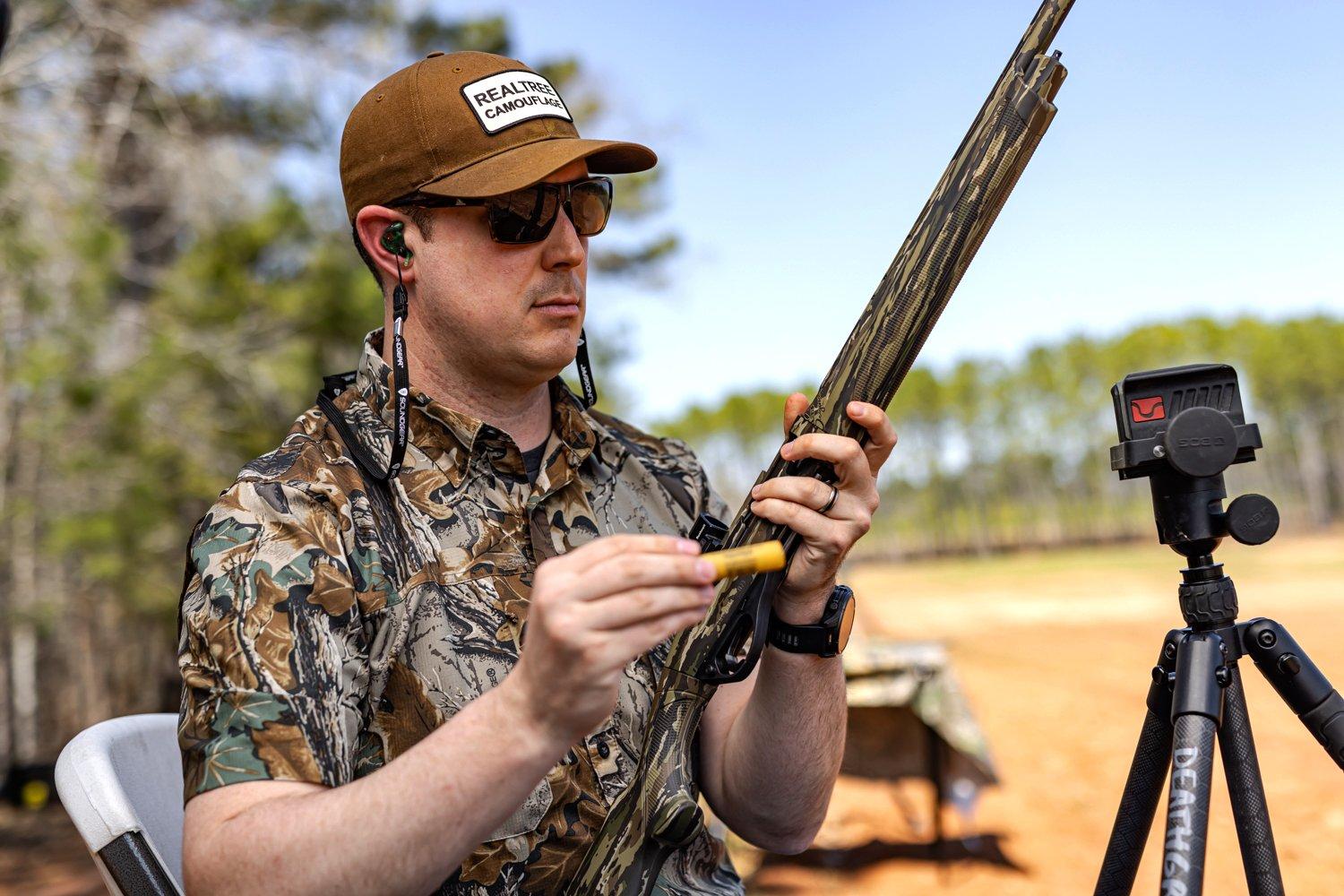
Without drastic changes to the market, turkey hunters can expect the price of TSS shells to continue rising.
Winchester’s Robinson adds that not all tungsten is the same. “Customers need to look at density, shot uniformity, buffer (or lack thereof), and shot weights to get a true understanding of how a shotshell will perform,” he said. He added that many of the loads on the shelves right now were loaded and distributed before the worst of the price increases took effect. If there aren’t drastic changes to the market by next season, prices will likely to continue on an upward trajectory.
Don’t Miss: THE BEST 28-GAUGE AND .410 TURKEY LOADS OF 2026
TSS ALTERNATIVES
It’s important to remember that hunters killed gobblers long before TSS, and there are still many good shot material options out there. Tungsten shot blends are one good option. These blends are still more expensive than lead, but priced well below the current cost of TSS due to slightly cheaper raw materials (lower percentage of raw tungsten) and a simpler manufacturing process that produces a shot pellet that isn’t as round and finished as TSS, and which requires less machining.
Weighing in just under 13 grams per cubic centimeter, some of these blends are still denser than lead. That allows hunters to drop down a shot size or two and still carry plenty of energy. Hevi-Shot offers a blend in their Hevi-13 line in 6 and 7 shot in both 12 and 20-gauge. They also offer their Magnum Blend line of 5, 6, and 7 tungsten shot from 10-gauge down to 28.
BOSS Shotshells has released a solid copper turkey load this season as a more economical option for hunters who are hunting in areas where lead shot is prohibited. The solid copper is less dense than lead, but heavier than comparable steel shot.
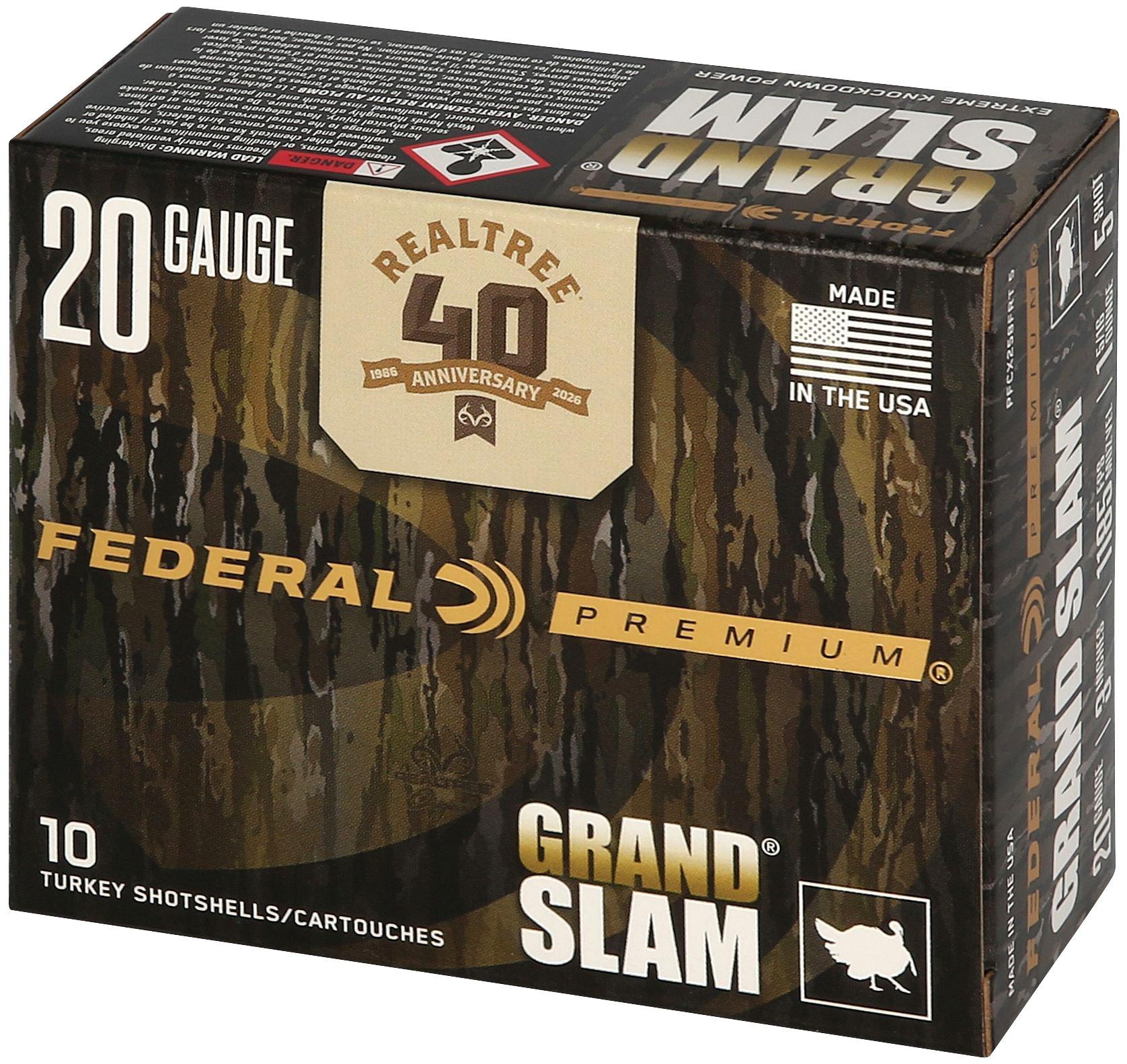
While TSS has received all the attention, new shell technologies have made lead loads like the Federal Grand Slam more effective than ever.
Even lead turkey loads have come a long way in the past few years. Better components such as full-length wads, improved buffers, and better chokes have made lead loads deadlier than ever before. Federal Grand Slam turkey loads are available with No. 4, 5, or 6 copper-plated lead shot and are packed with a special buffer and a FLITECONTROL Flex wad for tight, consistent patterns, even at extended ranges.
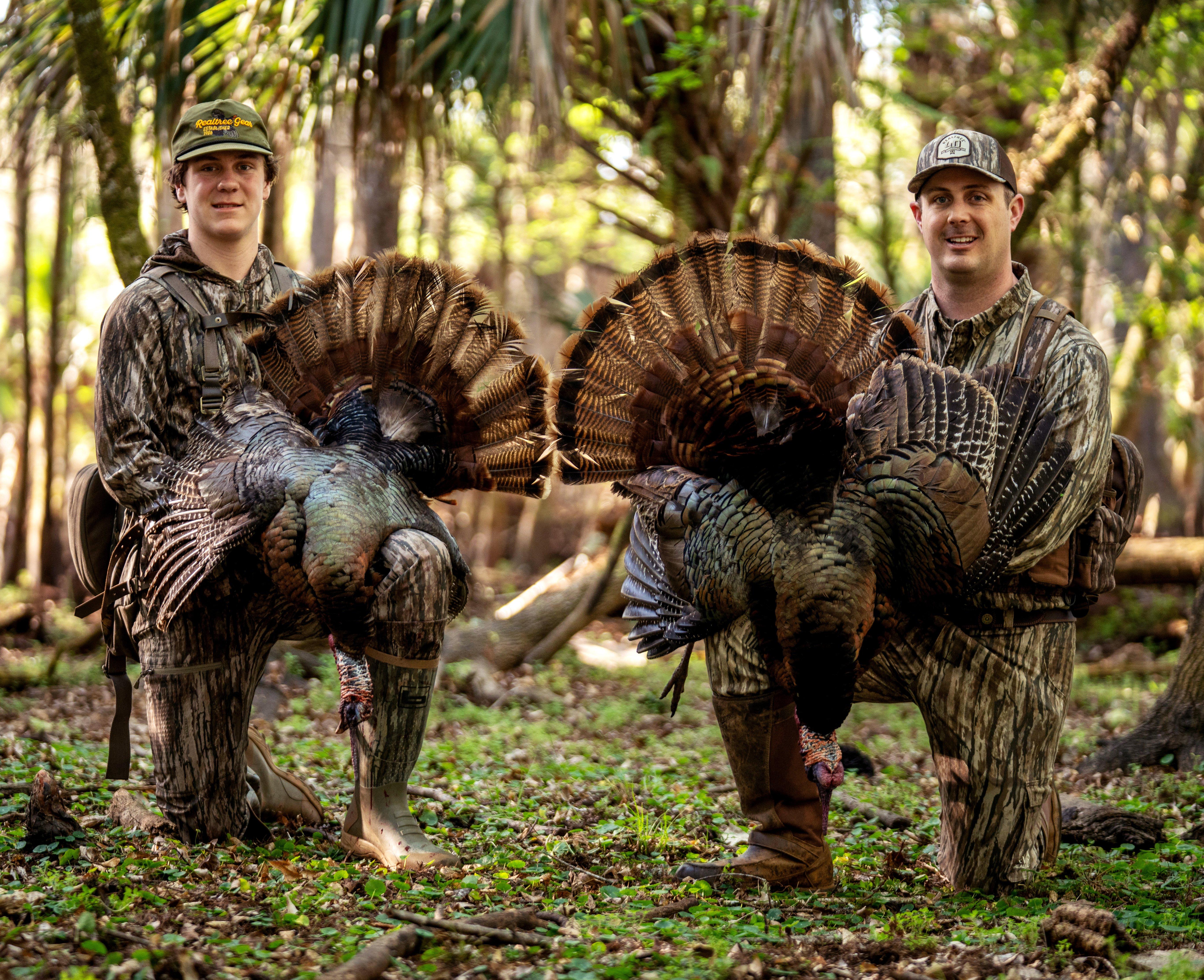
Hunters were cleaning taking turkeys long before TSS and will keep doing it, even if it disappears from store shelves.
Hunters may have to spend a little more time at the patterning board to find the perfect combination, particularly those who are shooting sub-gauge guns. And we may have to be more selective on taking those shots on gobblers that hang up at 50 yards. If he walks away, you get to hunt him again the next day, and that’s not a bad thing, regardless of the shotgun shells you’re using.
Don’t Miss: 40 YEARS OF TURKEY HUNTING WITH TEAM REALTREE