Why Poaching is More Sinister Than You Think
Posted 2025-10-20 by
A new study reveals that less than 5% of poachers get caught. These criminals are stealing our game and costing states millions

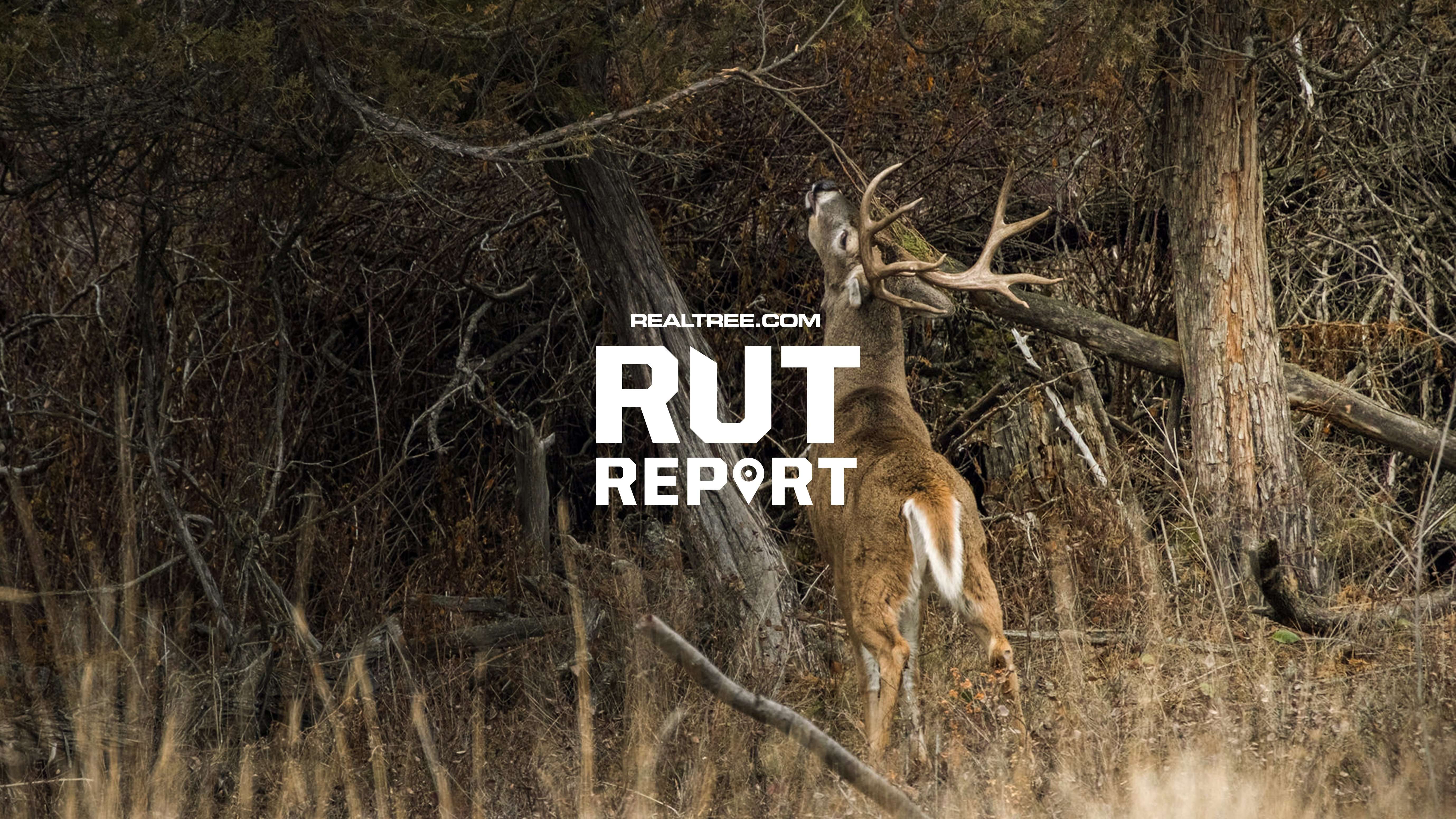
Landowners and hunters interviewed in a study admitted they saw two to five poaching incidents per year, yet they failed to report them 50% of the time. Photo by Jim Cumming.
An Ohio man was ordered to pay a record-breaking $39,696 in restitution for poaching two bucks in 2023, including an 18-point giant that green-scored 200 inches. Earlier this year, an Illinois court directed five outlaws from Mississippi to pay almost $120,000 in fines and animal-replacement costs for illegally killing multiple bucks during a four-year period. In the dark underworld of poaching, these convictions and penalties are exceptions, not the rule. Results of a recently completed study reveal that more than 95% of illegal wildlife kills in the United States go unreported, and that the minimum conservation cost of poaching is a staggering $1.4 billion annually.
Don’t Miss: 3 Killer Ways to Get More Bucks on Your Trail Cameras
THE POACH AND PAY PROJECT
In 2020, the Boone and Crockett Club, in partnership with the Wildlife Management Institute, initiated a study of big-game poaching in the United States. To collect real on-the-ground data, researchers interviewed game wardens, landowners and hunters from eight states — people who are most apt to see and hear about poaching crimes.
After compiling and analyzing hours of interviews and reams of data from wildlife agencies and law-enforcement sources during the past several years, Poach and Pay researchers have revealed two major results. First and most striking is the extremely low detection rate of wildlife crimes. Statistical models estimate that poaching incidents are detected only 2% to 7% of the time, meaning that across America, roughly 95% of illegal kills go unnoticed or unreported each year.
Second, the study found that poaching has profound conservation and fiscal implications. Based on replacement-cost calculations for bucks, bull elk and other animals killed illegally, wildlife agencies lose a combined $1.44 billion annually in uncollected fines and penalties. On average, each state loses $28.7 million per year — a sum that often exceeds legitimate hunting license revenues. These losses directly undermine state wildlife budgets and conservation priorities.
Don’t Miss: Giant Bucks on Tiny Properties
POACHING SOLUTIONS
How do we bust and convict more poachers, and have them pay stiffly for their crimes? A second segment of the Poach and Pay project offers some solutions.
Tougher fines and penalties: Forty-two states have restitution penalties for poached animals, but fines vary widely. Maybe $500 to $1,000 for a 130-inch buck in one state, or $2,500 in another. The study recommends that state legislatures develop consistent and justifiable replacement costs for poached big deer and other game. Additionally, reclassifying the most egregious crimes from slap-on-the-wrist misdemeanors to felonies with mandatory minimum sentences would help deter poachers.
Increase boots on ground (and on the Web): Wyoming has about 60 game wardens who patrol about 98,000 square miles of mountains and plains. No matter how dedicated and hard-working they are, imagine how much deer and elk poaching goes undetected. To a man, wardens interviewed in the study say they need more manpower.
Check Out Our Latest Camo Pattern: Realtree APX
Report more poaching: Here’s a curious finding in the study. Many landowners and hunters admitted they saw or heard about two to five poaching incidents each year, but they failed to report it 50% of the time. That’s unacceptable. That number should be closer to 100%. We all need to step up and report poaching, whether an outlaw shoots a 170-inch buck on posted land or a fat doe out of season. In the study, hunters and landowners ranked state poaching hotlines, with rewards for information that leads to an arrest and conviction, as the best way to increase reports of poaching.
Educate courts and increase fines: The study found that although conservation officers believe penalties accurately reflect the crime and current values of illegally taken animals, the judicial system is often the primary obstacle in convicting and punishing criminals. Wildlife cases are disproportionately dismissed, and penalties are applied inconsistently. The establishment of state court dockets dedicated to wildlife and environmental crimes, and the hiring of specialized prosecutors focused on these offenses and ready to throw the book at poachers might ultimately be the best way deter those who steal our game.