Duck Numbers Down Slightly, Pond Counts Up
Posted 2026-09-02 by
Mallards declined but canvasbacks were up in the annual 2026 survey
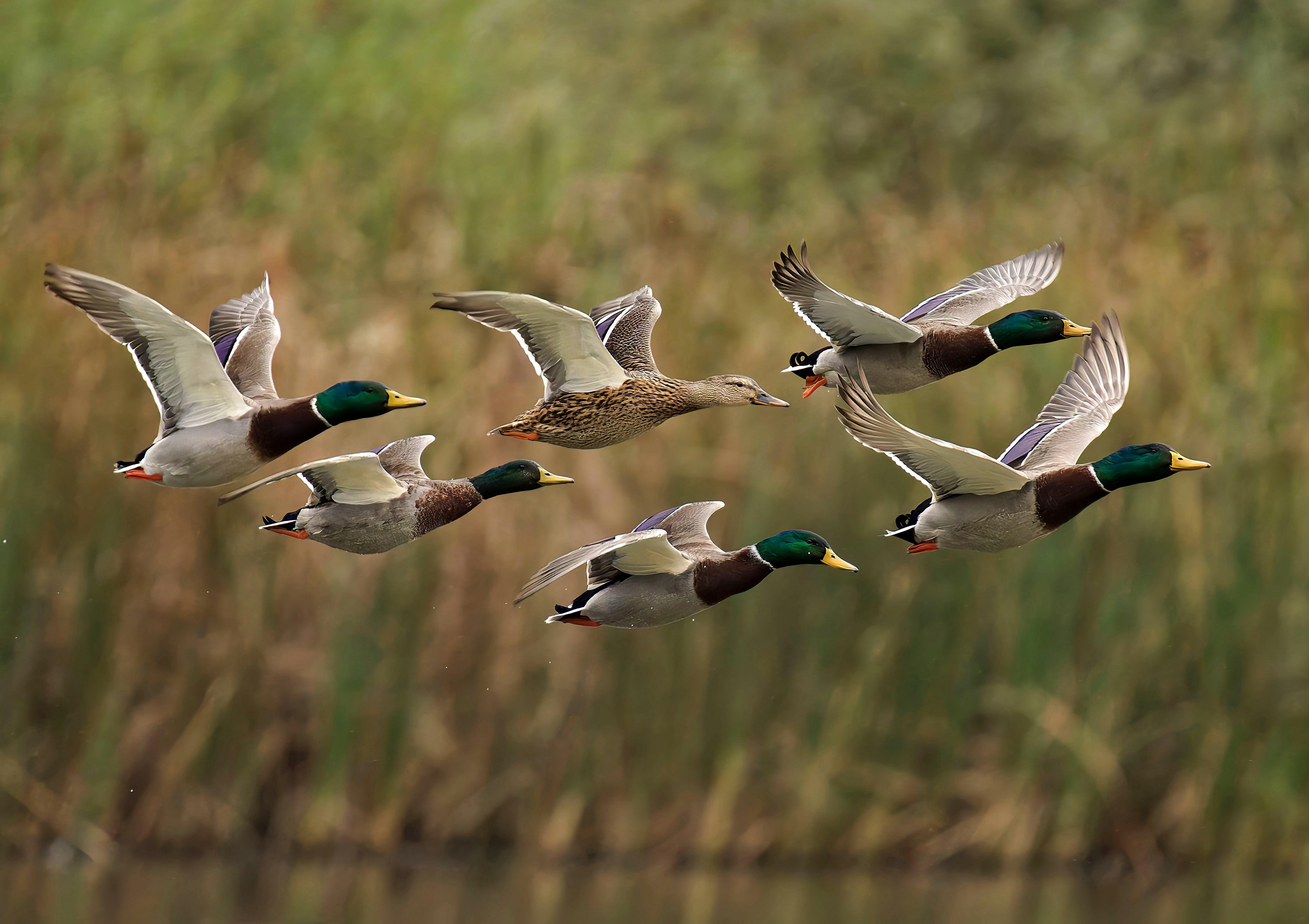
Mallard breeding population numbers were at their lowest point since 1993. Photo by Wirestock Creators.
Breeding duck numbers decreased slightly this past spring, but wetlands increased in southern Canada, according to the 2026 Waterfowl Population Status Report.
The report, unveiled Sept. 1 by the U.S. Fish and Wildlife Service, estimated the total breeding population of ducks in the traditional survey area at 33.44 million, which is down about 2% from 2025 and 6% lower than the long-term average, which dates back to 1955.
According to a Delta Waterfowl press release, ducks returning to the prairie breeding grounds in May found drier conditions in the Dakotas and Montana but wetter conditions in Canadian prairie provinces. The survey’s May pond count showed 4.76 million ponds, which was a 14% increase from 2025. Canada was 29% wetter, but United States wetlands were down 10%. The overall pond count was 9% lower than the long-term average.
Don’t Miss: How Waterfowl Limits are Set
“Although pond counts were higher in Canada, breeding conditions for ducks across most of the prairie pothole region are rated fair to poor,” Dr. Frank Rohwer, president and chief scientist for Delta Waterfowl, said in the release. “While production likely will be better in some areas, it’s not the greatest news for duck hunters.”
Mallards and pintails showed the most notable breeding population declines. Mallard numbers decreased to about 5.86 million, which was an 11% drop from 2025 and 26% lower than the long-term average. The 2026 breeding population estimate is the lowest since 1993. The pintail estimate decreased 11% to 1.99 million, marking the third time in the past five years the breeding population was lower than 2 million. The 2026 mark was also 48% lower than the long-term average.
Blue-winged teal declined by 11% to 3.96 million. They are also at their lowest breeding population estimate since 1993. Among other puddle ducks listed, only northern shovelers increased, jumping 19% to 3.29 million. Gadwall were at 2.35 million, down about 3% from 2025. Wigeon and green-winged teal each declined 8%. However, even with decreases this spring, gadwall, wigeon, and green-winged teal numbers remain higher than the long-term average.
Diving duck species fared better, with population increases for canvasbacks, redheads, and scaup. Canvasbacks were estimated at 782,000, which was about 13% higher than 2025. Redheads climbed to 931,000, a 1% increase. Scaup increased to 4.16 million, a 13% increase.
Mike Buxton, waterfowl programs director for Delta, said in the press release that breeding population numbers represent just one portion of the overall waterfowl outlook. Fall flights consist of the breeding population and young-of-the-year ducks produced after the survey.
Don’t Miss: Waterfowl Migrations are Changing. Here’s What That Means for Hunters
“The timing of when we have water on the landscape makes a big difference for ducks,” he said. “The eastern Dakotas started out dry without much winter runoff. A lot of the temporary and seasonal ponds dried out quickly, and then after a few weeks, we had rain after rain to fill them back up. But it was after ducks had already settled (and the survey was conducted). The ducks that did settle in the eastern Dakotas should have had good production.”
In fact, the release noted, surveys conducted by the North Dakota Game and Fish Department in July showed a 55% increase in broods. Therefore, North Dakota is projected to produce a fall flight of about 4 million ducks — more than in 2024 and 2025. In addition, mallard counts were up in Michigan, Wisconsin, and Minnesota, according to spring surveys held by state game agencies. Those totals are not included in the mallard estimate in the traditional survey area, but the data is listed in the status report and used to set management objectives.
Further, Buxton said in the release, biologists are hopeful that the prairie region of Canada might be recovering from several years of drought.
“I think we’re looking at a good change in prairie Canada from last year,” he said in the release. “Overall, the pond counts in Canada this year are a welcome sight. Spring water conditions were better, and the rains continued after the birds settled. I don’t think it’ll be a banner year for production, but it should be better than the past few years. Prairie Canada seems to be on track to come out of a prolonged drought. Hopefully, from a duck numbers standpoint, it’ll start to turn around.”
Don’t Miss: Do Controlled Waterfowl Hunts Make for Better Hunting?
The breeding population survey, which began with aerial surveys in 1947 and became operational in 1955, is conducted each year in May and June by the U.S. Fish and Wildlife Service and Canadian Wildlife Service by ground, airplane, and helicopter across a 2-million-square-mile area including parts of Alaska, Canada, and the north-central United States — the principal waterfowl breeding areas of North America. Biologists evaluate habitat conditions and provide information on the spring size and trajectory of 19 duck species or species groups, plus Canada geese, coots, and swans. The information is then used to establish annual waterfowl hunting regulations and provide long-term data for waterfowl conservation.


?fmt=auto&qlt=default&fmt.webp.qlt=65&fmt.png.qlt=73&fmt.jp2.qlt=35&fmt.jpeg.qlt=60)