How Waterfowl Limits are Set
Posted 2025-08-15 by
Why can you shoot six wigeon but only four mallards and two canvasbacks? The answer lies in one of science’s greatest undertakings
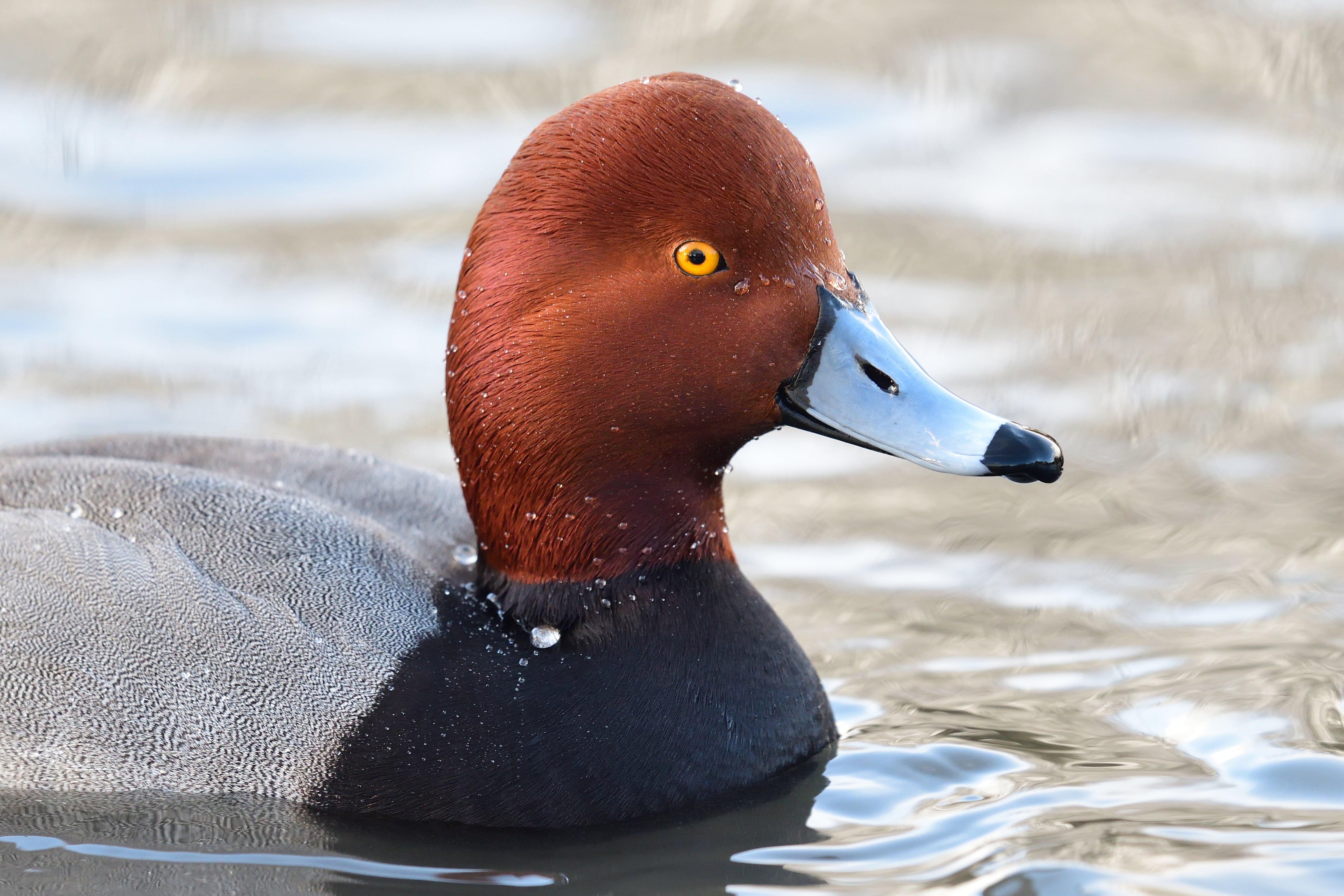
When swarms of redheads zip over your spread, it seems crazy that you can only shoot two per day in the Mississippi Flyway. However, that limit helps balance hunting opportunity with the species’ long-term interests. Photo by Tom Meaker.
Every waterfowler has heard some version of this duck-blind conversation. After the group shoots a few birds, the pit boss monitors the straps and declares, “We’re done with pintails for today.” Or maybe it’s bluebills, canvasbacks, redheads, or black ducks. Whatever the case, someone will ask why, especially if flocks of that species continue to dive-bomb the decoys. And then someone might wonder why the group is allowed to shoot several more ducks of other species.
The short answer is simple: Those are the daily bag limits set by federal and state authorities. But a deeper examination reveals that those numbers aren’t simply pulled out of a hat or set by handshake agreements among officials. They’re the result of one of the world’s most painstaking and exhaustive scientific management efforts, and the story behind that process explains why you can shoot six of one duck species but only two of another.
“I can’t imagine that there’s a more rigorous decision-making process that goes into setting harvest regulations for any other species in the world,” said John Devney, chief policy officer for Delta Waterfowl.
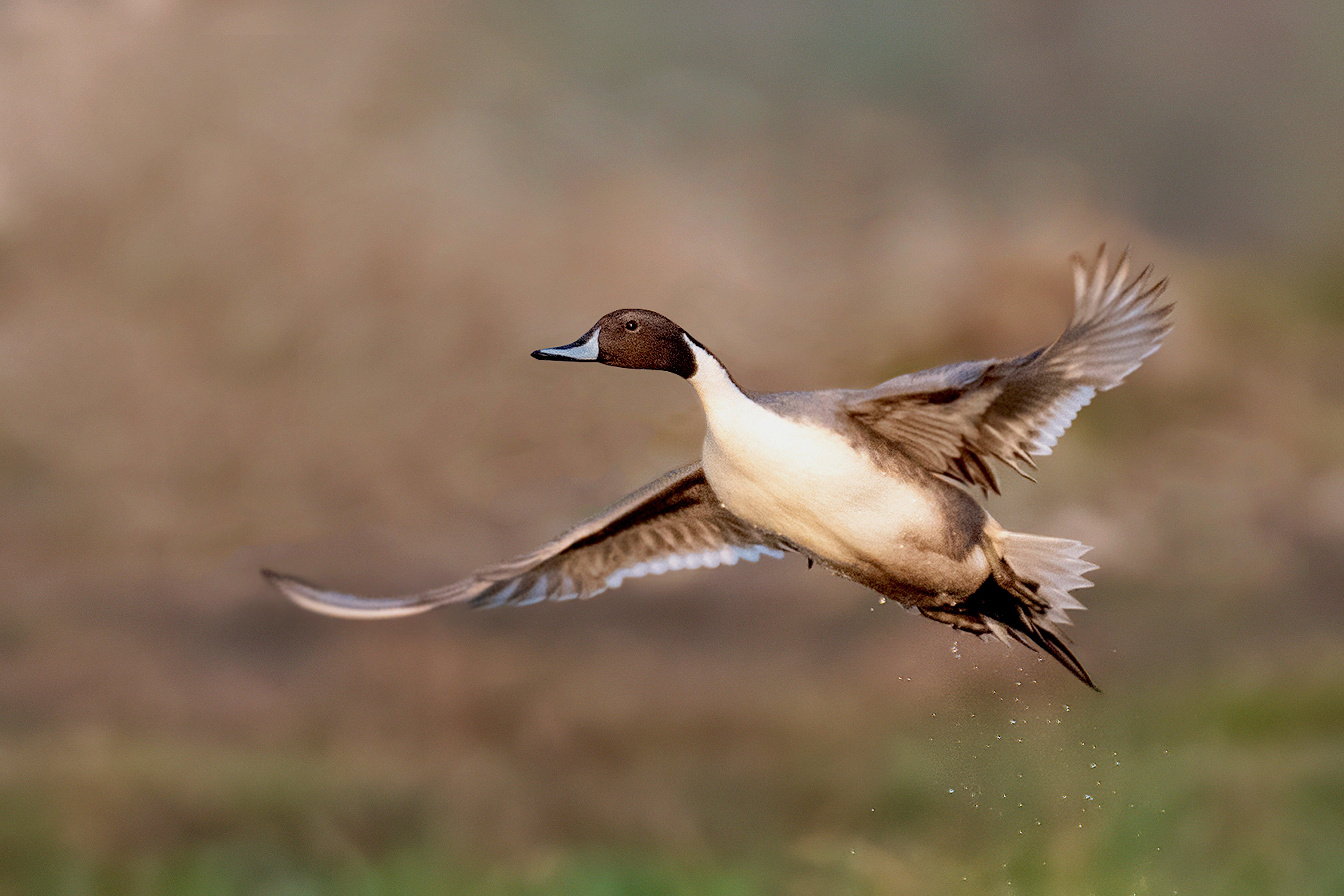
Pintail limits changed recently, illustrating how improving science and new models assist the adaptive nature of federal waterfowl hunting frameworks. Photo by Tusar's Bird Photography.
HOW IT WORKS
Officials set waterfowl bag limits via a multi-stage process involving federal and state agencies.
The United States has four international conservation treaties, commonly called the migratory bird conventions, with Canada, Mexico, Japan, and Russia. Those were created to ensure the sustainability of protected migratory bird species. The Migratory Bird Treaty Act of 1918 implements those treaties and prohibits the take of protected migratory birds without authorization by the Department of the Interior’s U.S. Fish and Wildlife Service. Hunting seasons for migratory birds are actually closed until the department secretary determines the status of specific species are sufficient to allow harvest. The FWS creates regulations every year using data on the status of migratory birds to allow seasons for some species.
Don’t Miss: Early 2025 Duck Numbers Look Mixed
Annual hunting regulations aim to keep the harvest of migratory birds at levels compatible with the population’s ability to sustain itself. Bag limits fall under framework regulations, which are the main foundation of annual rules. The regulations are based on data including harvest surveys, waterfowl breeding population and habitat surveys, and annual surveys and monitoring programs, including bird banding data. This strategy was developed along with the states in each of the four flyways, and frameworks often differ by flyway depending on population status, the number of hunters and projected harvest numbers. States select their season regulations, including bag limits, from the parameters of the federal framework.
Basically, daily bag limits are based on the harvest pressure a species can sustain, which also varies by flyway. (Daily duck limits are generally are more liberal in the Pacific Flyway and become more restrictive as you go east.) Under the FWS’s adaptive harvest management approach, adopted in 1995, duck bag limits can increase or decrease when population models rise above or fall below specific thresholds. For example, to allow for a daily bag limit of two canvasbacks, the canvasback breeding population must be 480,000 or higher. All that might seem clear enough, especially if you’re familiar with the lengthy rule-setting process. But the bag limits for some species might seem counterintuitive without a bit of context.
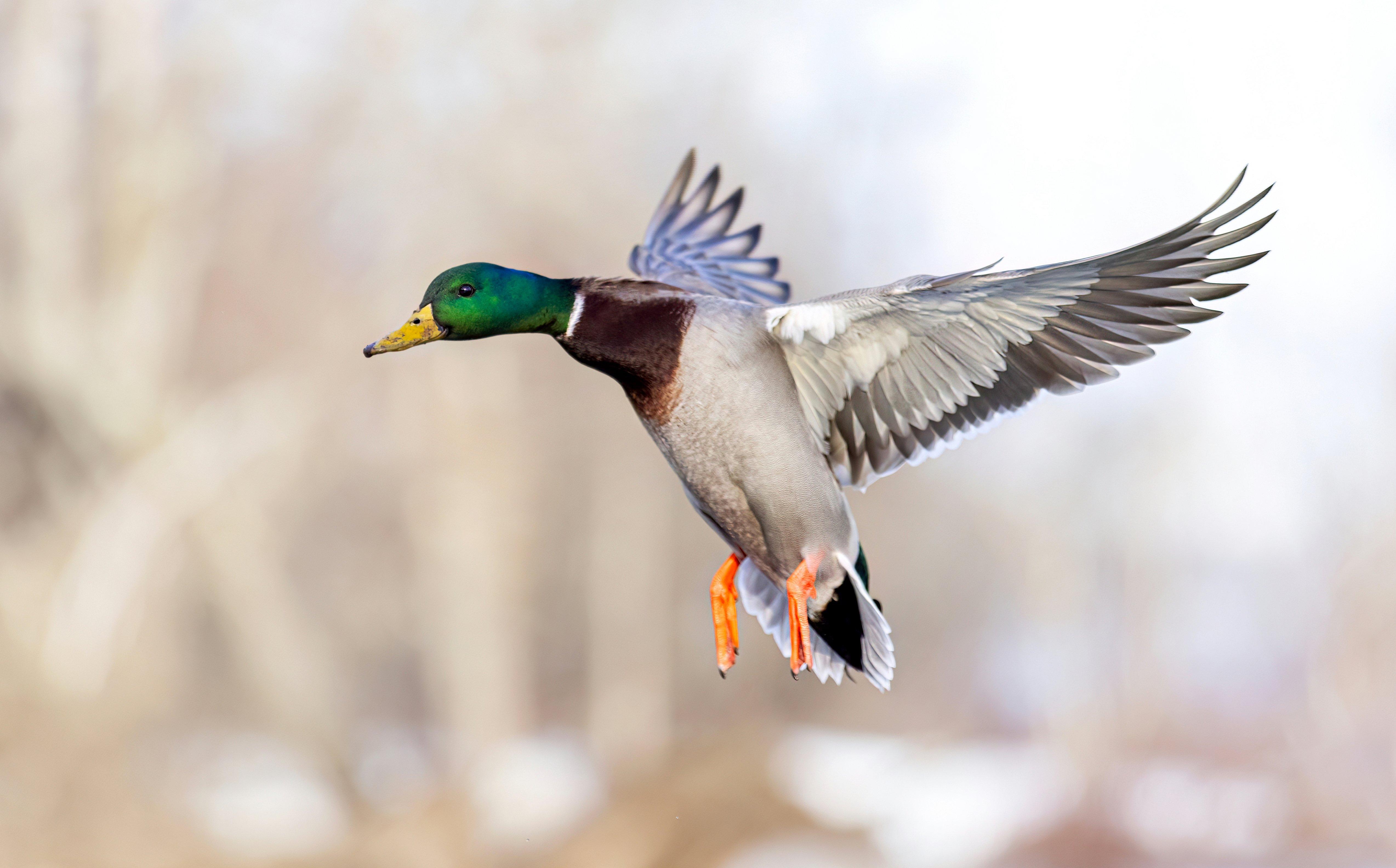
Mallards are one of several ducks that have a specialized harvest strategy. Some other birds — teal, gadwall and northern shovelers, for example — fall under the category of general ducks, because harvest seems to have little impact on their populations. Photo by Jim Cumming.
DIVING DEEPER
Here’s an example: A quick glance at waterfowl regs in Mississippi Flyway states show that you can shoot six northern shovelers per day but only one or two scaup (bluebills), depending on the time of the season. And at first glance, that might seem odd, especially if you hunt an area that sees a large fall bluebill migration, or considering the 2024 breeding duck survey estimated about 4.07 scaup in North America compared to just 2.65 million spoonies. But there’s a method to that perceived disparity.
“For the most part, it boils down to how concerned we are about any given species,” said Adam Phelps, waterfowl research biologist for the Indiana Department of Natural Resources. He’s the longest-serving member of the Mississippi Flyway Council’s Game Bird Technical Section, which makes recommendations to the council, and chairs the Adaptive Harvest Management Committee. “In that example, scaup have been in a long-term decline for decades, whereas shoveler populations fluctuate with the water in the prairies, rebounding when the water comes back.”
Other examples of ducks with specialized (lower) bag limits include mallards, black ducks, pintails, and canvasbacks, each of which has a harvest strategy based on long-term trends (pintails), their importance to harvest (mallards, black ducks and pintails), and small populations combined with high desirability (canvasbacks).
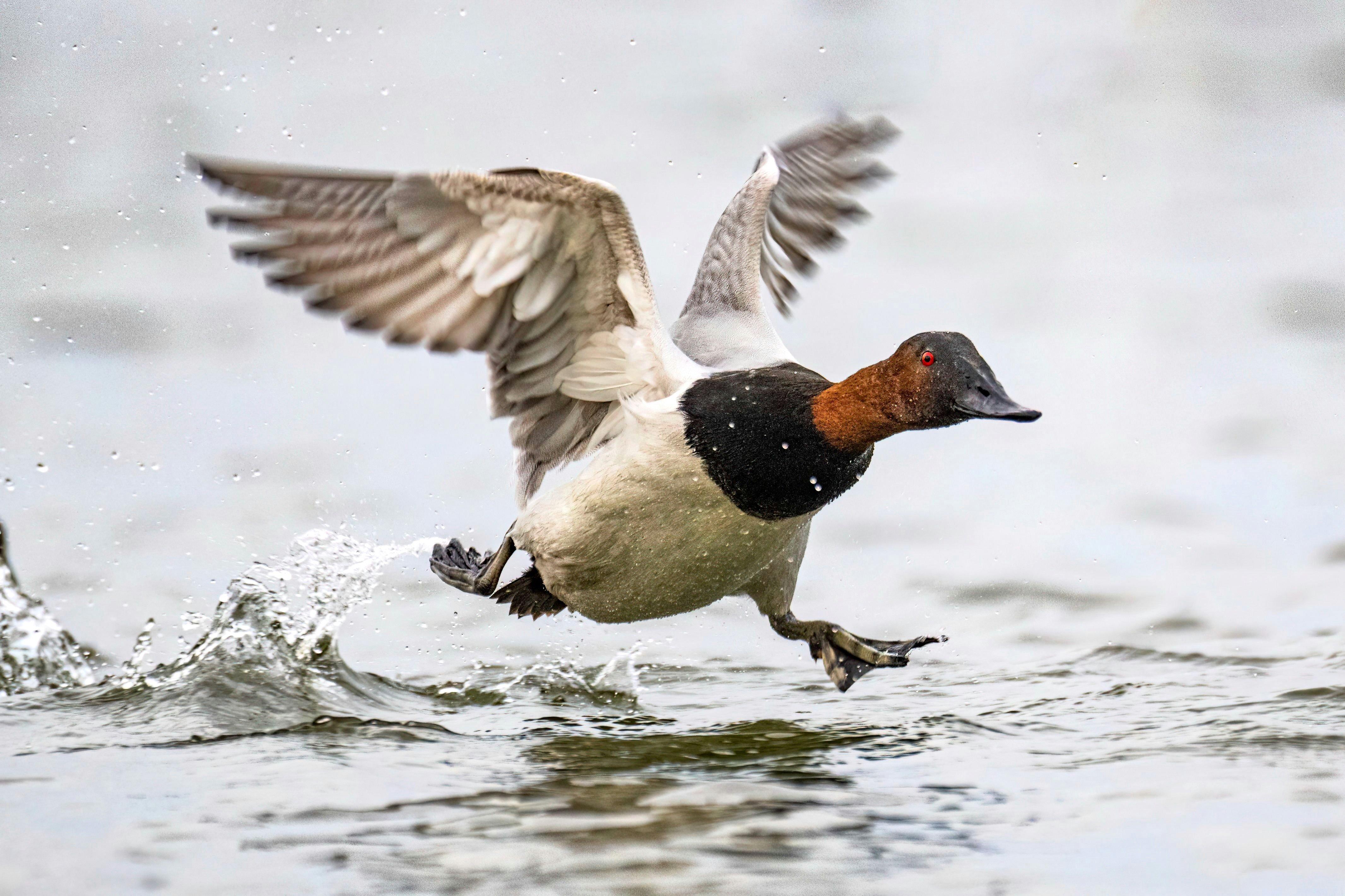
Like many duck species, canvasbacks have a population threshold. Duck bag limits can increase or decrease when population models rise above or fall below those levels. Photo by Wirestock Creators.
“The species that are lumped into that general duck category — like shovelers, gadwalls and teal — are there because harvest overall appears to have little impact on populations, and those populations do not seem to show long-term declines,” Phelps said. He added that state representatives on flyway councils strive to provide as much sustainable hunting opportunity as possible, but those concerns — including bag limits — must be balanced with the interests of specific duck species.
Don’t Miss: Is Duck Hunting Really in Decline?
“Having population models behind some of the species we have the most concern with helps us to not only maximize hunter opportunity but also learn about how duck populations work,” he said.
Devney said that data is critical, as it gives managers a scientific basis upon which to mold frameworks and base decisions about bag limits and other season regulations. “I think the real lynchpin of the waterfowl harvest undertaking is that it needs to be underpinned by the best available science,” he said. “Good surveys, good harvest surveys, good banding data. All that stuff is integral to balance this approach of creating abundant hunting opportunities but also make sure were taking care of species.”
In the Mississippi Flyway, Phelps said, bluebill bag limits provide a good example highlighting that balance. Scaup limits have been reduced in recent years due to concern over those aforementioned long-term population declines.
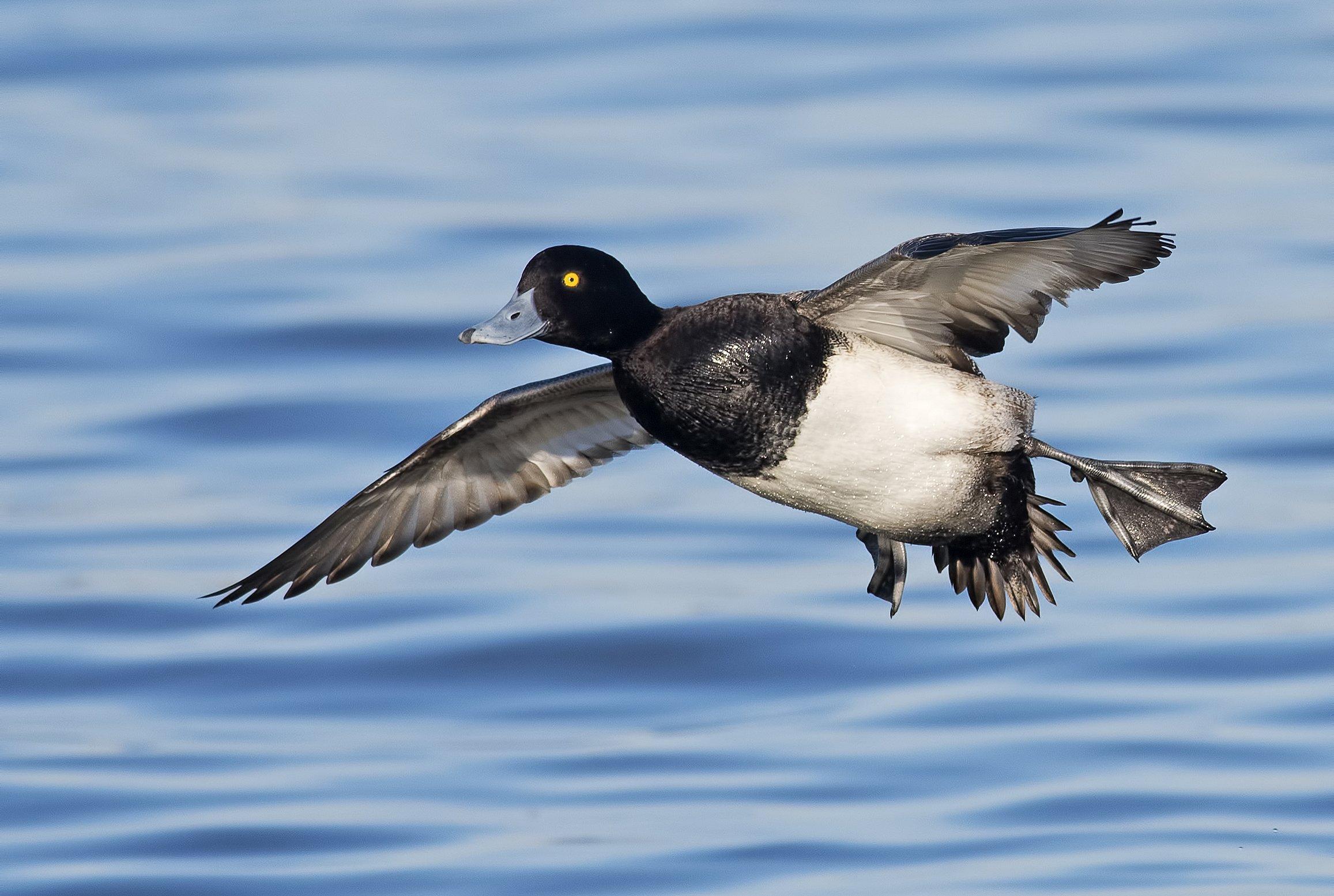
Relatively conservative scaup (bluebill) limits reflect concern about the species’ long-term decline. Photo by Brian E. Kushner.
“In terms of difficulty with balancing opportunity with conservation, really scaup are the most difficult,” he said. “That’s simply because scaup are so important to a very specific kind of hunting. For some diver hunters, if the scaup bag limit is too low, hunting isn’t seen as being worth the time, since scaup are the primary bird they see. Especially with canvasbacks and redheads being at two birds each, scaup being at one or two can really take the attractiveness out of diver hunting. So yes, there is a balance there between not overshooting scaup but also not driving diver hunters to quit, because hunting is a critical piece of waterfowl conservation.”
Of course, like hunters who see lots of bluebills but few other ducks, some folks might base their opinions about bag limits on anecdotal observations, not scientific data. Still, Phelps said he receives very little feedback on bag limits.
“The species that we hear about are those that have formal harvest strategies agreed upon by the states (through the flyway councils) and the Fish and Wildlife Service,” he said. “Those strategies are based on the best available science, and because they are all agreed to, there isn’t any latitude for any one flyway or state to make changes. Those strategies are revised occasionally, and the sort of feedback you’re describing can be considered when the flyways are developing the objectives during strategy revisions. But in general, having the options set in stone is a feature, not a bug. It prevents arguing and bargaining because we all agreed to the provisions of the strategy up front. It greatly improves cooperation and collaboration between the various migratory bird partners and makes management much stronger.”
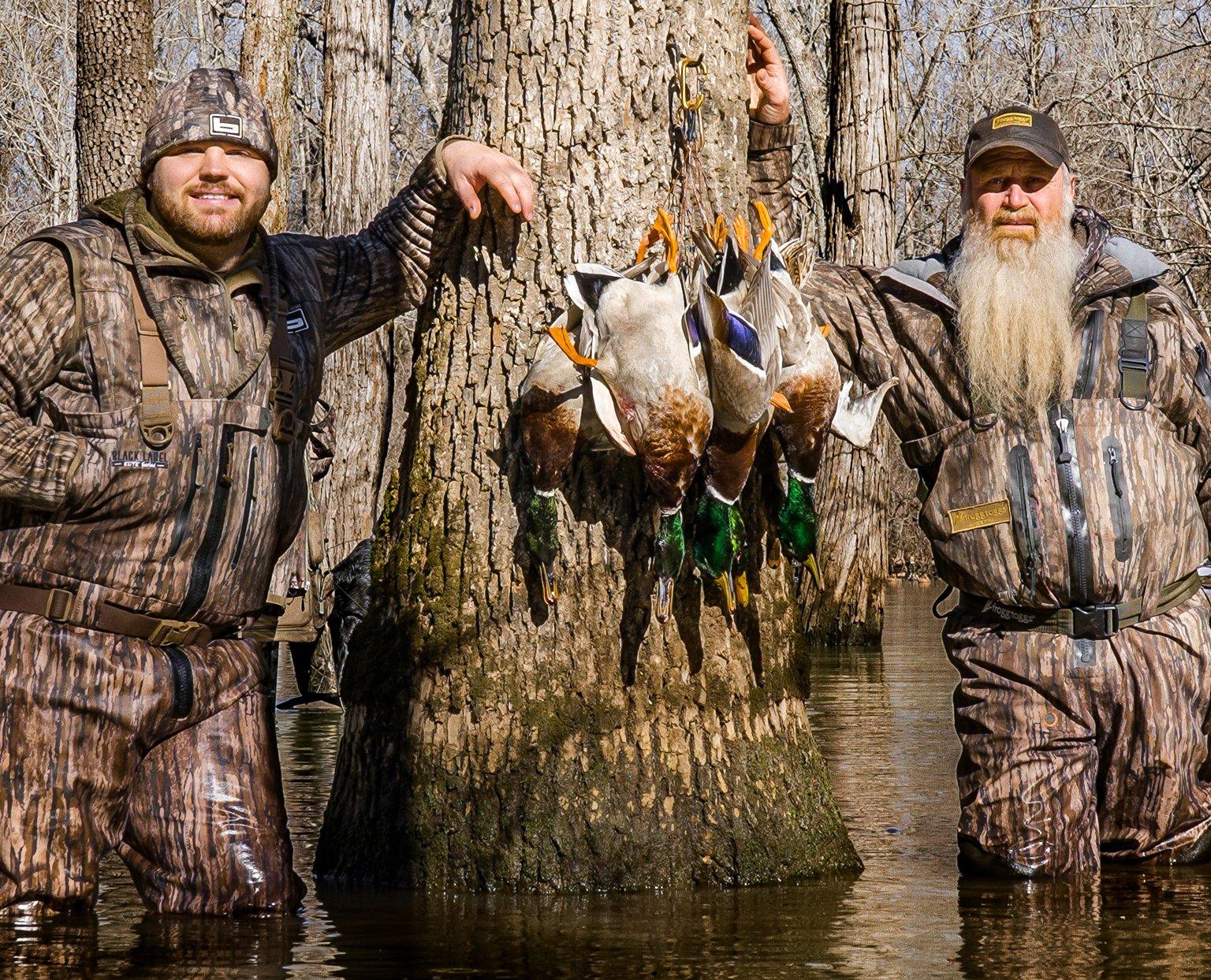
Daily bag limits are based on the harvest pressure a species can sustain, which varies by flyway. Realtree photo.
GOING FORWARD
As science progresses and new research methods arise, the process of setting bag limits will likely evolve, which could lead to revisions. For example, the FWS recently adopted an interim northern pintail harvest strategy based on a new model that allows for the harvest of three pintails per day. Still, Phelps cautioned that it’s tough to speculate how improvements might affect future bag limit discussions.
“In recent years, the addition of integrated population models has improved the performance of harvest management,” he said. “However, these models can be time-consuming to build, troubleshoot and implement, and the skills necessary to do so are not possessed by a lot of people. Many of the people we rely on to do this sort of technical work are employed by the Fish and Wildlife Service. Many of them are the same people we rely on to turn the crank each year on the annual regulatory process as well. The service, and particularly the Division of Migratory Bird Management, is suffering from long-term budget stagnation and employee loss, so less staff time is available than has been in the past to do the technical work of integrating these improved modeling techniques (or other strategy revisions). So, the answer is it’s difficult to know, because it’s more than just asking what the science can do for us. It’s also asking how much of the science needed to use these techniques can be done under current constraints.”
Don’t Miss: How to Scout for Ducks and Geese in Dry Fields
Nonetheless, Devney sees a bright future for continuing research, developing science and their effects on bag limits, pointing to several recent modifications, such as tweaks to the Atlantic Flyway mallard limit. “That happened because there was a lot of really good technical work done by lots of really smart people,” he said.
This fall, when you reach your daily limit of bluebills, cans, or some other duck, take a moment to appreciate everything that went into that seemingly random number. Yeah, it might seem appealing to have the chance to shoot one more. But that limit, backed up by a colossal amount of research and knowledge, will help ensure that you can hunt those duck species for many more seasons.