Duck Numbers Steady, but Pond Counts Down
Posted 2025-09-03 by
Dry conditions this past spring have biologists concerned about poor waterfowl production
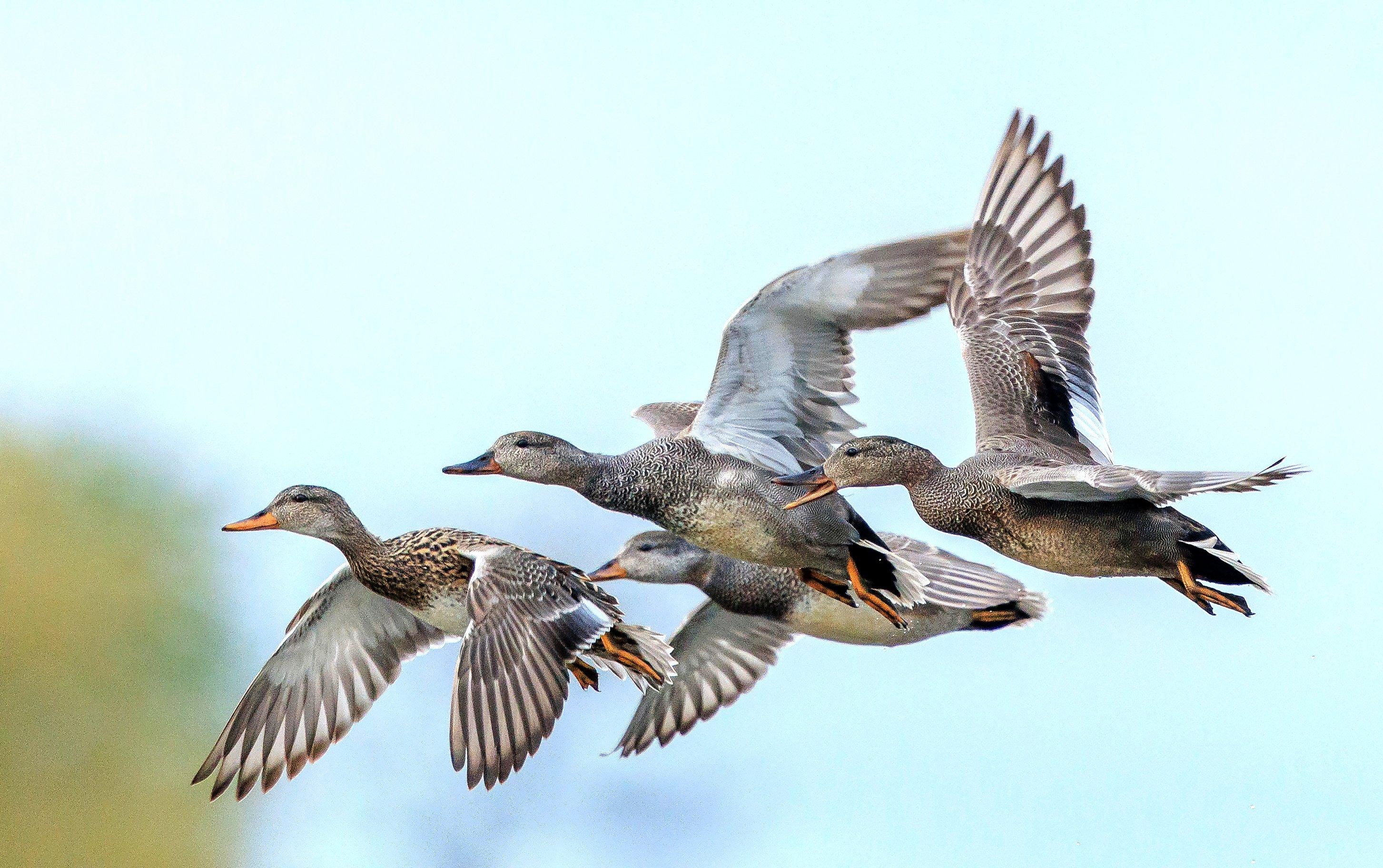
May rains probably helped some late-nesting ducks, but much of the precipitation in the prairies arrived too late. Photo by Sander Meertins Photography.
Duck numbers look solid this year, but spring pond counts decreased considerably, sparking concerns about the 2025-2026 fall flight.
The 2025 Waterfowl Population Status report, released Sept. 2 by the U.S. Fish and Wildlife Service, estimated the breeding population of ducks in the traditional survey area at 33.98 million, which was slightly below the 2024 estimate of 33.99 million and 4% lower than the long-term average. However, May pond counts, a critical indicator of breeding habitat conditions, were estimated at 4.18 million, a decrease of 19% from 2024 and 20% lower than the long-term average. Pond counts in the north-central United States were down 34%, and the prairie and parklands regions of Alberta, Saskatchewan, and Manitoba dropped 5%. That means many ducks encountered dry conditions when they returned to the prairies this past spring.
Don’t Miss: 5 Shots to Practice for Teal Season
“Duck production is not likely to be good this year,” Dr. Frank Rohwer, president and chief scientist of Delta Waterfowl, said in a press release. “When you look at the wetland conditions maps from May, they show it was very dry everywhere across the prairie pothole region except eastern South Dakota. The best hunting seasons occur in wet years when the fall flight has more young ducks in the migration.”
Habitat conditions in the Eastern Survey Area were “good to excellent,” so duck production should be strong there, Delta said. But production on the prairies will likely be fair to poor. Rain in late May across North Dakota and eastern Saskatchewan provided hope, but that had mostly evaporated by June.
“The May rains likely helped support a moderate number of nesting ducks,” Mike Buxton, waterfowl programs director for Delta Waterfowl, said in the release. “However, much of the precipitation in North Dakota and Saskatchewan arrived too late, and the gains were short-lived as heat, wind, and a lack of more rain dried up wetlands in June. Localized areas of Alberta received rain in June, and they stood out as rare bright spots.”
The survey estimated mallard numbers at 6.55 million, a 1% decrease from 2024, but 17% lower than the long-term average. Delta said that more mallards settled in the Canadian prairies this spring, but their numbers were still well below the long-term average.
Don’t Miss: How Waterfowl Limits are Set
Gadwalls, wigeon, shovelers, and pintails increased. Wigeon, estimated at 3.19 million, jumped 9% and are at their highest breeding population since 2016. Pintails increased to 2.24 million, which was 13% higher than 2024.
Blue-winged teal declined 4% to 4.32 million, their lowest level since 2004. Their numbers were down 18% in the eastern Dakotas, where more than a third of the population breeds during a typical year, Delta said. Green-winged teal, which breed primarily in boreal forest regions, declined 15% to 2.55 million, but the population remains 16% higher than the long-term average.
“If there’s good news for southern hunters, it’s that a lot of gadwalls settled in the eastern Dakotas, and green-winged teal are above the long-term average,” Rohwer said. “Hunters in Louisiana and Texas will still have greenwings and gadwalls.”
Among diving ducks, canvasbacks and redheads increased, but scaup populations dropped 10% to 3.68 million. Canvasbacks were estimated at 690,200, the most since 2017. Redheads jumped 17% to 918,200.
Don’t Miss: How to Pull Off a Great Free-Lance Duck Hunt
The breeding population survey, which began with aerial surveys in 1947 and became operational in 1955, is conducted each year in May and June by the U.S. Fish and Wildlife Service and Canadian Wildlife Service by ground, airplane, and helicopter across a 2-million-square-mile area including parts of Alaska, Canada, and the north-central United States — the principal waterfowl breeding areas of North America. Biologists evaluate habitat conditions and provide information on the spring size and trajectory of 19 duck species or species groups, plus Canada geese, coots, and swans. The information is then used to establish annual waterfowl hunting regulations and provide long-term data for waterfowl conservation.