Hot-Spotting and Duck Hunting Pressure
Posted 2025-09-05 by
Some believe modern technology has led to increased waterfowl hunting pressure, but the reality is a bit more complicated
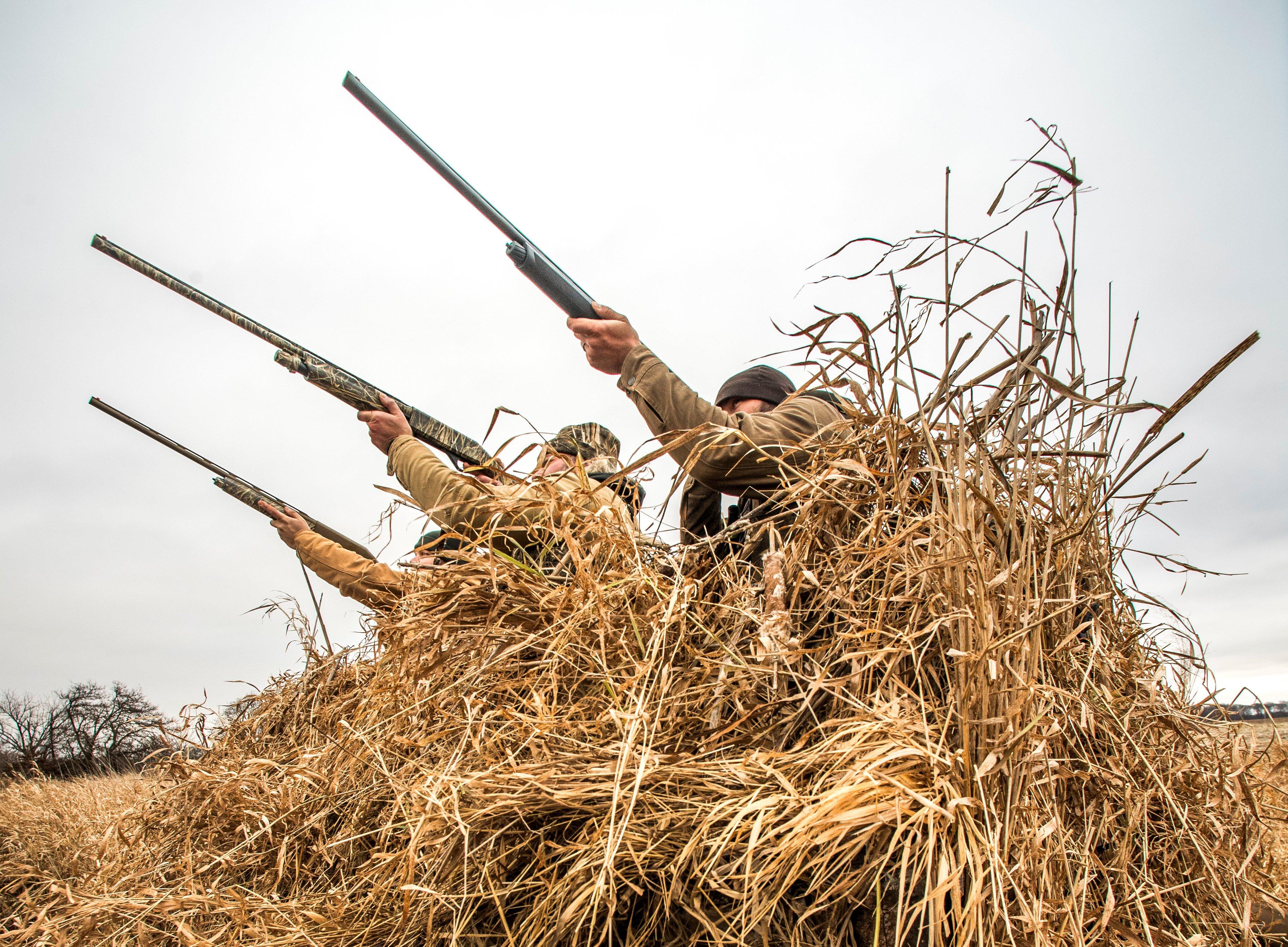
Shrinking hunter access opportunities have helped concentrate pressure at many duck hotspots. Photo by Stoeger.
A glance through social media might be all it takes to boil the blood of some duck hunters. From October through January, images of piles of ducks flood those platforms. Many of those birds weren’t even shot by locals, but instead by traveling, out-of-state hunters who’ve seemingly overrun traditional hotspots.
No doubt, some longtime waterfowlers believe that the modern wave of nonresident pressure, boosted by social media and mapping apps, has ruined some classic hunting spots. But the true scope of the issue is a bit more complicated.
Don’t Miss: How to Pull Off a Great Free-Lance Duck Hunt
MODERN HOT-SPOTTING
An AI overview seems to sum up sentiments about current duck hunting pressure: The Internet and social media effectively “hotspot” areas, especially on public land, via location sharing, online scouting, influencer impacts, and discussion forums. That exposure leads to increased hunter densities at specific spots and puts more pressure on ducks. Many hunters absolutely believe this.
“I’ve seen more boats and hunters in certain areas than ever before,” said Jeremy Dersham, owner of Ridge and River Running Outfitters in southern Wisconsin. “It’s a change in culture. I grew up hunting with the World War II and baby boomer generations, so keeping places and real-time information close to the chest was to be expected. This is in stark contrast to the social media and YouTube generation. The speed of information today is a different animal than it was even 10 to 15 years ago. It’s nothing for people to know specific bird numbers in certain areas, resulting in more people who have the financial resources — boats, gear, and time — to travel and hunt.”
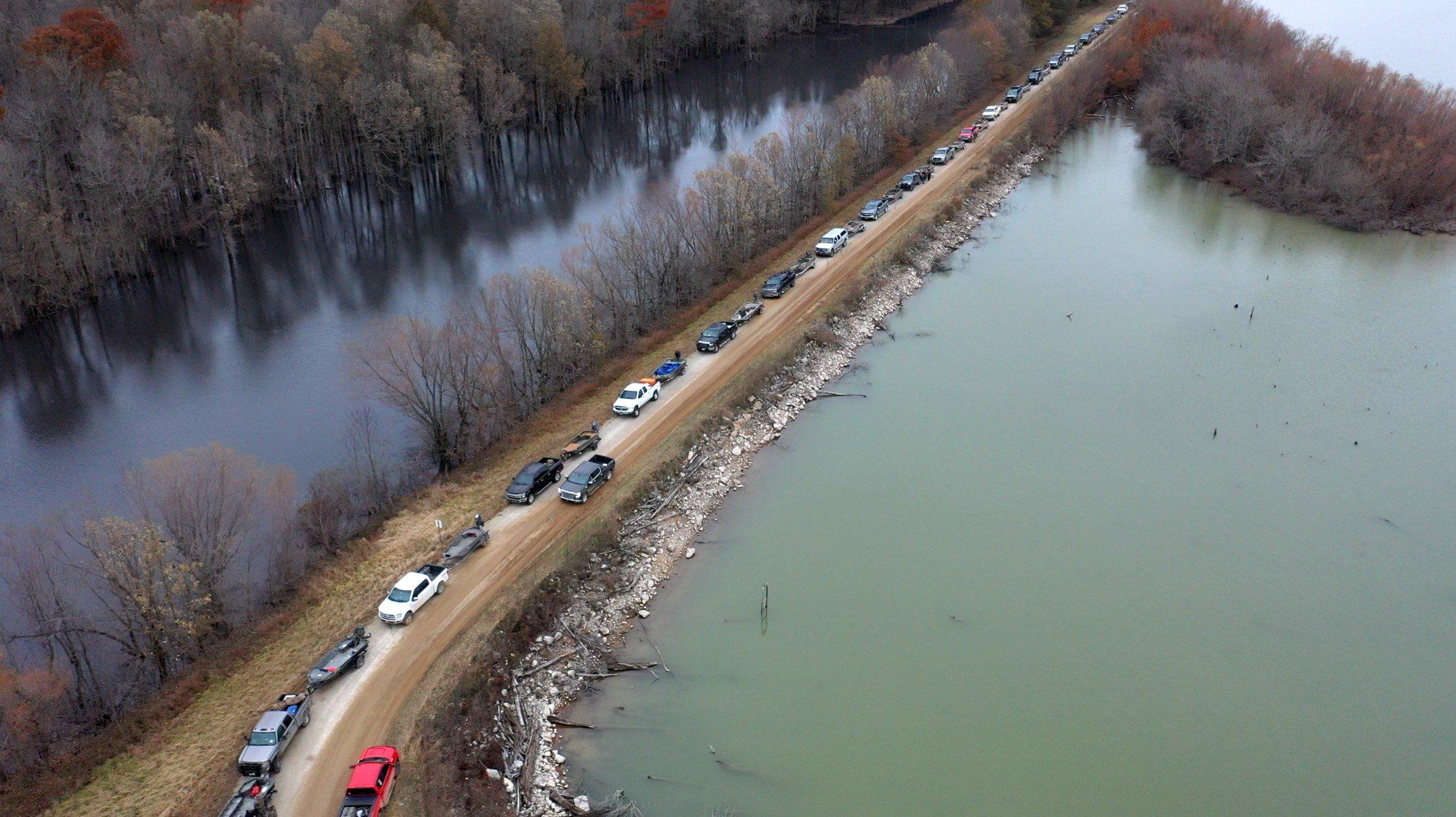
Do the Internet and social media hotspot public spots? Many hunters absolutely believe so. Photo by Realtree.
But despite what many hunters are experiencing in the field firsthand, the data continues to suggest a slow but steady decline in hunting participation, including among waterfowlers. From 2012-2013 through 2022-2023, the number of active waterfowlers in the United States decreased by almost 235,000 — a drop of more than 20%, according to the U.S. Fish and Wildlife Service. The 2022-2023 season saw about 913,700 active waterfowlers, the lowest number since 1962. Those numbers jumped a bit to about 1.16 million active waterfowlers during the 2024-2025 season, but the USFWS said estimates of hunter activity from 2023 and beyond might not be comparable to those of previous years because of modifications in survey methodology. Still, the long-term trend remains.
So, if there are fewer hunters, why does it seem like there’s more pressure than ever? Many believe that landscape changes — specifically, hunter access opportunities — have helped concentrate people. “Everyone is talking about hunting pressure, but hunter numbers are down,” said veteran waterfowler Mario Friendy, with Final Approach. “The access is what we are losing, and with that, more public areas or hotspots are being flooded with more hunters, making it seem like there is more pressure.”
Don’t Miss: How Waterfowl Limits are Set
Friendly also noted that more outfitters are leasing areas, and more private duck clubs dot the landscape nowadays, perhaps limiting access for rank-and-file hunters. “Now don’t get me wrong, I am not against private clubs or outfitters, as I have guided and owned my own outfitting business and run a private club,” he said. “The private duck clubs are key parts of habitat for the birds. I know we feed way more ducks than we shoot on all our properties, and there are countless others that do the same. But we also don’t hunt them every day, so the birds have days to rest and eat. If there is a hot public spot, there might be someone in there every day, and that never gives the birds time to rest, fuel up and all that, so that turns that place into a hit-or-miss spot.”
In addition, land-use practices continue to change, and as more landowners sell to developers, the amount of waterfowl habitat continues to decline. “I have seen a few spots in my area being turned into houses and subdivisions, with the low spot being the drainage or runoff for all the houses,” Friendy said. “Those are the low spots we used to hunt.”
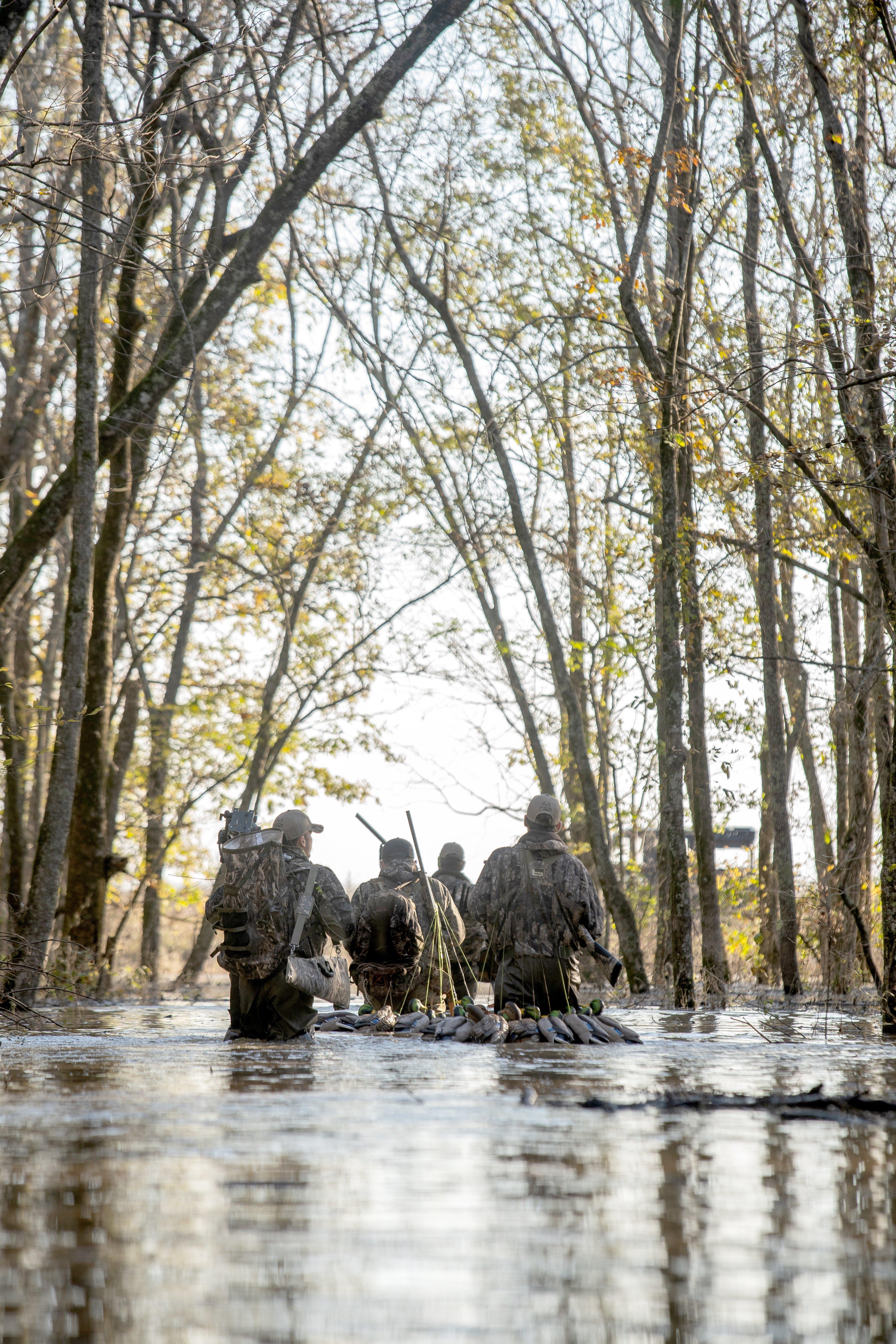
Mapping apps have made it easier for hunters to find previously little-known spots. Photo by Phil Kahnke.
MANAGING PRESSURE
Increased hunting pressure in some areas can leave state agencies in a tricky position, trying to manage hunter expectations while also doing what’s best for the resource. Often, that begins with tracking hunting pressure. For example, North Dakota, a traditionally popular waterfowling destination, has long tracked the number of nonresident hunters. The overall number of active waterfowlers in the state has remained fairly consistent, but since COVID-19, the state now has more active nonresident hunters than residents — about 26,000 to 18,000 in 2024, respectively. And via surveys, the state also tracks the amount of hunter effort at the county level and notes trends.
Meanwhile, hunter access in North Dakota has also become more complicated, with more outfitters in some areas. Also, since 2024, landowners can electronically post their land to prohibit access. “It’s harder to get on ground,” said John Palarski, migratory game bird biologist with the North Dakota Game and Fish Department. “And in the past couple of years, we’ve lost a couple of million ducks in our midcontinent population. So, with tighter access and fewer ducks to pursue, it’s going to create some issues.”
Arkansas, another classic waterfowl destination, has also tracked and dealt with changing nonresident pressure for years. “We’ve observed an increase in nonresident duck stamp purchases since 2010, while resident stamps have largely remained stable,” said Brett Leach, waterfowl program coordinator for the Arkansas Game and Fish Commission. “In 2024-2025, we sold 48,529 resident stamps and 57,231 nonresident stamps. It’s worth noting that nonresidents hunting on a WMA must also buy a three-day or 30-day permit. We sold about 12,000 of those permits last year, with about 8,100 unique purchasers, indicating that most nonresidents are not hunting on our WMAs.”
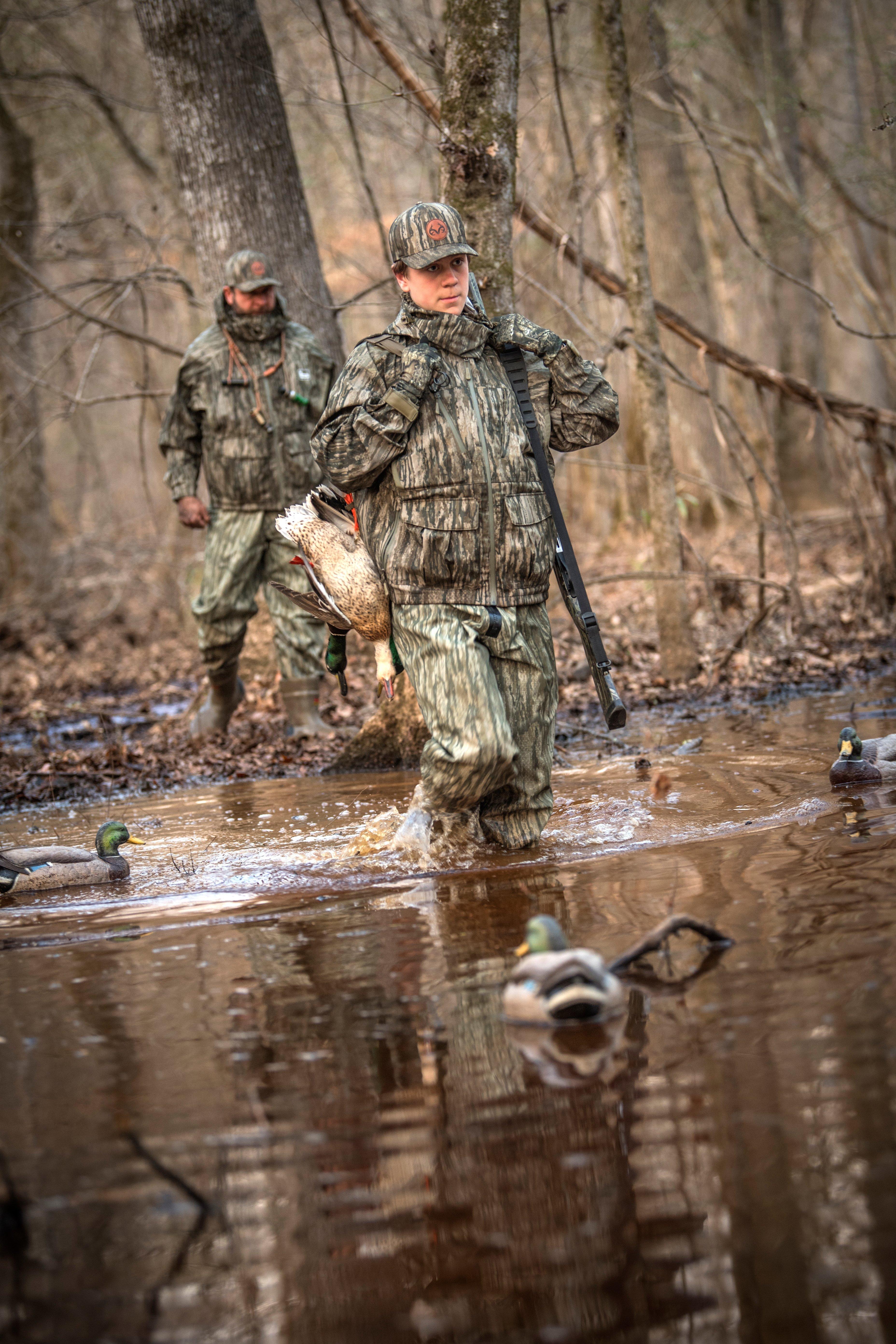
In popular waterfowling states, natural resources agencies must devise regulations to limit or spread out hunting pressure. Photo by Bill Konway.
CONDITIONS CAN CHANGE PERCEPTION
Modern apps allow for precise tracking of weather and river levels, meaning hunters can time their trips around prime conditions. That can lead to crowding on the best hunting days.
“There are certainly places within (Arkansas) that see water earlier than other parts, and during those times, it might seem like there are a lot of nonresidents, but you can’t lose sight of the big picture,” Leach said. “Hunters are very receptive to water levels, and if you compare water level data to hunter effort, those two things mimic each other pretty closely, and it won’t just be an increase in nonresidents.”
Another truth is that traveling hunters frequently put in more time than local hunters. “I don’t doubt that hunters see relatively more nonresident license plates when they get back to the boat ramp after their morning hunt, but nonresident hunters are likely to spend more time in the field any given day so you can’t just look at the license plates at the end of the hunt, or it may be biased towards nonresidents,” Leach said.
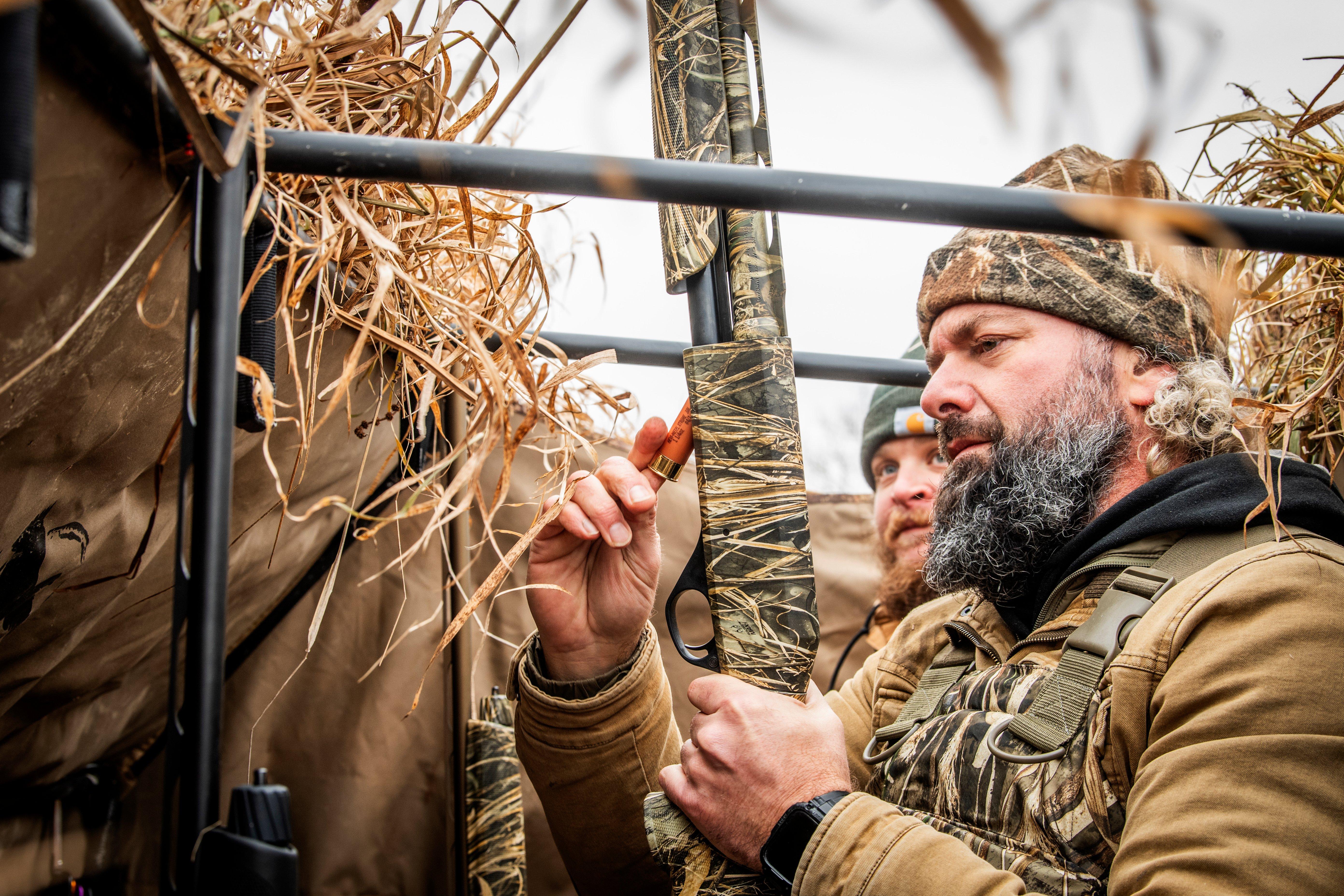
Simply learning about an area via social media or a mapping app doesn’t guarantee success. You must still hunt smart and shoot straight. Photo by Stoeger.
Ultimately, state agencies and the boards that oversee them must sometimes take action to deal with the perception of increased hunting pressure. In 2011, Arkansas got rid of a rule that restricted five-day nonresident WMA permits to 30 pre-set dates, hoping to spread out pressure. For 2025, North Dakota eliminated its statewide nonresident waterfowl license and switched to six new nonresident waterfowl zones. Hunters must now choose one of the six zones and are limited to seven days in any zone within a 14-day license period. They must use a separate seven-day period in a different zone. The state also requires a new waterfowl habitat restoration stamp for all waterfowl hunters. North Dakota also works to create more access, through the expansion of its Private Lands Open to Sportsmen program (with about 880,000 acres enrolled), and by letting hunters electronically reach out to willing landowners who have e-posted their land to seek access.
Don’t Miss: Duck Numbers Steady, But Pond Counts Down
CONCLUSION
Despite all the challenges of increased hunting pressure — at least in some spots — the fundamentals of waterfowling remain. Finding a previously “secret” spot online doesn’t guarantee birds in the decoys. You still need to conceal yourself, set a realistic spread, make the right calls, shoot straight, and have a little luck. Hot-spotting hasn’t ruined or changed any of that.